
Applications of Transparent Wood Polymer Composites
Exploring Versatile and Sustainable Innovations in Modern Materials
Key Highlights
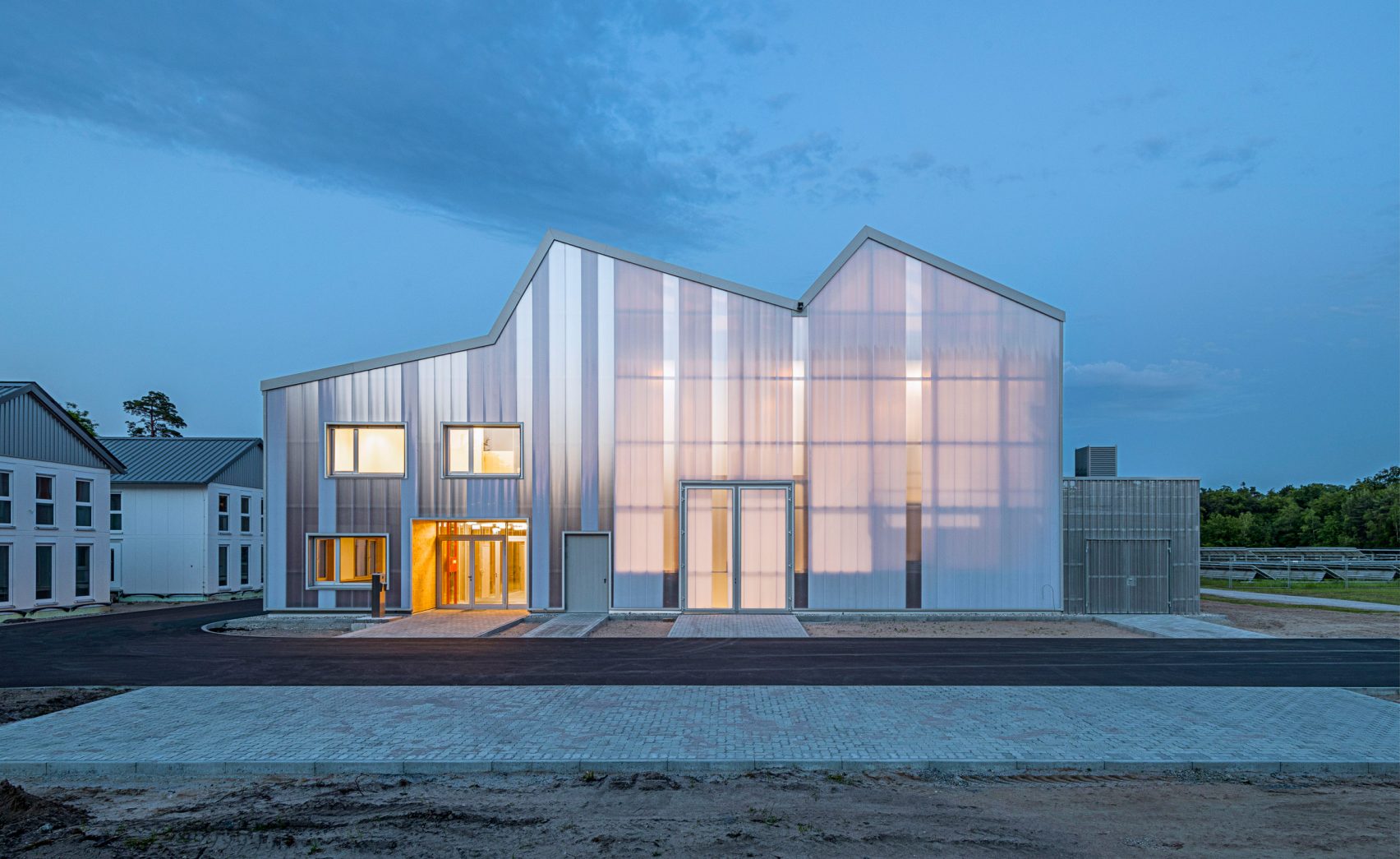
- Sustainable Building Solutions: Transparent wood composites offer energy efficiency, natural light diffusion and structural integrity, making them ideal for modern architectural designs.
- Advanced Optoelectronic Applications: Their unique optical properties and durability position these materials for use in solar cells, screens, and smart windows.
- Innovative Design and Functional Elements: From load-bearing structures to decorative lighting, these composites blur the line between aesthetics and function.
Overview and Introduction
Transparent wood polymer composites, often abbreviated as TWPC or simply TWC, represent a new class of sustainable materials that combine the natural appeal of wood with the optical and mechanical benefits of synthetic polymers. By removing lignin from wood and infusing the porous structure with polymers such as poly(methyl methacrylate) (PMMA) or epoxy, these composites unlock remarkable light-transmitting and strength properties. This innovative material not only preserves the inherent beauty of wood but also enhances it with functionality not typically found in traditional wood products or glass.
Developed initially to explore alternatives to standard construction materials with high energy consumption and environmental impact, transparent wood composites have rapidly evolved into versatile materials with applications spanning from energy-efficient architecture to cutting-edge optoelectronic devices. Their ability to transmit light—often up to 90%—combined with improved thermal insulation and biodegradability, heralds a shift towards greener and more sustainable industry practices.
Detailed Applications of Transparent Wood Polymer Composites
1. Building and Construction
One of the most significant applications of transparent wood composites is in the building and construction sector. Traditional glass, while effective at transmitting natural light, often suffers from drawbacks such as fragility, thermal inefficiency, and high environmental costs during manufacture. Transparent wood composites provide a promising alternative that addresses these issues.
Windows and Facades
Transparent wood can be used to develop advanced glazing systems. Its capability to admit natural light while providing superior thermal insulation results in reduced reliance on artificial lighting and lower heating and cooling costs. In addition, its inherent shatterproof nature increases safety, making it suitable for both residential and commercial applications.
Load-Bearing Structures
Beyond non-load-bearing applications, transparent wood composites have demonstrated the potential to be engineered as structural elements. They can contribute to innovative designs where windows or facades double as load-bearing elements, merging function with aesthetics. When integrated into walls or roofing systems, they not only expedite natural sunlight but also aid in creating energy-efficient buildings.
Smart Building Integration
With the rise of smart building technologies, transparent wood is finding its place within adaptive systems. Its ability to manage heat and light efficiently makes it ideal for smart windows, where the material's properties can be dynamically altered to control indoor temperature and lighting, ultimately contributing to improved energy management.
2. Optoelectronics and Solar Energy
The unique combination of optical clarity and mechanical robustness in transparent wood polymer composites has spurred numerous innovations in the field of optoelectronics. Their use in applications involving light manipulation makes them a strong candidate for next-generation electronic devices.
Solar Cells and Photovoltaic Systems
Transparent wood can serve as an excellent substrate for developing more efficient solar cells. Its excellent light transmission and scattering properties enhance light trapping in photovoltaic devices, especially perovskite solar cells. This integration into building-integrated photovoltaics (BIPV) allows the creation of energy-efficient windows that double as power-generating surfaces.
Optical Components and Displays
In addition to solar applications, transparent wood has potential for use in various optical components such as light diffusers and display screens. Its optical properties facilitate better light management, while its mechanical strength ensures durability in devices like smartphones and tablets. Moreover, modified forms of the composite can be engineered to manage different wavelengths effectively, making them particularly useful in specialized optoelectronic systems.
3. Interior Design and Furniture
Transparent wood composites have captured the imagination of interior designers looking to create an interplay between natural elegance and modern innovation. Their inherent optical and mechanical properties provide designers with the latitude to craft unique and sustainable decorative pieces.
Innovative Furniture Designs
Designers are leveraging transparent wood to produce aesthetically pleasing furniture pieces that echo a blend of traditional wood artistry and futuristic modernism. Items such as tables, shelving units, and even artistic installations benefit from the material’s translucency combined with its durability.
Decorative Lighting and Aesthetics
By embedding luminescent substances and colorants, transparent wood composites can be transformed into dynamic decorative elements that offer customized lighting effects. This makes them ideal for upscale interior projects where lighting and visual impact play crucial roles.
4. Electronics and Sensing Applications
The adaptability of transparent wood composites extends into the realm of electronics and sensor technology. Beyond their use in display screens and solar cells, they can be modified to exhibit additional electrical functionalities.
Conductive and Flexible Devices
By integrating conductive materials such as silver nanowires into the composite, the traditionally insulating wood structure can be endowed with electrical conductivity. This allows for the development of transparent, flexible devices, including capacitive sensors and touch-responsive interfaces used in emerging wearable technology.
Advanced Sensing Applications
The material's capacity to modify its optical characteristics in response to environmental changes also makes it suitable for various sensor applications. In particular, optical sensors that detect changes in light intensity or temperature can benefit from the dual nature of the composite—combining light transmission with mechanical resilience.
5. Thermal Management and Energy Efficiency
Transparent wood composites offer favorable thermal properties that are critical in managing energy consumption in buildings and devices.
Thermal Insulation
When used in windows and facades, these composites provide excellent thermal insulation by creating a barrier to heat transfer. Their cellular structure, combined with the polymer matrix, hinders the flow of thermal energy, which leads to a more regulated indoor climate and a reduction in energy usage for heating and cooling.
Heat-Shielding Capabilities
In some advanced applications, nanoparticles like Cs\(_x\)WO\(_3\) can be added to the composite to enhance heat-shielding properties. This addition creates windows that significantly lessen temperature spikes, a feature highly regarded in climates that experience extreme variations in outdoor temperatures.
6. Emerging and Future Applications
As research continues, further functionalities are being explored in relation to transparent wood composites. Their evolving nature promises additional applications across various innovative fields.
Electrochromic and Photochromic Devices
Advanced formulations may enable the material to adjust its transparency in response to electrical stimuli (electrochromism) or light exposure (photochromism). These properties have exciting implications for adaptive windows that can change transparency based on the intensity of sunlight, further contributing to energy efficiency.
Magnetic and Heat-Shielding Materials
Research is also delving into the capabilities of transparent wood composites to serve functions that require magnetic properties or enhanced heat shielding. These applications could lead to novel solutions in areas ranging from electromagnetic interference shielding to specialized defense materials.
Comparative Table of Applications
| Application Area | Description | Key Benefits |
|---|---|---|
| Building & Construction | Used in windows, facades, and load-bearing structures for natural light diffusion and energy efficiency. | Enhanced thermal insulation, increased structural safety, smart integration |
| Optoelectronics & Solar Energy | Employed as substrates for solar cells and light management in displays and optical devices. | Improved light trapping, durability, and flexible applications |
| Interior Design & Furniture | Incorporated in modern furniture and decorative lighting for aesthetic innovation. | Unique visual appeal, sustainable design, multifunctional utility |
| Electronics & Sensors | Modified for conductive and flexible devices, enabling precise sensor applications. | Responsive touch interfaces, capacitive sensing, durability |
| Thermal Management | Provides effective thermal insulation and heat-shielding solutions in buildings. | Energy efficiency, climate control, cost reduction |
| Emerging Applications | Future potential includes electrochromic devices and magnetic materials. | Adaptive transparency, advanced material functionalities |
Challenges and Future Research Directions
Although transparent wood polymer composites offer significant advantages over traditional materials, several challenges still need to be addressed by ongoing research:
Scalability and Manufacturing
One of the primary challenges is scaling the manufacturing processes to meet the demands of large-scale architectural projects without compromising the material's optical clarity or mechanical integrity. Researchers are exploring new techniques to optimize polymer infusion and lignin removal to maximize transparency and durability.
Long-Term Stability and Environmental Impact
Ensuring long-term stability and performance under varying environmental conditions remains a critical area of focus. Although these composites are more biodegradable compared to plastics and glass, their resistance to weathering, UV exposure, and humidity must be thoroughly tested to ensure sustained performance in real-world applications.
Multi-Functionality Enhancements
Researchers are actively investigating ways to introduce additional functionalities, such as electrochromism, photochromism, and enhanced heat-shielding capabilities, without detracting from the material’s primary properties. This multi-functionality could drive future applications in adaptive building components and next-generation electronic devices.
Cost and Economic Viability
While the environmental benefits of transparent wood composites are well recognized, their current production costs remain relatively high compared to traditional materials. Future efforts are focused on developing more cost-effective methods of production to facilitate widespread adoption across various sectors.
References
- Transparent Wood Composite - Wikipedia
- Transparent Wood and Its Enormous Future Potentials - Architects Zone
- Transparent Wood Research - Nature
- Transparent Wood for Functional and Structural Applications - Royal Society Publishing
- Fabrication, Functionalities and Applications of Transparent Wood: A Review - Wiley
Recommended Further Queries
Last updated March 19, 2025