
Challenges in Transparent Wood Polymer Composites
Exploring the complexities and research impediments in TWPC development
Key Insights
- Optical and Mechanical Trade-offs: Achieving clarity without compromising strength is a core challenge.
- Sustainability and Cost Efficiency: Developing eco-friendly and cost-effective production methods remains crucial.
- Scalability and Durability: Advancing production techniques to meet large-scale demand while ensuring long-lasting performance.
Overview
Transparent wood polymer composites (TWPCs) are considered one of the remarkable breakthroughs in modern materials science. By merging the natural attributes of wood with the versatile properties of synthetic polymers, TWPCs offer an innovative solution that combines sustainability with functionality. However, transitioning from laboratory prototypes to commercial products involves overcoming several significant challenges. These challenges cover various aspects including optical performance, mechanical integrity, environmental sustainability, and economic scalability.
In-depth Challenges Analysis
Optical Performance
Achieving optimal optical performance is one of the most significant challenges in the development of TWPCs. The transparent attribute of these composites is primarily influenced by the refractive index alignment between the wood and the polymer phase. When there is an index mismatch, light scattering occurs, leading to reduced clarity and increased haze. Moreover, imperfections such as voids, residual lignin, or issues arising from incomplete polymer infiltration further contribute to a decline in visual performance. Researchers are continuously working on fine-tuning the polymer characteristics and wood treatment processes to minimize defects and optimize the optical properties.
Mechanical Stability and Interfacial Bonding
Besides transparency, maintaining the mechanical integrity of TWPCs is critical for their practical applications. The integration of polymer into the wood matrix must be performed in a way that ensures a stable interfacial bond, which is vital for enhancing load transfer and improving overall material strength. Poor adhesion at the interface may result in compromised durability and increased susceptibility to mechanical failure. Additionally, ensuring that the inherent strength of the wood is not diminished during the processing steps, such as delignification and polymerization, is essential to maintain the composite’s structural performance.
Scalability and Production Challenges
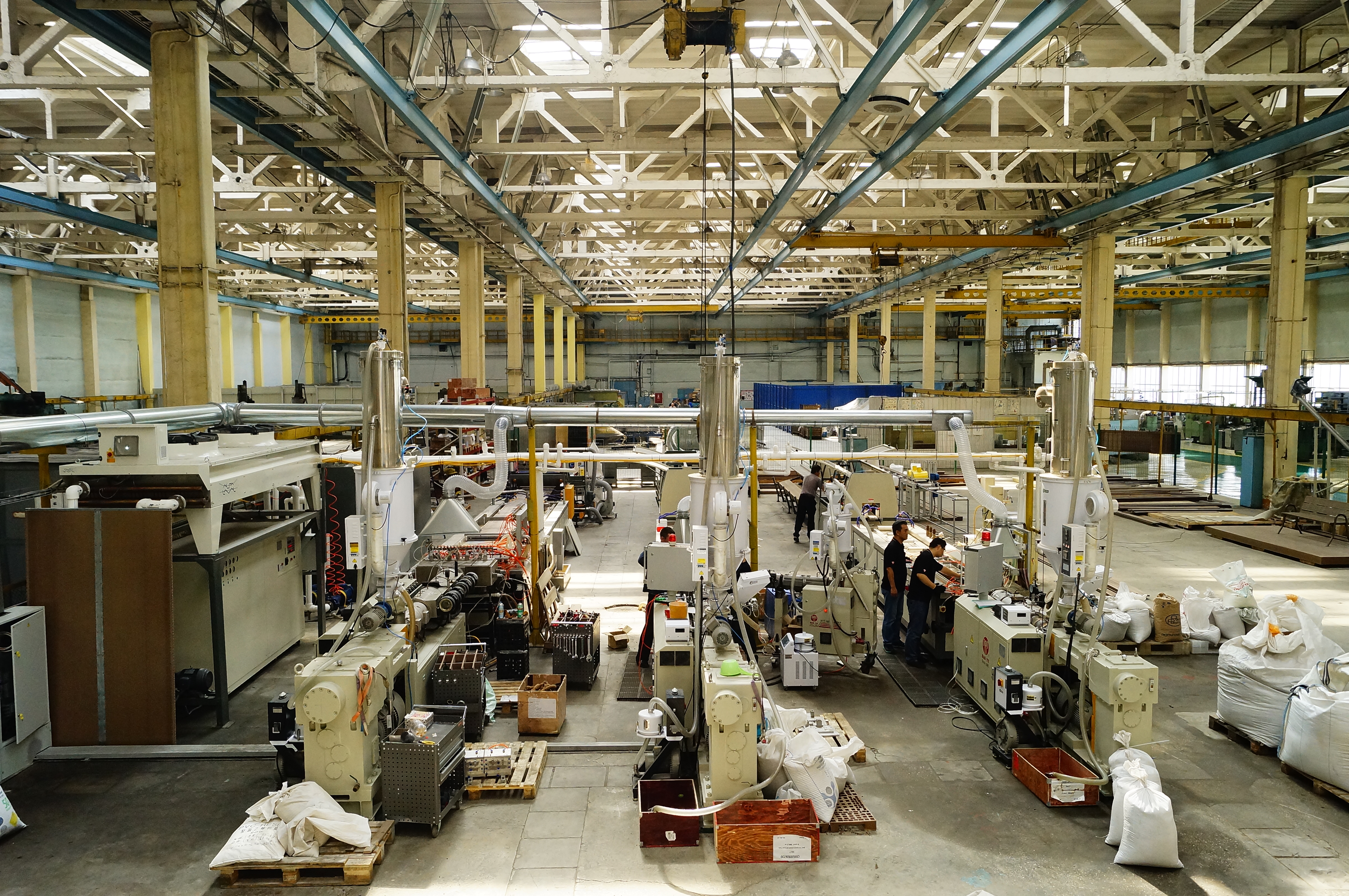
Scaling up the production of TWPCs from laboratory settings to industrial levels is accompanied by its own set of hurdles. Current processing methods involve a series of intricate steps that must be finely controlled to maintain quality consistency. This includes the delignification process to remove chromophores, followed by the controlled infiltration and curing of the polymer. Variations during these stages can lead to inconsistencies in transparency, mechanical properties, and overall performance. The challenge lies in streamlining these processes to enhance throughput while keeping costs at a competitive level. Innovative strategies in reactor design, automation, and in-process monitoring are key research directions aimed at addressing these issues.
Sustainability and Environmental Impact
Although TWPCs boast the use of renewable wood, the sustainability credentials of the composite depend on the polymer selection and the overall production process. Many conventional polymers such as PMMA (Polymethyl methacrylate) and epoxies used in these composites have environmental and health drawbacks, including reliance on fossil-based resources and the potential release of harmful substances. Researchers are exploring bio-based and renewable polymer alternatives which can improve the environmental footprint. Furthermore, the processing techniques themselves need to account for energy consumption and emissions, positioning sustainability as a multidimensional challenge within TWPC research.
Moisture Sensitivity and Durability
Natural wood is inherently hygroscopic, which renders it sensitive to moisture fluctuations. This quality can lead to swelling, shrinkage, and even dimensional instability in TWPCs. Moisture-induced changes can adversely affect both optical performance and mechanical properties over time. Prolonged exposure to humid conditions or rapid moisture cycles may lead to degradation of the composite, resulting in discoloration or micro-cracking. To address these concerns, ongoing research efforts focus on improving moisture resistance through surface treatments, chemical modifications, and the integration of hydrophobic additives.
Thermal Stability and Weather Resistance
Thermal stability is another key parameter that influences the long-term usability of TWPCs. Exposure to high temperatures can induce thermal degradation of the polymer component, while also affecting the wood matrix. This thermal sensitivity poses significant risks in applications where temperature variations are common. Additionally, prolonged outdoor exposure necessitates that the material withstand weathering effects such as UV exposure, rain, and fluctuating temperatures. Enhancements such as UV stabilizers, heat-resistant polymers, or specialized coatings are being researched to mitigate these adverse effects and extend the lifespan of the composites.
Functionalization and Innovation
Beyond the conventional characteristics of transparency and strength, there is a growing interest in imparting additional functionalities to TWPCs. These include properties such as luminescence, electrical conductivity, fire retardancy, and self-cleaning ability. However, integrating these functions without disrupting the balance between optical and mechanical performance adds another layer of complexity. Innovations in nanoparticle integration, surface modifications, and advanced polymer chemistry are critical to achieving successfully functionalized TWPCs while maintaining their primary attributes.
Cost-Effectiveness and Standardization
The economic viability of TWPC technology forms a central challenge for its adoption in broader markets. The composite materials currently face high production costs due to sophisticated processing techniques and expensive materials. Cost reduction strategies focus on improving process efficiencies, reducing energy consumption, and utilizing lower-cost, renewable polymers. Alongside cost considerations, the lack of standardized production protocols and characterization methods further complicates the commercialization processes. Developing industry standards for quality, durability, and performance is imperative for achieving market acceptance and regulatory compliance.
Table of Key Challenges
| Challenge | Description | Implications |
|---|---|---|
| Optical Performance | Refractive index mismatches, light scattering, void formation | Reduced clarity, increased haze, and inconsistent transparency |
| Mechanical Stability | Interfacial bonding issues, impact on wood strength during treatment | Potential for mechanical failure and compromised structural integrity |
| Scalability | Complex manufacturing processes and cost intensive methods | Hinders transition from lab-scale to industrial production |
| Sustainability | Reliance on fossil-based polymers and environmental footprint | Challenges in adopting eco-friendly production practices |
| Moisture Sensitivity | Hygroscopic nature of wood leading to swelling and shrinkage | Affects durability and optical as well as mechanical performance |
| Thermal & Weather Resistance | Vulnerability to temperature fluctuation and UV degradation | Limits applications and reduces long-term performance stability |
| Cost & Standardization | High production costs and lack of uniform protocols | Impairs market acceptance and scaling up processes |
Future Directions and Research Areas
Production Innovations
Future research is likely to target the optimization of manufacturing processes to achieve higher consistency and lower costs. Advancements in automation and process monitoring can help in controlling variables such as polymer curing and moisture content. Furthermore, novel reactor designs and continuous processing methods might play a pivotal role in scaling up production. It is anticipated that collaborative efforts between academic institutions and industry players will accelerate these technological breakthroughs.
Sustainable Material Choices
The drive towards sustainability is pushing researchers to explore alternative bio-based polymers. These alternatives promise to reduce the environmental impact associated with TWPC production. In addition, efforts to recycle and reuse production byproducts may further enhance the environmental credentials of these composites.
Advanced Composite Functionalization
Beyond the core functionalities, personalized modifications to TWPCs aim to introduce features like luminescence and even selective conductivity. As these additional functionalities become integrated without compromising transparency and mechanical performance, TWPCs could find applications in high-tech industries, smart building materials, and flexible electronics. This convergence of traditional material science with advanced nanotechnology provides fertile ground for innovative research.
References
- Optically Transparent Wood: Recent Progress, Opportunities, and Challenges - Wiley
-
Transparent Wood Polymer Composites Challenges - ScienceDirect
- Transparent Wood - USC
- Sustainable Wood Nanotechnologies - Frontiers
- Transparent Wood for Functional Applications - Royal Society
Recommended Queries
Last updated March 21, 2025