
Comprehensive Analysis of the Demand for Transparent Wood Composites
Exploring the Growth, Applications, and Market Dynamics of an Eco-Friendly Material
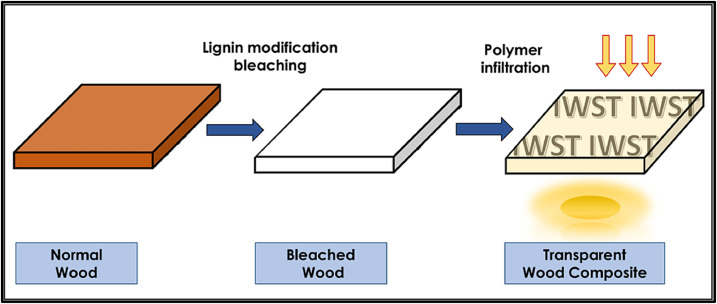
Key Takeaways
- Significant Market Growth: The demand for transparent wood composites is projected to expand substantially, driven by sustainability and innovative applications.
- Diverse Applications: These composites are increasingly utilized across construction, automotive, solar energy, and furniture industries due to their unique properties.
- Challenges and Opportunities: While production costs and water vulnerability pose challenges, ongoing research and increasing environmental mandates offer substantial growth opportunities.
Introduction to Transparent Wood Composites
Transparent wood composites represent a groundbreaking advancement in material science, combining the natural benefits of wood with optical transparency. This innovative material offers a sustainable alternative to traditional materials like glass and plastics, providing a unique set of properties that make it highly attractive across various industries. The increasing emphasis on eco-friendly materials and the desire for materials that offer both aesthetic and functional benefits are primary drivers behind the growing demand for transparent wood composites.
Market Size and Growth Projections
Current Market Landscape
The global market for transparent wood composites has been experiencing robust growth. As of 2025, the market is valued at approximately USD 0.16 billion, with projections indicating a significant increase to USD 0.83 billion by 2033. This growth is underpinned by a compound annual growth rate (CAGR) of 9.2% from 2025 to 2033. The Transparent Wood Composite Panels segment alone is expected to grow from USD 0.5 billion in 2024 to USD 2.3 billion by 2034, reflecting a CAGR of 15.8% over the same period.
Factors Driving Market Expansion
The surge in market demand is primarily fueled by several key factors:
- Environmental Sustainability: As industries strive to reduce their carbon footprints, the preference for renewable and biodegradable materials like transparent wood has intensified.
- Unique Material Properties: The combination of high strength, optical transparency, and thermal insulation makes transparent wood an appealing choice for diverse applications.
- Innovative Applications: The versatility of transparent wood enables its use in various sectors, including construction, automotive, furniture, and solar energy, broadening its market appeal.
- Research and Development: Ongoing advancements in processing techniques and material enhancements are making transparent wood more cost-effective and scalable.
- Government Initiatives: Increased investments in sustainable infrastructure and materials are further boosting market growth.
Applications of Transparent Wood Composites
Construction and Architecture
In the construction sector, transparent wood composites are valued for their aesthetic appeal and energy efficiency. They are increasingly used in:
- Facade elements that allow natural light while providing structural support.
- Windows and interior partitions that combine transparency with insulation properties.
- Residential buildings seeking eco-friendly materials to enhance sustainability.
Automotive Industry
The automotive sector is exploring the use of transparent wood composites for applications such as windshields and interior components. The material's durability, lightweight nature, and light transmission capabilities offer significant advantages over traditional materials like glass.
Solar Energy
Transparent wood composites are being integrated into solar energy solutions due to their ability to transmit light while providing structural stability. Their thermal insulation properties also contribute to the efficiency of solar panels.
Furniture and Consumer Goods
In the furniture industry, transparent wood is used to create visually appealing and sustainable products. Its unique appearance and strength make it suitable for modern design aesthetics.
Packaging and Electronics
Transparent wood composites are finding applications in packaging, offering a biodegradable alternative to plastics. In electronics, their flexibility and transparency are leveraged in innovative device designs.
Market Drivers
Sustainability and Environmental Appeal
The growing global emphasis on sustainability is a significant driver for the demand for transparent wood composites. As industries seek to minimize environmental impact, the biodegradable and renewable nature of transparent wood positions it as a preferred alternative to traditional materials like glass and plastics.
Unique Material Properties
Transparent wood composites offer a unique combination of strength, transparency, and thermal insulation. These properties not only enhance the functional performance of products but also contribute to energy efficiency, making them highly desirable in sectors like construction and automotive.
Innovative Architectural and Design Applications
Architects and designers are increasingly incorporating transparent wood into their projects to achieve both structural integrity and aesthetic appeal. The material's ability to transmit light while providing insulation opens up new possibilities in sustainable architecture and design.
Advancements in Research and Development
Continuous research and development efforts are improving the processing techniques and performance characteristics of transparent wood composites. These advancements are making the material more cost-effective and scalable, facilitating broader market adoption.
Challenges Facing the Market
Production Costs
One of the primary challenges is the relatively high production cost of transparent wood composites compared to traditional materials. Advanced processing techniques and the need for specialized equipment contribute to these costs, potentially limiting widespread adoption.
Water Vulnerability
Transparent wood composites are vulnerable to water damage, which can affect their durability and performance. Addressing this issue through improved treatments and coatings is essential for enhancing the material's longevity and suitability for various applications.
Scalability and Production Efficiency
Scaling up production to meet increasing demand while maintaining quality and cost-effectiveness remains a challenge. Developing efficient manufacturing processes and achieving economies of scale are critical for overcoming this barrier.
Market Awareness and Adoption
Limited market awareness and familiarity with transparent wood composites can slow down adoption rates. Educating end-users, such as architects, designers, and industrial sectors, about the benefits and applications of the material is necessary to drive demand.
Regional Market Insights
North America
North America holds the largest market share for transparent wood composites, driven by advanced research and development activities, strong demand from the construction and automotive sectors, and supportive government initiatives promoting sustainable materials.
Europe
Europe is anticipated to exhibit strong growth in the transparent wood market, fueled by stringent environmental regulations, increasing investments in green building projects, and a rising preference for sustainable consumer goods.
Asia-Pacific
The Asia-Pacific region is emerging as a fast-growing market for transparent wood composites. Rapid industrialization, urbanization, and expanding construction activities contribute to the increasing demand in countries like China, Japan, and India.
Future Outlook and Opportunities
Technological Integration
The integration of transparent wood composites with other technologies, such as energy-efficient coatings and smart glass features, presents significant opportunities for expanding their applications and enhancing their performance.
Sustainability Mandates
As global sustainability mandates become more stringent, the demand for eco-friendly materials like transparent wood composites is expected to rise. This trend is likely to drive further innovation and adoption across various industries.
Customization and Adaptability
Advancements in manufacturing processes allow for greater customization of transparent wood composites to meet specific industry requirements. This adaptability enhances the material's appeal and facilitates its use in diverse applications.
Comparative Analysis of Transparent Wood and Traditional Materials
Property Comparison
| Property | Transparent Wood | Glass | Traditional Wood |
|---|---|---|---|
| Optical Transparency | Up to 90% transparent | 100% transparent | Opaque |
| Mechanical Strength | Superior to traditional wood | High but brittle | Moderate |
| Thermal Insulation | Excellent | Poor | Good |
| Biodegradability | Biodegradable | Non-biodegradable | Biodegradable |
| Environmental Impact | Low carbon footprint | High energy consumption in production | Renewable but often not treated sustainably |
| Durability | Vulnerable to water damage | Highly durable but prone to shattering | Durable but can degrade over time |
Advantages Over Traditional Materials
Transparent wood composites offer several advantages over traditional materials like glass and wood:
-
Enhanced Sustainability: Being biodegradable and renewable, transparent wood has a lower environmental impact compared to glass and plastics.
-
Improved Mechanical Properties: The composite exhibits higher strength and durability than traditional wood, making it suitable for structural applications.
-
Thermal Insulation: Transparent wood provides better thermal insulation than glass, contributing to energy-efficient building designs.
-
Safety: Unlike glass, transparent wood is shatter-resistant, enhancing safety in applications like automotive windshields.
Research and Development Trends
Innovations in Processing Techniques
Advancements in processing techniques are crucial for reducing production costs and enhancing the scalability of transparent wood composites. Innovations such as solvent-based treatments and nanotechnology are being explored to improve the material's properties and manufacturing efficiency.
Enhancing Durability and Water Resistance
Research efforts are focused on improving the water resistance and overall durability of transparent wood composites. Developing protective coatings and hybrid composite structures aims to mitigate the vulnerability to water damage and extend the material's lifespan.
Integration with Smart Technologies
Integrating transparent wood with smart technologies, such as sensors and energy-efficient coatings, opens up new avenues for applications in smart buildings and energy systems. This integration enhances the functionality and adaptability of the material in modern technological contexts.
Economic and Environmental Impact
Economic Benefits
The adoption of transparent wood composites can lead to economic benefits for various sectors. Cost savings can be realized through improved energy efficiency in buildings and reduced material costs over time due to the durability and low maintenance requirements of transparent wood.
Environmental Sustainability
Transparent wood composites contribute to environmental sustainability by reducing reliance on non-renewable resources and lowering carbon emissions associated with traditional material production. Their biodegradability ensures minimal environmental impact at the end of their lifecycle.
Conclusion
The demand for transparent wood composites is experiencing a significant upward trajectory, driven by their sustainable nature, unique material properties, and versatile applications across various industries. While challenges such as production costs and material durability need to be addressed, ongoing research and development, coupled with increasing environmental mandates, present substantial growth opportunities. As development continues and market awareness expands, transparent wood composites are poised to become a mainstream material choice in sustainable construction, automotive, solar energy, and beyond.
References
Last updated February 15, 2025