
Technological Improvements in Transparent Wood Polymer Composites
Unveiling challenges and innovations in TWPC technology
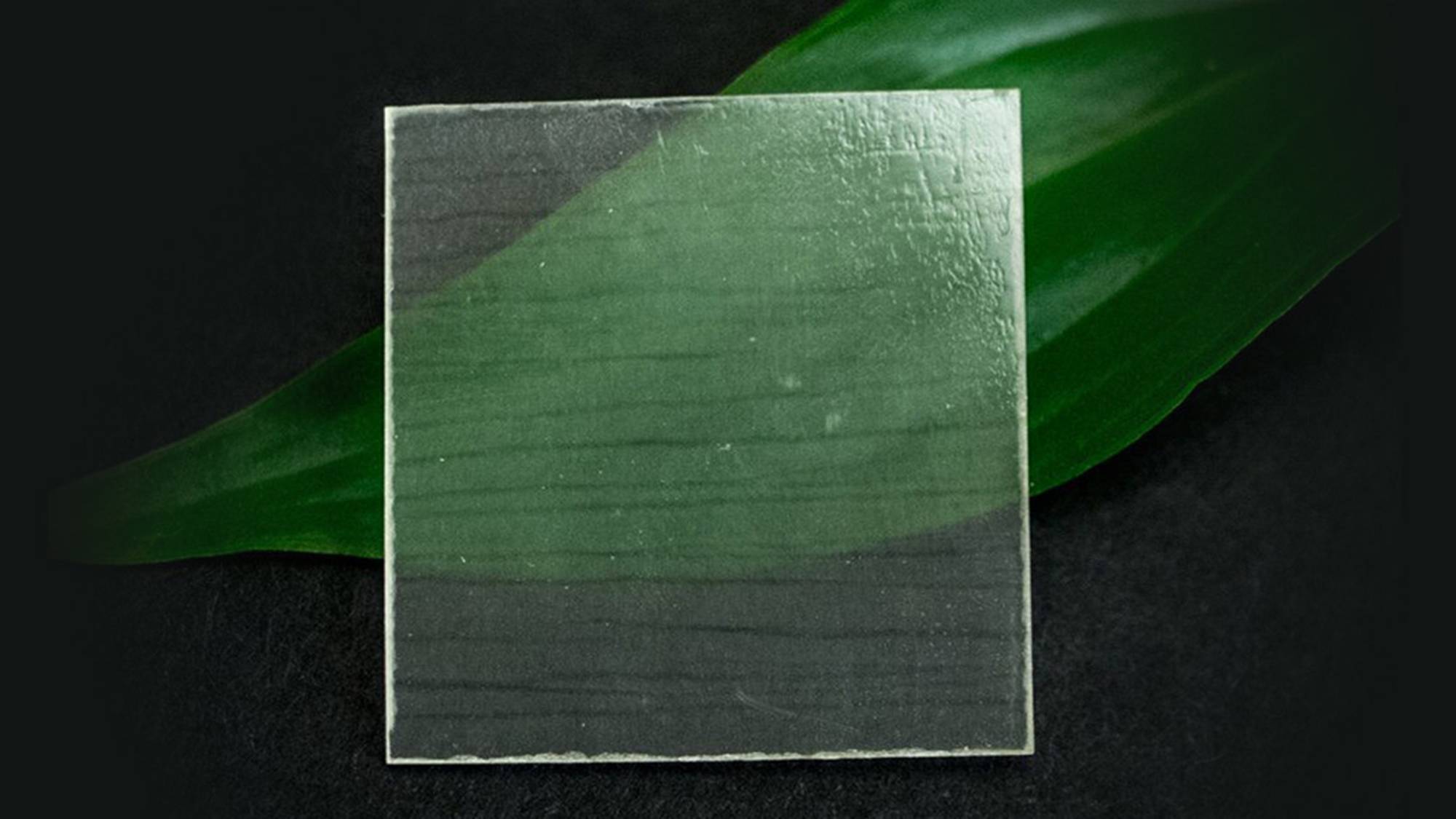
Key Highlights
- Sustainability and Biodegradability: Emphasizing the use of bio-based polymers and renewable methods.
- Mechanical & Optical Optimization: Enhancing strength while balancing transparency, haze, and insulation properties.
- Scalability and Industrial Production: Improving manufacturing processes for cost-effective, large-scale production.
Overview
Transparent wood polymer composites (TWPCs) are emerging as a promising alternative to conventional materials, merging the beneficial properties of wood and polymers to produce a composite material that is both optically transparent and mechanically robust. However, to bring TWPCs to widespread practical use, targeted improvements are necessary. Current research and development efforts focus on several technological challenges including mechanical strength, optical clarity, thermal insulation, durability, scalability, and sustainability.
Detailed Analysis of Improvement Areas
1. Enhancing Mechanical Properties
Challenges in Structural Integrity
The process that transforms wood into a transparent medium typically involves delignification. This chemical removal of lignin, although critical for achieving optical clarity, inherently weakens the natural wood structure. To counteract this, the polymer matrix must not only fill voids left by removed lignin but also contribute significant mechanical reinforcement. Current efforts focus on infiltrating the wood’s cellular structure with polymers that effectively 'glue' the wood fibers together.
Strategies for Improvement
Researchers are exploring advanced polymers with strong adhesion properties that can bind wood cellulose nanofibers to enhance composite rigidity. Some innovative approaches include:
- Developing polymers that exhibit both high tensile strength and flexibility.
- Employing polymer blends where each component targets specific mechanical deficiencies. For instance, combining a high-strength agent with a more ductile polymer can improve durability.
- Utilizing coupling agents such as silane to reduce interfacial tension between the wood substrate and polymer matrix, ensuring a more uniform and robust structure.
2. Optical Properties: Balancing Transparency and Haze
Current Optical Challenges
TWPCs derive their unique optical properties from the interplay between light transmission and scattering within the composite. High transparency is essential for applications that demand clear visibility, such as windows and display screens, whereas a controlled degree of haze can enhance energy efficiency and privacy in architectural uses. The challenge lies in optimizing these conflicting attributes.
Innovative Approaches in Polymer Chemistry
Improvements in optical performance are driven by innovations in polymer chemistry and advanced fabrication techniques. Key development areas include:
- Modifying the chemical composition of the infiltrating polymer to optimize refractive index matching with the wood’s cellular structure.
- Integrating doped nanoparticles which can minimize light scattering and enhance overall transmittance.
- Developing coatings or post-processing treatments that further refine the balance between clarity and diffuseness.
3. Thermal Insulation Enhancement
Thermal Performance Limitations
One distinct advantage of TWPCs over traditional materials like glass is their inherent thermal insulation properties. Still, there is considerable scope for improvement. Current TWPC configurations can be optimized further to reduce heat conduction, which is particularly vital in energy-efficient building applications.
Optimization Techniques
Advances in composite design include:
- The integration of polyvinyl alcohol (PVA) and similar materials known for their excellent insulating properties.
- Research on innovative hybrid materials, such as incorporating phase change materials (PCMs), to introduce thermal energy storage functionalities.
- Adjusting the porosity of the delignified wood to further impede thermal conduction while maintaining transparency.
4. Durability and Environmental Stability
Degradation Under Environmental Stress
For TWPCs to be viable in real-world applications, they must maintain their mechanical and optical properties over long durations even when exposed to harsh environmental conditions. Exposure to moisture, UV radiation, and temperature fluctuations can lead to degradation of both the wood components and the infiltrated polymers.
Improvement Measures
To ensure longevity, the following strategies are under development:
- Incorporation of UV stabilizers and anti-degradation agents to protect the composite from harmful radiation.
- An emphasis on moisture-resistant polymers and surface treatments that prevent water absorption.
- Use of bio-based polymers that are engineered for high resistance to thermal and chemical degradation.
5. Scalability and Industrial Production
Current Manufacturing Challenges
Although laboratory-scale production of TWPCs has shown promising results, scaling these techniques to industrial levels remains challenging. The processes involved—especially the extraction of lignin and subsequent polymer infiltration—are often complex, time-intensive, and costly.
Focus Areas for Process Optimization
To improve scalability, researchers and manufacturers are investigating:
- The development of streamlined manufacturing techniques such as solar-assisted chemical brushing. This method aims to reduce chemical and energy usage during the delignification process.
- Automating certain phases of production to ensure consistency and reduce labor costs.
- Standardizing wood selection and pre-treatment processes to enhance uniformity across different batches.
- Exploring accelerated curing techniques and rapid-processing polymers that can significantly shorten production cycles.
6. Sustainability and Environmental Impact
Challenges in Current Materials
One of the most compelling advantages of using wood—a renewable resource—is the potential for environmentally friendly composite materials. However, the selection of the infiltrating polymers is critical; many current processes still rely on non-biodegradable, petroleum-derived compounds. This reliance detracts from the overall sustainability of TWPCs.
Approaches to Enhance Eco-Friendliness
Future improvements should aim to fully leverage green chemistry principles. Recommended approaches include:
- Incorporating bio-based polymers derived from renewable resources such as citrus peels or limonene acrylate. These materials offer improved biodegradability, aligning with sustainability goals.
- Integrating circular economy strategies where waste materials from one process serve as inputs for another, thereby reducing overall waste and pollution.
- Researching methods to retain certain lignin components that confer natural protection, thereby reducing the need for synthetic additives.
- Low energy processing techniques designed to reduce the carbon footprint of manufacturing, such as using solar-assisted technologies.
Tabulated Summary of Key Improvement Areas
| Area | Challenges | Improvement Approaches |
|---|---|---|
| Mechanical Properties | Weakening from delignification; poor adhesion between wood fibers and polymers |
|
| Optical Properties | Balancing transparency with haze and scattering |
|
| Thermal Insulation | Higher than desired thermal conductivity in some designs |
|
| Durability & Stability | Degradation due to moisture, UV, and temperature fluctuations |
|
| Scalability | Complex, high-cost production methods |
|
| Sustainability | Dependence on non-biodegradable, petroleum-based polymers |
|
Emerging Innovations and Future Directions
A multidisciplinary approach is crucial for the evolution of TWPC technology. Innovations in polymer chemistry, materials science, and process engineering could not only solve existing challenges but also expand the applications of transparent wood composites in fields ranging from sustainable architecture and energy-efficient buildings to novel electronics and automotive components.
Advancements such as thiol–ene thermosets, which facilitate rapid UV-curing, promise more eco-friendly processing options. Similarly, the integration of conductive polymers within TWPCs opens possibilities for advanced sensor technologies and smart materials with stretchable, electronic capabilities. These innovations, combined with improved manufacturing techniques, could eventually lead to TWPCs replacing traditional glass and plastics in several applications, due to their superior mechanical properties and enhanced thermal insulation.
Notably, the commitment to sustainability pushes researchers to minimize dependency on synthetic, non-renewable polymers. Transitioning toward bio-based polymer alternatives has dual benefits: it improves the environmental profile of the composite and potentially enhances biodegradability without sacrificing performance. Enhanced coupling chemistry, more effective delignification, and moisture-controlled processing environments are also part of the evolving narrative to produce a commercially viable material.
References
- Transparent Wood Technology - Environment Energy Leader
- Enhancing Mechanical Properties in TWPC - Springer
- Optimizing Optical Properties - Nature
- Thermal Insulation in TWPC - Knowable Magazine
- Scalability and Production Techniques - Science
Recommended Related Searches
Last updated March 20, 2025