
The Need for Transparent Wood Polymer Composites
Exploring sustainability, strength, and efficient design in modern materials
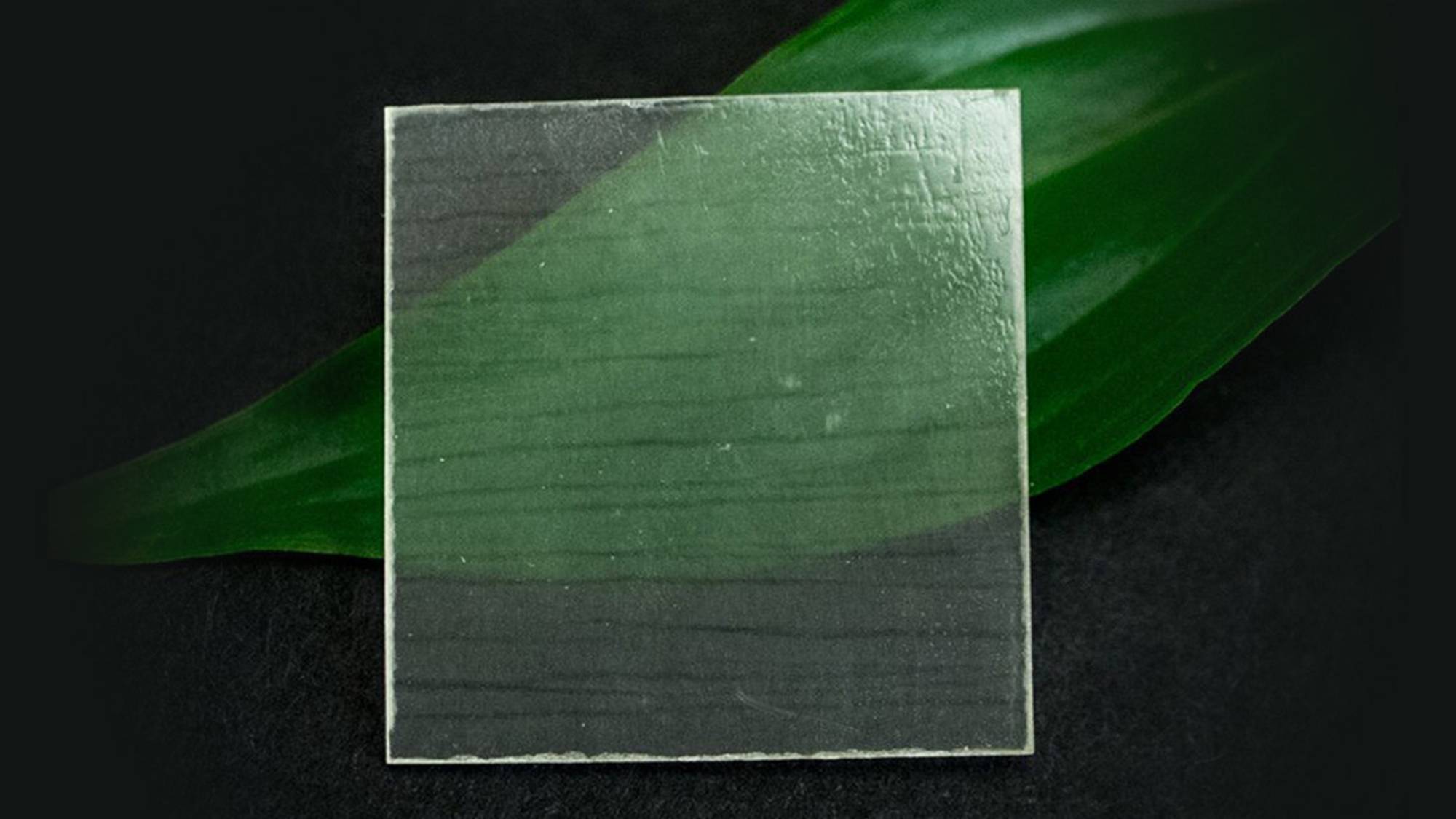
Key Highlights
- Sustainability and Renewable Resources: Transparent wood composites rely on renewable resources and environmentally friendly processing techniques.
- Superior Mechanical and Optical Characteristics: They offer high optical transmittance while possessing superior mechanical strength compared to traditional materials.
- Versatile and Energy-efficient Applications: These composites are ideal for architectural innovations, electronic displays, and energy-saving systems.
Introduction
Transparent wood polymer composites represent a revolutionary advancement in the field of material science. By integrating the natural benefits of wood with the innovative properties of polymer resins, these hybrid materials offer a unique combination of high strength, durability, transparency, and energy efficiency. The need for these composites is driven by the contemporary challenges of urbanization, environmental sustainability, and the demand for energy-efficient construction materials. This response provides an in-depth exploration of the reasons behind the development and utilization of transparent wood composites, with an emphasis on environmental impact, superior physical properties, and versatile applications.
Sustainability and Environmental Benefits
Renewable Materials and Reduced Pollution
One of the foremost advantages of transparent wood polymer composites is their sustainable nature. Traditional materials like glass and synthetic polymers are derived from non-renewable resources and generally involve energy-intensive manufacturing processes. In contrast, these composites are crafted from renewable wood sources. The process involves the removal of lignin – the compound responsible for wood’s color and opacity – followed by the infiltration of a polymer resin into the porous structure of the wood. This process not only preserves much of the inherent strength of wood but also renders the material transparent.
Because the raw materials are naturally renewable, transparent wood composites provide a biodegradable alternative that can help reduce the long-term environmental damage caused by plastics and conventional glass. Moreover, by replacing materials that contribute to high carbon emissions, these composites play a role in advancing circular economy principles and reducing pollution and waste.
Eco-Friendly Processing
Researchers are also exploring greener methods for both lignin removal and polymer synthesis. The potential for using bio-based polymers, such as those derived from citrus peels, further enhances the environmental credentials of these composites. This fully renewable approach minimizes the use of petroleum-based products and underscores the push for materials that are both high performing and ecologically responsible.
Superior Mechanical and Optical Properties
Enhanced Strength and Durability
Transparent wood composites are recognized for their enhanced mechanical properties. When compared to conventional glass and plastics, these materials exhibit high tensile strength and robustness. The inherent fibrous structure of wood, combined with the reinforcing effect of the infiltrated polymer, results in composites that can withstand significant mechanical stress. This makes them particularly useful in applications where structural integrity is non-negotiable, such as in load-bearing elements and architectural components.
Shatterproof Stability
A critical advantage of transparent wood composites is their shatterproof nature. Unlike glass, which is prone to breakage and can create dangerous shards, these composites remain intact under impact. Their resilience is not only beneficial for applications in safety-sensitive areas (like smartphone screens and windows) but also contributes to the longevity and durability of the materials used in infrastructure.
High Optical Transmittance and Energy Efficiency
Another compelling feature of transparent wood polymer composites is their ability to allow significant light transmission – often achieving optical transmittance levels exceeding 90%. This optical clarity makes them an excellent candidate for use in windows, facades, and other architectural designs where natural light is prized. By maximizing the penetration of sunlight while supplementing energy efficiency through thermal insulation, these materials support innovative building designs that can reduce reliance on artificial lighting and improve energy consumption.
In some cases, the improved thermal performance of transparent wood composites is mathematically described using thermal conductivity equations. For instance, assuming a material with thermal conductivity \( \kappa \), and considering the reduction of \( \kappa \) compared to traditional glass, this enhanced insulation effect draws attention to the dual benefits of improved aesthetics and performance. Although the equations are simplified for practical applications, the general principle emphasizes that lower thermal conductivity results in improved energy conservation in building designs.
Versatile Applications Across Industries
Architecture and Construction
Transparent wood composites have sparked significant interest in the architectural sector. Their combined properties of light transmission, mechanical strength, and thermal insulation present an opportunity to rethink traditional building materials. Windows and facades made from transparent wood not only create aesthetically pleasing designs but also contribute to enhanced energy efficiency within buildings. By reducing heat transfer, these composites can lead to a decrease in energy consumption for both heating and cooling.
This innovative material can also be integrated into other building structures, acting as load-bearing components that combine both functionality and form. The potential to create energy-efficient, environmentally friendly buildings makes transparent wood composites a valuable resource in the future of construction technology.
Electronics and Photonics
Beyond the realm of construction, these composites are finding relevance in electronics and photonics. The capability to sustain optical clarity while being mechanically robust makes transparent wood an attractive option for applications such as display screens, optical fibers, and even solar cell substrates. With rising demand for advanced materials in consumer electronics, transparent wood holds promise as a sustainable alternative to conventional plastics and brittle glass components.
Smart Design Integration
In this context, transparent wood composites are also being considered for smart windows and interactive design elements. The materials can be engineered to have tailored properties that match specific requirements regarding light diffusion, mechanical load, and thermal management. This versatility supports the integration of design and function, paving the way for a new era of innovative and sustainable products.
Energy Production and Storage
Additionally, the photo-physical characteristics of transparent wood composites open up applications in energy production and storage. For example, when used in solar cell technologies, the high light transmittance can significantly improve the efficiency of photovoltaic systems. The material’s capacity to modulate energy transfer also contributes to its utility in applications where managing kilowatt-level energy flows and minimizing thermal losses are critical.
Commercial and Economic Considerations
Scalability and Production Challenges
While the benefits of transparent wood composites are numerous, commercial adoption poses some challenges, particularly regarding scalability and cost-effective production. The initial production processes – including the chemical treatment to remove lignin and subsequent infiltration with polymers – can be complex and costly. Researchers are actively addressing these issues by looking into alternative, environmentally friendly production methods that reduce the overall production cost while maintaining the high performance of the final product.
Economies of Scale
As research continues and the technology matures, economies of scale are expected to lower production costs. Strategic investments in sustainable technologies and R&D are pivotal in optimizing synthesis techniques and paving the way for transparent wood composites to reach broader market acceptance.
In addition, efforts to develop bio-based polymers further align the production process with sustainable practices. The transformation of citrus peel-derived polymers, for instance, demonstrates how waste products can be repurposed, thereby reducing dependency on conventional synthetic materials and promoting a circular economy.
Comparison of Traditional vs. Transparent Wood Composites
| Property | Traditional Materials (Glass/Plastic) | Transparent Wood Composites |
|---|---|---|
| Source | Non-renewable, petrochemical-based | Renewable wood and bio-based polymers |
| Mechanical Strength | Glass is brittle; some plastics have lower tensile strength | High tensile strength and durability |
| Optical Transmittance | Clear, but prone to breakage | Up to 90% clarity with improved safety |
| Thermal Insulation | High thermal conductivity (glass); variable in plastics | Low thermal conductivity improves energy efficiency |
| Sustainability | Limited bio-degradability | Eco-friendly and biodegradable |
Future Directions and Research Opportunities
Enhancing Production Processes
The ongoing research is focused on further refining the production process of transparent wood composites in order to reduce costs and improve scalability. Innovations in green chemistry for lignin removal as well as developing efficient infiltration techniques for polymers are at the forefront. With enhanced production processes, there is great potential to expand the applications of these composites into areas that currently rely on more conventional materials.
Expanding Application Spaces
Future research is also set to explore the integration of transparent wood composites into new market segments. Areas for growth include more advanced photonic devices, high-efficiency solar energy harvesting, and integration into smart city infrastructures. Given the dual benefits of ecological sustainability and technical performance, these materials are poised to be a key element in next-generation innovations.
Customization for Specific Needs
The flexibility of transparent wood composites enables customization tailored to specific application needs. By adjusting the polymer infill or modifying the wood treatment process, manufacturers can fine-tune the composite’s optical, mechanical, and thermal properties. This adaptability is critical for addressing the nuanced requirements of various industries, ranging from consumer electronics to high-performance building materials.
Researchers and industry leaders are increasingly focusing on such bespoke solutions. The ability to design materials with particular characteristics not only broadens the range of applications but also provides a competitive edge in markets where performance and sustainability go hand in hand.
References
- Emerging Materials: Transparent Wood Composite - FirstPlanIt
- Transparent Wood Composite - Wikipedia
- Transparent Wood: A Promising Future - The Week
- EurekAlert: Research on Transparent Wood
- Why Scientists Are Making Transparent Wood - Ars Technica
Recommended Queries for Further Exploration
Last updated March 19, 2025