
Unexplored Variables in Trauma Bonding Research
A comprehensive review of understudied factors in trauma bonding worldwide
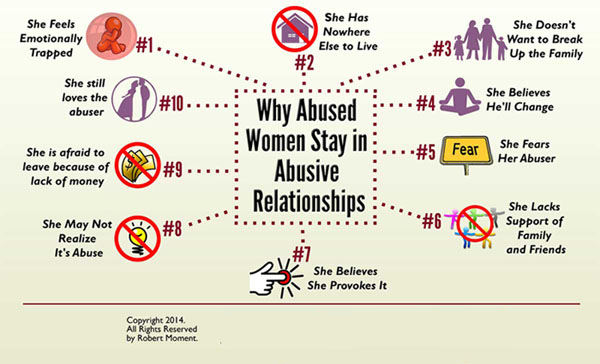
Key Insights
- Cultural and Societal Influences: Many studies are limited to Western-centric contexts, leaving cultural variations underexplored.
- Intersectionality and Diverse Populations: Variables such as race, gender, socioeconomic status, and disabilities intersect with trauma bonding but remain insufficiently examined.
- Digital and Neurobiological Aspects: The roles of digital technology and neurobiology in shaping trauma bonds have significant gaps in research.
Introduction
Trauma bonding is a phenomenon observed in various types of abusive or dysfunctional relationships, where a strong emotional attachment develops between the victim and the perpetrator. Although the concept has been widely studied in contexts such as intimate partner violence, child sexual abuse, and human trafficking, several critical variables have not yet been thoroughly researched. These variables span from individual-level experiences and neurobiological mechanisms to cultural factors and the modern influences of digital technology. Understanding these unexplored domains can provide deeper insights into the complex dynamics of trauma bonds across diverse populations and settings.
Understudied Variables in Trauma Bonding
Childhood Trauma Specificities
Although childhood maltreatment is often cited as a precursor for adult trauma bonding, the specific mechanisms that link different types of early trauma to later bonding experiences require further inquiry. The research has typically lumped all childhood adversities together, without distinguishing between various forms such as emotional neglect, physical abuse, and other maltreatment types. Describing the nuanced impact of each specific experience can lead to better-targeted interventions.
Cultural and Societal Influences
A significant gap in current literature is the limited focus on non-Western cultural contexts. Most trauma bonding studies come from Western countries, leading to a lack of understanding regarding how different societal and cultural norms influence the development, maintenance, and resolution of trauma bonding. Non-Western family structures, community ties, and social norms could create unique forms or experiences of trauma bonds. For example, the dynamics in collectivist cultures may differ substantially from those in individualistic societies, requiring tailored research approaches.
Intersectional Variables
Intersectionality in trauma bonding, which considers variables such as race, gender, sexual orientation, and socioeconomic status, remains insufficiently explored. The interplay of these attributes could significantly shape how individuals experience or overcome trauma bonding. For instance, a person from a marginalized racial background or lower socioeconomic status might face different pressures or support systems compared to their counterparts. Additionally, the intersection with disabilities or chronic illnesses can add layers of complexity to trauma experiences.
Neurobiological Mechanisms
The neurobiological underpinnings of trauma bonding have been partially explored, especially concerning the role of hormones such as oxytocin and stress-related chemicals. However, there is a dearth of research on how these biochemical processes vary across different populations. Understanding the neurobiological basis could involve studying genetic predispositions, brain circuitry, and hormonal responses in diverse cultural and ethnic groups. This multidimensional approach might reveal why certain individuals are more prone to trauma bonding than others.
Digital and Technological Impacts
In today’s digital era, the influence of social media and other forms of digital communication cannot be overlooked. Although studies have touched upon online grooming and digital abuse in contexts such as trafficking, there is limited research on:
- How digital communication platforms contribute to the creation and maintenance of trauma bonds.
- The role of social media in facilitating or mitigating abusive dynamics.
Exploring these questions can help contextualize trauma bonding in modern communication landscapes and address emerging challenges.
Impact on Non-Intimate Relationships
Much of the research on trauma bonding focuses on intimate partner abuse. However, trauma bonds are not confined to romantic relationships; they can also occur in other contexts such as familial ties, sibling relationships, workplace interactions, and even among members of cults or tightly-knit communities. Investigating these non-intimate relationships can shed light on varying dynamics and recovery paths, thereby broadening the scope of trauma bonding research.
Multiple Traumas and Complex PTSD
Another significant gap exists in understanding how trauma bonding interacts with multiple traumatic experiences. Individuals who have suffered combat stress, survivors of natural disasters, or others exposed to varied forms of trauma may exhibit distinct bonding patterns. Moreover, the relationship between trauma bonding and Complex Post-Traumatic Stress Disorder (CPTSD) has not been fully delineated. Differentiating between PTSD types could offer clearer diagnostic and treatment strategies, particularly in cases of multi-dimensional trauma.
Social Support Networks
Social support plays a crucial role in recovery from trauma bonding. Although some research has touched on the buffering effects of supportive relationships, there remains a considerable gap in understanding how different types of social networks (e.g., family, friends, community structures) either mitigate or exacerbate the formation of trauma bonds. Detailed research into social support dynamics could pave the way for innovative intervention and prevention strategies.
Forgiveness, Attachment, and Post-Abuse Emotions
The emotional complexity experienced by victims—such as feelings of affection, longing, or even forgiveness towards their abusers—presents another under-researched variable. These paradoxical emotions often complicate both the process of victim recovery and the long-term psychological impact of trauma bonding. More rigorous studies are needed to unravel these emotional complexities, particularly focusing on the role of romantic attachment and the intent or inclination to return to an abusive relationship post-trauma.
Intervention and Prevention Strategies
While various intervention strategies have been developed to support those caught in trauma bonds, the preventive aspect is notably underexplored. Research primarily centers on therapeutic responses post-abuse rather than proactive measures to inhibit trauma bonding in its early stages. Investigating effective prevention strategies could involve both psychological and educational approaches, which might help in curbing the initial development of trauma bonds before they become deeply entrenched.
Table: Summary of Understudied Variables and Research Gaps
| Variable | Underexplored Aspects |
|---|---|
| Childhood Trauma Specificities | Mechanisms linking distinct types of childhood maltreatment to later trauma bonding. |
| Cultural and Societal Influences | Impact of non-Western cultural norms, family structures, and societal expectations on trauma bonds. |
| Intersectional Variables | Influences of race, gender, socioeconomic status, disabilities, and chronic illnesses on trauma bonding experiences. |
| Neurobiological Mechanisms | Differentiation of brain circuitry, hormonal responses, and genetic predispositions in diverse populations. |
| Digital and Technological Impacts | Effects of social media, online behavior, and digital communication on abuse dynamics. |
| Non-Intimate Relationships | Trauma bonding in familial, workplace, sibling, and cult relationships beyond intimate settings. |
| Multiple Traumas and Complex PTSD | Interactions between multiple trauma exposures and the development of CPTSD in the context of trauma bonds. |
| Social Support Networks | Role and effectiveness of various types of social support systems in mitigating or intensifying trauma bonds. |
| Forgiveness and Emotional Complexity | Paradoxical emotional attachments including forgiveness, longing, and renewed romantic attachment towards the abuser. |
| Intervention and Prevention Strategies | Proactive measures and strategies to prevent the initial formation of trauma bonds. |
Additional Considerations in Trauma Bonding Research
Integration of Variables in Future Studies
The holistic study of trauma bonding would benefit from an integrated approach that simultaneously considers the diverse variables mentioned above. Future research should aim at multi-dimensional studies, wherein factors such as early childhood experiences, cultural nuances, intersectional identity factors, and neurobiological underpinnings are considered in tandem. Such comprehensive studies could facilitate the development of tailored prevention and therapeutic interventions that address the specific needs of varied populations.
Methodological Advancements and Longitudinal Designs
Current research often lacks longitudinal perspectives, making it difficult to understand the evolution of trauma bonds over time. Incorporating longitudinal study designs can aid in tracking the long-term psychological outcomes and behavioral implications of trauma bonding. Additionally, methodological advancements—such as the integration of neuroimaging, psychophysiological measures, and digital behavioral analytics—could provide more granular insights into the phenomenon.
Implications for Intervention and Prevention
The effective translation of research into practice hinges on understanding these understudied variables. By grasping the multifaceted nature of trauma bonding, clinicians and policymakers can design better-targeted interventions focusing not only on treatment once trauma bonds have formed but also on preventive approaches. This could include educational programs, community-based support systems, and technological solutions that increase awareness and early identification of abuse dynamics.
References
- A Traumatology Focus on Trauma Bonding - ResearchGate
-
Trauma Bonding Study - ScienceDirect
- Traumatic Bonding Overview - Encyclopedia.com
- Dissertation on Intimate Partner Abuse - Walden University ScholarWorks
-
Social Support and Bonding Analysis - PMC
Recommended Related Queries
Last updated March 17, 2025