
Unlocking the Secrets Behind Trending SEO and Societal Moments
Explore comprehensive strategies to track trends and refine your digital approach
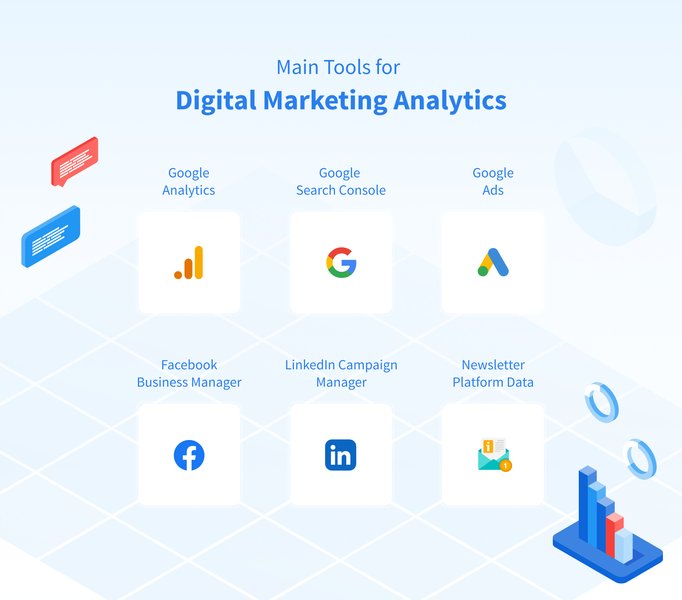
Key Highlights
- Social Media Monitoring: Platforms like Twitter, TikTok, and Reddit offer real-time insights into emerging trends.
- Utilizing Analytical Tools: Leverage tools such as Google Trends, Semrush.Trends, and Exploding Topics for deeper insights.
- Industry and Niche Specific Analysis: Tailor your approach by analyzing content gaps and focusing on niche trends.
Understanding the Concept of "Trending Seomtimes"
Discovering what's trending involves understanding both broadly popular topics and niche areas of interest such as SEO, online marketing, and occasionally, specific cultural moments. Often, these trending elements include pivotal keywords (like "sometimes" that can relate to broader emerging discussions) and the nuances of digital trends that shape our content strategy. By systematically evaluating various sources—including social media and specialized trend analysis tools—you can decode the evolving digital landscape and harness its potential.
The Multi-Pronged Strategy
To find trending topics and understand what we refer to as "seomtimes" (a blend of SEO activity and sometimes cultural pivot points), one should consider the following multi-pronged approach:
1. Harness Social Media Channels
Trends are often born on social media platforms, where discussions and interests shift rapidly. Here’s how to monitor these effectively:
- Twitter: Use Twitter Trends and the Explore tab to check what hashtags and topics are currently popular in your region or globally.
- TikTok & Instagram: Browse the "For You" or "Discover" pages to identify viral content and emerging challenges.
- Reddit & Forums: Subreddits relevant to your niche, like r/SEO, r/digitalmarketing, or industry-specific threads, provide direct insights from community discussions.
- Facebook: Although less instantaneous, Facebook’s trending sections and dedicated groups can offer context and detailed discussions on emerging trends.
2. Employ Advanced Trend Analysis Tools
Several digital tools allow you to track the rise and fall of trends efficiently:
- Google Trends: Analyze search interest globally, choose relevant time frames, and refine by region or category. This helps uncover underlying SEO trends as well as related cultural phenomena.
- Semrush.Trends: Focus on SEO topics and competitor strategies. This tool provides analytic insights into keywords, search volumes, and emerging topics, making it essential for SEO content planning.
- Exploding Topics: Monitor a regularly updated list of trending topics that are likely to grow in importance over time. This source is invaluable for spotting up-and-coming trends before they become mainstream.
- Hashtag Analytics Tools: Tools like Hashtagify and RiteTag track hashtag performance, providing granular insights into trends on platforms like Twitter and Instagram.
3. Dive into Industry-Specific Analyses
By narrowing your focus to specific industries, you can effectively tailor your trend-search strategy. Consider the following approaches:
- Content Gap Analysis: Search for topics with high user demand but limited available information. This approach allows creators to fill unique niches.
- Competitor Analysis: Use tools such as Semrush to see which topics are attracting your competition’s audience and identify where content opportunities exist.
- Niche Platforms and Reports: For example, in retail, refer to industry reports from Deloitte and Trend Hunter; in digital marketing, follow HubSpot reports and Inbound Marketer analyses.
Visualizing Trend Dynamics with a Radar Chart
The following radar chart presents an opinionated analysis of various factors that influence trending topics. These factors—derived from social media activity, search engine analytics, marketplace shifts, content engagement, and industry reports—can be dynamically combined to understand the overall trend momentum.
Case Studies & Practical Examples
Building on the strategies outlined above, this section presents a detailed analysis using a table format to illustrate practical steps, tools, and outcomes. This table combines insights from several of our diverse sources, providing a clear visual guide to selecting approaches for finding trending topics.
| Step | Description | Tools/Resources | Outcome |
|---|---|---|---|
| Social Media Monitoring | Analyze hashtags, trending posts and user discussions across platforms. | Twitter Trends, TikTok Discover, Reddit | Real-time awareness of trending topics |
| Trend Analysis Tools | Filter and analyze search data and online discussions. | Google Trends, Semrush.Trends, Exploding Topics | Data-driven insights into rising trends |
| Industry-Specific Analysis | Identify gaps and competitor strategies in niche markets. | Semrush, Trend Hunter, Industry Reports | Strategies to create differentiated and relevant content |
| Hashtag & Content Analytics | Evaluate hashtag performance and popular content topics. | Hashtagify, RiteTag, Social Media Analytics | Improved content alignment with viewer interests |
| Engage in Online Communities | Monitor forums and discussion boards for grassroots trends. | Reddit threads (e.g., r/popheads), Quora discussions | Discovery of niche trends and genuine user sentiment |
Expanding Your Visual Resources
To further complement your understanding, here are two images that capture the essence of trend monitoring in digital media:


Multimedia Insights Through Video
Below is an embedded Youtube video that delves into how to identify trending topics on YouTube. This video combines practical strategies with expert insights, making it an ideal resource for content creators looking to stay ahead.
In-Depth FAQ Section
References
- 10 Social Media Trends - Sprout Social
- 12 Major Social Media Trends - Coursera
- TREND HUNTER: Insights and AI-powered trend reports
- How To Respond To Current Marketing Trends - Inbound Marketer
- Digital Marketing Trends - Huble
- Retail Trends 2025 - Deloitte UK
- Google Trends
Recommended Further Readings

Last updated April 3, 2025