
Ranking of Donald Trump's 2025 Administration Cabinet Picks
Analyzing Senate Confirmation Prospects from Most to Least Likely
Key Takeaways
- Experienced Nominees Lead: Candidates with established political backgrounds and bipartisan appeal are poised for successful confirmations.
- Controversial Picks Face Hurdles: Nominees with contentious histories or polarizing views are likely to encounter significant opposition.
- Historical Milestones: Some appointments mark noteworthy firsts, potentially influencing confirmation dynamics and support.
Introduction
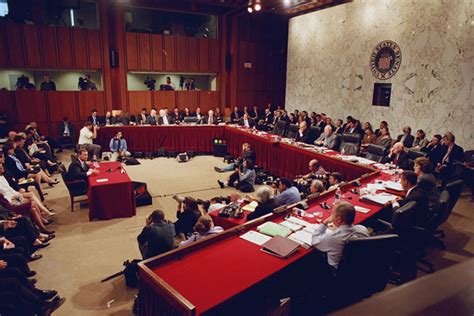
The confirmation of cabinet nominees is a pivotal step in the formation of any administration, shaping the policy direction and governance style of the executive branch. As Donald Trump prepares his 2025 administration, the Senate confirmation hearings for his cabinet picks are underway, determining which nominees will officially join the executive team. This comprehensive analysis ranks Trump's cabinet nominees from the most to the least likely to secure Senate confirmation, considering factors such as qualifications, bipartisan support, political controversies, and the current Senate dynamics.
Comprehensive Ranking of Trump’s Cabinet Picks
| Rank | Nominee | Position | Confirmation Likelihood | Key Factors |
|---|---|---|---|---|
| 1 | Marco Rubio | Secretary of State | Highly Likely | Strong bipartisan support, extensive foreign policy experience, respected reputation. |
| 2 | Scott Bessent | Treasury Secretary | Likely | Financial expertise, first openly LGBTQ Republican cabinet member, moderate appeal. |
| 3 | Pam Bondi | Attorney General | Likely | Solid performance in hearings, minimal opposition despite past conflicts of interest. |
| 4 | Lee Zeldin | Administrator of the Environmental Protection Agency | Possible | Republican support, less controversial stance on environmental policies. |
| 5 | Pete Hegseth | Defense Secretary | Possible | Support from key Republican senators, faces scrutiny over past controversies. |
| 6 | Russell Vought | Director of the Office of Management and Budget | Challenging | Association with controversial policies, significant Democratic opposition. |
| 7 | Tulsi Gabbard | Director of National Intelligence | Unlikely | Polarizing foreign policy views, skepticism from both parties. |
| 8 | Chris Wright | Secretary of Energy | Unlikely | Criticism from environmentalists, partisan divides. |
| 9 | Robert F. Kennedy Jr. | Secretary of Health and Human Services | Highly Unlikely | Controversial views on vaccines, bipartisan resistance. |
1. Marco Rubio – Secretary of State
Marco Rubio emerges as the frontrunner for the Secretary of State position, boasting a robust political resume and commendable foreign policy expertise. His tenure as a senator, coupled with his active role on the Foreign Relations Committee, has cemented his reputation as a capable diplomat. Rubio's bipartisan appeal is significant, garnering respect across party lines, which bodes well for his confirmation prospects. His diplomatic initiatives, particularly in Latin America, align closely with the administration's foreign policy objectives, further strengthening his candidacy.
2. Scott Bessent – Treasury Secretary
Scott Bessent is a strong contender for the Treasury Secretary role, bringing substantial financial acumen to the table. His transparent approach to divesting assets to mitigate conflicts of interest has been well-received, showcasing his commitment to ethical governance. Notably, Bessent's nomination is historic, as he stands to become the first openly LGBTQ Republican cabinet member, potentially broadening the administration's appeal among moderate and diverse voter bases. His bipartisan support, including positive signals from Democratic leaders, enhances his likelihood of confirmation.
3. Pam Bondi – Attorney General
Pam Bondi's nomination for Attorney General is underpinned by her extensive legal experience and her performance during Senate Judiciary Committee hearings. Her clear articulation of policy positions and legal strategies has resonated well with both Republican and some Democratic senators. While concerns regarding potential conflicts of interest from her past legal work have been raised, her transparent handling of these issues is expected to mitigate major opposition, positioning her as a likely candidate for confirmation.
4. Lee Zeldin – Administrator of the Environmental Protection Agency
Lee Zeldin's nomination for the EPA Administrator is perceived as less contentious, supported by his background as a former congressman with a focus on environmental policies. His ability to garner sufficient Republican support, combined with a less controversial stance on environmental issues compared to other nominees, increases his chances of confirmation. Zeldin's policy proposals, which emphasize balanced environmental regulation and economic considerations, are poised to gain favorable reviews during confirmation hearings.
5. Pete Hegseth – Defense Secretary
Pete Hegseth faces a more challenging path to confirmation due to past controversies, including allegations of misconduct and inflammatory statements. Despite this, his strong backing from key Republican senators bolsters his chances. Hegseth's commitment to national security and defense aligns with the administration's priorities, potentially swaying undecided senators. However, the lingering concerns from opposing factions may result in a closely contested confirmation process.
6. Russell Vought – Director of the Office of Management and Budget
Russell Vought's nomination as the Director of the OMB is marred by his association with the Project 2025 blueprint, which has been a source of contention among Democrats. His involvement in drafting policies that are viewed as controversial adds to the skepticism surrounding his confirmation. While Republicans rally behind his nomination, significant Democratic opposition is anticipated, making his confirmation process notably contentious.
7. Tulsi Gabbard – Director of National Intelligence
Tulsi Gabbard's nomination for Director of National Intelligence is met with substantial hurdles due to her previously declared affiliation shift from the Democratic Party to aligning with Trump. Her foreign policy positions, which sometimes diverge from mainstream intelligence community perspectives, raise concerns about her suitability for the role. Both Democratic legislators and moderate Republicans express reservations, projecting an uphill battle for her confirmation.
8. Chris Wright – Secretary of Energy
Chris Wright's bid to become Secretary of Energy is challenged by his deep ties to the energy sector, attracting criticism from environmentalists and Democrats who question his commitment to sustainable energy policies. The partisan divide on energy strategies intensifies the scrutiny during confirmation hearings, diminishing his prospects across party lines. Wright's defense of traditional energy industries may not resonate with the Senate's increasing emphasis on renewable energy initiatives.
9. Robert F. Kennedy Jr. – Secretary of Health and Human Services
Robert F. Kennedy Jr.'s nomination for Secretary of Health and Human Services stands as the most formidable in the confirmation hierarchy. His well-documented skepticism towards vaccines and public health initiatives has sparked widespread opposition, extending beyond partisan lines. The bipartisan resistance, fueled by public health experts and moderates alike, casts significant doubt on his ability to secure the necessary Senate votes, rendering his confirmation highly unlikely.
Factors Influencing Confirmation Prospects
Bipartisan Support
Nominees who can cultivate support from both Republican and Democratic senators navigate the confirmation process more smoothly. Marco Rubio exemplifies this trait, with his established relationships across the aisle enhancing his approval chances. Bipartisan support not only eases the passage through committee hearings but also minimizes the likelihood of prolonged partisan conflicts during full Senate votes.
Controversial Backgrounds
Individuals with controversial pasts or polarizing policy positions tend to encounter more significant obstacles during confirmations. Russell Vought and Robert F. Kennedy Jr. are prime examples, where their previous actions and public stances have raised red flags among opponents. Such controversies necessitate extensive scrutiny, often resulting in heightened opposition and reduced confirmation odds.
Historical Significance and Milestones
Nominees who represent historical milestones can influence the dynamics of confirmation hearings. Scott Bessent, poised to be the first openly LGBTQ Republican cabinet member, introduces a progressive element that may both garner widespread acclaim and attract focused opposition. The historical nature of such appointments can sway public opinion and, by extension, Senate perspectives, affecting the overall confirmation climate.
Senate Composition and Dynamics
The current composition of the Senate plays a crucial role in the confirmation outcomes. With a Republican majority (53-47) as of January 2025, nominees favored by the GOP leadership have an advantage. However, the extent of intra-party unity and the Senate's openness to bipartisan appointments can significantly impact the confirmation trajectory of various nominees. Strategic appointments that appeal to moderates and independents may navigate smoother confirmations despite the partisan divide.
Public Opinion and Media Scrutiny
Public sentiment and media portrayal are influential factors in the confirmation process. Nominees who maintain favorable public images and demonstrate transparency tend to fare better, as positive public opinion can exert pressure on Senate members to support confirmations. Conversely, nominees embroiled in negative media attention or public controversies may face increased opposition, complicating their confirmation prospects.
Detailed Nominee Profiles and Confirmation Assessments
Marco Rubio – Secretary of State
Marco Rubio's extensive experience in foreign affairs, including his tenure on the Senate Foreign Relations Committee, positions him as a highly credible candidate for Secretary of State. His proactive engagement in international diplomacy and well-regarded policy initiatives have earned him respect across the Senate. Rubio's ability to articulate clear foreign policy strategies and his track record of bipartisan cooperation reinforce his strong confirmation prospects.
Scott Bessent – Treasury Secretary
Scott Bessent brings a robust background in financial management and economic policy to the Treasury Secretary role. His prior experience in the financial sector, coupled with his commitment to ethical governance through asset divestment, has garnered bipartisan support. Bessent's nomination not only represents a strategic financial appointment but also marks a significant milestone for LGBTQ representation within the Republican cabinet, potentially broadening his appeal and smoothing his path to confirmation.
Pam Bondi – Attorney General
Pam Bondi's legal expertise and prior experience as Florida's Attorney General provide a solid foundation for her nomination to the Department of Justice. Her performance during Senate Judiciary Committee hearings showcased her legal acumen and policy clarity, mitigating concerns over potential conflicts of interest. Bondi's ability to navigate complex legal frameworks and her commitment to upholding law and order align well with the administration's objectives, positioning her as a likely candidate for confirmation.
Lee Zeldin – Administrator of the Environmental Protection Agency
Lee Zeldin's nomination for the EPA Administrator is underpinned by his legislative background and policy experience. His pragmatic approach to environmental regulation, balancing economic considerations with sustainable practices, appeals to a broad spectrum of senators. Zeldin's relatively low controversy level in environmental policy discussions and his capacity to foster bipartisan dialogue enhance his chances of securing Senate approval.
Pete Hegseth – Defense Secretary
Pete Hegseth's extensive military experience and commitment to national security are key attributes supporting his nomination for Defense Secretary. However, past controversies, including allegations of misconduct and divisive public statements, present significant obstacles. While strong backing from influential Republican senators provides a foundation for his confirmation, ongoing scrutiny and opposition from Democrats may result in a contentious and closely contested confirmation process.
Russell Vought – Director of the Office of Management and Budget
Russell Vought's role in drafting the Project 2025 blueprint positions him as a knowledgeable candidate for the OMB Director role. Nonetheless, his association with controversial policies and initiatives has attracted substantial Democratic opposition. Vought's deep involvement in administration planning may appeal to Republican senators, but the polarized reception is likely to make his confirmation process challenging and prolonged.
Tulsi Gabbard – Director of National Intelligence
Tulsi Gabbard's transition from Democratic affiliations to aligning with Trump's administration introduces complexities into her nomination for Director of National Intelligence. Her foreign policy perspectives, which sometimes diverge from mainstream intelligence community views, raise concerns about her ability to lead effectively in a highly sensitive role. Both Democratic opposition and skepticism from some Republicans signify a steep confirmation hurdle.
Chris Wright – Secretary of Energy
Chris Wright's deep roots in the energy sector bring industry-specific expertise to the Secretary of Energy position. However, his ties to traditional energy industries and perceived reluctance towards renewable energy advancements attract criticism from environmentalists and progressive senators. The partisan divide on energy policy likely intensifies scrutiny during confirmation hearings, reducing his chances of unanimous or broad-based support.
Robert F. Kennedy Jr. – Secretary of Health and Human Services
Robert F. Kennedy Jr.'s nomination for HHS Secretary is fraught with significant challenges, primarily due to his controversial stance on vaccines and public health measures. His views, which are at odds with established scientific consensus, have ignited bipartisan concerns about his suitability to lead the department responsible for national health policies. The pervasive opposition from both Democratic legislators and moderate Republicans renders his confirmation prospects bleak.
Conclusion
The confirmation of Donald Trump's 2025 cabinet nominees presents a diverse landscape of prospects, influenced by a combination of individual qualifications, political dynamics, and broader administrative goals. Nominees like Marco Rubio and Scott Bessent, with their strong bipartisan support and relevant expertise, are well-positioned to secure Senate approval, thereby reinforcing the administration's strategic objectives in foreign policy and financial management. In contrast, individuals such as Russell Vought and Robert F. Kennedy Jr. face formidable opposition due to their associations with controversial policies and divisive public stances, respectively. The interplay between Senate majority control, nominee backgrounds, and the overarching political climate will ultimately determine the composition of Trump's cabinet, shaping the trajectory of the upcoming administration's policy initiatives and governance efficacy.
References
Last updated January 16, 2025