
Televised Trump Rallies Before the 2025 RNC
A comprehensive look at the televised Trump rally coverage leading up to the 2025 Republican National Convention
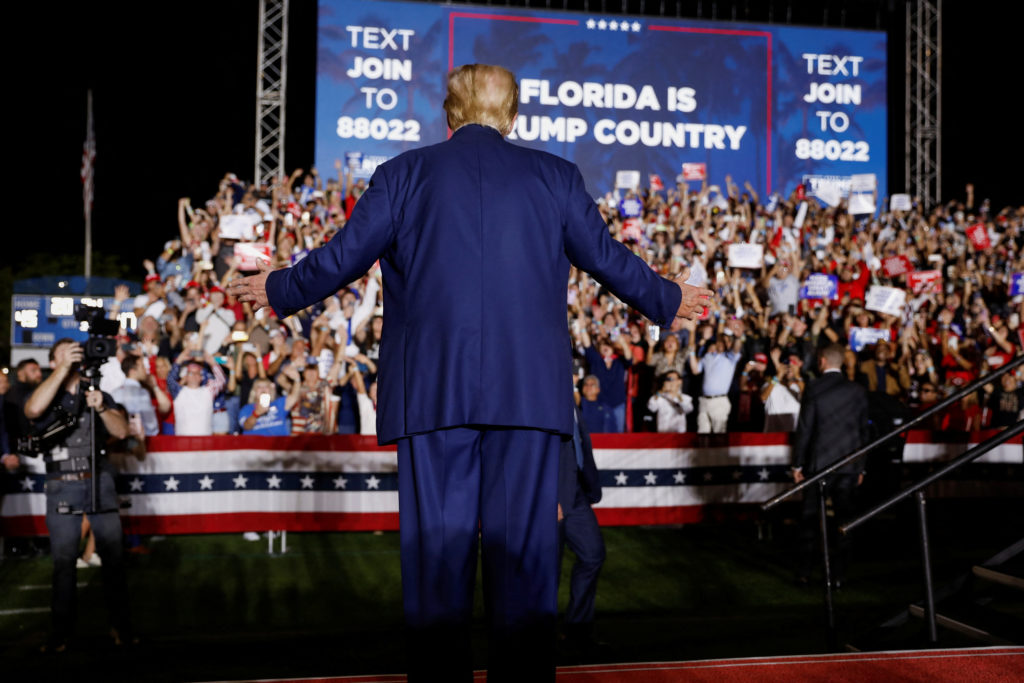
Highlights
- Multiple Networks and Streaming Platforms – Coverage spanned traditional television as well as online streaming platforms.
- Key Rallies in Prominent Locations – Rallies in locations such as Charlotte, Grand Rapids, and Pennsylvania featured prominently.
- Extensive Media Integration – The rallies were not only individually broadcast but were integrated into major news programming and live updates.
Overview of Televised Rallies
The televised coverage of Trump rallies leading up to the 2025 Republican National Convention (RNC) has been extensive. While there is an abundance of evidence that Trump held numerous rallies during his ongoing campaign activities, a precise count of the televised events is not readily available in the current data. This is due to the fact that the coverage spanned multiple platforms – traditional TV networks as well as online streaming services – and the information appears fragmented within publicly available reports.
Various media outlets captured live broadcasts of these rallies well before the convention. Networks such as CNN, Fox News, MSNBC, CBS News, ABC News, and NBC News were part of the comprehensive media mix that provided immediate and detailed coverage. In addition, alternative platforms like Fox Nation, DirecTV Stream, Fubo, and Rumble played a significant role in catering to a large online audience, ensuring that many rallies were accessible via live streams.
Significant Details and Notable Events
Coverage Across Multiple Venues
Trump’s campaign rallies were distributed across different venues and dates, making the tracking of the total count of televised rallies challenging. Nonetheless, several high-profile events are well documented:
Key Locations and Dates
For example, one notable rally was held in Charlotte, North Carolina on July 24, 2024, which was explicitly advertised with live streaming details. Beyond Charlotte, reports indicate that Trump held rallies in several other key states including Michigan and Pennsylvania. These events were significant not only for their political impact but also because certain rallies were pivotal moments in his campaign narrative, especially following events such as the controversial incident in Pennsylvania involving an assassination attempt.
Moreover, the rally in Grand Rapids, Michigan reportedly drew significant attention due to its timing around political milestones. Such events were frequently the subject of live coverage on national television and were integrated into broader news packages and special political programming.
Integrated News Coverage and Analysis
In addition to simple live streaming, these rallies were often embedded into continuously updated news bulletins. Political analysts and experts provided pre- and post-rally analysis, highlighting the significance of these events in the broader context of Trump’s ongoing political journey. This media coverage was not limited to the rallies themselves but extended into follow-up commentary and roundtable discussions on platforms like PBS, NBC, and various cable news networks.
Media Platforms and Their Role
Television Networks as Major Broadcasters
Traditional news channels played a critical role in broadcasting Trump’s rallies live. Networks such as CNN, Fox News, and NBC ensured that these high-energy events reached millions of viewers nationwide. The live broadcasts were not only about the rally speeches but also featured panels, live interviews, and reaction segments. These channels invested considerable resources in covering the events comprehensively, which underscored their importance in the political calendar leading up to the 2025 RNC.
Streaming Platforms and Digital Reach
In the digital age, many American political events have seamlessly transitioned to online streaming services. Platforms like Fox Nation, DirecTV Stream, Fubo, and Rumble provided robust digital coverage. These services allowed viewers to watch events live on various devices, ensuring that a broader, sometimes younger, demographic had access to the events. The convergence of traditional broadcast networks with digital platforms extended the reach of these rallies, making it difficult to ascertain an exact number solely based on print or broadcast media.
The considerable overlap between traditional and digital media meant that many rallies received simultaneous coverage on multiple platforms. This redundancy reinforces the idea that the rallies were not only broadcast widely but also catered to the growing demand for real-time political engagement.
A Closer Look Through a Comparative Table
The table below consolidates the key details regarding the televised coverage of Trump rallies prior to the 2025 RNC:
| Detail | Information |
|---|---|
| Coverage Medium | Television Networks (e.g., CNN, Fox News, MSNBC, etc.) and Online Streaming Platforms (e.g., Fox Nation, DirecTV Stream, Fubo, Rumble) |
| Key Locations | Charlotte, North Carolina; Grand Rapids, Michigan; Pennsylvania; and other significant venues |
| Broadcast Elements | Live rallies, post-event analysis, integrated news bulletins |
| Notable Events | Rally in Charlotte on July 24, 2024; major events in Pennsylvania and Michigan; post-assassination attempt coverage |
| Viewership | Varied by event, with viewership spikes near crucial political milestones |
| Result | Multiple televised rallies were held, though an exact count is not available due to the diverse and overlapping nature of coverage. |
Why an Exact Count is Challenging
Fragmented Reporting Across Multiple Outlets
One of the primary challenges in determining an exact number of televised Trump rallies is the fragmented nature of how these events were reported and disseminated. Different media outlets covered different events with some overlap in coverage. For instance, while one network might cover a rally in its entirety, another might offer only segments or highlights as part of a larger news broadcast. Online platforms, on the other hand, may provide more granular coverage with multiple feeds and updates, further complicating the task of aggregating data into one definitive count.
Overlap between Traditional and Digital Media
A significant factor behind the difficulty in pinning down a precise number is the overlap between traditional broadcast and online streaming. Many rallies were simultaneously available on television and through digital streams. This overlap means that even if a rally was counted once on one platform, it may have been rebroadcast or segmented for digital audiences, leading to confusion in tallying the actual number of distinct television events.
Rapid News Cycles and Live Updates
In contemporary political coverage, events are sometimes broken into multiple segments or updates to keep pace with rapidly evolving news cycles. This means that what was originally a single rally might be fragmented into multiple live updates, briefings, or follow-up interviews. As such, counting these as separate televised events could lead to an inflated figure that does not truly reflect individual campaign events.
It is also important to note that media archives often aggregate these events under broader summaries of campaign activities rather than listing them individually. Consequently, while many indicators point to multiple rallies being televised, the specific quantification is subject to interpretation based on sources and the nature of coverage.
Synthesis of Available Data
Based on the available information from multiple sources, it is evident that numerous Trump rallies were televised live. The coverage was comprehensive and spanned a broad spectrum of media outlets. However, despite the widespread documentation of these events, none of the sources provide a definitive count of the exact number of live televised rallies before the 2025 RNC convention.
In summary, while the detailed records show that several high-profile rallies were broadcast live – including those in Charlotte, Michigan, Pennsylvania, and possibly other key venues – an exact numerical figure remains elusive. This is primarily because of the following reasons:
- Multiple broadcasting channels and streaming platforms were involved in the coverage.
- The segmented nature of live event reporting across traditional and digital media.
- The rapid news cycles that inadvertently divided a single event into multiple broadcast segments.
Therefore, if one seeks an exact number, the current data does not offer a straightforward answer. Rather than presenting a single integer, the evidence points towards a trend of frequent, highly publicized and live-televised rallies, which were integral to Trump’s campaign narrative leading up to the 2025 convention.
Additional Insights and Extended Coverage Analysis
Impact of Media Integration on Political Events
The approach to live coverage of political rallies has evolved significantly over the past decade, and the case of Trump’s rallies reflects this trend well. The multifaceted coverage ensured that these gatherings were not only watched live but also frequently discussed in-depth during later segments. This level of media integration reinforces the importance of these events in setting the political agenda.
In modern campaign strategies, combining traditional broadcast with digital live streaming allows for a higher level of viewer engagement. Events that might have previously been confined to scheduled news broadcasts now have the added benefit of immediate online commentary, real-time social media integration, and interactive audience participation. While these innovations have expanded the reach and significance of televised rallies, they have also added layers of complexity when attempting to count or categorize each occurrence as a discrete event.
Regional Variations in Coverage
Another significant factor is the regional variation in media coverage. Areas that are considered strongholds or battleground regions often receive more intensive coverage, with local outlets sometimes spotlighting rallies that otherwise might have been underreported in national summaries. In regions where local political dynamics are particularly active, there might be several live televised segments that reflect both local interest and national political trends.
This geographical variability plays a role in how the televised events are processed and recorded in broader media archives. In summary, while a definitive count remains unavailable, the overall picture painted by multiple sources is one of extensive, multi-channeled live coverage that reflects the dynamic and decentralized nature of current political media.
Extended Data on Media Coverage
The comprehensive approach to covering Trump’s campaign rallies before the 2025 Republican National Convention demonstrates both the scale and the diversity of media coverage available to the public. As previously mentioned, the rallies were widely publicized on major networks and through multiple streaming services. The following table offers a detailed breakdown of the key elements of this extensive media coverage:
| Aspect | Details |
|---|---|
| Networks Involved | CNN, Fox News, MSNBC, CBS News, ABC News, NBC News |
| Online Platforms | Fox Nation, DirecTV Stream, Fubo, Rumble |
| Key Events | Charlotte Rally (July 24, 2024), Grand Rapids, Michigan event, Pennsylvania rally (notable for post-assassination attempt coverage) |
| Content Integration | Live coverage, pre- and post-event analysis, real-time digital streaming, integrated social media updates |
| Coverage Challenges | Operational overlaps between multiple platforms, fragmentation of media cycles, regional segmentation |
This extended data emphasizes that while the exact tally of televised rallies is not clearly documented, the scale of coverage highlights their prominence in the lead-up to the 2025 Republican National Convention.
References
- USA TODAY - USA Today
- PBS - PBS NewsHour
- Rolling Stone - Rolling Stone
- US Presidential Election News - US Presidential Election News
- The New York Times - The New York Times
Recommended Related Queries
Last updated March 20, 2025