
Will Trump Save TikTok?
A Comprehensive Analysis of Potential Interventions and Challenges
Key Takeaways
- Executive Action: Trump is likely to use executive orders to delay or modify the TikTok ban.
- Ownership Restructuring: Proposals include partial U.S. ownership or sale to American companies.
- Legal and Political Hurdles: Overcoming Supreme Court decisions and bipartisan opposition remains challenging.
Introduction
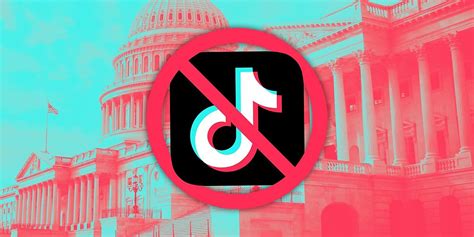
The future of TikTok in the United States has been a subject of intense debate and speculation, particularly with the transition of presidential administrations. As of January 19, 2025, TikTok has been banned in the U.S. due to national security and data privacy concerns. However, President-elect Donald Trump has signaled his intention to intervene and potentially save the platform from the federal ban. This comprehensive analysis explores the likelihood of Trump succeeding in this endeavor, the strategies he might employ, and the obstacles he may face.
Understanding the TikTok Ban
Background and Rationale
The TikTok ban in the United States was primarily driven by concerns over data privacy and national security. As a platform owned by ByteDance, a Chinese company, TikTok was scrutinized for its data collection practices and potential susceptibility to influence by the Chinese government. The U.S. Supreme Court upheld the ban, making it a legally enforceable measure.
Legal Foundations
The ban was enacted through federal legislation aimed at restricting Chinese technology firms from operating within the U.S. The Supreme Court's decision to uphold the ban solidified its legal standing, posing significant challenges for any future attempts to reverse or modify the prohibition without legislative amendments.
Trump's Intentions and Possible Actions
Public Statements and Commitments
President-elect Donald Trump has publicly declared his intention to "save TikTok," reflecting a commitment to reinstating the platform for its millions of U.S. users. This stance aligns with his administration's broader attitude towards Chinese technology companies and reflects a potential shift in the handling of international tech relations.
Executive Orders and Extensions
One of the primary strategies Trump is expected to employ is the issuance of executive orders aimed at delaying the enforcement of the TikTok ban. Reports indicate that Trump might consider granting a 90-day extension, providing ByteDance and U.S. regulators additional time to negotiate terms that could allow TikTok to remain operational in the country.
Ownership Restructuring Proposals
Trump has floated the idea of restructuring TikTok's ownership as a means to comply with U.S. regulations. Proposed solutions include:
-
Establishing a joint venture with a significant percentage of U.S. ownership.
-
Mandating the sale of TikTok to reputable American companies such as Oracle or Walmart.
These measures aim to reduce the perceived national security risks by ensuring that TikTok's data is managed under U.S. jurisdiction.
Challenges and Obstacles
Legal Constraints
Overturning the ban will face substantial legal hurdles. Since the ban was upheld by the Supreme Court, any attempt to reverse it would likely require new legislation or a reinterpretation of existing laws. The use of executive orders alone may not suffice to nullify the congressional mandate behind the ban.
Bipartisan Opposition
The move to save TikTok is not universally supported within U.S. politics. Many Republican lawmakers support the ban's continuation due to ongoing national security concerns, and bipartisan support for restrictions on Chinese technology firms remains strong. This political landscape makes it difficult for Trump to rally sufficient support for reversing the ban.
ByteDance's Stance
ByteDance, TikTok's parent company, has so far resisted demands to sell its U.S. operations. The company is likely aware of the complex regulatory environment and potential national security implications, making it hesitant to agree to any restructuring that might satisfy U.S. authorities.
Geopolitical Tensions
The broader geopolitical tensions between the U.S. and China add another layer of complexity. Any attempt to save TikTok must navigate these tensions carefully to avoid exacerbating conflicts or being perceived as yielding to Chinese influence.
Potential Scenarios
Scenario 1: Temporary Reprieve with Conditional Terms
Trump could secure a temporary reprieve for TikTok by issuing an executive order that delays the ban for 90 days. This would allow ByteDance to negotiate terms that could involve partial U.S. ownership or sell-off to an American company. However, this scenario depends on ByteDance's willingness to comply and on Trump's ability to align political support.
Scenario 2: Legislative Advocacy
Another approach might involve advocating for new legislation that provides a framework for TikTok's operation in the U.S. This would require navigating the legislative process and building a coalition that may not currently exist, given the bipartisan support for the ban.
Scenario 3: Permanent Ban Enforcement
If attempts to save TikTok fail, the platform may remain banned indefinitely in the U.S. This would result in a significant loss of the platform's user base in the country and could push TikTok to seek alternative strategies to regain its market presence.
Implications for Users and the Tech Industry
Impact on TikTok Users
The potential continuation of TikTok in the U.S. is crucial for its 100+ million users who rely on the platform for entertainment, social connections, and even business. A prolonged ban could erode user trust and drive them towards alternative platforms, diminishing TikTok's influence.
Precedent for Other Chinese Tech Firms
The outcome of TikTok’s fate could set a precedent for other Chinese-owned technology companies operating in the U.S. A successful restructuring could open doors for other firms, while failure might reinforce strict regulatory stances on foreign tech entities.
U.S. Tech Industry Dynamics
The U.S. tech industry watches closely, as the handling of TikTok may influence future regulations and the balance between fostering innovation and ensuring national security. Success in maintaining TikTok could encourage more nuanced approaches to foreign tech companies, while failure could lead to more stringent controls.
Conclusion
Recap of Findings
President-elect Donald Trump has expressed a clear intent to save TikTok from the federally imposed ban in the United States. While various strategies such as executive orders, ownership restructuring, and collaborative negotiations with ByteDance are on the table, significant legal, political, and geopolitical challenges stand in the way. The Supreme Court's upholding of the ban, bipartisan opposition, and ByteDance's resistance to selling U.S. operations are formidable obstacles that may limit the effectiveness of Trump's efforts.
Future Outlook
The future of TikTok in the U.S. remains uncertain. Should Trump successfully navigate the aforementioned challenges, TikTok could see a temporary or even permanent revival under new terms that address national security concerns. Conversely, failure to save the platform would solidify its ban, prompting TikTok to explore alternative markets and strategies to sustain its global presence. The situation underscores the complex interplay between technology, politics, and international relations in the digital age.
References
Last updated January 19, 2025