
Effects of Trump's Second Term as President
A comprehensive analysis of democratic, domestic, and foreign policy impacts
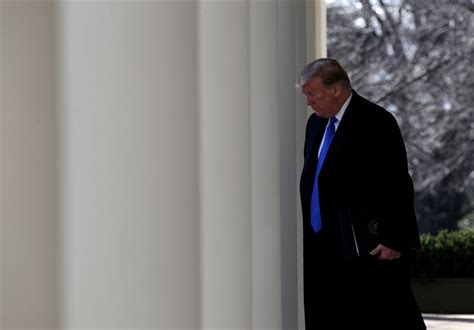
Key Takeaways
- Democracy in Decline: Trump's second term is likely to erode democratic norms and institutions.
- Intensified Domestic Polarization: Increased political divisions and aggressive policy shifts.
- Shift to Unilateral Foreign Policy: Strained international alliances and focus on "America First".
1. Level of Democracy: Decreasing
Erosion of Democratic Norms
Donald Trump's second term is anticipated to significantly weaken democratic institutions and norms in the United States. Experts warn of potential power grabs, such as purging professional bureaucrats and expanding the Supreme Court, which could undermine the checks and balances essential for a healthy democracy (Vox). This trend, often referred to as "democratic backsliding," involves the erosion of institutional safeguards and the concentration of power within the executive branch (The Conversation).
Authoritarian Tendencies
Trump's administration is expected to exhibit authoritarian tendencies by targeting political opponents and the media, further undermining the rule of law and democratic accountability (Vox). The potential pardoning of January 6th defendants raises concerns about diminishing the justice system's role in maintaining democratic integrity (MSUToday).
Concentration of Executive Power
Trump is likely to expand the role of the executive branch, challenging long-standing checks and balances. His approach may include using executive authority more aggressively in policy discussions and internal governance, which can lead to a less transparent and accountable government (MSUToday).
2. Domestic Political Effects
Increased Political Polarization
Trump's presidency is expected to further intensify political polarization within the United States. The administration's policies and rhetoric have historically deepened divisions between political factions, exacerbating tensions within Congress and among the general populace (Carnegie Endowment). This heightened polarization may hinder legislative processes and contribute to societal instability (Carnegie Endowment).
Aggressive Immigration Policies
Trump is poised to implement stringent immigration policies, including the largest domestic deportation operation in American history (CNN). These measures are expected to cause significant social and economic disruptions, as well as heighten tensions surrounding immigration and refugee issues (Financial Times).
Economic Policies and Deregulation
The administration is likely to focus on deregulation, reducing taxes, and reshoring manufacturing industries. While these policies may benefit certain business sectors, they are also anticipated to widen wealth inequality and increase the national debt due to extensive tax cuts for high-income households (Financial Times). Additionally, regulatory rollbacks could lead to adverse effects on public health and environmental standards (The Conversation).
Judiciary Shifts
Trump's second term is expected to result in the appointment of more conservative judges to the federal courts, solidifying a right-wing judicial philosophy that could influence the legal landscape for decades (Financial Times).
3. Foreign Political Effects
Shift to Unilateral "America First" Policy
Under Trump's leadership, U.S. foreign policy is expected to adopt a more unilateral "America First" stance, prioritizing national interests over multinational agreements and alliances (BHFS). This approach may lead to the withdrawal from or renegotiation of international treaties, diminishing the U.S.'s role in global governance (Foreign Affairs).
Strained International Alliances
Trump's skepticism towards traditional alliances, particularly with NATO members, is expected to persist, potentially straining relationships with long-standing partners and reducing collective security commitments (Brookings). This strain may push allies towards seeking greater strategic autonomy, thereby weakening U.S. influence globally (Brookings).
Hostile Stance Towards China
China is anticipated to remain the central strategic rival in Trump's foreign policy agenda. The administration may impose further restrictions on scientific and technological exchanges, engage in trade wars, and bolster military presence in the Indo-Pacific region to counter China's growing influence (Brookings). This focus could escalate tensions and lead to a more competitive and confrontational relationship between the two superpowers.
Relations with Authoritarian Regimes
Trump's administration might foster closer ties with authoritarian leaders, potentially destabilizing diplomatic balances and encouraging the proliferation of autocratic governance models globally (AP News). This shift could undermine efforts to promote democracy and human rights internationally.
Withdrawal from Climate Agreements
The Trump administration is likely to continue its withdrawal from international climate agreements, including the Paris Climate Accords, which would diminish U.S. influence in global environmental initiatives and hinder collaborative efforts to address climate change (Stimson Center). This move could isolate the U.S. and reduce its leadership role in combating global environmental challenges.
Conclusion
Donald Trump's second term as President is projected to have profound and multifaceted impacts on the United States and its role in the world. Domestically, the erosion of democratic norms, increased political polarization, and aggressive policy shifts could undermine the foundational values of American democracy and societal cohesion. Economically, policies favoring deregulation and tax cuts for the wealthy may exacerbate wealth inequality and expand the national debt, while vigorous immigration enforcement could lead to significant social disruptions.
On the foreign policy front, the administration's "America First" approach is expected to strain traditional alliances, particularly with NATO, and pivot the U.S. towards a more unilateral and transactional international stance. The persistent focus on countering China, coupled with potential withdrawals from multilateral agreements, may isolate the U.S. and weaken its influence in global governance. Additionally, fostering closer ties with authoritarian regimes could destabilize international diplomatic balances and hinder global democratic movements.
Overall, Trump's second term is likely to shift the United States towards a more inward-focused and authoritarian governance model, with significant repercussions for both domestic stability and international relations. These changes may hinder the country's ability to address complex global challenges collaboratively and could lead to a diminished standing on the world stage.
Last updated January 10, 2025