
Securing Secrets: DNI Tulsi Gabbard's Offensive Against Intelligence Leaks
An in-depth look at the actions taken to combat politically motivated disclosures undermining national security efforts.
Highlights
- Investigation Launched: Director of National Intelligence Tulsi Gabbard initiated comprehensive investigations into what she termed "politically motivated leaks" originating from within the U.S. intelligence community.
- DOJ Referrals: Several individuals within the intelligence community have been referred to the Department of Justice (DOJ) for potential criminal prosecution over allegations of leaking classified information.
- Protecting National Security: These actions underscore a commitment to safeguarding sensitive intelligence, depoliticizing the intelligence apparatus, and supporting the administration's national security objectives.
Investigating "Politically Motivated" Leaks
Upon assuming the role of Director of National Intelligence (DNI) under the Trump administration, Tulsi Gabbard swiftly moved to address concerns regarding unauthorized disclosures of sensitive information. Citing a need to protect national security and the integrity of intelligence operations, Gabbard launched targeted investigations into leaks she characterized as politically motivated and specifically aimed at undermining the administration's policies and personnel.
Defining the Threat
A Challenge to Security and Governance
Gabbard publicly framed these leaks not merely as breaches of protocol but as significant threats to U.S. national security. She articulated that unauthorized disclosures could jeopardize American lives, compromise intelligence sources and methods, and disrupt the effective functioning of government. The focus was placed on leaks perceived as intentional efforts from within the intelligence apparatus – sometimes referred to using terms like "deep-state actors" – to obstruct or discredit the administration's agenda, particularly its efforts related to national defense and security.
Scope of the Probe
The investigations ordered by DNI Gabbard were broad, examining leaks to various news organizations, including prominent outlets like NBC News, The Washington Post, and HuffPost. The probe aimed to identify the sources of specific leaks that revealed classified details about internal deliberations, military planning, and sensitive communications. This represented a fulfillment of the administration's promises to pursue vigorously those responsible for leaks concerning national security matters.
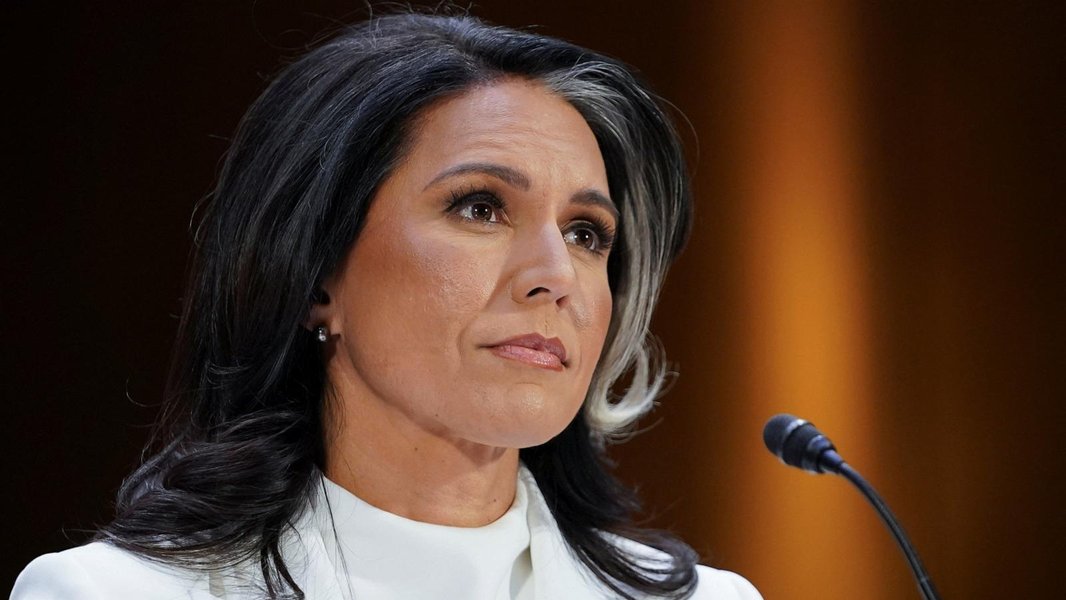
Director of National Intelligence Tulsi Gabbard addressing concerns during governmental proceedings.
Taking Decisive Action: Crackdown and Referrals
Beyond investigations, DNI Gabbard announced a formal crackdown on leaks, signaling a zero-tolerance policy for unauthorized disclosures. This involved concrete steps to hold individuals accountable and implement preventative measures.
Referrals to the Department of Justice
Seeking Criminal Prosecution
A key component of the crackdown involved referring specific cases to the Department of Justice for criminal investigation and potential prosecution. Reports indicate that Gabbard referred at least two intelligence community professionals to the DOJ, alleging they selectively leaked classified information to the media with the intent to undermine President Trump and his policies. Gabbard mentioned that a third referral was also being prepared. In public statements, she sometimes referred to such individuals as "deep-state criminals," emphasizing the perceived severity and intentionality of their actions.
Public Condemnation and Internal Mechanisms
Setting a Tone of Accountability
Gabbard publicly condemned the leaks and the alleged improper conduct by some intelligence personnel, stating a need to "clean house" within the intelligence community. To facilitate internal reporting and identify misconduct, the Office of the Director of National Intelligence (ODNI) under her leadership established a whistleblower hotline. This mechanism was intended to encourage individuals within the community to report waste, fraud, abuse, and, significantly, unauthorized disclosures of classified information, reinforcing the administration's commitment to stopping leaks from within.
Focus Areas of the Crackdown
The crackdown initiated by DNI Gabbard targeted various aspects of intelligence handling and communication. The following chart provides a visual representation of the perceived emphasis placed on different facets of this initiative, based on public statements and reported actions.
This chart illustrates the strong emphasis on aggressively pursuing leaks perceived as politically motivated and the significant reliance on legal channels via DOJ referrals. While internal reforms like the whistleblower hotline were implemented, the public transparency surrounding the specifics of the investigations remained moderate, as expected with sensitive intelligence matters.
Examples of Leaked Information Sparking Concern
The crackdown was fueled by several high-profile instances of leaks that drew public attention and raised security alarms within the administration. These included:
- Sensitive Communications: Leaks reportedly exposed contents of private communications among high-level officials, such as group chats on encrypted platforms like Signal. These discussions allegedly involved sensitive topics, including military timings and strategic planning (sometimes referred to as the "Signalgate" controversy).
- Military Operations Details: Unauthorized disclosures concerning ongoing or planned U.S. military operations, such as details about strikes in Yemen, were cited by Gabbard as particularly egregious examples of leaks that could endanger personnel and compromise mission success by potentially alerting adversaries.
- Classified Intelligence Reports: Leaks of classified intelligence assessments or findings to media outlets were a core focus, seen as undermining the confidentiality essential for effective intelligence gathering and analysis.
Visualizing the Response Strategy
The following mindmap outlines the key components of DNI Gabbard's strategy in addressing the intelligence leaks:
(At least 2 individuals)"] id1d["Whistleblower Hotline Established"] id1e["Public Condemnation
('Clean House')"] id2["Characterization of Leaks"] id2a["Politically Motivated"] id2b["Undermining Trump Admin / Policies"] id2c["National Security Threat"] id2d["Involving 'Deep-State' Actors"] id3["Examples of Leaked Info"] id3a["Classified Intelligence"] id3b["Sensitive Communications
(e.g., Signal Chats)"] id3c["Military Operation Details
(e.g., Yemen Strikes)"] id3d["Leaks to Specific Media Outlets
(WaPo, NBC, HuffPost)"] id4["Stated Goals"] id4a["Protect National Security"] id4b["Safeguard Intelligence Integrity"] id4c["Depoliticize Intelligence Community"] id4d["Ensure Accountability / Prosecute Leakers"] id4e["Support Administration's Efforts"]
This mindmap highlights the multifaceted approach taken, combining investigative measures, legal actions, internal reforms, and public messaging to combat the perceived threat from unauthorized disclosures.
Rationale: Protecting Security and Depoliticizing Intelligence
The driving force behind DNI Gabbard's actions, as articulated in statements and reports, centered on two primary objectives: safeguarding national security and ensuring the intelligence community operates without political bias.
Safeguarding Operations and Personnel
Gabbard emphasized that leaks of classified information directly endanger U.S. interests, potentially exposing sensitive operations, intelligence sources, and military personnel to unnecessary risk. By pursuing leakers, the administration aimed to deter future disclosures that could compromise ongoing and future national security efforts.
Countering Politicization
A consistent theme was the need to depoliticize the intelligence community. Gabbard stressed that intelligence should be objective, unbiased, and delivered in a timely manner to policymakers. The crackdown on leaks, particularly those deemed politically motivated, was presented as a necessary step to restore trust and ensure the IC serves national interests rather than partisan agendas. This aligned with President Trump's stated desire to prevent political bias from influencing intelligence work.
Key Initiatives Summarized
The table below summarizes the core components of the response orchestrated by DNI Gabbard:
| Action / Initiative | Description | Stated Purpose |
|---|---|---|
| Investigations | Formal probes into specific leaks and leaking activities within the IC. | Identify sources of unauthorized disclosures, particularly politically motivated ones. |
| DOJ Referrals | Referring individuals suspected of leaking classified information to the Department of Justice. | Seek criminal investigation and prosecution for illegal leaks. |
| Crackdown Measures | A broad effort encompassing investigations, referrals, and policy enforcement. | Establish a zero-tolerance policy and deter future leaks. |
| Whistleblower Hotline | An internal mechanism for reporting misconduct, including leaks. | Encourage internal reporting and identify issues proactively; support "cleaning house". |
| Public Statements | Condemning leaks, highlighting threats, and announcing actions via official channels and media. | Communicate the seriousness of the issue and the administration's response. |
Perspectives on the Leak Crackdown
Understanding the context and motivations behind the crackdown on intelligence leaks is crucial. The following video features DNI Tulsi Gabbard discussing the efforts and rationale for addressing these unauthorized disclosures.
DNI Tulsi Gabbard discusses the motivations and actions taken regarding intelligence leaks.
In interviews like this, Gabbard elaborated on the perceived political motivations behind certain leaks and outlined the steps being taken by her office and in coordination with the Department of Justice to investigate and prosecute offenders. These appearances aimed to reinforce the message that leaks undermining the administration and national security would be pursued aggressively.
Frequently Asked Questions (FAQ)
Recommended
- What is the legal process for prosecuting government leaks of classified information?
- Explore the history of leak investigations within the US intelligence community.
- How does the Office of the Director of National Intelligence handle whistleblower reports?
- Analyze the relationship between the Trump administration and the intelligence community regarding leaks.
References
Last updated May 3, 2025