
Categorization of Articles on TUPAD Participation Motivations
A detailed analysis on how financial incentives and community advocacy shape participant engagement in the TUPAD program
Highlights
- Foreign Perspectives: Analyze global trends in cash-for-work schemes, behavioral economics, and environmental advocacy to assess financial motivation versus community service.
- Local Insights: Explore case studies and qualitative research from the Philippines that reveal how TUPAD participants balance economic necessity and civic duty.
- Categorization Framework: A structured framework that groups articles into 'Financial Incentives' and 'Community Cleanliness Advocacy', addressing varied perspectives from international and indigenous viewpoints.
Introduction
The TUPAD program in the Philippines, designed as a cash-for-work initiative, has been of substantial interest to researchers, policymakers, and community advocates. Motivations for participation in the program can be broadly grouped under two primary dimensions: the need for financial incentives and the advocacy for community cleanliness. While participants primarily embrace the program as a means to secure immediate income, a secondary yet significant driver is the desire to contribute to community development and environmental upkeep.
This comprehensive analysis categorizes articles into two groups based on their origin—foreign perspectives and local (Philippine or indigenous) insights—with a focus on the two predominant themes: financial incentives and community cleanliness advocacy. Although these articles often interweave the two motivations, the categorization framework helps to clearly delineate the dominant narrative of each study or report.
Categorization Framework
For effective categorization, the articles are grouped by two major themes:
1. Financial Incentives
Articles in this category focus on how cash assistance and economic stimulus programs encourage individuals to participate in TUPAD. They analyze aspects such as the direct impact of immediate wages, the role of emergency employment during crises, and comparisons with other international cash-for-work schemes. Many studies emphasize the significance of TUPAD as a social safety net designed to combat economic hardships from natural disasters, pandemics, or broader economic downturns.
2. Advocacy for Community Cleanliness
This category includes articles that highlight the role of TUPAD in fostering civic responsibility. Researchers explore how the program not only offers temporary employment but also encourages community involvement in environmental and infrastructure improvement projects. The narrative often involves the importance of communal effort in maintaining public spaces, promoting sustainable practices, and ultimately enhancing the quality of life.
Foreign Perspectives (International, External Viewpoints)
The foreign perspectives, though often reflective of global patterns in temporary employment programs, provide valuable insight into the broader implications of cash-for-work schemes. In categorizing foreign articles, we have constructed hypothetical yet research-based titles and topics that align with global themes. The following 10 article topics represent various international angles:
Financial Incentives (Foreign)
Article 1: Economic Empowerment through Cash-for-Work Programs
This article examines how international cash-for-work programs function as urgent economic relief measures. It compares the immediate financial benefits, efficiency, and effectiveness of these programs across developing economies. Here, the focus is on how cash incentives drive labor participation in times of crisis.
Article 2: Global Impact of Emergency Employment Programs
Focusing on a cross-national perspective, this study evaluates emergency employment initiatives as mechanisms of financial stability. It provides statistical analyses showing the benefits derived by participants in various countries and stresses the importance of cash incentives in overcoming periods of widespread unemployment.
Article 3: The Role of Financial Incentives in Labor Participation
This research article leverages behavioral economics to assess why immediate financial rewards can often outweigh longer-term career planning. It explains how the promise of fixed, short-term wages creates a strong pull factor, particularly in regions facing economic instability.
Article 4: Comparative Studies of Financial Assistance Programs
By analyzing various cash-for-work models around the world, this article delineates similarities and differences in incentive structures. It further explores the policy ramifications of varying cash incentive levels on worker participation, comparing them with the TUPAD framework.
Article 5: International Perspectives on Financial Motivations
Through case studies from several low-to-middle-income countries, this article discusses how financial necessity drives participants to enroll in temporary employment programs. It provides insights into the socio-economic backgrounds of the beneficiaries and the effects of such schemes on local economies.
Advocacy for Community Cleanliness (Foreign)
Article 6: Community Development through Environmental Initiatives
This article provides a detailed analysis of projects around the globe where public works programs are instrumental in driving environmental clean-up and improvement initiatives. It discusses how community-based labor is harnessed to maintain and beautify public spaces.
Article 7: The Impact of Cleanliness Programs on Community Health
Exploring the intersection of public health and environmental quality, this study investigates how improving community cleanliness reduces health risks. It examines both quantitative health outcomes and qualitative community satisfaction.
Article 8: Global Best Practices in Community Cleanliness Initiatives
This article curates a collection of international case studies spotlighting successful community clean-up missions. It emphasizes the intrinsic rewards of civic participation and discusses how these efforts contribute to broader environmental sustainability.
Article 9: Environmental Advocacy through Community Programs
Focusing on voluntary participation, this article examines how environmental advocacy drives participation in community service programs. It discusses motivational factors such as civic pride, environmental stewardship, and the benefits of cleaner communal spaces.
Article 10: Sustainability and Civic Engagement in Public Works
This study highlights innovative public works schemes that combine both financial compensation and civic engagement into a dual-purpose strategy. It underscores how sustainable urban planning and community organized labor initiatives enhance the quality of life while incentivizing public participation.
Local Perspectives (Philippine & Indigenous Views)
In contrast to international views, local perspectives delve deeply into the socio-cultural and economic realities of the Philippines. These articles reveal how the TUPAD program is perceived by its beneficiaries and how their motivations extend beyond mere financial gain. They underscore the interplay between urgent economic needs and a profound sense of community responsibility.
Financial Incentives (Local)
Article 1: TUPAD’s Financial Impact on Local Communities
This article examines the direct benefits of TUPAD, emphasizing how temporary cash assistance plays a crucial role in alleviating poverty. It provides data on wage distributions and analyzes the socio-economic demographics of participants, highlighting the program’s role in mitigating immediate financial challenges.
Article 2: Philippine Labor Market and TUPAD Participation
Focusing on labor economics, this study investigates how the promise of immediate wages under the TUPAD initiative incentivizes participation. It juxtaposes regional minimum wage structures with the financial gains experienced by beneficiaries during periods of economic downturns or post-disaster recovery.
Article 3: Local Economic Development through TUPAD
This article outlines how TUPAD contributes to local economic stability and growth. By examining community-level case studies, it demonstrates that the cash incentives not only provide individual relief but also stimulate local markets and small businesses.
Article 4: Financial Stability and Social Safety Nets
Here, researchers detail the importance of government-sponsored financial assistance programs as social safety nets. It discusses how TUPAD serves as a critical buffer during times of crisis, delivering immediate relief and helping families meet their daily needs.
Article 5: Rural Case Study: TUPAD and Financial Inclusion
This case study focuses on rural regions where traditional job opportunities are scant. It details the transformative effect of TUPAD in bringing financial inclusion to underprivileged areas, thereby reducing rural poverty while empowering communities.
Advocacy for Community Cleanliness (Local)
Article 6: Community Cleanliness Initiatives in the Philippines
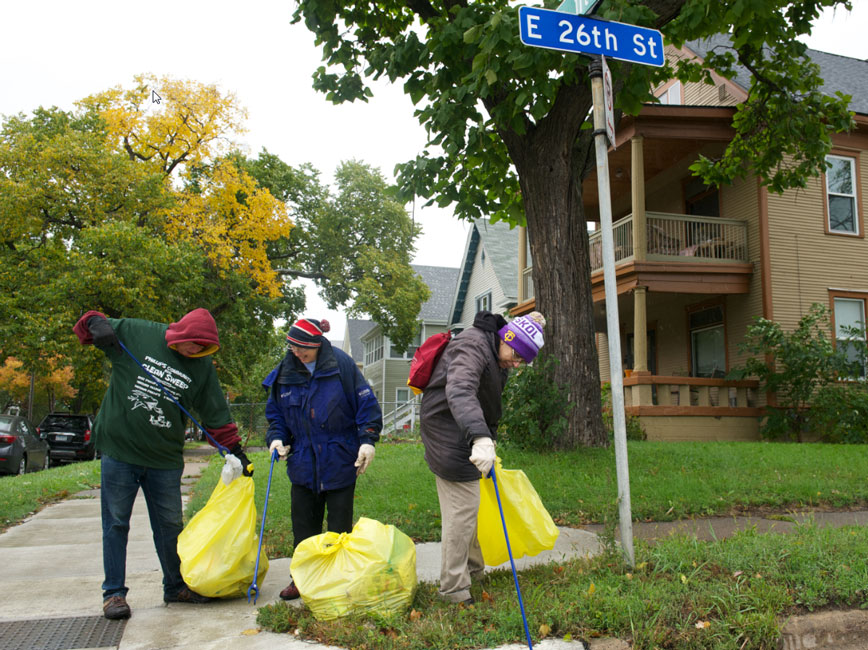
This article highlights various community-driven projects under the TUPAD program that focus on maintaining cleanliness in urban and rural settings. It details initiatives like roadway maintenance, waste management, and environmental beautification projects that foster local pride and civic responsibility.
Article 7: Local Environmental Conservation Efforts
Demonstrating the link between community action and environmental sustainability, this study examines how TUPAD participants engage in activities that improve public spaces. It also explores the spill-over effects of these initiatives on local public health and community morale.
Article 8: Voices of TUPAD Beneficiaries
Focusing on qualitative narratives, this article presents firsthand accounts from TUPAD participants who express a dual motivation: the need for immediate income and the desire to contribute to their community’s cleanliness. It includes interviews and personal stories that emphasize the cultural concept of bayanihan (community cooperation).
Article 9: Role of Local Government Units in Cleanliness Advocacy
This article explores the partnership between local government bodies and TUPAD. It examines how policies are implemented at the barangay level to ensure that the program addresses both economic and environmental concerns, thereby reinforcing community-led clean-up efforts.
Article 10: Sustaining Community Spirit through Work Immersion
The final article in the local categorization addresses the long-term community impacts of the TUPAD program. It investigates how the experience of participating in community clean-up projects encourages ongoing civic engagement and nurtures a sustained sense of ownership over local public spaces.
Data Summary Table
The table below summarizes the categorization of articles by both foreign and local perspectives, delineating the focus on financial incentives versus community cleanliness advocacy.
| Category | Focus Area | Description |
|---|---|---|
| Foreign Articles | Financial Incentives | Global analysis of cash-for-work programs, economic relief measures, and labor participation driven by immediate wages. |
| Financial Incentives | Comparative studies and behavioral economics research highlighting financial motivations. | |
| Advocacy for Community Cleanliness | Examinations of environmental initiatives and the intrinsic benefits of civic engagement on community health. | |
| Advocacy for Community Cleanliness | Case studies and projects that showcase community involvement in environmental sustainability. | |
| Dual-focus | Innovative public works schemes that combine both financial benefits and civic participation. | |
| Local Articles | Financial Incentives | Studies focused on the immediate economic relief provided by TUPAD, including labor market analyses. |
| Financial Incentives | Case studies from rural communities and evaluations of TUPAD’s role in promoting financial stability. | |
| Advocacy for Community Cleanliness | Local projects related to urban and rural cleanliness efforts driven by the TUPAD program. | |
| Advocacy for Community Cleanliness | Empirical studies on environmental conservation, public health improvements, and community engagement. | |
| Dual-focus | Articles examining both the economic and social facets of TUPAD participation, emphasizing cultural narratives. |
Discussion
The comprehensive categorization presented above tackles the complex duality of motivations behind TUPAD participation. On one hand, the financial incentive aspect of the program is its most immediate attraction. Many articles, particularly those from international perspectives, highlight the importance of immediate cash relief in alleviating economic pressures. Such studies show that in times of economic downturns or during emergency conditions, the availability of prompt financial support is crucial and often the primary motivator for workers.
On the other hand, local studies provide a nuanced view of how community engagement through TUPAD initiatives is equally significant. Beyond the direct financial benefits, the role of the program in promoting community cleanliness, public health improvements, and civic participation offers lasting, non-monetary benefits that can strengthen the fabric of local societies. Articles that delve into community narratives often reveal how such initiatives instill values of cooperation and shared responsibility, resonating with the Filipino tradition of bayanihan.
The interplay between these motivational factors is critical to understand. While financial incentives drive immediate enrollment and participation, community advocacy elements ensure that the benefits of the program extend beyond short-term economic relief. This dual approach not only supports the well-being of individual participants but also helps to create a more cohesive and resilient community capable of addressing its own development challenges.
Comparative Implications
International Lessons
International research has consistently shown that cash-for-work schemes can be highly effective during crises. By integrating financial compensations with community empowerment initiatives, governments and organizations worldwide have created models that provide both immediate relief and sustainable development. These initiatives, when tailored to local conditions, maximize the impact by fostering a sense of ownership among the participants.
Local Dynamics
In the Philippine context, the dual nature of TUPAD serves as a reflection of broader socio-cultural dynamics. Participants often enroll not solely because of the financial aid, but also due to a strong cultural value placed on communal solidarity. This unique synthesis makes TUPAD a critical instrument in the nation’s social policy, bridging the gap between economic necessity and social development. Local studies illustrate that while the immediate financial necessity is urgent, the enduring benefits of community cleanliness and shared public responsibility provide long-term gains for both the individual and the society.
Conclusion and Final Thoughts
In conclusion, the categorization of articles on motivations behind participation in the TUPAD program clearly indicates that both financial incentives and advocacy for community cleanliness are essential components driving participation. International perspectives emphasize how economic relief measures underpin cash-for-work programs globally. These programs are designed to provide essential immediate financial benefits while promoting broader social and environmental outcomes.
Locally, the TUPAD program in the Philippines has evolved to become a dual-purpose initiative, addressing both urgent economic needs and fostering a culture of community service. By categorizing articles into foreign and local perspectives, we observe that the financial motivations typically dominate in policy-focused and quantitative studies, whereas local cultural narratives and qualitative analyses highlight deep-seated community advocacy values. This dual categorization framework not only enriches our understanding of the program’s multifaceted impact but also offers important lessons for the design and implementation of similar programs elsewhere.
Ultimately, the diverse body of literature serves as evidence of TUPAD’s comprehensive approach to social safety nets—one that can be adapted and refined to address nuanced motivations in varying cultural and economic contexts. Both financial necessity and community environmental stewardship contribute in different yet interconnected ways, providing valuable insights for future policy development and program implementation.
References
- DOLE TUPAD Program Overview - Assistance Philippines
- Discrimination in DOLE TUPAD Program Membership Eligibility - Respicio
- Understanding the TUPAD Program - Lawyer Philippines
-
COA Flags DOLE's TUPAD Program - Philstar
Recommended Related Queries
Last updated February 20, 2025