
Categorization of Articles by Motivations Behind Participation in TUPAD Programs
An in-depth analysis of financial incentives and community cleanliness advocacy in TUPAD
Highlights
- Financial Incentives: Articles emphasize how TUPAD is primarily designed as a cash-for-work scheme that provides temporary employment and immediate financial relief.
- Advocacy for Community Cleanliness: Other works highlight the program’s role in fostering civic engagement through activities such as disinfection, street cleaning, and environmental beautification.
- Hybrid Benefits: Many articles note that despite the financial emphasis, TUPAD also delivers community-based benefits that enhance local development and provide social empowerment.
Introduction
The Tulong Panghanapbuhay sa Ating Disadvantaged/Displaced Workers (TUPAD) program is an emergency employment initiative that has been extensively covered in various articles. These articles can broadly be categorized based on the underlying motivations behind participation:
On one hand, several sources focus on the financial incentive aspect that the TUPAD program provides, serving as a safety net in times of economic hardship through temporary, wage-based employment. On the other hand, a significant number of articles point to the program’s role in promoting community cleanliness and civic engagement through participation in local infrastructural and community service projects. This dual focus makes TUPAD not only a tool for relieving financial stress but also a means of fostering social commitment and community improvement.
Detailed Categorization
Articles can be systematically categorized into two main topics: those that focus on Financial Incentives and those that stress Advocacy for Community Cleanliness. Moreover, many articles also acknowledge that these motivations are often intertwined. Below is a detailed discussion supported by a structured analysis.
Financial Incentive Focus
Articles in this category primarily stress that the immediate and primary benefit of the TUPAD program is the financial incentive it offers. The key points discussed include:
Emergency Income Generation and Cash-for-Work Programs
A recurring theme among the articles is the program’s design as an emergency cash-for-work scheme. This aspect underlines the following motivations:
- Temporary Employment Opportunities: The program is set to provide work for 10 to 30 days, with wages often based on regional minimum wage rates. This design helps mitigate the immediate effects of job loss or periods of underemployment.
- Targeting Vulnerable Workers: Emphasis is placed on supporting displaced, underemployed, and seasonal workers who are most affected by economic downturns, the COVID-19 pandemic, natural disasters, and broader economic crises.
- Household Economic Stability: By offering reliable, short-term income, the program contributes significantly to increasing household average incomes, thereby working as a potent poverty alleviation tool.
- Direct Financial Relief: For many participants, the TUPAD program symbolizes a direct government intervention designed to provide immediate assistance and improve their living standards in times of need.
Economic Survival and State Safety Nets
This category is further enriched by examining the economic survival strategies provided by state-led safety nets. These articles discuss how:
- Short-term Employment as an Economic Lifeline: By creating temporary employment opportunities, TUPAD plays a critical role in economic stabilization for many families. It serves not only as a preventive measure against deeper poverty but also as a bridge for those transitioning between jobs.
- Strengthening Local Economic Resilience: The fixed minimum wage offered through the program aids in reinforcing the economic resilience of communities, particularly in the context of decline due to natural disasters or other emergencies.
Advocacy for Community Cleanliness
On the other side of the spectrum, several articles highlight the less overt but equally important motivation of community advocacy, especially focused on cleanliness and environmental sustainability. The core points in this category include:
Community Service and Environmental Improvement
These articles underline that participants in the TUPAD program, while receiving financial benefits, are often engaged in tasks that have a significant positive impact on their communities. Key aspects include:
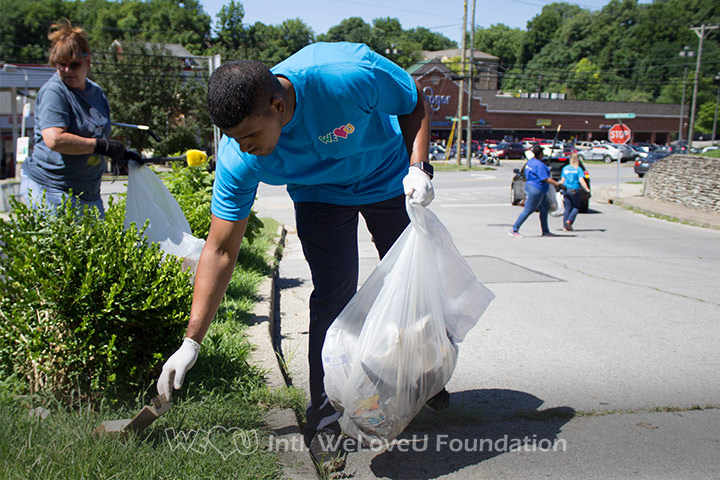
- Cleaning Public Spaces: Engagement in routine maintenance tasks such as street and canal cleaning, which significantly enhances the aesthetic and health conditions of local communities.
- Disinfection and Sanitation Initiatives: During crises like the COVID-19 pandemic, several TUPAD projects have been repurposed or specifically tailored to bolster community health through rigorous disinfection and cleanliness drives.
- Infrastructure Repair: In addition to cleaning, participants often undertake minor repairs and maintenance projects that improve community infrastructure, thereby promoting a safer and more inviting living environment.
Social and Civic Empowerment
Although financial gains are clear, the advocacy for community cleanliness goes beyond just service delivery. The articles also reveal:
- Fostering Civic Responsibility: By involving local participants in community improvement projects, the TUPAD program cultivates a sense of civic duty. This involvement leads to a greater awareness of environmental issues and a drive for sustainable local development.
- Building Sense of Community: Public service roles such as sanitation and beautification projects provide a social platform for these workers, encouraging communal interdependence and resource sharing, thus strengthening local bonds and collective welfare.
- Dual Benefits to Workers: Participants not only receive the immediate financial benefit but also find intrinsic motivation from being involved in activities that lift and improve their communities. This dual-role of personal and societal benefits adds layers of value to the program's overall impact.
Hybrid Motivations: Intersection of Financial Relief and Community Advocacy
A substantial number of articles recognize that the motivations behind participation in TUPAD programs often lie at the intersection of financial incentives and community cleanliness. This dual nature provides a comprehensive model of community support.
Integrated Impact on Households and Communities
The hybrid motivation model outlines how the TUPAD program is successful in simultaneously achieving two objectives:
- Economic Empowerment with Social Benefits: Participants gain short-term economic relief, which is crucial for their survival during emergencies. At the same time, their involvement in community development tasks reinforces local environmental health and cleanliness.
- Pathway to Sustainable Skill Development: Some articles note that beyond immediate financial relief, TUPAD serves as a pathway for skill development. Workers not only earn a wage but also acquire work experience and skills applicable to broader employment markets, ultimately contributing to their future employability.
- Social Dignity and Empowerment: By making contributions that visibly enhance community welfare, workers experience a sense of pride and dignity. This empowerment can have long-lasting psychological benefits, further encouraging community solidarity and individual self-worth.
Table: Categorization of Article Themes
| Category | Description | Key Themes |
|---|---|---|
| Financial Incentive | Articles in this group focus on the immediate economic benefits of the TUPAD program. Emphasis is on the role of TUPAD as a temporary employment scheme that provides direct financial relief, particularly in times of economic crisis or natural disasters. | Temporary employment, Cash-for-work, Economic stability, Poverty alleviation, Minimum wage support. |
| Advocacy for Community Cleanliness | This category deals with how participation in TUPAD drives community engagement activities. It highlights tasks related to environmental cleanup, sanitation, and civic beautification efforts that improve public spaces and foster a sense of community responsibility. | Community service, Public sanitation, Environmental beautification, Civic responsibility, Infrastructure repair. |
| Hybrid Benefits | Some articles acknowledge that TUPAD achieves a hybrid set of goals by combining direct financial assistance with community-based projects. This dual approach leads to both individual financial stability and enhanced community welfare. | Dual roles, Skill development, Social dignity, Integrated community support, Empowerment. |
Analytical Insights and Synthesis
An in-depth analysis of the available literature provides a nuanced understanding of the motivations behind TUPAD program participation. The distinct yet interconnected categories reveal that while immediate financial needs drive many to participate, the program’s community service component should not be underestimated. The financial incentive serves as the primary attraction for individuals needing to stabilize their household economy during periods of financial distress. Whether it is due to pandemics, economic downturns, or natural disasters, the promise of immediate cash relief is a crucial motivator.
On the other hand, the advocacy for community cleanliness instills a broader social benefit. Participants engaging in cleaning and other community service projects not only help themselves financially, but also actively contribute to creating healthier and more sustainable communities. This aspect further instills civic values and nurtures a sense of belonging among the workers. It reinforces the idea that development is multi-dimensional, addressing both individual well-being and collective social progress.
Moreover, the hybrid benefits recognized by researchers suggest that the TUPAD program is more than a mere stopgap financial arrangement. It opens pathways for future skill acquisition and employment opportunities while strengthening social ties through civic participation. Workers accustomed to engaging in community development tasks often develop a heightened social awareness that can lead to further opportunities in local governance or community-based organizations.
Programmatic Benefits and Policy Implications
The dual nature of motivations in the TUPAD program has significant implications for policymaking. Recognizing both elements helps policymakers:
- Tailor Program Design: Enhancing program structure to balance immediate financial benefits with long-term community development goals can lead to more sustainable impact.
- Improve Social Welfare Strategy: Integrating training modules or educational components within such programs can further transform temporary engagements into lasting career opportunities.
- Foster Community Empowerment: By encouraging community-centric projects, there is potential to build stronger social bonds, promote environmental health, and create a shared sense of ownership among residents.
In addition, understanding the combination of motivations might aid local government units in planning responsive measures during emergencies. The cash-for-work or emergency employment aspect is clearly crucial for immediate economic relief, but incorporating community service firmly establishes long-term social benefits, which are essential for comprehensive rural and urban development.
Challenges and Considerations
While the motivation framework of TUPAD is largely positive, several challenges should also be considered when interpreting these motivations:
Resource Allocation
One potential challenge is ensuring that resource allocation adequately covers both financial disbursements and the execution of community service projects. Inadequate funding or poor management could lead to imbalances where either the financial incentive or the community benefits are under-realized.
Ensuring transparency in disbursements and maintaining proper oversight in project execution becomes crucial to date the program’s effectiveness on both fronts.
Measuring Impact
Evaluative metrics need to be established that capture not only the economic relief to households but also the qualitative social benefits that come from cleaner, healthier communities. To this end, monitoring mechanisms should gather data on household economic improvements as well as indicators of community health and civic engagement.
Sustainability Concerns
While short-term financial relief is imperative during crises, a long-term plan could also be considered where community service initiatives double as stepping stones toward more permanent forms of local employment and infrastructural development. Linking the program to vocational training and community planning can further enhance its overall sustainability.
Conclusion
In conclusion, the categorization of articles on the motivations behind participation in the TUPAD program reveals a dual structure that encompasses both financial incentives and advocacy for community cleanliness. The primary emphasis on financial relief underscores the urgent needs of disadvantaged workers during crises, while the community service component reflects a broader, long-term commitment to environmental health and civic responsibility.
This analysis demonstrates that the TUPAD program is a multifaceted initiative designed not only to provide immediate economic support but also to foster community resilience and local empowerment. The dual and hybrid motivations suggest that, when optimally managed, such programs can deliver widespread socio-economic benefits, thereby serving as a model for similar initiatives elsewhere.
Achieving a balance between these two aspects requires careful policy planning, sufficient resource allocation, and the establishment of robust evaluation systems to measure both monetary and social outcomes. Ultimately, by catering to the immediate financial needs of individuals and addressing broader community issues, TUPAD stands as a powerful tool for holistic development in the face of economic and social challenges.
References
- DOLE TUPAD Program: Tulong Panghanapbuhay sa Ating Disadvantaged ... - assistance.ph
- How to Participate in TUPAD - lawyer-philippines.com
- TUPAD-1.docx - Course Hero
- Study on the TUPAD-Reading Tutor Program Implementation - ijrp.org
Recommended
Last updated February 20, 2025