
Tuscan Bean Soup
A Comprehensive Exploration of a Classic Italian Dish
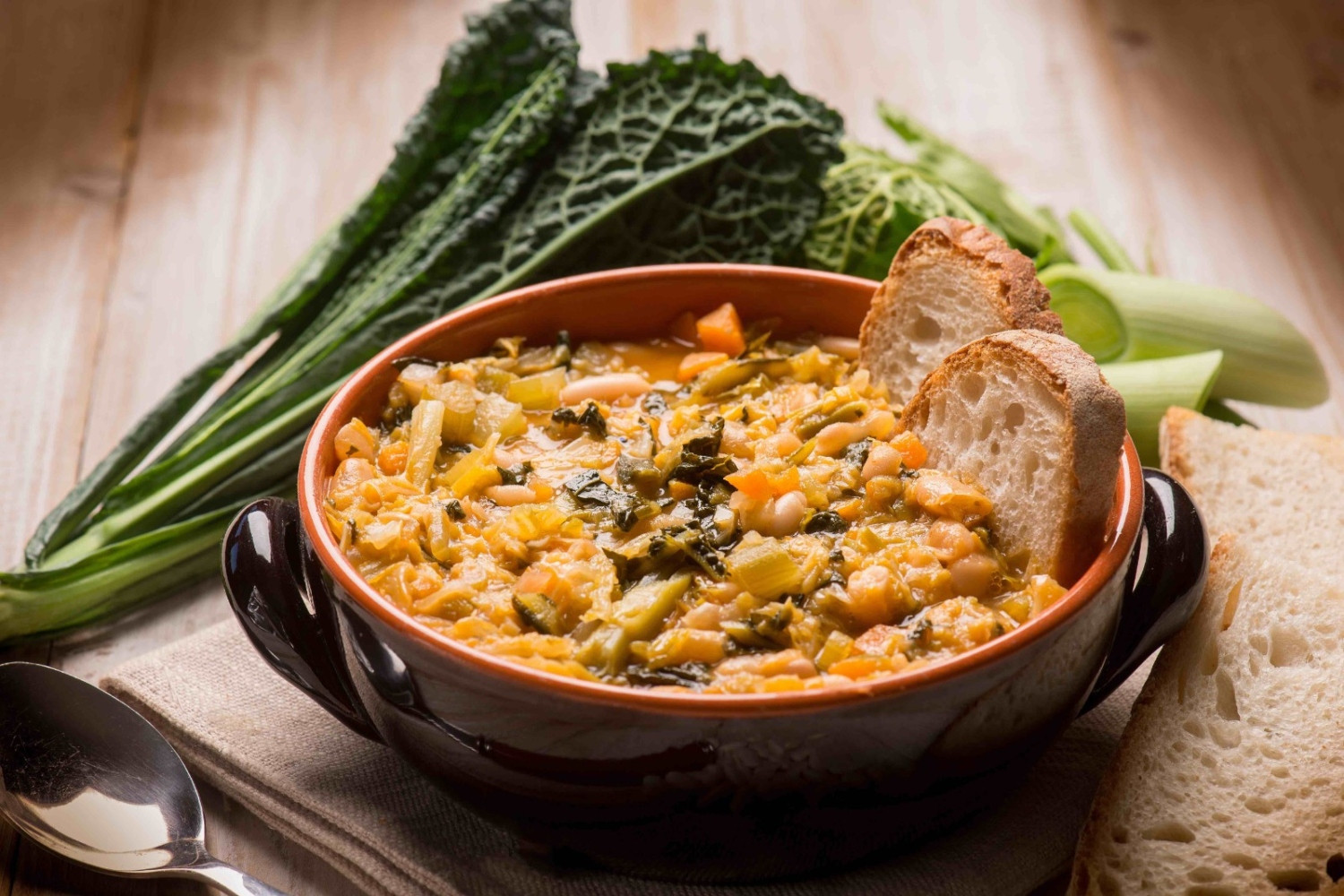
Highlights
- Hearty and Versatile: Tuscan bean soup is rich in flavor, nutritious, and highly adaptable to various ingredients and dietary needs.
- Traditional Roots: Originating as a peasant dish known as Ribollita, it embodies the simplicity and resourceful spirit of Tuscan cucina povera.
- Easy to Customize: With basic ingredients like cannellini beans, seasonal vegetables, and herbs, it can be tailored to be vegetarian, meat-based, or even include additional twists for richness and texture.
Historical and Cultural Background
Tuscan bean soup, often referred to as Tuscan white bean soup or by its traditional name Ribollita, is a quintessential dish of Tuscan cuisine. Its origins lie in the history of peasant cooking, where resourcefulness and the effective use of leftover ingredients were key. "Cucina povera" or "poor kitchen" cooking not only reflects economical food practices but also celebrates profound culinary simplicity and ingenuity. Historically, this dish was built up over several days; leftovers would be reboiled, hence the name Ribollita, meaning "reboiled." What started as a way to stretch ingredients into a nourishing meal for farm workers has transformed into a beloved staple, enriched by centuries of tradition.
Essential Ingredients and Variations
At the heart of Tuscan bean soup are the cannellini beans, prized for their creamy texture and mild, nutty flavor. Beyond beans, the soup is a blend of vegetables including onions, carrots, celery, and leafy greens like kale or spinach. A base of olive oil and garlic provides depth, while herbs such as rosemary, thyme, and bay leaves enhance the aroma. Whether opting for a strictly vegetarian version with vegetable broth or a meat-infused variant featuring Italian sausage or pancetta, the soup stands out due to its flexibility and robust taste.
Key Ingredients Table
| Ingredient | Description |
|---|---|
| Cannellini Beans | Creamy white beans forming the base with a delicate flavor |
| Vegetables | Onions, carrots, celery, and kale or spinach provide texture and nutrition |
| Olive Oil & Garlic | Create a fragrant and flavorful sauté base |
| Broth | Either vegetable or chicken broth, determines the soup's overall profile |
| Herbs and Spices | Rosemary, thyme, bay leaves, and Italian seasoning to enhance flavor depth |
| Optional Additions | Pancetta or Italian sausage for a meat-based version, or tomatoes for acidity |
Preparation Techniques and Tips
Making Tuscan bean soup is a straightforward process that, despite its rustic simplicity, offers plenty of room for personalization. Start by establishing a flavor-rich base through the sautéing of aromatics such as onions and garlic in olive oil. Once the vegetables become tender, the beans along with the chosen broth are added to create a hearty simmer. A traditional touch is to mash or partially puree the beans to thicken the soup, giving it a creaminess that complements its chunky vegetable elements. Adding day-old bread not only deepens the texture but also pays homage to the dish's humble origins, where leftover bread was a key component.
Step-by-Step Cooking Process
Sautéing the Vegetables: In a large pot, heat a generous drizzle of olive oil over medium heat. Add chopped onions, garlic, carrots, and celery, cooking until they soften and become aromatic. This step builds the foundation of flavor.
Incorporating the Beans and Broth: Once the vegetables have softened, add in the cannellini beans and pour the chosen broth into the pot. Bring the mixture to a boil, then reduce the heat to let it simmer slowly. This simmering process allows the flavors to meld together.
Achieving Creamy Texture: For those who enjoy a thicker, creamier soup, use an immersion blender to blend a portion of the soup. Alternatively, gently mash some of the beans directly in the pot. The technique can be adjusted according to your desired consistency.
Final Touches: In the final minutes of cooking, add chopped kale or spinach. Season the soup with herbs like rosemary, thyme, and bay leaves, along with salt and pepper to taste. A drizzle of extra virgin olive oil and a sprinkle of Parmesan cheese just before serving can elevate the taste further.
Nutritional and Culinary Advantages
Beyond its comforting flavor, Tuscan bean soup is recognized for its nutritional benefits. Cannellini beans are an excellent source of protein and dietary fiber, which aid in digestion and promote sustained energy release. The array of vegetables supplies essential vitamins and minerals, making the soup a balanced meal. Additionally, the use of olive oil contributes heart-healthy monounsaturated fats.
Whether enjoyed as a starter or as a fulfilling main course, this soup is particularly ideal during colder months due to its warming nature. Its adaptability to various dietary restrictions—vegetarian, vegan (with suitable substitutions), or even meat-inclusive—makes it a favored choice among diverse culinary preferences.
Variations and Regional Influences
One of the appealing aspects of Tuscan bean soup is its capacity for variation. In its traditional form, known as Ribollita, the soup originates from a resourceful cooking method of reboiling leftovers. Over the centuries, various regions and cooks have adapted the recipe to include ingredients readily available to them. Some contemporary versions might incorporate tomatoes for a hint of acidity or use pancetta to introduce a smoky profile.
In some modern recipes, chefs choose to add Italian sausage, transforming the soup into a heartier meal that balances the creamy beans with savory meat flavors. While these variations might differ in exact components, they universally maintain the core principle of melding simple, fresh ingredients into a nourishing and satisfying dish.
Case Studies in Variation
Vegetarian Adaptation: For those preferring a plant-based option, the soup can be made entirely with vegetable broth and an assortment of seasonal vegetables. Herbs such as basil or oregano can be introduced to create a flavor profile rich in Mediterranean influences.
Meat-Infused Adaptation: Adding crumbled Italian sausage or diced pancetta can significantly alter the flavor and protein content of the dish. In these recipes, a chicken broth is often utilized, and the resulting soup tends to have a richer, deeper taste. These variations serve as an excellent example of how traditional recipes can be modernized to suit different tastes while preserving their fundamental character.
Modern Adaptations and Serving Suggestions
Modern cooking has seen Tuscan bean soup evolve into a dish presented with finesse in both home kitchens and upscale restaurants. Today's presentations of the soup are often paired with crusty artisan bread, which complements the hearty consistency of the soup. A final garnish of freshly grated Parmesan cheese and a drizzle of high-quality extra virgin olive oil can transform this rustic meal into a gourmet experience.
In addition to being an excellent choice for a cozy family dinner, Tuscan bean soup makes an impressive starter for celebratory occasions. Its ability to be prepared in large quantities without sacrificing flavor makes it ideal for gatherings and special events. Moreover, the soup's forgiving nature allows cooks to prepare it in advance, knowing that it retains its taste and texture even after a day or two in the refrigerator—and it can be frozen for future enjoyment.
Serving Options and Presentation
As a Main Course: Serve a generous bowl of Tuscan bean soup accompanied by a side of crusty bread, perfect for dipping into the thick broth.
As a Starter: A smaller portion served in an elegant soup bowl, garnished with a touch of olive oil and a sprinkle of Parmesan, can set the tone for a meal.
For Special Occasions: Present the soup in a rustic clay pot or a modern ceramic bowl, along with artisan bread and a selection of fresh herbs for a visually impressive dish.
Cooking Techniques and Tips for Perfection
While the process of making Tuscan bean soup is inherently straightforward, attention to details can greatly enhance the final dish. The sautéing phase is essential; using a generous amount of olive oil and ensuring the vegetables are well-cooked brings out an aromatic and deep flavor base. Adjusting the consistency by mashing the beans or pureeing a portion of the soup allows for a delightful interplay between chunky and creamy textures.
Experiment with seasonings based on personal taste—while rosemary and bay leaves offer a classic profile, adding a pinch of red pepper flakes can introduce a subtle heat. Additionally, balancing acidity with a splash of lemon juice or a few diced tomatoes can provide a refreshing counterpoint to the richness of the beans.
Professional Kitchen Insights
Chefs recommend using high-quality ingredients to elevate this simple dish. Freshly picked herbs and high-grade extra virgin olive oil ensure that every spoonful carries the aromatic intensity of Tuscan cuisine. Moreover, letting the soup simmer slowly over low heat allows all flavors to blend harmoniously, creating a dish that is both comforting and gourmet.
Additional Techniques and Preparation Variants
For those interested in experimenting further, there are several additional techniques that can be applied to enhance Tuscan bean soup:
Blending Techniques
Instead of pureeing an entire portion of the soup, consider transferring a third of the soup to a blender and processing it until smooth, then returning it to the pot. This technique creates a velvety texture while still retaining the integrity of whole chunks of vegetables and beans.
Layering Flavors
Another advanced tip is to layer the flavors by roasting some of the vegetables (like carrots and celery) before adding them to the soup. Roasting can caramelize their natural sugars, bringing an additional depth of flavor that contrasts beautifully with the earthiness of the beans.
Additionally, consider using a homemade broth, whether vegetable or chicken, to further enhance the overall taste profile. A broth prepared with bones and vegetables simmers over time, extracting a complexity that factory-made alternatives may lack.
References
- Easy Tuscan Bean Soup Recipe - Simply Recipes
- Tuscan White Bean Soup - Insanely Good
- 30-Minute Tuscan White Bean Soup - Serious Eats
- Tuscan White Bean Soup {Restaurant Style} - The Big Man's World ®
- Tuscan White Bean Soup - Barefoot Contessa
Recommended Searches
Last updated March 9, 2025