
Understanding TVI: A Multifaceted Acronym
Exploring the diverse meanings of TVI across various domains
Key Highlights
- Multiple Domains: TVI spans education, security technology, broadcasting, and even cultural contexts.
- Technical and Practical Applications: From high-definition video technology to vocational training, TVI's definitions serve practical and technical roles.
- Cultural and Media Impact: TVI represents prominent television networks and specialized educational roles that directly affect society.
Introduction to TVI
The acronym TVI can be encountered in varied contexts, and its meaning is heavily dependent on the industry or field in which it is used. Below, we explore several interpretations and applications of TVI, providing insights into its significance across different domains. Whether you come across TVI in the context of educational tools or cutting-edge video transmission systems, understanding the multifaceted nature of this acronym is essential.
TVI in Education and Training
Teacher of the Visually Impaired
One of the most important meanings of TVI in educational circles is "Teacher of the Visually Impaired." These specialized educators are skilled in instructing students who have varying degrees of visual impairment. Their role is pivotal in adapting learning materials and instructional strategies to accommodate the needs of these students.
Roles and Responsibilities
TVIs in this context are tasked with:
- Designing and implementing specialized curriculum.
- Instructing in various subjects with necessary adaptations.
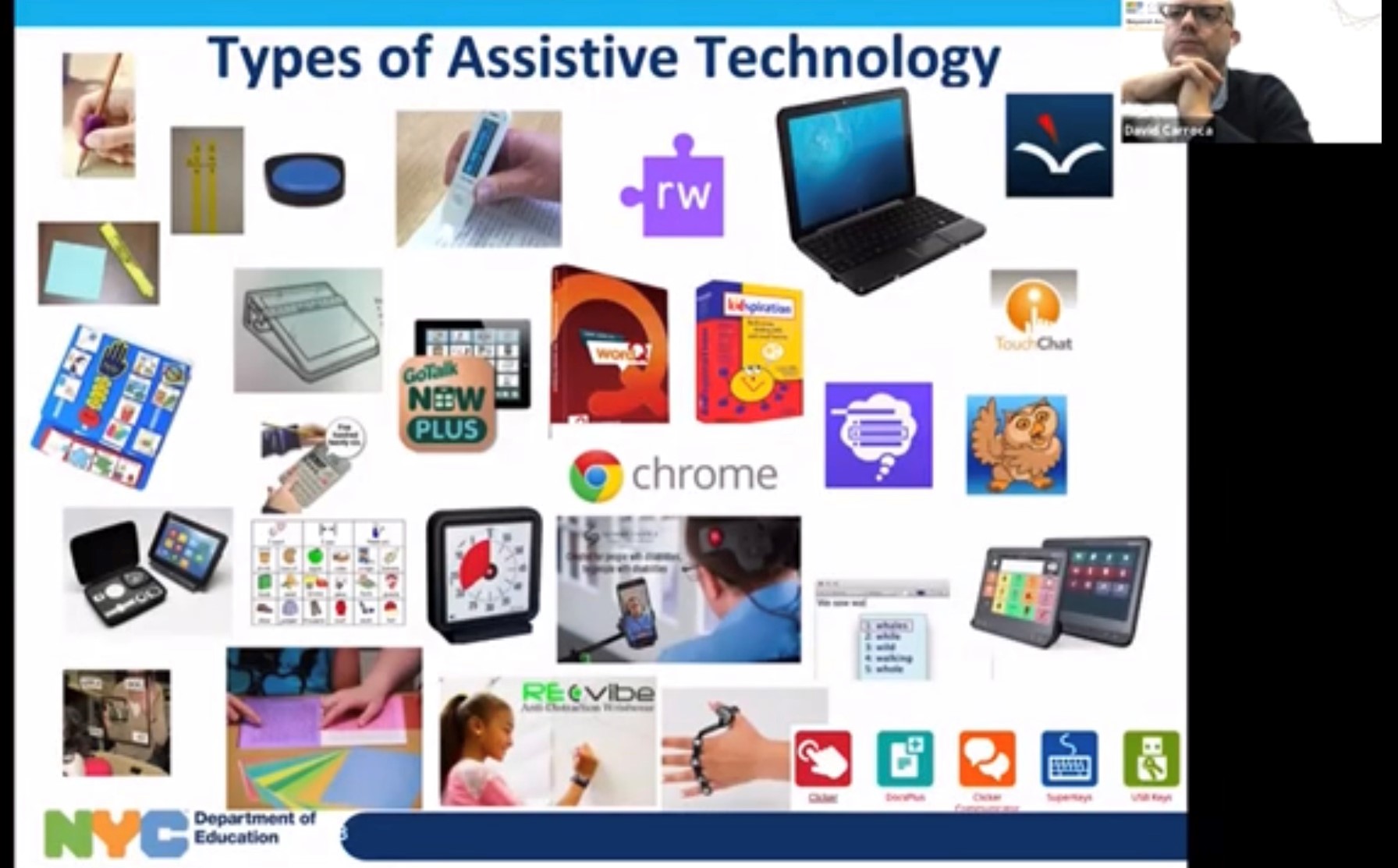
- Providing training on assistive technologies.
- Collaborating with families and other educational professionals to create a supportive learning environment.
The skills and training required for a Teacher of the Visually Impaired include in-depth knowledge of Braille, adaptive materials, and state-of-the-art visual aids, all of which contribute to creating a more accessible learning environment.
Impact on Inclusive Education
The role of a TVI is central in ensuring that visually impaired students receive education that is not only inclusive but also effective. By developing specialized strategies and tools, these educators help bridge the gap between traditional teaching methods and the unique needs of their students, fostering a more equitable learning environment.
TVI in Technology and Security
Transport Video Interface (TVI)
In the realm of electronics and security systems, TVI stands for Transport Video Interface. This technology is widely used in high-definition analog video cameras, notably in CCTV systems, where it is employed to transmit uncompressed digital video signals over coaxial cables.
Technical Specifications and Applications
The HD-TVI (High Definition Transport Video Interface) system is known for its ability to transmit HD video with minimal latency over distances of up to 500 meters. This makes it an ideal solution for security and surveillance systems in large infrastructures such as commercial complexes, campuses, and urban centers.
Key technical features of TVI in this context include:
- High-definition video support (720p, 1080p, and beyond).
- Utilization of standard coaxial cables, which are cost-effective and easily deployable.
- Robust transmission over long distances without significant signal degradation.
- Simplicity in upgrading legacy security systems to higher resolutions without major infrastructure changes.
Comparison with Other Technologies
While other video transmission technologies such as IP cameras and HD-SDI are also in use, TVI offers a unique balance of cost efficiency, ease of installation, and performance. The technology facilitates integration into existing analog systems, making it a popular choice for upgrading surveillance systems.
Television Interference
Another interpretation of TVI, though less commonly encountered in technical literature, is Television Interference. This term refers to any disruption in television signal quality due to external noise or signal overlap. Such interference can be caused by faulty equipment, overlapping frequencies, or extraneous electronic signals that manifest as distorted or ghosted images on TV screens.
Causes and Remedies
Causes of television interference include:
- Electromagnetic disturbances from nearby electronic devices.
- Improperly shielded cables and connectors.
- Signal overlaps in densely populated broadcast areas.
Remedies involve improving cable quality, ensuring proper shielding, using frequency filters, or even upgrading to more advanced digital broadcast systems that are less susceptible to such interference.
TVI in Vocational and Cultural Contexts
Technical Vocational Institute
Beyond its application in education for visually impaired students, TVI is also an acronym for Technical Vocational Institute. These institutes focus on providing students with practical skills in various trades and technical fields such as engineering, electronics, and construction. Graduates from these institutes are typically prepared to enter the workforce directly with a strong foundation in their respective trades.
Curriculum and Future Prospects
Technical Vocational Institutes offer a curriculum that is tailored to the demands of modern industry:
- Hands-on training with state-of-the-art equipment.
- Internship programs that foster industry connections.
- Certification programs which are widely recognized by employers.
The practical emphasis of these institutes ensures that students are job-ready upon graduation, making TVI-related education a cornerstone for future workforce development.
Televisão Independente (TVI) and Other Media Entities
In a more specific media context, TVI is recognized as the acronym for Televisão Independente, a major Portuguese television channel established in 1993. As one of the leading broadcasters in Portugal, TVI has had a significant impact on both local and international television programming through a variety of content including news, entertainment, and original local productions.
Programming and Influence
Televisão Independente has earned its reputation by producing a mix of local and international programs catered to diverse audiences. Highlights of TVI in this domain include:
- Critically acclaimed TV shows and soap operas.
- Comprehensive news coverage that remains a trusted source for current events in Portugal.
- High production value in entertainment, contributing to the channel's popularity across various demographics.
Other Media Entities
Besides Televisão Independente, TVI has been attributed to other media and communication enterprises across different regions. For instance, some related entities include TVI Pacific Inc., a Canadian firm in the resource acquisition sector, and TVI Actors Studio which focuses on actor training and creative industries.
Comparative Analysis of TVI Definitions
Comprehensive Table of TVI Meanings
| Context | TVI Definition | Key Features |
|---|---|---|
| Education | Teacher of the Visually Impaired | Specialized educators trained in adaptive teaching methods for visually impaired students. |
| Security & Technology | Transport Video Interface (HD-TVI) | High-definition video transmission via coaxial cables, cost-effective and efficient for CCTV systems. |
| Broadcasting | Television Interference | Disturbances affecting television signal quality, often remedied by equipment upgrades. |
| Vocational Training | Technical Vocational Institute | Institutions offering career-focused training in technical trades. |
| Media & Entertainment | Televisão Independente | Major Portuguese television channel noted for diverse programming and high viewership. |
Additional Contextual Uses of TVI
Alternative Interpretations
Beyond the major categories discussed above, TVI may occasionally appear in contexts with alternative or less common interpretations:
Other Niche Definitions
Some less prevalent meanings include instances where TVI might relate to technological startups or regional companies:
- TVI Actors Studio: A training hub dedicated to the craft of acting, offering workshops that focus on both artistic skills and industry understanding.
- TVI Pacific Inc.: Particularly in resource acquisition, this company emphasizes large-scale investment projects, demonstrating the versatile application of the acronym in the corporate world.
- Regional and linguistic variants may exist that are specific to particular countries or industries, signifying how acronyms can often be repurposed to meet local needs.
Global Impact and Relevance
The scope of TVI as an acronym underlines its global importance. Whether it is used in the context of improving educational opportunities for visually impaired students or upgrading security infrastructure with high-definition technology, TVI has cemented its role in modern society.
The varied meanings also demonstrate the adaptability of acronyms over time. For instance, advances in technology have led to the evolution of TVI from its traditional interpretations to now encompassing advanced video transmission systems that meet modern surveillance needs.
Furthermore, cultural representations such as Televisão Independente exemplify how acronyms can gain brand identity, influencing both public opinions and media consumption habits. This cross-disciplinary usage makes TVI a truly versatile though context-sensitive term.
Examining TVI’s Role Across Industries
Practical Applications in Everyday Life
The practical applications of the various meanings of TVI are notable:
- Educational Sector: TVIs as teachers of the visually impaired ensure that students with disabilities are provided with a tailored educational experience, leveraging modern support tools and adaptive technology.
- Security Systems: With the advent of HD-TVI technology, more robust and efficient security measures have been implemented globally, offering superior video quality and longer transmission distances even in challenging physical environments.
- Vocational Training: Technical Vocational Institutes equip learners with market-relevant skills that foster immediate employment and drive economic development in various regional sectors.
- Broadcast Media: Major television networks like Televisão Independente continue to shape public discourse and cultural trends, influencing perceptions in entertainment, news, and social programming.
Bridging Traditional and Modern Technology
The evolution of TVI in technological applications, most notably in security and video transmission, is particularly interesting. With TVI, older analog systems can be upgraded seamlessly to provide near-digital quality thanks to the simplicity of coaxial cabling systems. This bridge between traditional and modern technology ensures a smoother transition and extended utility across decades of established infrastructure.
Industry-Specific Insights
Education and Disability Services
Specialized services provided by Teachers of the Visually Impaired (TVI) have been instrumental in developing innovative teaching strategies. These educators not only teach academic subjects but also play a crucial role in guiding students in their personal development, by:
- Integrating the use of tactile textbooks and Braille readers into daily learning routines.
- Using audio-books, speech-to-text software, and other assistive technologies.
- Coordinating with occupational therapists and other healthcare professionals to adapt classroom environments.
Their role ensures that visually impaired individuals attain a level of independence and competence that supports lifelong learning and professional success.
Security and Surveillance Advancements
On the technological front, the Transport Video Interface having evolved into HD-TVI has transformed surveillance operations. The primary benefits include:
- Real-time monitoring capabilities with rapid data transmission.
- Enhanced security in public and private institutions due to high-quality imaging at long distances.
- Cost savings through the reuse of existing coaxial infrastructures and minimal installation complexity.
Such improvements in security technology have contributed to increased investments in surveillance systems, thereby placing TVI as a cornerstone in modern security strategies.
Practical Guidance and Resources
Where to Find More Information
For individuals interested in delving deeper into the various interpretations of TVI, several online resources provide extensive details:
- Educational resources that explain the pedagogical approaches and technologies used by Teachers of the Visually Impaired.
- Technical white papers and product pages by surveillance technology companies discussing HD-TVI and related video transmission standards.
- Official websites of television channels and media houses, particularly Televisão Independente, which offer insights into programming and market influence.
- Vocational training forums and institutional pages that detail the curriculum and objectives of Technical Vocational Institutes.
These resources are ideal starting points for a comprehensive exploration of the multifaceted acronym TVI.
References
- Acronym Finder - TVI Meanings
- CCTV Camera Pros - What is HD-TVI?
- Abbreviations.com - TVI
- Wikipedia - TVI
- Merriam-Webster - TVI Definition
Recommended Queries for Further Exploration
Last updated March 19, 2025