
Unlocking the Mysteries of Self-Pleasure: Conscious Intent vs. Unconscious Release Explained
A clear guide to understanding the deliberate and involuntary forms of masturbation.
Masturbation, the act of stimulating one's own genitals for sexual arousal or pleasure, is a common human experience. It can manifest in different ways, primarily distinguished by the level of consciousness and intent involved. Understanding these distinctions can provide clarity on various aspects of sexual expression and bodily functions. This guide will delve into two primary types: conscious and unconscious masturbation, explaining each in simple terms.
Key Insights: Conscious vs. Unconscious Masturbation
- Conscious Masturbation: This form involves deliberate, intentional self-stimulation of the genitals to achieve sexual arousal and often orgasm. The individual is fully aware and actively participates in the act.
- Unconscious Masturbation: This refers to the involuntary release of sexual tension, typically occurring during sleep without conscious awareness or effort, such as nocturnal emissions (wet dreams).
- A Natural Spectrum: Both conscious and unconscious forms of sexual release are generally considered normal parts of human sexuality, reflecting different ways the body experiences and manages sexual energy.
The Conscious Path: Deliberate Self-Exploration
Understanding Intentional Self-Pleasure
Conscious masturbation is characterized by the deliberate and aware act of stimulating one's own body to create sexual excitement. The individual is awake, alert, and intentionally engages in behaviors aimed at achieving sexual pleasure, which may or may not culminate in orgasm. This is the most commonly understood form of masturbation and involves active participation.
Methods in Males:
For individuals with male anatomy, conscious masturbation commonly includes:
- Manual Manipulation: This typically involves using the hand to stroke, rub, or otherwise stimulate the penis. The motion often focuses on the shaft and glans (tip) and is continued until the point of emission (ejaculation) is reached, or desired pleasure is achieved.
- Frottage (as described in query): This method involves rubbing the penis against another surface for stimulation, such as a partner's body (e.g., thigh, stomach), bedding, or a pillow, without direct use of the hands to manipulate the genitals. The friction created leads to sexual arousal.
Methods in Females:
For individuals with female anatomy, conscious masturbation often involves:
- Manual Clitoral Stimulation: The clitoris is a highly sensitive organ, and its direct or indirect stimulation using fingers (rubbing, stroking, circling) is a primary method. Individuals often experiment with pressure, speed, and area of stimulation to find what is most pleasurable.
- Introduction of a Penis-Substitute: This refers to using objects, commonly sex toys like dildos or vibrators, to stimulate the vagina or clitoris. These objects can mimic penile penetration or provide targeted clitoral vibration. Lubrication is often used to enhance comfort and pleasure.
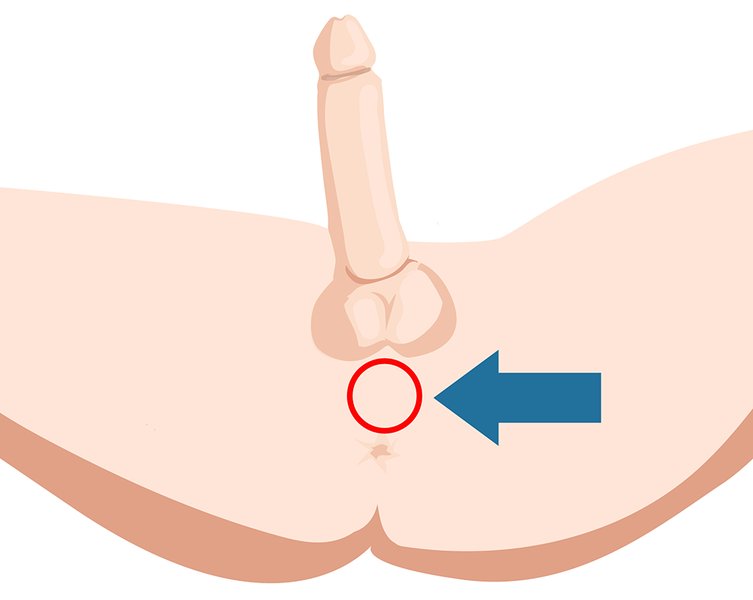
Conscious masturbation involves diverse techniques for self-exploration and pleasure.
Mindful Masturbation: A Conscious Approach
A growing aspect of conscious masturbation is "mindful masturbation." This practice emphasizes being fully present and aware of bodily sensations during self-pleasure, rather than focusing solely on orgasm or relying heavily on external stimuli like pornography. It encourages exploring the entire body and different types of touch, fostering a deeper connection with one's own sexuality and pleasure responses. This approach can enhance self-awareness and lead to more fulfilling sexual experiences.
The Unconscious Realm: Involuntary Sexual Release
Understanding Spontaneous Bodily Responses
Unconscious masturbation, or more accurately, involuntary sexual release, refers to sexual arousal or orgasm that occurs without conscious intent or awareness. The body effectively manages sexual tension automatically, often during states of reduced consciousness like sleep.
Nocturnal Stimulation and Emissions:
The most common example of this phenomenon is nocturnal stimulation, which can lead to orgasm and, in males, ejaculation (commonly known as "wet dreams" or nocturnal emissions). In females, it can manifest as arousal or orgasm during sleep. These events often accompany erotic dreams but can also occur without any remembered dream content. They are a natural physiological process, particularly common during puberty and adolescence but can occur throughout life.

Nocturnal emissions are a common form of unconscious sexual release.
"Masturbation Equivalent":
The term "masturbation equivalent" is used because these unconscious events result in a similar physiological release of sexual tension as conscious masturbation, but without the deliberate action. The body is essentially regulating itself. These experiences are not typically considered "masturbation" in the active sense, as there's no conscious decision or physical self-manipulation involved while awake.
Sexsomnia: A Rare Consideration
In rare cases, a sleep disorder called sexsomnia can involve individuals engaging in sexual behaviors, including masturbation, while asleep and completely unaware of their actions. This is a distinct parasomnia and different from typical nocturnal emissions. If sexsomnia is suspected, professional medical advice should be sought.
Comparing Conscious and Unconscious Masturbation
The following chart provides a visual comparison of various aspects related to conscious and unconscious masturbation. These are general tendencies and can vary individually. The scores are on a scale where a higher number indicates a stronger presence of the factor.
This chart illustrates that conscious masturbation scores high on awareness, intentionality, and control, often involving focused physical sensation and potential for emotional exploration. Unconscious release, conversely, is low on these volitional aspects but can still offer a degree of stress relief as a natural bodily function.
Visualizing the Concepts: A Mindmap Overview
To further clarify the distinctions and components of conscious and unconscious masturbation, the mindmap below offers a structured visual summary of the key ideas discussed.
This mindmap highlights the core attributes and common manifestations of each type, providing a quick reference to their defining characteristics.
Key Distinctions at a Glance
The following table summarizes the primary differences between conscious masturbation and unconscious sexual release to provide a clear, comparative overview:
| Feature | Conscious Masturbation | Unconscious Sexual Release |
|---|---|---|
| Awareness Level | High; fully aware and present | Low to none; typically occurs during sleep |
| Intentionality | Deliberate; performed with specific intent for arousal/pleasure | Involuntary; occurs without conscious decision |
| Level of Control | High; individual controls the action, pace, and method | None; body acts autonomously |
| Common Examples | Manual self-stimulation, use of sex toys, frottage | Nocturnal emissions (wet dreams), sleep orgasms |
| Primary Mechanism | Active self-stimulation of erogenous zones | Spontaneous physiological response, often linked to REM sleep or hormonal activity |
Exploring Further: Educational Insights
Understanding human sexuality, including masturbation, can be enhanced by reliable information from health professionals. The following video features a board-certified OBGYN discussing aspects of masturbation, offering an educational perspective that can be helpful for general understanding and self-awareness, particularly concerning female anatomy and experience.
This video provides valuable context on self-exploration and understanding one's own body, which aligns with the principles of conscious masturbation and overall sexual health education.
Frequently Asked Questions (FAQ)
Is conscious masturbation healthy?
Yes, conscious masturbation is widely considered a normal and healthy part of human sexuality for many individuals. It can have several benefits, including stress relief, improved mood, better sleep, pain relief (such as menstrual cramps), and increased self-awareness of one's body and sexual preferences. As long as it doesn't cause distress, interfere with daily life or responsibilities, or involve non-consensual elements, it's generally viewed positively by health professionals.
What are "wet dreams" (nocturnal emissions) really?
Nocturnal emissions, commonly known as "wet dreams," are involuntary ejaculations (for males) or vaginal lubrication/orgasm (for females) that occur during sleep. They are a natural physiological process and are not caused by conscious masturbation. They often happen during REM sleep when dreaming is most active and can be accompanied by erotic dreams. Wet dreams are common, especially during puberty and adolescence due to hormonal changes, but can happen at any age. They are a normal way for the body to release sexual tension and are not harmful.
Can I control unconscious sexual release like wet dreams?
Generally, no. Unconscious sexual releases like nocturnal emissions are involuntary bodily functions, much like dreaming itself. They are not typically something that can be consciously controlled or prevented. While some people report fewer occurrences if they engage in regular conscious masturbation or sexual activity, this is not a guaranteed method of control. They are a natural part of sexual development and function, and usually, there is no medical need to try to stop them.
Are sex toys necessary for conscious masturbation?
No, sex toys are not necessary for conscious masturbation, although they can be an enjoyable option for many. Conscious masturbation can be performed using only one's hands and fingers. Sex toys like vibrators, dildos, or other items can enhance pleasure, offer different types of stimulation, or help individuals explore their sexuality further. The choice to use them is entirely personal and depends on individual preference and comfort.
Recommended Further Exploration
To deepen your understanding of related topics, consider exploring these queries:
- What are the psychological benefits of mindful masturbation?
- How does age and hormonal changes affect nocturnal emissions?
- Explore the differences between frottage and other forms of partnered sexual activity.
- Understanding sexsomnia: symptoms, causes, and when to seek help.
References
Last updated May 12, 2025