
The Palette and The Patient: Your UC Berkeley Art Major's Journey to Medical School
A comprehensive year-by-year roadmap for aspiring physicians with a passion for the arts at UC Berkeley.
Embarking on a pre-medical path while pursuing an Art Practice major at UC Berkeley is a distinctive and commendable ambition. It combines the creative, observational, and empathetic skills honed through art with the rigorous scientific dedication required for medicine. This guide provides a structured year-by-year plan to help you navigate this exciting journey, balancing your artistic passions with the demanding prerequisites of medical school.
Highlights of Your Unique Path
- Strategic Course Planning: You'll learn to integrate core science prerequisites seamlessly with your art major curriculum from year one, ensuring all academic bases are covered without compromising your artistic development.
- Leverage Your Unique Background: Your art degree offers distinct advantages, fostering skills like keen observation, empathy, creative problem-solving, and nuanced communication—qualities highly valued in compassionate and effective physicians.
- Experiential Learning is Key: Beyond coursework, gaining crucial clinical exposure, research experience, and engaging in activities that blend your artistic talents with healthcare will be paramount to building a compelling application.
Year-by-Year Pre-Medical Blueprint for Art Majors
Navigating the pre-medical track as an Art Practice major requires meticulous planning and proactive engagement. Remember, "pre-med" at UC Berkeley is not a major itself but a pathway of courses and experiences you undertake alongside your chosen major. Here’s how you can structure your undergraduate years:
Year 1: Laying the Foundation
Your freshman year is about building a strong academic footing in both your art practice and foundational sciences, while starting to explore the intersection of these two worlds.
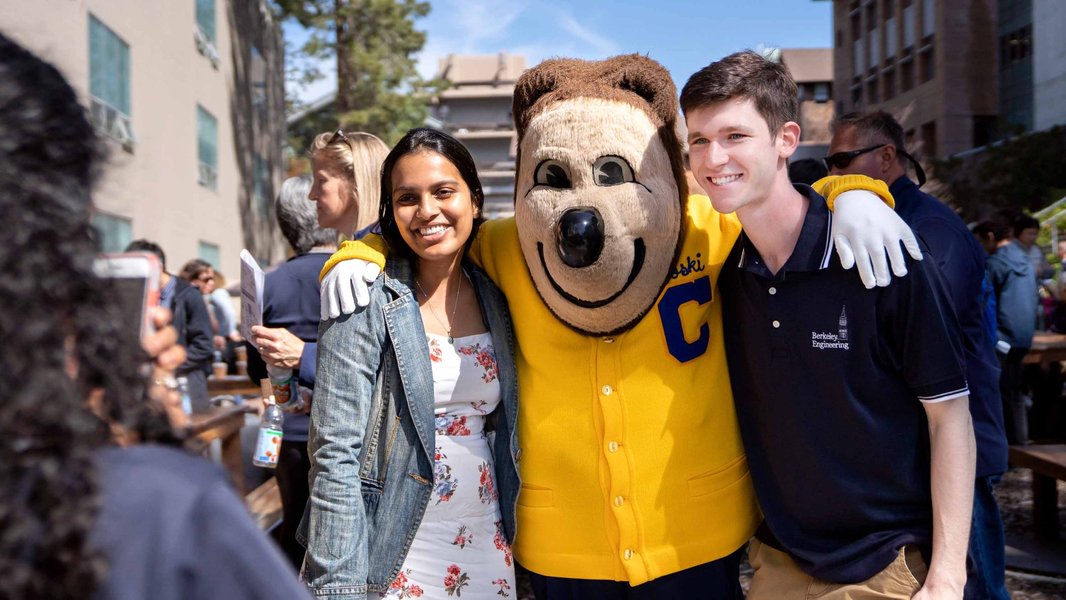
Embarking on your journey at UC Berkeley, balancing artistic pursuits with foundational sciences.
Academic Focus:
- Core Pre-Med Sciences: Begin with essential prerequisites:
- General Chemistry with lab (e.g., CHEM 1A/1AL, and potentially CHEM 1B/1BL depending on sequence).
- Introductory Biology with lab (e.g., BIOLOGY 1A/1AL, BIOLOGY 1B/1BL).
- Mathematics: At least one semester of calculus (e.g., MATH 1A or 16A) or statistics (e.g., STAT 2 or 20), as required by many medical schools.
- Art Major Requirements: Concurrently, immerse yourself in your Art Practice foundational courses, such as ART 8 (Introduction to Visual Thinking) and introductory studio classes.
- GPA Management: Strive for a strong GPA from the outset, particularly in your science courses. Aim for a 3.5 or higher to remain competitive.
Experiences & Extracurriculars:
- Explore Health-Related Activities: Start volunteering in healthcare settings (hospitals, clinics) or community health initiatives. Even early exposure is valuable.
- Join Student Organizations: Connect with pre-medical clubs and art-related groups on campus to build a network and gain insights.
- Art & Medicine Intersection: Look for opportunities to teach art to patients or participate in programs that use art therapeutically.
Planning & Preparation:
- Advising: Meet with both your Art Practice major advisor and a pre-health advisor at UC Berkeley's Career Engagement center. Develop a preliminary four-year plan.
- Study Skills: Develop robust study habits and time management skills. Utilize campus resources like the Student Learning Center.
- MCAT Awareness: Begin to familiarize yourself with the scope of the MCAT exam – no intensive study yet, just awareness.
Year 2: Deepening Scientific Knowledge and Gaining Experience
Sophomore year involves continuing with more advanced science prerequisites while progressing in your art major and seeking more substantial extracurricular involvement.
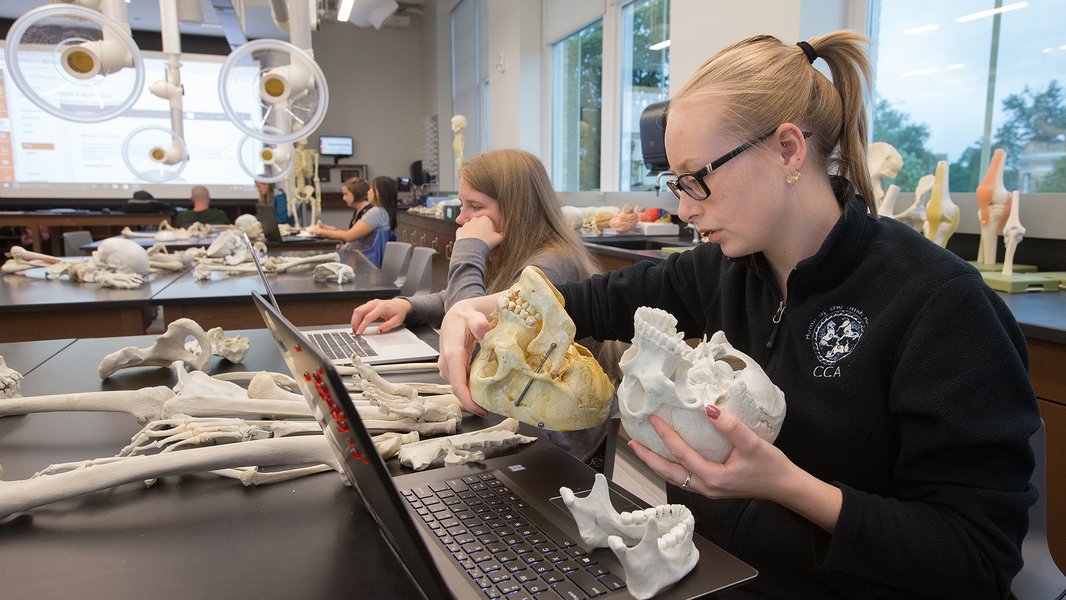
Deepening scientific knowledge and seeking research opportunities to build a strong pre-med profile.
Academic Focus:
- Continuing Pre-Med Sciences:
- Organic Chemistry with lab (e.g., CHEM 3A/3AL, CHEM 3B/3BL).
- General Physics with lab (e.g., PHYSICS 8A/8AL, PHYSICS 8B/8BL or PHYSICS 7A/7B series).
- Consider starting upper-division biology courses relevant to pre-med, such as human physiology or cell biology, if your schedule allows.
- Art Major Progression: Continue with your art coursework, perhaps exploring more specialized studio areas or art history.
Experiences & Extracurriculars:
- Clinical Exposure: Increase your clinical volunteering or shadowing hours. Seek experiences that offer patient interaction.
- Research Opportunities: Explore research options. UC Berkeley's Undergraduate Research Apprentice Program (URAP) or summer research programs can be valuable. Look for projects in basic sciences, clinical research, public health, or even areas that might bridge art and science (e.g., medical illustration, psychology of perception).
- Leadership: Consider taking on leadership roles in clubs or organizations you're involved in.
Planning & Preparation:
- MCAT Content Review: As you complete relevant science courses, begin light, consistent review of MCAT-related material.
- Advisor Check-ins: Regularly update your academic plan with your pre-health and major advisors.
Year 3: Intensifying Focus on MCAT and Application Components
Junior year is often pivotal for MCAT preparation and beginning to assemble components for your medical school application.
Academic Focus:
- Advanced Pre-Med Sciences:
- Biochemistry (e.g., MCB 102) is a critical prerequisite for most medical schools and the MCAT.
- Complete any remaining upper-division biology or other recommended science courses (e.g., genetics, psychology, sociology).
- Art Major Culmination: Focus on upper-division art studios and art history courses, potentially working towards a senior project or thesis.
Experiences & Extracurriculars:
- Sustained Engagement: Continue your most meaningful clinical, research, and service activities. Depth and commitment are valued.
- Personal Statement Brainstorming: Start thinking about your personal statement. How has your art background shaped your desire to pursue medicine? What unique perspectives do you bring?
- Letters of Recommendation: Identify potential letter writers (professors in science and art, research PIs, clinical supervisors) and continue to build strong relationships with them.
Planning & Preparation:
- Dedicated MCAT Study: This is the year for intensive MCAT preparation. Consider a structured prep course or a dedicated self-study plan.
- Take the MCAT: Aim to take the MCAT by the spring or early summer of your junior year, or at the latest, the summer before you apply.
- School Research: Begin researching medical schools that align with your interests and values.
Year 4: Application Cycle and Graduation
Senior year focuses on the medical school application process, interviews, and completing your Art Practice degree.
Academic Focus:
- Finalize Art Major: Complete all remaining coursework and requirements for your Art Practice BA, including any capstone projects or exhibitions.
- Electives: If your schedule permits, consider advanced electives in areas of interest or humanities courses that complement your medical aspirations (e.g., medical ethics, narrative medicine).
Experiences & Extracurriculars:
- Continued Involvement: Maintain your engagement in key activities as much as possible during the application cycle.
- Interview Preparation: Practice your interviewing skills. Be prepared to articulate your journey as an art major pursuing medicine.
Planning & Preparation:
- Primary Application: Submit your primary application through AMCAS (for MD programs) or AACOMAS (for DO programs) typically in late spring/early summer after your junior year.
- Secondary Applications: Complete secondary applications as you receive them from medical schools. These are often time-sensitive.
- Interviews: Attend medical school interviews, typically from fall through early spring.
- Gap Year Consideration: Many students, especially those with non-traditional majors, benefit from one or more gap years to strengthen their applications, gain more experience, or take a break before medical school. Plan for this possibility.
Visualizing Your Path: Skills and Milestones
Your journey combines the development of artistic sensibilities with scientific acumen. The following chart illustrates how skills developed in your art major align with attributes valued by medical schools. Notice the overlaps and how your unique background can be a significant strength.
This chart suggests that while your art major excels in fostering creativity and observational skills, you'll need to diligently build your scientific aptitude through coursework. Both paths highly value empathy, communication, critical thinking, resilience, and problem-solving abilities, making your integrated approach particularly compelling.
Leveraging Your Art Background: A Unique Advantage
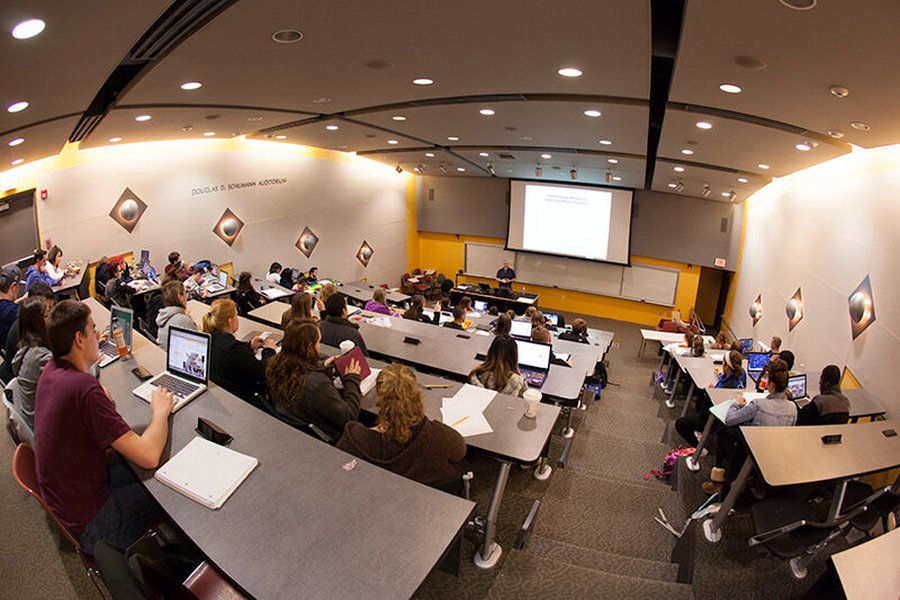
Your artistic training cultivates unique skills like keen observation and empathy, invaluable in patient care.
Medical schools increasingly recognize the value of diverse backgrounds. Your art major is not a hurdle but a unique asset. Here’s how:
- Enhanced Observational Skills: Training in visual arts sharpens your ability to notice details, a critical skill in diagnosis and patient assessment.
- Empathy and Human Connection: Art often explores the human condition, fostering empathy and understanding of diverse perspectives—essential for patient-centered care.
- Creative Problem-Solving: Artistic practice encourages innovative thinking and finding novel solutions, applicable to complex medical cases.
- Communication Skills: While often visual, art is a form of communication. This can translate into more nuanced and effective ways of connecting with patients and colleagues. Consider exploring narrative medicine, which emphasizes patient stories.
- Resilience and Discipline: Completing ambitious art projects requires dedication, perseverance, and the ability to handle critique—qualities that serve well in the demanding field of medicine.
Articulate these strengths in your personal statement, extracurricular descriptions, and interviews. Show, don't just tell, how your artistic journey has prepared you for medicine.
Navigating the Journey: A Mindmap Overview
The path from an art major to medical school involves many interconnected components. This mindmap provides a visual overview of the key areas you'll need to manage throughout your undergraduate career at UC Berkeley.
@ UC Berkeley"] id1["Year 1: Foundation"] id1_1["Core Sciences:
Gen Chem, Intro Bio, Math"] id1_2["Art Major Foundational Courses"] id1_3["Strong GPA Focus (aim 3.5+)"] id1_4["Early Extracurriculars:
Volunteering, Pre-Med Clubs"] id1_5["Meet Pre-Health & Major Advisors"] id2["Year 2: Deepening Knowledge"] id2_1["Core Sciences:
Organic Chem, Physics"] id2_2["Upper-Division Bio (consider starting)"] id2_3["Art Major Progression"] id2_4["Meaningful Clinical Exposure"] id2_5["Research (e.g., URAP, Summer)"] id2_6["MCAT Content Familiarization"] id3["Year 3: Application Prep Focus"] id3_1["Key Prerequisites:
Biochemistry, Adv. Bio"] id3_2["Advanced Art Studios/History"] id3_3["Intensive MCAT Study & Exam"] id3_4["Draft Personal Statement"] id3_5["Secure Letters of Recommendation"] id3_6["Seek Leadership Roles"] id4["Year 4: Application & Transition"] id4_1["Finalize Art Major Requirements"] id4_2["Submit Med School Applications
(AMCAS/AACOMAS)"] id4_3["Interview Preparation & Attendance"] id4_4["Plan for Potential Gap Year(s)"] id5["Core Pillars for Success"] id5_1["Strong Academics (GPA & Rigor)"] id5_2["Competitive MCAT Score"] id5_3["Substantive Clinical Experience"] id5_4["Meaningful Research Involvement"] id5_5["Community Service & Volunteering"] id5_6["Strong Letters of Recommendation"] id6["Leveraging Your Art Background"] id6_1["Highlight Unique Skills:
Observation, Empathy, Creativity, Communication"] id6_2["Craft Compelling Personal Statement Narrative"] id6_3["Use as Talking Points in Interviews"] id6_4["Explore Medical Humanities/Narrative Medicine"]
This mindmap highlights the multifaceted nature of your pre-medical preparation, emphasizing the integration of academic pursuits, experiential learning, and personal development, all while leveraging the unique strengths of your art major.
Summary Table of Suggested Plan
This table provides a condensed overview of the key academic, experiential, and application-related tasks for each year. Remember that this is a general guideline and should be adapted with the help of your advisors.
| Year | Academic Focus (Pre-Med & Art) | Key Experiences & Extracurriculars | Application & MCAT Milestones |
|---|---|---|---|
| Freshman (Year 1) | Gen Chem (w/ lab), Intro Bio (w/ lab), Math (Calc/Stats); Foundational Art Courses (e.g., ART 8, intro studios) | Join pre-med/art clubs, initial volunteering/shadowing, explore art-health connections (e.g., art therapy volunteering) | Familiarize with MCAT content; meet with pre-health and Art Practice advisors to create a 4-year plan |
| Sophomore (Year 2) | Organic Chem (w/ lab), Physics (w/ lab), possibly start Upper-Div Bio (e.g., physiology); Intermediate Art Courses | Deeper clinical exposure (patient contact), research (e.g., URAP, lab work), leadership in clubs | Early MCAT content review; refine course plan with advisors; identify potential research mentors |
| Junior (Year 3) | Biochemistry (e.g., MCB 102), other Upper-Div Bio/Science as needed (e.g., genetics, psychology); Advanced Art Courses, Art History | Significant, sustained clinical/research, leadership roles, consider TA opportunities, explore medical humanities | Intensive MCAT study, take MCAT (spring/early summer), begin drafting personal statement, solicit Letters of Recommendation (LORs) |
| Senior (Year 4) | Complete Art Major requirements (capstone/thesis), any remaining pre-med electives or recommended courses | Continued meaningful experiences, interview preparation, mentor junior students | Submit primary (AMCAS/AACOMAS) & secondary applications, attend interviews, make decisions, plan for gap year (if applicable) |
This video, "Where Medicine Meets Art," explores how creative outlets are valuable for healthcare workers and students, resonating with your path of blending artistic passion with medical aspirations. It highlights the humanistic side of medicine, increasingly recognized as vital for patient care and physician well-being.
The integration of arts and humanities into medical training is a growing trend. Programs like the one discussed in the video showcase how creative expression can foster empathy, observational skills, and resilience among medical professionals. As an art major, you are uniquely positioned to embody these principles from the outset of your medical journey.
Frequently Asked Questions (FAQ)
Can I really get into medical school with an Art Practice major from UC Berkeley?
Absolutely! Medical schools value diverse academic backgrounds. What matters most is completing all prerequisite courses with strong grades, achieving a competitive MCAT score, and demonstrating relevant experiences and personal qualities. An art major can make your application stand out by highlighting creativity, observational skills, and a unique perspective on human experience, all of which are assets in medicine. UC Berkeley pre-meds come from a wide variety of majors.
What GPA and MCAT score should I aim for?
While specifics vary by school, competitive applicants typically have a GPA of 3.5 or higher, especially in science courses (BCPM GPA: Biology, Chemistry, Physics, Math). For the MCAT, scores around 510-512 are often considered competitive for MD programs, though this can fluctuate. As a UC Berkeley student, aiming for above these averages can be beneficial due to the rigorous academic environment. Focus on understanding material deeply rather than just grades.
When is the best time to take the MCAT?
Most students aim to take the MCAT in the spring of their junior year or the early summer before they plan to apply. This timing allows you to have completed most prerequisite courses, especially Biochemistry. Taking it by this point means your score will be available when you submit your primary application, preventing delays. However, ensure you only take it when you feel thoroughly prepared.
How important are extracurricular activities for an art major applying to med school?
Extracurricular activities are crucial. They demonstrate your commitment to medicine, your personal qualities, and your ability to balance responsibilities. Key areas include:
- Clinical Experience: Volunteering or working in hospitals, clinics, or hospices (direct patient exposure is key).
- Research: While not always mandatory, research experience (in any field, though science/clinical is common) is highly valued.
- Community Service/Volunteering: Shows commitment to helping others, not necessarily medicine-related.
- Leadership: Roles in clubs, organizations, or projects.
Should I consider taking a gap year?
Many successful medical school applicants, especially from demanding programs like UC Berkeley and those with non-science majors, take one or more gap years. A gap year can provide valuable time to:
- Gain more clinical, research, or work experience.
- Study for/retake the MCAT if needed.
- Strengthen other aspects of your application.
- Pursue personal interests (like a significant art project) or travel.
- Earn money to help finance medical school.
- Mature and gain life experience before starting the rigors of medical training.
Recommended Further Exploration
To deepen your understanding and preparation, consider exploring these related questions:
- How can an art background enhance a medical school personal statement and interviews?
- What are the best strategies for UC Berkeley students to find meaningful clinical volunteering and shadowing opportunities?
- What are common challenges and advantages for non-science majors like Art Practice when applying to medical school?
- Are there specific medical humanities programs or courses at UC Berkeley or elsewhere that complement an art major pursuing medicine?
References
 bph-storage.s3.us-west-1.amazonaws.com
Last updated May 13, 2025