
Exploring Biodiversity and Underutilized Indigenous Food Plant Species
Understanding UIFPs in Bugallon, Pangasinan for Enhanced Food Security and Nutrition
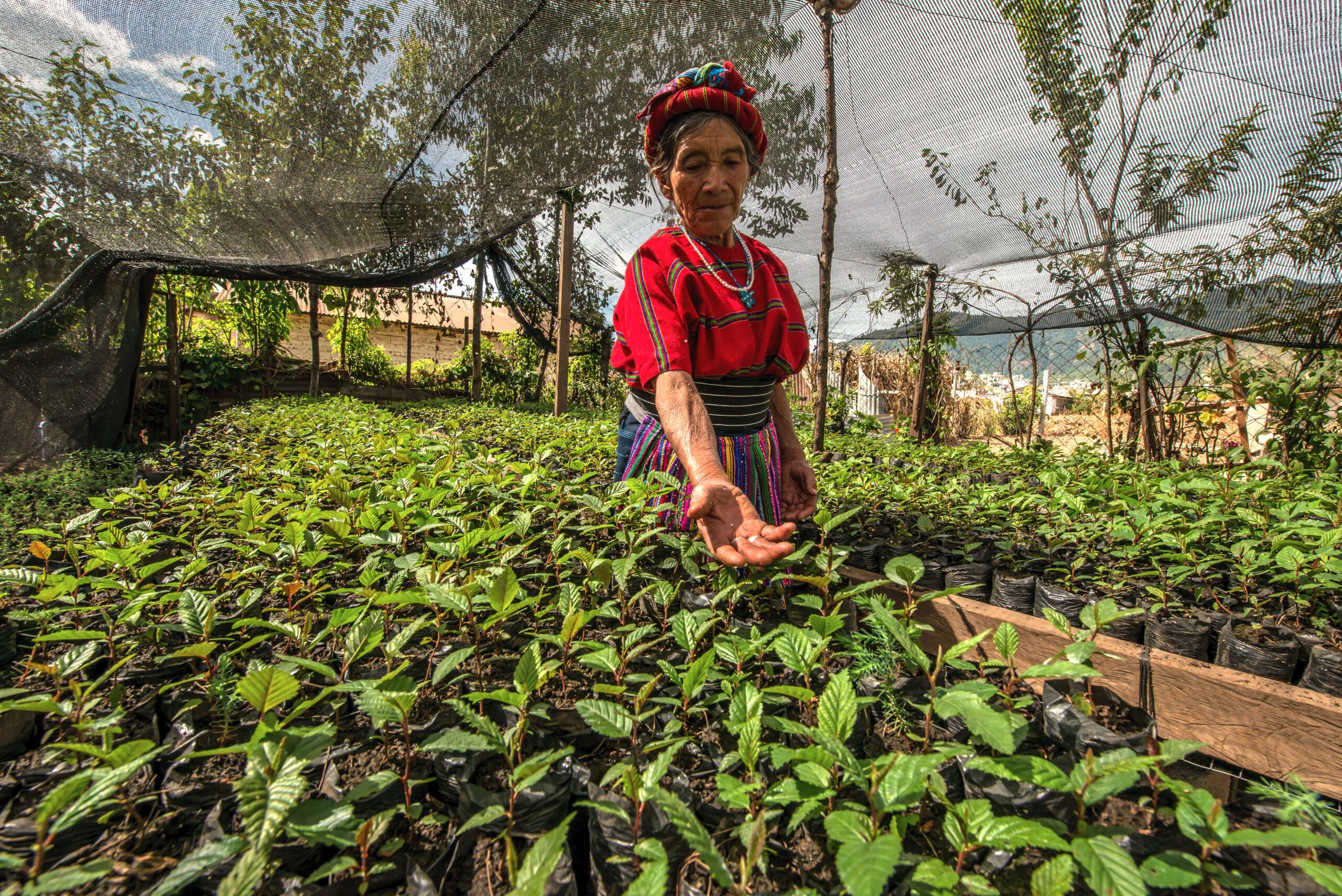
Key Highlights
- UIFPs and Biodiversity: UIFPs are integral to preserving biodiversity, which underpins food security and sustainable nutrition.
- Research Gap: There is a pressing need for comprehensive studies on UIFPs in Bugallon, Pangasinan to harness their full nutritional and environmental potential.
- Research Blueprint: Clearly defined research questions emphasize cataloging species, assessing ecological distributions, and analyzing nutritional values.
Introduction
The Importance of Biodiversity in Modern Food Systems
Biodiversity is the foundation of a robust and resilient ecosystem; it provides the variety of life necessary for the maintenance of natural systems, including agricultural practices that support food production. The diversity of plant, animal, and microbial species enhances resilience against environmental stressors including climate change, pests, and diseases. In modern agriculture, relying on a limited number of crops severely restricts the genetic pool available to respond to these challenges. Therefore, embracing biodiversity, especially through the use of underutilized indigenous food plant species (UIFPs), is a critical strategy to secure food resources and promote sustainable nutrition.
UIFPs, which have been largely overshadowed by mainstream crops, hold a wealth of genetic diversity and nutritional benefits. Indigenous communities have traditionally harnessed a variety of plants, cultivating them for specific nutritional or medicinal qualities. Many of these plants contain superior macro and micronutrient profiles compared to the widely cultivated species, making them particularly vital in combating malnutrition and ensuring a balanced diet. Moreover, these indigenous species are often naturally adapted to local environments, which minimizes the need for chemical interventions and supports sustainable agricultural practices. Recognizing and integrating the potential of UIFPs into contemporary agriculture could revolutionize food systems and ultimately improve community resilience.
Background and Context
Role of Underutilized Indigenous Food Plant Species (UIFPs)
Underutilized indigenous food plant species are an expansive group of plants that have historically played a significant role in local diets and traditional agricultural practices. However, with the advent of modernization and a focus on high-yield crops, many of these species are now at risk of being lost. Their decline not only threatens local biodiversity but also undermines cultural heritage and the nutritional foundation of communities.
In regions like Bugallon, Pangasinan, the rich tapestry of indigenous plants has been pivotal to sustaining traditional diets. Despite their known nutritional benefits – including high levels of vitamins, minerals, and antioxidants – these species remain under-researched and underutilized. By leveraging the inherent advantages of UIFPs, communities can diversify food sources, reduce dependency on a handful of staple crops, and improve overall dietary health. Advancing research in this area is essential not only for preserving biodiversity but also for unlocking significant public health and economic benefits.
Problem Statement
UIFPs Research Gap in Bugallon, Pangasinan
Despite the promising potential of UIFPs, there exists a significant gap in research on their distribution, nutritional value, and overall benefits for local communities in Bugallon, Pangasinan. The convergence of rapid urbanization, modernization, and agricultural intensification has led to the decline of these indigenous crops. This lack of focused research means that valuable genetic and nutritional resources remain untapped, which could otherwise contribute to more resilient food systems.
The diminished study of UIFPs has several implications:
- Loss of Genetic Diversity: The failure to document and utilize these species results in a narrowing of the genetic base of food crops, making agricultural systems more vulnerable to pests and environmental changes.
- Missed Nutritional Opportunities: Indigenous food plants often have higher levels of essential nutrients than common industrial crops, providing critical contributions to balanced diets and reducing incidences of malnutrition.
- Cultural Erosion: Traditional knowledge surrounding the cultivation and use of these plants is at risk of being lost, impacting cultural heritage and community identity.
Addressing these challenges through targeted research in Bugallon, Pangasinan, offers a pathway to both conserve the natural heritage and improve food security. A coordinated study in this region can lead to the revitalization of indigenous agricultural practices and support sustainable food production methods.
Research Questions
Defining the Path to Unlocking UIFP Potential
The proposed research framework focuses on three pivotal questions that directly address the knowledge gaps surrounding UIFPs in Bugallon, Pangasinan. These questions not only drive the inquiry into the biodiversity and nutritional capabilities of these species, but also lay the groundwork for actionable conservation and agricultural strategies.
Research Question 1: Biodiversity of UIFPs
What is the biodiversity of underutilized indigenous food plant species in Bugallon, Pangasinan?
This question aims to catalog and assess the variety of indigenous food plants present in the region. It emphasizes entering a comprehensive inventory that documents each species' distribution, abundance, and genetic diversity. Detailed botanical surveys and ethnobotanical studies are essential for establishing a baseline, which is critical for later conservation and utilization efforts.
Research Question 2: Distribution Across Ecological Zones
How are these species distributed across different ecological zones?
Different ecological zones provide varied habitats that can influence both the growth and availability of indigenous food plants. Investigating the distribution patterns helps illuminate how environmental factors such as soil type, rainfall, altitude, and temperature variations impact the presence of these species. Such insights enable the development of region-specific conservation strategies, ensuring that the ecosystems critical for the survival of UIFPs are preserved and managed effectively.
Research Question 3: Edibility and Nutritional Values
What are the edible species among UIFPs, and what are their nutritional values?
This question addresses the critical need to identify which of the indigenous food plants are edible and to evaluate their nutritional profiles. Analysis of macro and micronutrients, including vitamins, minerals, proteins, and antioxidants, is indispensable for understanding how these plants can contribute to dietary diversity and improve community health. Such nutritional analyses can reveal how UIFPs may be better integrated into local diets to combat nutritional deficiencies and promote overall well-being.
| Research Question | Description | Key Areas of Focus |
|---|---|---|
| Biodiversity Assessment | Catalog and document indigenous food plant species in Bugallon. | Species identification, abundance, genetic diversity. |
| Ecological Distribution | Examine the distribution of UIFPs across various ecological zones. | Environmental factors, habitat mapping, conservation zones. |
| Nutritional Analysis | Identify edible indigenous plants and evaluate their nutritional benefits. | Macro/micronutrient profiling, dietary integration, health impacts. |
Synthesis of Approach
Integrative Research and Practical Applications
The research framework targeting UIFFs in Bugallon, Pangasinan is built upon a multi-disciplinary approach. It incorporates ecological surveys, ethnobotanical studies, and nutritional analyses – each providing a layer of understanding that, when combined, forms a robust basis for action.
First, an exhaustive ecological survey is required to establish a detailed inventory of indigenous food plant species. This includes field studies, species mapping, and collaboration with local botanists and community members who hold traditional knowledge about these plants. Ethnobotanical documentation, which captures the cultural significance and historical usage of these plants, is equally important. Such collaborations not only help in the identification process but also ensure that local agricultural practices and wisdom are preserved and respected.
Secondly, analyzing the distribution of UIFPs across different ecological zones allows researchers to understand the specific environmental conditions that favor the growth of these species. Through mapping techniques and geo-spatial analyses, researchers can identify critical habitats and ecological corridors. This information becomes instrumental in crafting localized conservation strategies designed to protect and propagate these underutilized species.
Lastly, nutritional analysis is pivotal in uncovering how UIFPs can be leveraged to generate practical benefits for food security. Laboratories equipped for chemical and nutritional assessments evaluate the macro and micronutrient profiles of these plants. By comparing these profiles with those of mainstream crops, researchers highlight the potential of UIFPs to supplement diets and address nutritional deficiencies. Moreover, the findings from nutritional analyses can inform policy and community initiatives aimed at reintegrating these species into modern diets.
Implications and Impact
Pathways to Enhanced Food Security and Nutritional Diversity
The systematic study of UIFPs in Bugallon, Pangasinan offers several promising implications. Understanding biodiversity not only reinforces conservation efforts but also serves as a cornerstone for sustainable agriculture. By leveraging indigenous species, communities stand to benefit from several direct and indirect outcomes:
- Enhanced Food Security: By broadening the range of cultivable crops, the reliance on a few staple crops is reduced, consequently decreasing vulnerability to crop failures.
- Nutritional Improvements: Incorporating nutrient-dense indigenous plants into local diets can help combat malnutrition and improve public health.
- Cultural Preservation: Documenting and promoting UIFPs preserves traditional knowledge and helps maintain local cultural identities.
- Environmental Sustainability: Indigenous plants, well-adapted to local conditions, often require fewer chemical inputs, thereby reducing the environmental footprint of agriculture.
An effective research initiative in Bugallon can serve as a model for similar efforts across regions rich in indigenous biodiversity. The integration of ecological, nutritional, and cultural studies ensures a holistic approach that can result in actionable strategies to support both environmental and human well-being. Such work reinforces the notion that diverse ecosystems are indispensable assets in planning resilient food systems.
References
- Philippine Vegetables - Agriculture.com.ph
- Biodiversity Importance - World Food Prize
- Indigenous Food Plants - EchoCommunity
-
Nutritional Research - PMC
- Sustainable Food Systems - Frontiersin
Recommended Related Queries

Last updated March 7, 2025