
Navigating the UK's Bus Network: The Crucial Role of Traffic Commissioners in Route Registration and Numbering
Unpacking the intricate system that keeps Britain's buses moving efficiently and safely.
The seemingly straightforward numbers and letters displayed on the front of a UK bus hide a complex regulatory framework. Far from being arbitrary, the registration and numbering of bus routes in Great Britain are governed by a well-established system overseen by the Traffic Commissioners. These independent public officials play a pivotal role in ensuring the safety, efficiency, and fair competition within the commercial road transport sector, particularly concerning heavy goods vehicles, buses, and coaches.
Key Insights into Bus Route Regulation
- Historical Evolution: The numbering system for bus routes, especially in London, has a rich history, with many modern routes tracing their lineage back to early omnibus and even tram services. This evolution means that numbers don't always follow a strictly chronological or geographical pattern.
- Traffic Commissioners' Central Role: Appointed by the Secretary of State for Transport, Traffic Commissioners are independent regulators responsible for licensing operators, registering local bus services, and enforcing compliance with transport legislation across Great Britain.
- Structured Registration Process: Bus operators must formally register new or altered local bus services with the Traffic Commissioners, providing detailed information on routes, timetables, and service types to ensure transparency and accountability.
The Genesis of Bus Route Numbering
The practice of numbering bus routes in the UK has a fascinating history, particularly in bustling urban centers like London. Initially, in Victorian times, omnibuses were identified by their livery and a "line name," with painted signs indicating termini. This approach was often confusing for passengers trying to discern specific routes.
The turning point arrived in 1906 when George Samuel Dicks of the London Motor Omnibus Company introduced a numbering scheme, assigning numbers 1 to 5 to their routes. This innovation quickly spread among other operators who recognized the advantage of a unique, easily memorable route number for the public. The foundations were thus laid for subsequent renumbering schemes across the UK.
In London, the numbering system gained further structure with the 1924 London Traffic Act, which introduced the "Bassom Scheme." This system, initially managed by the Metropolitan Police, categorized routes, with double-decker bus routes numbered 1-199, single-decker routes from 200, and trolleybuses from 500. While this specific scheme was revised in 1934 with the formation of London Transport, the tradition of preserving historic numbers persisted. This explains why some modern routes, like London's route 55, can trace their origins back to identically numbered tram or trolleybus predecessors.
Beyond London, many bus routes across the UK owe their numbers to defunct tramways and trolleybus routes. For instance, the 216 bus in Manchester was once the 26 trolleybus route, with a '1' added to its number when it transitioned. This historical continuity, coupled with the organic growth of networks, means that UK bus numbering is less about a strict zonal or chronological system and more about an evolving tapestry of historical designations and operational needs.
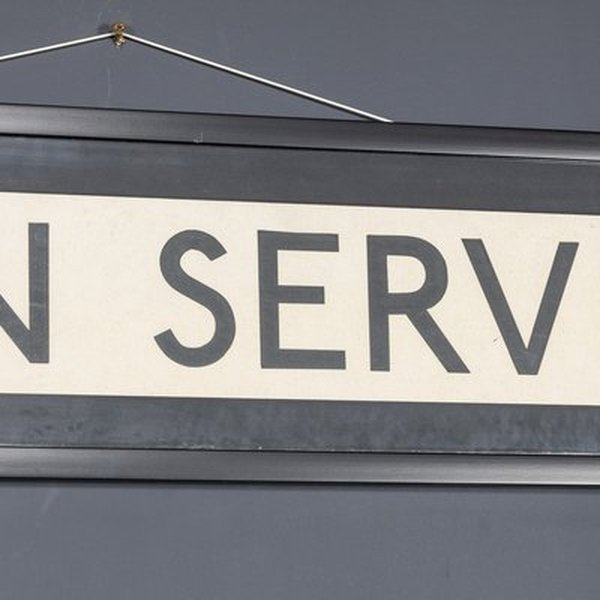
A vintage London bus route sign, illustrating the historical use of route numbers.
The Role of Traffic Commissioners
In the UK, the comprehensive framework for bus route registration and overall transport regulation is primarily managed by the Traffic Commissioners. These independent public officials, appointed by the Secretary of State for Transport, are fundamental to maintaining high standards of safety, efficiency, and fairness within the commercial road transport industry.
Who are the Traffic Commissioners?
There are currently eight Traffic Commissioners in Great Britain, with one also serving as the Senior Traffic Commissioner. Each commissioner is responsible for a specific geographic area, known as a traffic area, although their powers are no longer strictly confined to these regions. Their responsibilities are broad, encompassing the licensing and regulation of operators of heavy goods vehicles (HGVs), buses, and coaches, as well as the crucial task of registering local bus services.
Traffic Commissioners operate in both a regulatory and a quasi-judicial capacity. They act as independent tribunals, conducting public inquiries for licence applications and disciplinary matters. Their decisions are vital for upholding integrity and safety across the UK's transport network.
Key Responsibilities of Traffic Commissioners
The multifaceted role of Traffic Commissioners includes:
- Operator Licensing: Granting and overseeing licences for companies and individuals operating HGVs, buses, and coaches, ensuring they meet professional competence, financial standing, and repute requirements.
- Bus Service Registration: Registering local bus services in England and Wales (outside London) and Scotland. This involves collecting detailed information about routes, timetables, and service types.
- Regulatory Compliance: Enforcing adherence to transport legislation, including drivers' hours, vehicle maintenance, and operational standards, to promote road safety and fair competition.
- Public Inquiries: Holding hearings to address issues such as operator non-compliance, objections to licence applications, or alleged breaches of licence conditions, and imposing disciplinary actions where necessary.
- Traffic Regulation Conditions: Imposing conditions on bus services to prevent danger to road users, reduce congestion, or mitigate pollution.
This radar chart illustrates the perceived impact and influence of Traffic Commissioners across various aspects of UK bus regulation, contrasted with the historical influence on route numbering. It highlights the Commissioners' strong role in oversight and enforcement, while acknowledging that route numbering has a significant historical component.
The Bus Route Registration Process
For any local bus service to operate in Great Britain, it must be registered with the relevant Traffic Commissioner. This is a crucial step that ensures services are properly documented, publicly accessible, and adhere to regulatory standards. The registration process involves several key requirements:
Information Required for Registration
When an operator applies to register a bus service, they must provide comprehensive details to the Traffic Commissioner. These particulars include:
- Description of Service Type: Indicating whether it's a standard, flexibly routed, or school service.
- Route Description: A detailed account of the bus route, including specific roads and stopping points.
- Timetable: A precise schedule of when buses will operate.
- Map of the Service Route: A visual representation of the journey.
- Fares Information: Details on how fares will be charged and collected.
The application can be submitted either in paper format or electronically through the Electronic Bus Service Registration (EBSR) system. Local authorities in England and local councils in Scotland also need to be notified of the service. Special provisions exist for services operating wholly within areas with franchising schemes or enhanced partnership schemes, where the local transport authority may assume registration powers.
Defining a Local Bus Service
To qualify as a "local bus service" under the regulations, separate fares must be charged, and passengers must be able to disembark within 15 miles of their boarding point. This definition helps differentiate local services from long-distance coach services, which are subject to different regulations, including EU driver hours rules for journeys over 50 km.
This video explores the intriguing question of how bus routes are numbered, offering insights into the stories and historical factors behind the seemingly random digits that guide our journeys. It delves into the evolution of numbering systems, often linking back to legacy transport networks.
Numbering Logic and Local Variations
While the Traffic Commissioners oversee the registration process, the actual numbering of bus routes exhibits varied logic across the UK, influenced by historical precedents and local transport authorities.
London's Unique Numbering System
In London, the numbering system has evolved significantly since its inception. Today, routes 1 to 599 are typically assigned to everyday services, while numbers from 600 to 699 are reserved for school-day services, often operating one return journey on weekdays during term time. Regional and national coach services use numbers from 700 to 899. The preservation of historic route numbers, even when routes or vehicle types change, is a notable feature, contributing to the perceived lack of chronological or geographical order.
Beyond the Capital: Regional Approaches
Outside London, the logic for route numbering can vary by area. Some local authorities have different processes for marking their routes, sometimes incorporating letters as suffixes (e.g., 3A, X3) to denote variants, express services, or short workings. This regional variation means that a single, nationwide, strictly logical numbering system akin to Britain's road network (A, B, M roads) is impractical due to the sheer number and complexity of local bus routes.
The oldest routes often retain the lowest numbers, and in some historical systems, a loose geographical logic existed, such as predominantly east-west routes having odd numbers. However, with urban expansion and service adjustments over decades, such patterns are often obscured.
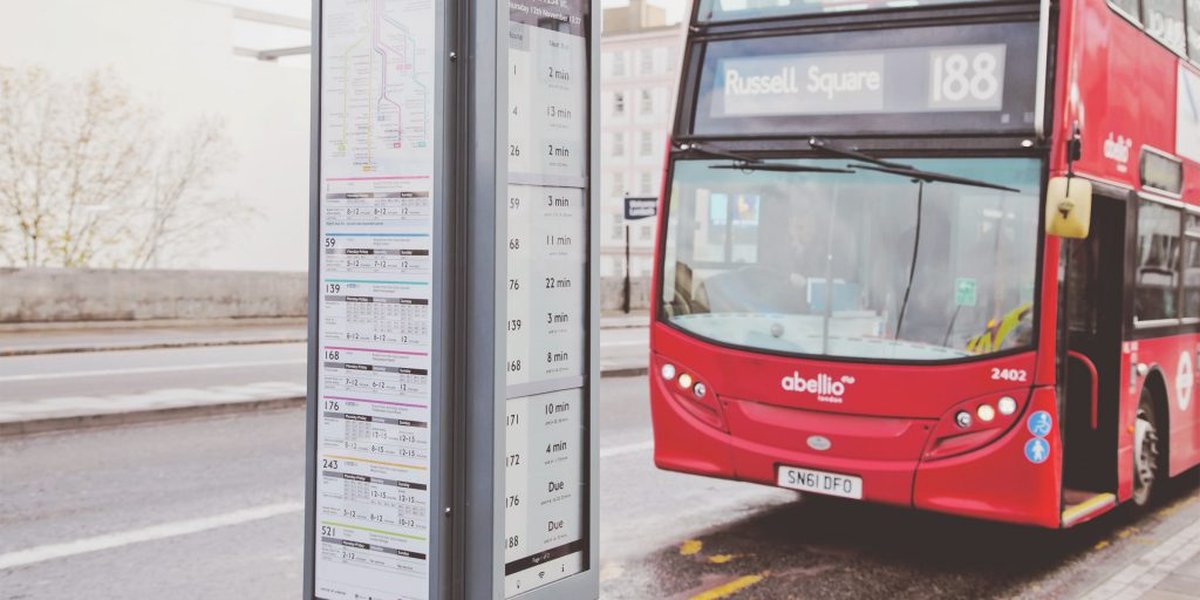
Modern digital bus stops display route numbers and real-time information, aiding passenger navigation.
Interaction with Other Bodies and Challenges
The Traffic Commissioners do not operate in a vacuum; they interact with various stakeholders and face ongoing challenges in maintaining an effective and safe transport network.
Collaboration with Local Authorities and Operators
Traffic Commissioners work closely with local transport authorities and bus operators. For instance, when a local transport authority implements a franchising scheme, they may request delegation of bus registration functions from the Traffic Commissioner. Operators are also required to notify all councils their proposed route passes through. This collaborative approach is essential for a coherent public transport system.
Ensuring Compliance and Public Safety
A primary objective of the Traffic Commissioners is to prioritize the safety of road users and promote fair competition. They encourage operators to establish robust safety management systems and engage with industry representatives, trade organizations, and passenger groups to address concerns. Disciplinary actions, including licence revocations or suspensions, can be imposed for non-compliance, highlighting the Commissioners' enforcement powers.
| Aspect of Bus Regulation | Traffic Commissioner's Role | Operator's Responsibility | Local Authority's Involvement |
|---|---|---|---|
| Route Numbering | Registers the service details, including route number. Does not typically dictate the specific number, which often has historical or local operator origins. | Assigns and displays route numbers, often inheriting historical designations or following internal company logic. | May influence numbering in specific schemes (e.g., London's TfL). |
| Service Registration | Receives and processes applications for new or changed local bus services, ensuring compliance with legal requirements. | Submits detailed applications (route, timetable, map, service type) and pays registration fees. | Notified of new services; may become the registration authority under specific schemes (franchising/enhanced partnership). |
| Operational Standards | Enforces compliance with driver hours, vehicle maintenance, and other safety regulations through monitoring and public inquiries. | Must adhere to all operational standards and licence conditions, maintaining records for inspection. | May highlight local issues or concerns regarding service reliability or safety to Traffic Commissioners. |
| Disciplinary Actions | Holds public inquiries and imposes sanctions (e.g., warnings, licence suspensions, revocations) for non-compliance. | Faces potential sanctions for breaches of regulations or licence conditions. | Can object to licence applications or report non-compliant operators to the Traffic Commissioner. |
This table summarizes the intertwined responsibilities of Traffic Commissioners, bus operators, and local authorities in the regulation of UK bus services, emphasizing the Commissioners' central role in oversight and enforcement.
Future of Bus Regulation and Numbering
The landscape of bus transport is continuously evolving, with discussions around new technologies, passenger demand, and environmental concerns. While the core responsibilities of Traffic Commissioners remain robust, their role will continue to adapt to these changes. The drive towards better public data on bus services, as evidenced by initiatives like the Bus Open Data Service, also points towards increased transparency and accessibility of route information for passengers and policymakers alike.
Frequently Asked Questions
Why do bus route numbers seem arbitrary?
What is a Traffic Commissioner?
Is bus route registration different in London?
Can a bus route number change?
Conclusion
The numbering and registration of bus routes in the UK are far from a simple process. They are deeply rooted in history, reflecting the evolution of public transport from horse-drawn omnibuses to modern bus networks. Central to this system are the Traffic Commissioners, independent officials who play a vital, multifaceted role in licensing operators, registering services, and enforcing stringent compliance standards. Their work ensures that bus services across Great Britain are safe, reliable, and contribute effectively to the wider transport infrastructure, balancing historical continuity with contemporary regulatory needs. Understanding this intricate framework provides a greater appreciation for the complex logistical and regulatory efforts that keep the UK's buses running every day.
Recommended Further Exploration
- Explore the fascinating history behind London's iconic bus numbering system.
- Delve deeper into the extensive powers and responsibilities of the Traffic Commissioners.
- Understand the step-by-step process for registering a new local bus service in the UK.
- Investigate how EU regulations, particularly on driver hours, affect UK bus service operations.
Referenced Search Results
 mancunian1001.wordpress.com
 assets.publishing.service.gov.uk