
Unlocking Zesty Success: Your Ultimate Guide to Growing Citrus in the UK!
Discover the secrets to cultivating thriving citrus trees and harvesting your own sunny fruits, even in the UK's challenging climate.
Essential Insights for UK Citrus Growers
- Container cultivation is paramount: Growing citrus in pots allows for essential mobility to protect trees from frost and optimize sunlight exposure.
- Variety selection is crucial: Opt for hardier varieties like Meyer Lemons, Kumquats, and Calamondin Oranges, which are better adapted to cooler temperatures.
- Winter protection is non-negotiable: Providing a frost-free environment, such as a conservatory or cool, bright room, during colder months is key to survival and fruiting.
Mastering Citrus Cultivation in the UK Climate
Cultivating citrus trees in the United Kingdom, while challenging due to its temperate climate, is an achievable and rewarding endeavour. Success hinges on replicating the warmer, sunnier conditions these plants naturally prefer and protecting them from the UK's colder periods. Here’s a comprehensive guide to help you grow healthy, fruit-bearing citrus trees.
The Importance of Location and Light
Maximising Sunlight Exposure
Citrus trees are sun-lovers. During the warmer months (typically late May to September), position your citrus tree in the sunniest, most sheltered spot available. A south- or west-facing wall is ideal as it provides maximum sunlight and reflects heat, creating a microclimate. Adequate sunlight is vital for photosynthesis, growth, and fruit development.
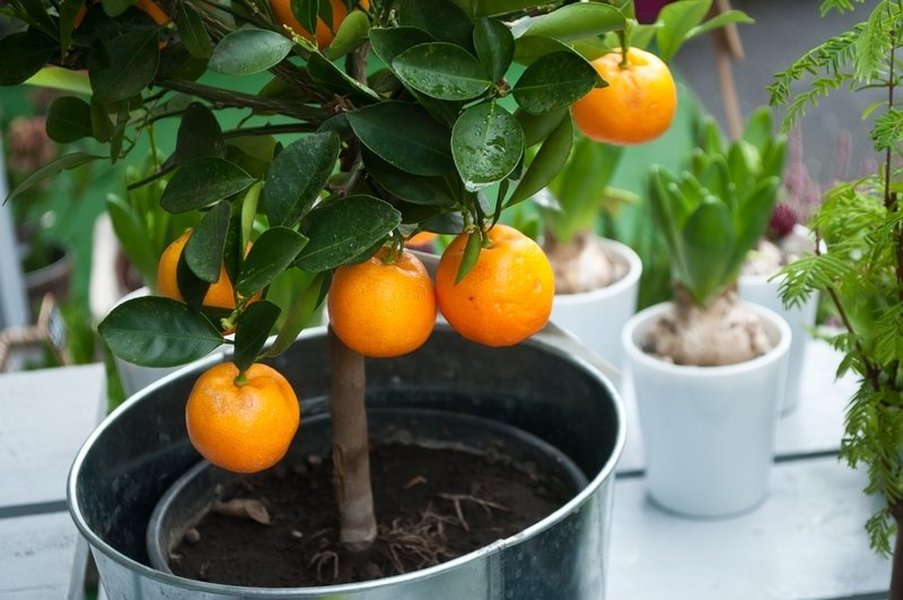
A potted citrus tree, highlighting the common method for UK cultivation.
Container Growing: Your Secret Weapon
Mobility and Control
Growing citrus trees in containers, such as terracotta pots, is highly recommended in the UK. This practice offers several advantages:
- Mobility: Pots allow you to easily move trees indoors to a protected environment during autumn and winter, shielding them from frost and harsh weather.
- Soil Control: You can provide the precise soil conditions citrus trees need, which might be difficult to achieve in garden beds.
- Drainage: Containers facilitate better drainage, which is critical for preventing root rot.
Choose a pot that is appropriately sized for the tree, allowing room for root growth but not excessively large, which can lead to waterlogged soil. Ensure there are ample drainage holes.
Temperature Management: A Year-Round Concern
Winter Protection Strategies
Citrus trees are not frost-hardy. They generally require a minimum winter temperature of 7°C to 10°C (44°F to 50°F), although some hardy varieties can tolerate slightly lower for brief periods. Ideal overwintering locations include:
- Conservatories: These provide good light and protection from frost.
- Greenhouses: A frost-free greenhouse is an excellent option.
- Bright, Cool Indoor Rooms: A well-lit room that doesn't get too warm (avoid centrally heated rooms with dry air) can suffice. Good ventilation is also important.
Move trees indoors before the first frosts, typically in autumn, and bring them back outdoors in late spring after the risk of frost has passed. Acclimatise them gradually to outdoor conditions over a week or two to prevent shock.
Watering Wisdom for Healthy Roots
Balancing Moisture and Drainage
Proper watering is crucial. Citrus trees prefer consistently moist but not waterlogged soil. Overwatering is a common pitfall, especially in winter.
- Summer: Water thoroughly when the top inch or two of soil feels dry. During hot, sunny weather, this might be several times a week. Always allow excess water to drain away freely; do not let the pot stand in a saucer of water for extended periods.
- Winter: Reduce watering significantly. Allow the compost to dry out more between waterings. The cooler temperatures and reduced light mean the tree's water uptake is much lower.
- Water Quality: Rainwater or dehumidifier water is preferred, as tap water in some UK areas can be alkaline, which citrus trees dislike over time.
Humidity Considerations
Citrus trees appreciate higher humidity levels than typically found in centrally heated homes. Indoors, especially during winter, mist the leaves regularly with water or place the pot on a tray of wet pebbles (ensuring the pot base is not sitting in water) to increase local humidity. This can help prevent leaf drop.
Soil and Repotting Essentials
The Right Growing Medium
Citrus trees thrive in well-draining, slightly acidic compost. Use a specialist citrus compost or an ericaceous compost mixed with John Innes No. 2 or No. 3 for structure and nutrients. The ideal pH range is between 6.0 and 7.0. Avoid general multi-purpose composts if they contain lime, which can lead to nutrient deficiencies (e.g., yellowing leaves).
Repotting Schedule
Repot your citrus tree every few years, typically in the spring. This refreshes the compost and provides more space for root growth. Choose a pot that is only slightly larger than the previous one. Signs that a tree needs repotting include slowed growth or roots growing out of the drainage holes.
Feeding for Fruitfulness
Nutrient Needs of Citrus
Citrus trees are heavy feeders, especially when grown in pots where nutrients are limited. Regular feeding during the growing season (spring to autumn) is essential for healthy growth, flowering, and fruit production.
- Use a balanced liquid citrus fertiliser, which is specially formulated with the necessary macro and micronutrients (e.g., nitrogen, potassium, magnesium, iron).
- Feed weekly or fortnightly according to the product instructions. Some growers also supplement with liquid seaweed extract.
- Reduce or stop feeding during the winter months when the tree's growth slows down.
Pruning for Shape and Health
Minimal Intervention
Citrus trees generally require minimal pruning. The main aims are to maintain an open, bushy shape, remove any dead, damaged, or crossing branches, and improve air circulation. The best time to prune is usually in early spring, before new growth starts, or after fruiting. Tipping new growth can encourage a bushier habit.
Pest and Disease Vigilance
Common Issues and Solutions
Keep an eye out for common citrus pests such as scale insects, mealybugs, and aphids, especially when trees are indoors. Regular inspection allows for early intervention. Pests can often be managed by wiping them off with a damp cloth, using horticultural soap sprays, or biological controls. Ensuring good air circulation and avoiding overly stressed conditions can help prevent infestations. Leaf drop can occur due to sudden changes in temperature, light, or watering routines; try to maintain stable conditions.
Top Citrus Varieties for UK Gardens
Selecting the right variety is fundamental for success in the UK. Some citrus types are naturally more resilient to cooler conditions and better suited for container growing.
-
Meyer Lemon (Citrus x meyeri)
Often cited as one of the easiest and most rewarding citrus trees for the UK. It's a hybrid of a lemon and a mandarin/pomelo, resulting in fruits that are sweeter and less acidic than traditional lemons, with thinner skin. Meyer lemons are relatively cold-hardy (can tolerate brief drops to around -5°C when mature and protected) and productive, often flowering and fruiting for much of the year. They are well-suited to pot cultivation.
-
Kumquat (Fortunella spp.)
Kumquats are among the most cold-tolerant citrus, capable of withstanding temperatures down to -2°C or even slightly lower for short periods, especially when mature. They produce small, oval or round fruits that can be eaten whole, peel and all. The peel is sweet, and the pulp is tart. They are highly ornamental and generally yield well in pots.
-
Calamondin Orange (Citrofortunella microcarpa)
A cross between a mandarin and a kumquat, Calamondin oranges are small, ornamental trees that are quite resilient. They produce abundant small, round, sour fruits that look like miniature oranges. While too tart for fresh eating for most, they are excellent for marmalade, drinks, or as a culinary flavouring. Calamondins can tolerate cooler conditions and often fruit and flower simultaneously, making them attractive year-round. They adapt well to indoor overwintering.
-
Yuzu (Citrus junos)
This hardy citrus, originating from East Asia, is prized for its aromatic zest and tart juice, widely used in Japanese and Korean cuisine. Yuzu trees are more cold-tolerant than many other citrus varieties, making them a viable option for UK growers, particularly those with some experience. They require good drainage and protection from severe frost but can be grown outdoors in milder parts of the UK with care or in pots for winter protection.
-
Lemon 'Eureka' / 'Four Seasons' (Citrus limon 'Eureka')
A popular commercial lemon variety, 'Eureka' (often sold as 'Four Seasons' or 'Quatre Saisons') is known for its ability to produce fruit and flowers throughout the year under good conditions. It's a vigorous grower and produces classic tart lemons. While needing frost protection, it performs well in containers in the UK.
-
Tahiti Lime (Citrus latifolia)
Limes generally prefer warmer conditions than lemons, making them more challenging in the UK. However, the Tahiti Lime (also known as Persian Lime) is a seedless variety that can be grown in pots. It requires consistent warmth and protection, ideally in a conservatory or heated greenhouse year-round, but can be moved to a sunny patio in summer. It produces classic green limes.
-
Bitter Orange / Seville Orange (Citrus x aurantium)
Known for being the key ingredient in marmalade, Seville oranges are relatively vigorous and can tolerate slightly cooler conditions than sweet oranges. They still require frost protection but can be a rewarding choice for the dedicated UK citrus grower.
Interactive Citrus Care Factors Radar Chart
This chart visualizes the relative importance and attention required for various care aspects when growing citrus trees in the UK. A higher score indicates a greater need for focus or a more critical factor for success. This is an illustrative guide based on general UK conditions.
This radar chart emphasizes that Frost Protection and ensuring adequate Sunlight Exposure are paramount. Proper Watering and Good Drainage are also critical to prevent root issues. While all factors are important, these have a particularly high impact on survival and fruiting in the UK's climate.
Visualizing Citrus Success: A Mindmap
To help you grasp the key elements of growing citrus in the UK, this mindmap provides a visual overview of essential cultivation techniques and suitable varieties.
(Sunny, Sheltered)"] id2["Container Growing
(Pots, Mobility)"] id3["Temperature Control
(Winter Protection >7-10°C)"] id4["Watering
(Moist, not Waterlogged,
Reduce in Winter)"] id5["Soil & Repotting
(Acidic/Ericaceous,
Good Drainage)"] id6["Feeding
(Citrus Fertiliser,
Growing Season)"] id7["Pruning
(Minimal, for Health/Shape)"] id8["Pest & Disease
(Vigilance, Humidity)"] ["Suitable Varieties"] sub1["Meyer Lemon
(Hardy, Sweet Fruit)"] sub2["Kumquat
(Cold Tolerant, Small Fruit)"] sub3["Calamondin Orange
(Ornamental, Resilient)"] sub4["Yuzu
(Hardy, Culinary Use)"] sub5["Lemon 'Eureka'/'Four Seasons'
(Productive)"] sub6["Tahiti Lime
(Warmer Needs, Pot Culture)"] sub7["Bitter/Seville Orange
(For Marmalade, Hardyish)"]
This mindmap branches out from the central theme of "Citrus Cultivation in the UK" into two main categories: "Cultivation Techniques" and "Suitable Varieties." Each branch details specific actions or types of citrus, offering a quick reference to the core information needed for successful growing.
Watch and Learn: Expert Advice on UK Citrus Care
For visual learners, this video from the Royal Horticultural Society (RHS) offers expert advice on keeping citrus plants healthy, particularly focusing on winter care, which is a critical aspect for UK growers. It covers choosing the right compost, watering, feeding, and positioning your citrus trees for optimal health and fruit production.
This RHS guide provides valuable insights into the nuances of citrus care in a temperate climate, reinforcing many of the principles discussed, such as the importance of frost protection, appropriate watering, and selecting suitable varieties like lemons.
Comparing Top Citrus Choices for the UK
To help you choose the best citrus tree for your situation, here's a table summarizing key characteristics of the most recommended varieties for the UK climate:
| Variety | Relative Hardiness | Fruit Type | Primary Use | Key Features for UK Growing |
|---|---|---|---|---|
| Meyer Lemon | Good | Sweet-tart lemon | Culinary, Fresh | More cold-tolerant than other lemons, productive in pots. |
| Kumquat | Very Good | Small, sweet peel, tart pulp | Eaten whole, Preserves | One of the hardiest citrus, good for beginners, ornamental. |
| Calamondin Orange | Good | Small, sour orange | Marmalade, Culinary, Ornamental | Resilient, tolerates indoor conditions well, fruits and flowers year-round. |
| Yuzu | Good | Aromatic, tart | Zest, Juice, Culinary | Hardy for citrus, unique flavour profile. Requires good drainage. |
| Lemon 'Eureka' / 'Four Seasons' | Moderate | Classic tart lemon | Culinary, Fresh | Reliable fruiting throughout the year in good conditions. |
| Tahiti Lime | Lower | Seedless green lime | Drinks, Culinary | Needs consistent warmth; best for conservatories or very mild areas. |
| Bitter/Seville Orange | Moderate | Sour orange | Marmalade | Relatively vigorous; essential for marmalade enthusiasts. |
This table provides a quick comparison to aid in selecting a citrus variety that matches your available growing conditions and desired fruit type. Remember that "hardiness" is relative for citrus, and all varieties will require some form of winter protection in most parts of the UK.
Frequently Asked Questions (FAQ)
Can I plant citrus trees directly in the ground in the UK?
Generally, it is not recommended to plant most citrus trees directly in the ground in the UK due to the risk of frost and cold, wet soil in winter. Container growing is preferred as it allows you to move the trees to a protected environment during cold weather. Only in very mild, sheltered coastal areas of the UK, and with exceptionally hardy varieties, might outdoor planting be considered, but it remains risky.
Why are my citrus tree's leaves turning yellow?
Yellowing leaves (chlorosis) on citrus trees can be caused by several factors:
- Nutrient deficiency: Most commonly nitrogen, iron, or magnesium. Ensure you are using a specific citrus fertiliser regularly during the growing season.
- Overwatering or poor drainage: Waterlogged roots cannot absorb nutrients effectively.
- Cold temperatures: Stress from cold can cause yellowing.
- Incorrect soil pH: If the soil is too alkaline, the tree cannot take up certain nutrients. Citrus prefer slightly acidic soil.
- Pest infestation: Pests like spider mites can cause stippling and yellowing.
Check your care routine, soil, and inspect for pests to identify the cause.
How often should I repot my citrus tree?
Young, actively growing citrus trees may need repotting every 2-3 years. Mature trees may need it less frequently. Repot in spring into a container that is only one or two sizes larger than the current one, using fresh citrus or ericaceous compost. Signs that a tree needs repotting include roots growing out of the drainage holes, water running straight through the pot very quickly, or slowed growth despite good care.
When do citrus trees fruit in the UK?
The fruiting time can vary depending on the citrus variety and growing conditions. Some varieties, like Meyer lemons or Calamondin oranges, can flower and fruit almost year-round if conditions are favorable. Generally, flowering often occurs between February and May. Fruits then develop over several months, with many varieties ripening in autumn or winter. For example, lemons often ripen through the winter months. It can take 2-3 years for a young grafted tree to start producing a significant crop.
Explore Further
If you're interested in delving deeper into specific aspects of citrus care or exploring related gardening topics, these queries might pique your interest:
- How to deal with common pests on indoor citrus trees?
- What are the best organic fertilisers for citrus plants in pots?
- Step-by-step guide to pruning citrus trees for maximum fruit yield.
- Can you grow other subtropical fruits in the UK climate?
References
Last updated May 13, 2025