
Unlocking the UK's Educational Journey: How Schools Shape Futures
A clear guide to the structure, stages, and evolution of the British school system.
The United Kingdom's school education system provides a structured pathway for learners, guiding them from their earliest years through to adolescence and preparing them for further study or the world of work. Understanding how this system is set up involves looking at its distinct stages, the curriculum followed, and the assessments used to measure progress.
Key Highlights of the UK Education System
- Structured Progression through Key Stages: Education is divided into clear phases (Early Years, Primary, Secondary) marked by Key Stages (KS1-KS4), each with specific learning goals and assessments.
- Compulsory Education Core: Schooling is mandatory for children aged 5 to 16, covering primary and secondary education, focusing on a national curriculum including core subjects like English, Maths, and Science.
- Diverse Pathways Post-16: After GCSEs at age 16, students have options for further education, including academic routes (A-levels), vocational qualifications (BTECs), or apprenticeships, allowing specialization.
The Architectural Framework: Stages of UK Education
The UK's education system is generally segmented into four main parts, although compulsory schooling primarily covers the first three. These stages ensure a logical flow from foundational learning to specialized knowledge.
1. Early Years Foundation Stage (EYFS): Ages 0-5
This initial stage, while not compulsory for all ages within it, lays the groundwork for future learning. It includes nurseries, pre-schools, and reception classes (the first year of primary school, often attended from age 4).
Key Focus Areas
The EYFS framework guides development through play-based activities focusing on:
- Communication and language
- Physical development
- Personal, social, and emotional development
- Literacy
- Mathematics
- Understanding the world
- Expressive arts and design
Eligible families can access free childcare hours, encouraging participation. The focus here is on holistic development in preparation for more formal schooling.
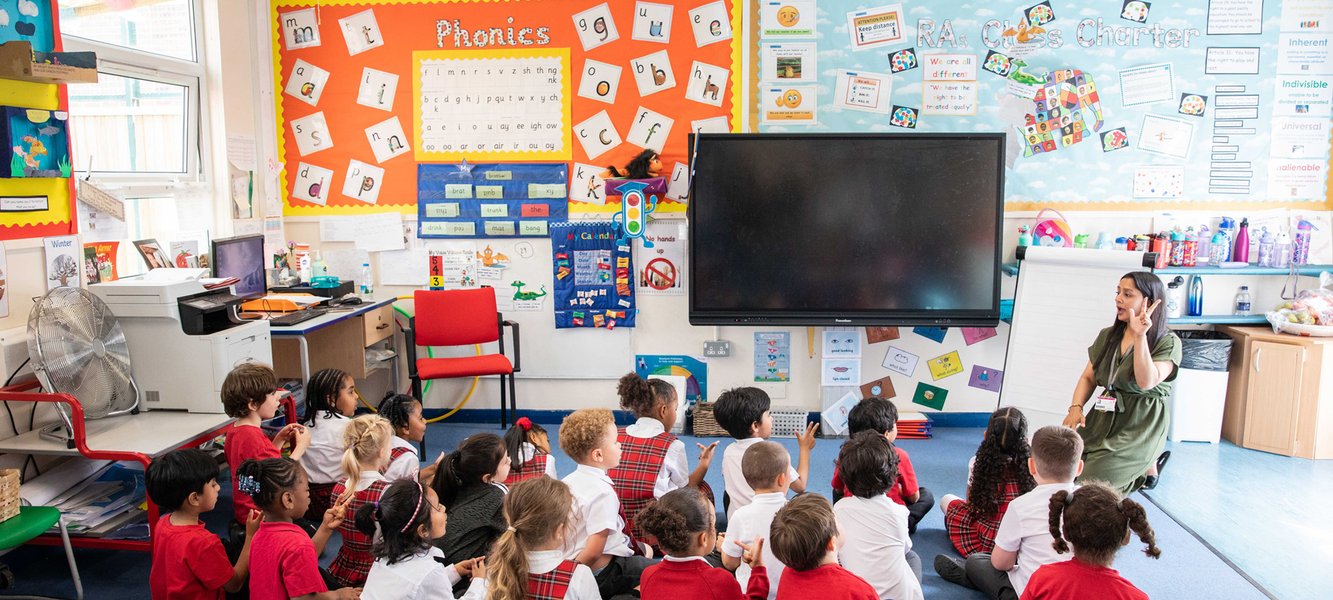
Early years education emphasizes foundational skills through interaction and play.
2. Primary Education: Ages 5-11
This is the first stage of compulsory education, where formal academic learning begins. It's divided into two Key Stages:
Key Stage 1 (KS1): Ages 5-7 (Years 1-2)
Focuses on fundamental skills in reading (including phonics screening checks), writing, and mathematics.
Key Stage 2 (KS2): Ages 7-11 (Years 3-6)
Builds upon KS1, introducing more complex concepts across a broader curriculum. Subjects include English, Maths, Science, History, Geography, Art & Design, Music, Physical Education (PE), Computing, and often a modern foreign language.
Assessment
Student progress is assessed by teachers throughout. Standard Assessment Tests (SATs) are typically taken at the end of KS2 (age 11) in English and Maths to gauge attainment before secondary school.

Primary education builds core academic skills within a structured curriculum.
3. Secondary Education: Ages 11-16
Secondary education continues the compulsory phase, deepening subject knowledge and preparing students for national qualifications. It comprises two Key Stages:
Key Stage 3 (KS3): Ages 11-14 (Years 7-9)
Students study a wide range of subjects based on the national curriculum, including English, Maths, Science (often taught as Biology, Chemistry, Physics), History, Geography, Modern Foreign Languages, Design & Technology, Art & Design, Music, PE, and Computing.
Key Stage 4 (KS4): Ages 14-16 (Years 10-11)
This stage focuses on preparing for the General Certificate of Secondary Education (GCSE) exams. Students study core subjects (English Language, English Literature, Maths, Science) alongside several optional subjects they choose based on interests and future plans.
Assessment
GCSEs are the primary assessment at age 16. These qualifications are crucial for progressing to further education or employment.
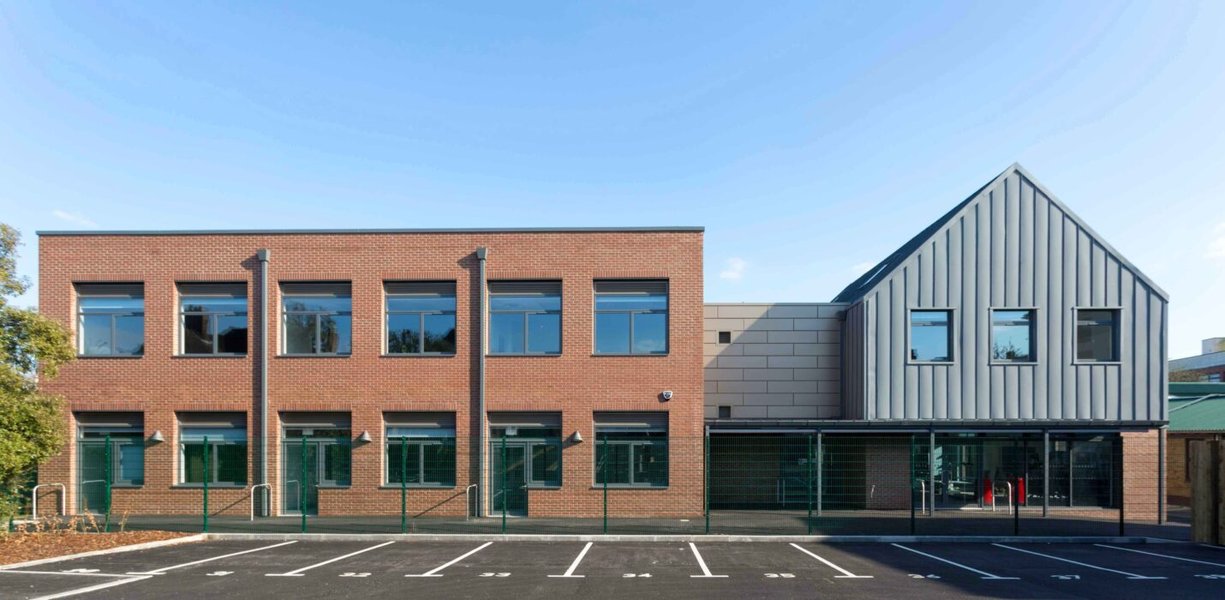
Secondary schools provide deeper subject knowledge leading to GCSE qualifications.
Comparing Educational Stages
The different stages of UK education vary in their structure, focus, and assessment methods. The radar chart below provides a visual comparison across key dimensions for Primary, Secondary (KS3 & KS4), and Further Education (Post-16).
This chart highlights how the system transitions from a broad, compulsory foundation in primary and early secondary education towards greater specialization, student choice, and varied assessment methods in KS4 and further education.
Navigating the System: A Visual Map
The UK education system follows a clear progression. This mindmap illustrates the typical journey from early years through to post-16 options.
Ages 5-7 / Years 1-2"] id2a1["Phonics Check"] id2a2["Teacher Assessments"] id2b["Key Stage 2 (KS2)
Ages 7-11 / Years 3-6"] id2b1["Core Subjects: Eng, Maths, Sci"] id2b2["SATs Exams (End of KS2)"] id3["Secondary Education (11-16 yrs)"] id3a["Key Stage 3 (KS3)
Ages 11-14 / Years 7-9"] id3a1["Broad Curriculum"] id3b["Key Stage 4 (KS4)
Ages 14-16 / Years 10-11"] id3b1["Core + Optional Subjects"] id3b2["GCSE Exams"] id4["Post-16 Education / Further Education (16-18+ yrs)"] id4a["A-Levels (Academic)"] id4b["Vocational Qualifications (e.g., BTEC)"] id4c["Apprenticeships"] id4d["Sixth Form / FE College"] id5["Higher Education (18+ yrs)"] id5a["University / HE College"] id5b["Undergraduate Degrees"] id5c["Postgraduate Degrees"]
This map shows the main pathways students typically follow, highlighting the key stages and transitions within the compulsory (5-16) and post-compulsory phases.
Beyond Compulsory Schooling: Further and Higher Education
Further Education (FE): Ages 16-18+
After completing compulsory secondary education at age 16 (marked by GCSEs), students must participate in some form of education or training until age 18. They can choose from several routes:
- A-Levels (Advanced Levels): Typically two-year academic courses focusing on 3-4 subjects, primarily designed for university entry.
- Vocational Qualifications: Practical, career-focused courses like BTECs, NVQs, or the newer T-Levels, offered in various subjects like engineering, health, or digital media.
- Apprenticeships: Combine on-the-job training with study, leading to qualifications while earning a wage.
These options are usually pursued at a school's sixth form, a separate sixth form college, or a further education (FE) college. As of 2025, initiatives like Skills England aim to better align these pathways with national skills needs.
Higher Education (HE): Ages 18+
Higher education typically refers to university-level study, leading to degrees.
- Undergraduate Degrees: Bachelor's degrees (e.g., BA, BSc), usually lasting three years (longer in Scotland or for certain courses like medicine).
- Postgraduate Degrees: Master's degrees (e.g., MA, MSc) and Doctorates (PhDs) for further specialization or research.
Entry usually requires specific A-level results or equivalent vocational qualifications.
Understanding the Curriculum and Governance
The National Curriculum
In England, state-funded schools must follow the National Curriculum. This framework outlines:
- The subjects taught.
- The knowledge, skills, and understanding required in each subject.
- Targets for student attainment levels at different stages.
- How student progress should be assessed and reported.
Core subjects mandated throughout compulsory education include English, Mathematics, and Science. Other foundation subjects like History, Geography, Modern Foreign Languages, Art, Music, PE, and Computing are also included. Religious Education (RE) is also compulsory, although parents can withdraw their children.
Academies, free schools, and private schools have more flexibility regarding the curriculum but are still inspected and held to account for educational standards.
Governing Bodies and Oversight
Several bodies regulate and oversee education in the UK:
- Department for Education (DfE): Responsible for education policy in England. (Education is a devolved matter, so Scotland, Wales, and Northern Ireland have their own departments).
- Ofsted (Office for Standards in Education, Children's Services and Skills): Inspects schools, colleges, and childcare providers in England.
- Ofqual (Office of Qualifications and Examinations Regulation): Regulates qualifications, exams (like GCSEs and A-levels), and assessments in England.
Current Developments (as of 2025)
The UK education system is continuously evolving. Key areas of focus in 2025 include:
- SEND Review Implementation: Ongoing efforts to improve support for children with Special Educational Needs and Disabilities (SEND), including standardizing support through a National Standards Framework and digitizing Education, Health and Care Plans (EHCPs) to streamline processes.
- Skills Agenda: Increased focus on vocational training and skills alignment with economic needs, spearheaded by bodies like Skills England aiming for a unified post-16 strategy.
- Funding and Staffing: Addressing ongoing challenges related to school funding and teacher recruitment/retention remains a priority.
Video Explanation: The UK Education System
For a visual and auditory overview, this video provides a concise explanation of the British education system, covering the key stages from primary through to further education.
The video helps clarify the progression between different school types and qualification levels, complementing the information provided here.
Key Stages and Assessments Summary
The following table summarizes the core structure of compulsory education in the UK, detailing the Key Stages, typical age ranges, school years, and major assessments.
| Stage | Key Stage | Age Range | School Years | Focus & Key Assessments |
|---|---|---|---|---|
| Early Years | EYFS | 0-5 | Nursery / Reception | Foundation skills, guided by Early Years Foundation Stage framework. Baseline assessment in Reception. |
| Primary Education | Key Stage 1 (KS1) | 5-7 | Years 1-2 | Foundational literacy (inc. Phonics Screening Check) & numeracy. Teacher assessments. |
| Key Stage 2 (KS2) | 7-11 | Years 3-6 | Broader curriculum. National Curriculum Tests (SATs) in English and Maths at end of KS2. | |
| Secondary Education | Key Stage 3 (KS3) | 11-14 | Years 7-9 | Broad subject range building on KS2. Teacher assessments. |
| Key Stage 4 (KS4) | 14-16 | Years 10-11 | Core subjects + options. Culminates in GCSE examinations. |
Frequently Asked Questions (FAQ)
What age does compulsory education start and end?
Compulsory education starts at the age of 5 (the term after their fifth birthday, although many start primary school in the September after turning 4) and continues until the age of 16. However, young people must then remain in some form of education or training (like A-levels, vocational courses, or apprenticeships) until they turn 18.
What are GCSEs and A-Levels?
GCSEs (General Certificate of Secondary Education) are qualifications taken by students typically at age 16 (end of Key Stage 4) in various subjects. A-Levels (Advanced Levels) are subject-based qualifications usually taken over two years (ages 16-18) after GCSEs, commonly required for university entry.
Are schools the same across the whole UK?
No, education is a devolved matter. While the overall structure (primary, secondary, etc.) is similar, England, Scotland, Wales, and Northern Ireland each have their own education systems, curricula, qualifications (e.g., Scotland has National 5s and Highers instead of GCSEs and A-Levels), and governing bodies. This response primarily focuses on the system in England, which is often used as a reference point.
What types of schools are there?
Most children attend state-funded schools, which are free. These include community schools, foundation schools, voluntary aided/controlled schools (often faith-based), academies, and free schools. Some areas also have state-funded grammar schools that select pupils based on academic ability. Additionally, there are independent (private or public) schools that charge fees.
Recommended
- Explore the specific subjects covered in the UK National Curriculum during early secondary school.
- Understand how the education systems vary across the different nations of the UK.
- Learn about the newer vocational T-Level qualifications and compare them to traditional post-16 options.
- Discover the process and criteria used by Ofsted when inspecting schools in England.
References
 assets.publishing.service.gov.uk
assets.publishing.service.gov.uk
assets.publishing.service.gov.uk
Last updated April 29, 2025