
Peace Negotiations for Ukraine: An In-Depth Analysis
A comprehensive overview of the evolving diplomatic efforts to end the conflict in Ukraine
Key Highlights
- US-Russia High-Level Talks: The United States and Russia have initiated direct negotiations aiming to lay the groundwork for a broader peace process.
- Exclusion and Demands: Ukraine’s insistence on involvement—demanding its own terms and participation—clashes with Russian territorial and security demands.
- International and European Stance: European leaders are actively engaged, convening emergency summits and proposing support packages to ensure a stable and inclusive process.
Overview of the Negotiation Landscape
Diplomatic Initiatives and High-Level Talks
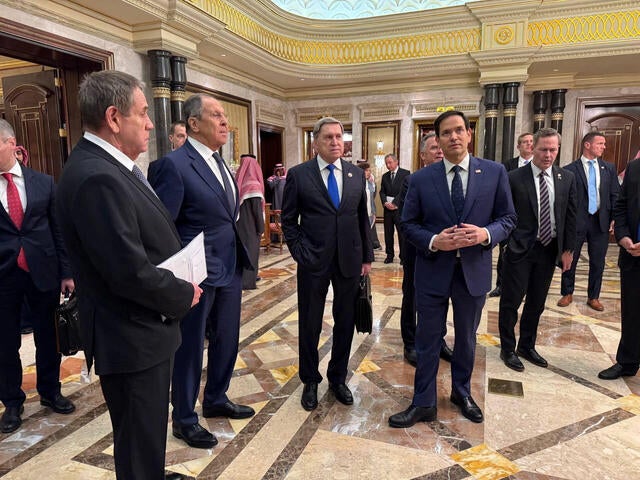
Recent developments in the peace negotiations for Ukraine have focused on high-level dialogues between the United States and Russia, occurring in an environment characterized by both promise and controversy. These talks, conducted in Riyadh, Saudi Arabia, mark the most extensive bilateral discussions between the two states in years. The discussions spanned several hours and reflected a notable willingness by the involved parties to explore avenues for conflict resolution.
In these meetings, both nations agreed to form dedicated high-level teams intended to support eventual peace negotiations specific to Ukraine. The initiative is seen as a preliminary step toward a larger global peace plan, and it signals an effort to reinvigorate US-Russia relations that have been strained over the course of the conflict. However, these talks have also been critiqued as largely symbolic, given that Ukraine itself was not directly included in the discussions. This exclusion has generated significant controversy, as it raises questions about the legitimacy and long-term viability of any agreements achieved without the participation of an affected party.
Ukraine’s Position and Core Demands
The Ukrainian Perspective
Ukraine remains resolute in demanding direct participation in any negotiations designed to end the conflict. Ukrainian President Volodymyr Zelenskyy has been vocal on the international stage, stating categorically that any deal finalized without Ukraine's meaningful involvement would not be recognized. This stance is grounded in Ukraine's commitment to maintaining its sovereignty and ensuring that the peace process addresses its core security concerns.
Ukraine’s long-standing conditions for peace include several non-negotiable points: the complete withdrawal of Russian troops from its territory, the prosecution of Russian leaders for alleged war crimes, and the establishment of robust security guarantees to deter any future aggression. By insisting on these conditions, Ukraine is attempting to ensure that any peace arrangement not only ends the immediate hostilities but also provides a sustainable framework for preventing the recurrence of violence.
Economic and Security Dimensions
The negotiations are not solely about ending the military conflict; they also branch into economic and security territories. On the economic front, discussions have touched upon the potential integration of economic and investment opportunities that might emerge in a post-conflict scenario. Key figures from the United States highlighted that a successful peace deal could catalyze significant economic benefits for both Ukraine and the broader region.
From a security standpoint, Ukraine’s demands for guarantees extend beyond immediate military concerns. The country seeks assurances that its future will not be marred by renewed aggression, which involves discussions related to the potential deployment or absence of NATO forces in the region. In contrast, Russia has maintained a firm position, requiring recognition of its control over occupied territories and related geopolitical concessions.
US-Russia Negotiations: Dynamics and Implications
Nature of US-Russia Dialogue
The United States’ engagement with Russia, spearheaded by its administration, represents an attempt to bring a fresh perspective to the stalled peace process. These high-profile talks, despite lasting over four hours, served primarily as an initial exploration of common ground, rather than leading to a definitive resolution. The discussions were characterized by a careful balance: on one hand, an attempt to normalize relations between the two powers, and on the other, a strategy to potentially leverage these talks to influence the outcome of the wider Ukraine conflict.
A prominent feature of these negotiations has been the formulation of plans to create a high-level team dedicated to supporting Ukraine peace talks. This approach underscores the intention of reintegrating broader diplomatic efforts into the peace process at a later stage, thus leaving open the possibility for Ukraine's role to be formalized in future discussions.
Underlying Disagreements and Stumbling Blocks
Despite the initial progress, several core disagreements remain unresolved. The most pressing issues involve conflicting territorial and strategic demands. Russia’s insistence on retaining control over the areas it currently occupies clashes directly with Ukraine’s demand for a complete withdrawal of Russian troops. Furthermore, Russia has sought to secure recognition for its claims over additional territories—an issue that complicates any potential peace deal due to the fundamental clash of interests.
Another significant point of contention is the issue of NATO membership. Ukraine’s aspirations to join NATO have historically been a flashpoint in Russia’s strategic calculus. The Russian position has been unwavering in its demand that Ukraine abandon any ambitions to join the Western military alliance, while Ukraine views its potential NATO membership as a critical element of its security policy.
Table: Core Negotiation Issues
| Issue | Ukraine’s Stance | Russia’s Stance |
|---|---|---|
| Territorial Control | Complete withdrawal of Russian troops from occupied territories | Retention of occupied territories and additional regions |
| War Crimes Accountability | Prosecution of Russian leaders for alleged war crimes | No such prosecutions, emphasis on legitimizing territorial claims |
| NATO Membership | Continued aspiration to join NATO for greater security | Demand for Ukraine to renounce all NATO membership ambitions |
| Security Guarantees | Implementation of measures to prevent future aggression | Opposition to a Western military presence and expansion |
International and European Reactions
European Leaders' Position and Emergency Summits
The exclusion of Ukraine from initial negotiations has provoked a strong response from European nations. In reaction, European leaders have orchestrated emergency summits, notably one held in Paris, aimed at addressing both the diplomatic and military dimensions of the conflict. These meetings indicate a broader sense of urgency among European countries to shape the peace process and ensure that their strategic interests are safeguarded.
The summits have also spotlighted the potential role of peacekeeping forces. Some European nations are actively considering proposals that would see the deployment of peacekeeping troops as part of a broader peacekeeping agreement. This measure is intended not only as a guarantee of order during the transition to peace but also as a deterrent against any resurgence of hostilities.
Global Perspectives and Criticisms
The dynamics of the negotiations have drawn mixed global reactions. While some international observers see the talks as an important step toward normalizing relations between the world’s major powers, others criticize the approach for sidelining Ukraine—the principal victim of the conflict. Many experts argue that excluding Ukraine from the forefront of negotiations undermines the legitimacy of any peace deal reached, potentially sowing the seeds of future instability.
Critics have also highlighted the timing and nature of the discussions. There is a prevailing sentiment that the peace process, as it stands, may be more reflective of a diplomatic strategy to reset US-Russia relations rather than a genuine move toward sustainable peace in Ukraine. Such skepticism is compounded by ongoing military operations, with reports of continued threats and troop movements in contested regions adding further complexity to the negotiations.
Historical Context and Evolution of the Peace Process
Earlier Rounds and Lessons Learned
A historical perspective on the peace negotiations reveals a series of earlier attempts which have helped to shape the current diplomatic landscape. Initial talks dating back to 2022 laid the groundwork for what has evolved into the present discussion forum. Early rounds were often marked by cautious optimism, with discussions held on various borders and through multinational summits. However, those early dialogues were bogged down by dramatic events and significant mistrust between the parties.
One important lesson from previous rounds is that any peace deal must address both immediate military concerns and long-term political frameworks. Early initiatives, at times, touched upon proposals for Ukraine’s neutrality and limits on military capabilities, but their progress was stifled by key issues such as incidents of violence and war crimes that eroded trust between the parties. This historical context underscores the enormous challenges faced by negotiators today, as they attempt to reconcile long-standing grievances and opposing territorial aspirations.
The Road Ahead
Looking forward, experts assess that any peace deal achieved in the current framework is likely to be fragile. While pressure from international actors and the Trump administration’s renewed push for negotiations may create a window of opportunity, lasting peace remains contingent upon the willingness of both parties to make substantial concessions. Importantly, the absence of Ukraine from key talks at this stage may necessitate additional rounds of negotiations to integrate Ukrainian interests effectively.
Future discussions are expected to explore more nuanced issues, including comprehensive arrangements for ceasefires, monitoring and enforcement of agreements, and detailed protocols to prevent the recurrence of hostilities. In addition, economic restructuring and post-conflict reconstruction efforts are anticipated to become significant facets of peace talks, aiming to rebuild trust and stabilize the region over the long term.
Integrated Analysis and Comprehensive Outlook
Balancing National Interests and Geopolitical Imperatives
The current state of the peace negotiations highlights the delicate balancing act that negotiators must perform. At its core, the process is a clash of national interests: Ukraine’s drive for sovereignty and its non-negotiable demands contrasts starkly with Russia’s territorial claims and security priorities. Meanwhile, the involvement of major international actors such as the United States and European nations adds further complexity, as their strategic interests shape the negotiation framework.
At a geopolitical level, these talks reflect broader trends in international diplomacy. The priority for both the US and Russia is not only to resolve the immediate crisis in Ukraine but also to stabilize their bilateral relations, which have been marred by conflict, sanctions, and mutual distrust. In this sense, the talks, even if they do not result in immediate breakthroughs, may set the stage for longer-term diplomatic engagement that addresses multiple spheres of conflict and cooperation.
Legal, Political, and Humanitarian Dimensions
Beyond the high politics of territorial claims and military withdrawals, the peace negotiations incorporate significant legal and humanitarian dimensions. Ukraine’s insistence on prosecuting alleged war crimes underscores the need for accountability in order to achieve a just and durable peace. This legal approach is aimed at not only addressing past atrocities but also deterring future violations. Such measures, if effectively implemented, could contribute meaningfully to transitional justice and the process of national reconciliation.
Politically, the peace talks have become a litmus test for international commitments to upholding the principles of national sovereignty and democratic self-determination. The ongoing discourse reflects divergent views on how best to secure lasting peace in a region long beleaguered by external pressures and internal divisions. The diplomatic community is watching closely, aware that the success or failure of these negotiations could set important precedents for future international conflicts.
Economic Opportunities and Reconstruction Challenges
A successful end to the conflict is expected to unlock a range of economic opportunities. Negotiators have hinted at the possibility of joint economic initiatives and investment opportunities that could emerge from a stabilized post-conflict environment. Reconstruction efforts in Ukraine could not only spur economic revitalization but also integrate the country more deeply into the European economic framework.
Nevertheless, the challenges remain daunting. The economic costs of the conflict have been enormous, and rebuilding trust in institutions will require simultaneous political reform, transparency, and sustained international investment. A detailed economic framework that complements the peace negotiations is vital to ensure that any ceasefire or peace deal translates into tangible benefits for the people of Ukraine.
Conclusion
In summary, the current landscape of the peace negotiations for Ukraine is characterized by high-stakes diplomacy interwoven with complex geopolitical, legal, and economic dimensions. High-level talks between the United States and Russia have set the stage for potentially transformative dialogue, yet the conspicuous exclusion of Ukraine has raised legitimate concerns regarding the fairness and durability of any forthcoming peace settlement. Ukrainian leaders, spearheaded by President Zelenskyy, remain firm in their demands for full participation, emphasizing the absolute need for sovereignty and robust security measures.
On the international front, European countries and global observers are actively engaging with the process, seeking to ensure that the negotiations ultimately produce a stable and inclusive peace. However, ingrained disagreements—ranging from territorial control and NATO membership to legal accountability—continue to pose significant obstacles. As the world watches with bated breath, the future of these negotiations will largely depend on the willingness of all parties to bridge their differences, integrate diverse perspectives, and commit to a peace that honors both immediate conflict resolution and long-term regional stability.
Ultimately, while the current initiative may mark a promising beginning for diplomatic engagement, the journey toward a comprehensive peace agreement in Ukraine remains fraught with challenges. Only through inclusive, transparent, and sustained dialogue will it be possible to achieve a lasting resolution that not only ends the hostilities but also paves the way for reconstruction, accountability, and the restoration of trust among the nations and peoples affected.
References
- US-Russia Talks - ABC News
- EU Emergency Summit - Al Jazeera
- Europe-Ukraine Summit - CNN
- Peace Negotiations Explained - New York Times
-
Reuters Peace Talks - Reuters
- Wikipedia: Ukraine Peace Negotiations - Wikipedia
Recommended Queries
Last updated February 21, 2025