
Can Ukraine Win the War with Russia?
A comprehensive analysis of the military, diplomatic, and strategic dimensions behind the conflict
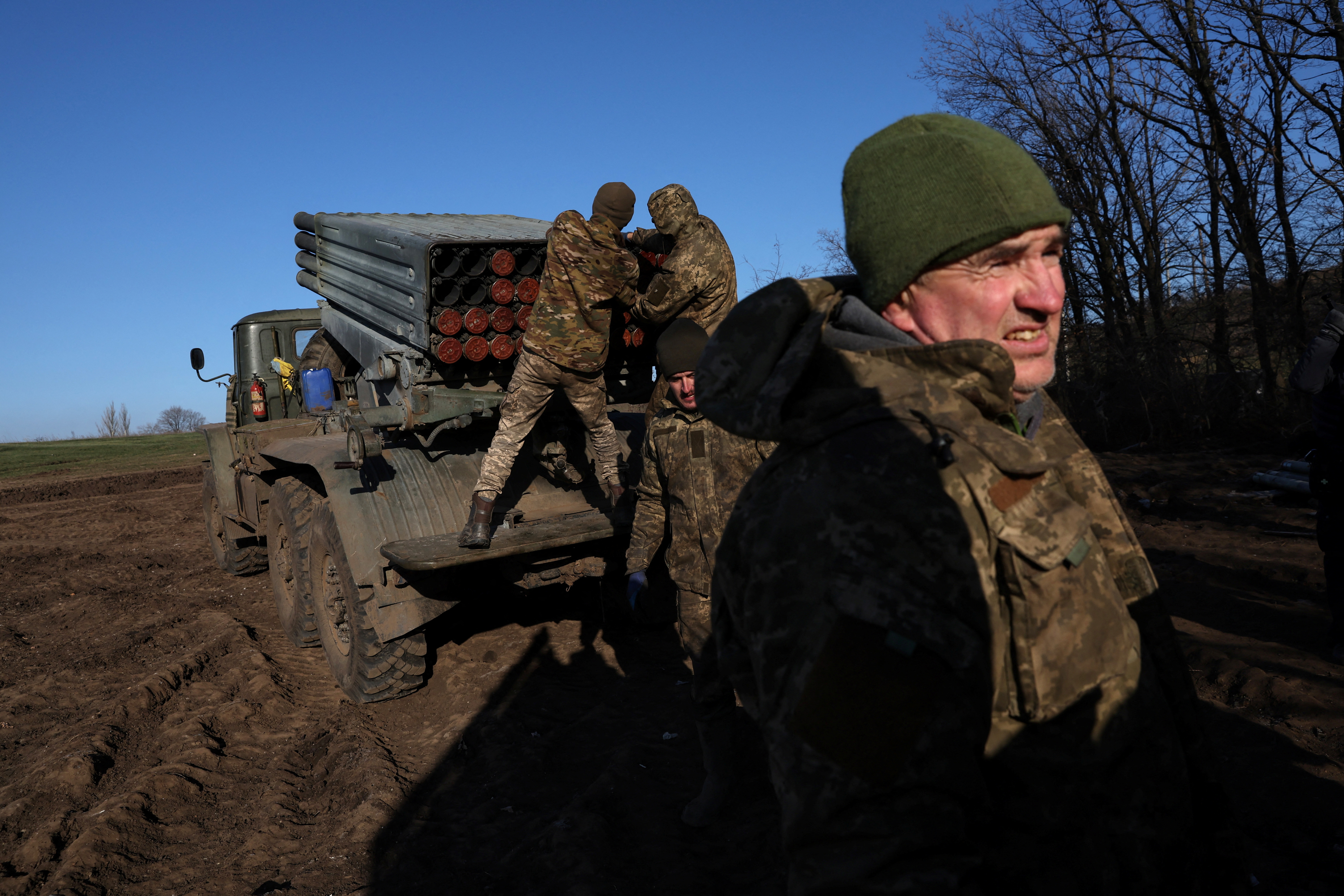
Key Takeaways
- Complexity of Victory: Winning is defined in diverse ways depending on military, political, and diplomatic objectives.
- Dependence on International Support: Ukraine's resilience is buoyed by Western economic and military aid amidst formidable challenges.
- Fluid and Uncertain Conflict Dynamics: Both military engagements and evolving geopolitical negotiations leave the outcome unpredictable.
An In-Depth Analysis of Ukraine’s Prospects for Victory
Understanding 'Victory' in a Complex Conflict
The concept of “winning” in the context of the ongoing Russia–Ukraine war is multifaceted. Victory is not solely measured by territorial gains or military conquests but encompasses a range of objectives. For Ukraine, a win could mean reclaiming occupied areas, restoring full sovereignty, or securing long-term political and economic stability through international alliances. Conversely, for Russia, success might involve consolidating influence over contested regions or ensuring a buffer zone for strategic security. This duality in definitions underscores the complexity of the conflict.
Military Dynamics and Tactical Realities
Operational Capabilities and Battlefield Challenges
The ongoing military engagements reveal both significant strengths and vulnerabilities on Ukraine’s side. Ukrainian forces have displayed notable resilience, repelling enemy assaults and adapting to the evolving theater of war. Their operations have benefited from innovative combat strategies including the use of long-range missile strikes, drone warfare for maritime operations, and effective counter-offensives in select hotspots. Such adaptability has allowed them to hold key positions despite the larger, more heavily resourced Russian military presence.
However, challenges persist. Ukraine faces critical shortages in ammunition, troop reinforcements, and air defense deterrence. The difficulties are compounded by a demographic crisis that hampers effective mobilization. These shortages have led to an attritional conflict, where incremental victories are weighed against significant losses and resource depletion. Meanwhile, Russia possesses a vast reservoir of manpower and has managed to maintain a robust logistical infrastructure, enabling them to continue operations consistently.
Asymmetry in Military Support and Equipment
A key factor that distinguishes the conflict is the reliance on international support by Ukraine. Despite facing a larger opponent, Ukraine has managed to secure substantial military and economic aid from Western allies. This aid includes advanced weapon systems, intelligence sharing, and financial resources that bolster Ukraine’s defensive and offensive operations. The injection of external support has not only improved operational effectiveness but has also provided symbolic morale-boosters, reinforcing the narrative of resistance.
Yet, the asymmetry remains significant. Russia’s ability to produce and deploy its own arms, combined with its larger reserves, means that Ukrainian gains often come at high costs. As the war progresses, continuous Western aid is critical for maintaining balance, and any shifts in international alliance or policy could potentially alter the military dynamics on the ground.
Diplomatic Engagements and Geopolitical Influences
Negotiations and International Mediation
Apart from the battlefield, diplomatic efforts play a decisive role in shaping the war’s outcome. There have been various initiatives led by international powers, including high-level talks involving the United States, European countries, and even backchannel communications with Russia. These negotiations explore possibilities for ceasefires and eventual peace settlements. However, Ukraine has been cautious about engaging in talks that might undermine its long-term sovereignty. It insists that any diplomatic resolution must include provisions that guarantee its territorial integrity and future political status.
Diplomatic negotiations are further complicated by domestic political pressures on both sides. For Ukraine, the national consensus centers on reclaiming occupied territories and restoring sovereign governance, while for Russia, shifting objectives focus on cementing control over strategically important regions such as Donbas and Crimea. The conflicting agendas imply that even successful negotiations might only result in a compromise rather than a definitive “victory” in the traditional military sense.
International Alliances and Long-Term Security
Sustainable security for Ukraine increasingly appears reliant on deeper integration with Western political and military institutions, notably NATO and the European Union. Aspirations for NATO and EU membership are seen as potential game-changers that would offer long-term security assurances and economic benefits, effectively immobilizing future threats. Western support, especially underpinned by coordinated sanctions against Russia, plays an integral role in this geopolitical contest. Yet, the effectiveness of these measures tends to ebb and flow based on the broader international political climate, posing an ongoing uncertainty about future strategic alignments.
Economic and Social Dimensions
Economic Resilience Amid Crisis
Beyond the immediate military confrontation, the war has ushered in extensive economic challenges. Ukraine’s economy has been severely disrupted due to the prolonged conflict, infrastructural damage, and disrupted industrial activities. However, continued economic support from international financial institutions and donor countries has been pivotal in sustaining Ukraine’s economy. Economic resilience is not just about survival; it represents a foundation for any post-conflict recovery effort and long-term stability.
Recovery and reconstruction efforts are already being planned should a political settlement be reached. The focus remains on reintegrating liberated regions, rebuilding critical infrastructure, and catalyzing local industries. Yet, economic sanctions imposed on Russia also contribute indirectly, affecting global markets and influencing the conflict’s dynamics by shaping international responses.
Social Impact and National Morale
The social fabric of Ukraine is under intense pressure. The prolonged conflict has led to significant displacement, casualties, and psychological trauma among civilians. Nevertheless, a strong sense of national identity and collective resilience persists. This social solidarity has not only been critical in sustaining the morale of Ukrainian citizens but also in galvanizing both domestic and international support for the Ukrainian cause.
National morale is a less tangible yet powerful component that influences military and diplomatic strategies. While the hardships are profound, the unyielding spirit of the population continues to be one of Ukraine’s most formidable assets in the face of adversity.
Strategic Outlook and Future Scenarios
Evaluating Possible Outcomes
Future trajectories of the conflict can be broadly categorized into multiple scenarios:
| Scenario | Description | Implications |
|---|---|---|
| Prolonged Stalemate | The conflict continues at a lower intensity without decisive results. | Increased attrition, eventual negotiations, and a frozen conflict status. |
| Decisive Ukrainian Victory | Ukraine reclaims a significant portion or all lost territories. | Enhanced national security and potentially accelerated NATO/EU integration. |
| Russian Strategic Success | Russia consolidates its gains and establishes a new balance of power. | Long-term regional instability and redefined geopolitical boundaries. |
| Negotiated Settlement | Both sides agree to a ceasefire with defined compromises. | Possible compromise on territorial disputes and future political autonomy. |
Each outcome carries complex implications not only for the combatants but also for regional stability and international order. Importantly, the current trend indicates that the war may eventually tilt toward a negotiated settlement or a protracted stalemate rather than a clear-cut military victory by either side.
Analyzing the Role of Attrition Warfare
Attrition warfare, where prolonged conflict gradually wears down the adversary's capabilities, plays a central role in the current dynamics. While Ukraine has achieved notable defensive successes, the protracted nature of the conflict has imposed heavy costs in terms of human lives, resources, and economic stability. Historically, such conflicts rarely culminate in a decisive military blow, particularly when one side has entrenched external support. The focus, therefore, shifts from achieving a total victory to finding pathways for conflict de-escalation and ensuring a secure post-war recovery.
The Influence of Western Support and Its Sustainability
Impact of Military Aid
The significance of Western military assistance cannot be overstated. Advanced weaponry, intelligence resources, and training provided by foreign allies have enhanced Ukraine's capacity to conduct counter-offensives and defend critical regions. This support has been pivotal in leveling the playing field against a numerically superior Russian force. However, continuous and reliable aid is vital; any reduction or reconsideration of such support might tip the scales in favor of Russia, altering strategic calculations on the battlefield.
Furthermore, the strategic direction of Western allies—shaped by domestic politics and evolving geopolitical priorities—could influence the conflict’s duration and eventual outcome. While current trends suggest robust backing for Ukraine, future policy shifts or geopolitical realignments may introduce uncertainties regarding the sustainability of this aid.
Economic and Sanction Pressures
Economic factors also play an important role in the conflict's trajectory. Western-imposed sanctions on Russia aim to restrict its ability to finance military operations and modernize its armed forces. While these sanctions have demonstrated efficacy in certain economic sectors, their long-term impact on the conflict remains mixed. The disruption of global supply chains and fluctuating market dynamics add layers of complexity to the economic dimension of the war.
Ukraine’s economic resilience, reinforced by international financial support and reforms, may serve as a counterbalance to the economic pressures applied on Russia. However, the interconnected nature of global economies means that sustained sanctions could also have far-reaching impacts beyond the immediate conflict, influencing diplomatic negotiations and future partnerships.
Demographic and Societal Challenges
Mobilization and Population Dynamics
One of the less visible but equally critical aspects of the conflict is the demographic challenge facing Ukraine. The war has contributed to significant population displacement and demographic shifts that directly affect military mobilization efforts and long-term economic development. With a reduced pool of able-bodied citizens, sustaining a prolonged military engagement becomes inherently more challenging.
These demographic challenges also impact post-war recovery. Reintegrating displaced populations, addressing mental health issues, and rebuilding community structures are essential for overall stability. Social policies that foster inclusion, reconstruction, and economic revitalization are paramount, ensuring that Ukraine not only survives the conflict but also builds a stable and prosperous future.
Evaluating the Strategic Environment
Regional Implications and Global Stakes
The outcomes of the Russia–Ukraine war extend well beyond the immediate conflict zone, influencing regional security dynamics and global geopolitical balances. A decisive outcome in favor of either side could recalibrate regional alliances, redefine security priorities in Europe, and potentially trigger broader political and economic repercussions worldwide.
International actors remain engaged through diplomatic channels, security alliances, and economic interventions. The interplay of these external factors means that even if Ukraine achieves tactical military successes, establishing long-term security arrangements remains a complex endeavor. This multifaceted environment underscores the importance of integrated strategies that blend military prowess with diplomatic agility.
Conclusion
The question of whether Ukraine can win the war with Russia does not lend itself to a simple yes or no answer. The definition of victory is highly nuanced, involving military successes, territorial control, diplomatic settlements, and long-term geopolitical stability. Ukraine has demonstrated noteworthy resilience and adaptability, significantly bolstered by international support. However, it also faces daunting challenges including resource shortages, a persistent attritional warfare environment, and complex demographic pressures.
Overall, the conflict is characterized by uncertainty and fluidity. While Ukraine continues to mount effective resistance against a larger adversary, the prospects for a definitive military victory remain contingent on several factors including sustained Western aid, strategic diplomatic engagements, and successful economic recovery strategies post-conflict. As fighting continues and international negotiations evolve, it appears increasingly likely that any resolution will involve a negotiated settlement or a long-term standoff rather than an outright military triumph.
References
- Ukraine Can Still Beat Russia. It Just Comes Down to Western Aid - Business Insider
- Ukraine cannot win against Russia now, but victory by 2025 is possible - Financial Times
- Ukraine war: Ukraine can absolutely win against Russia - BBC
- Could Ukraine defeat Russia? Experts answer your questions - NewsNation
- Ukraine is heading for defeat - POLITICO
- Russia-Ukraine war: List of key events – day 1091 - Al Jazeera
- Ukraine Conflict Updates | Institute for the Study of War
More
Last updated February 19, 2025