
Understanding the War in Ukraine
A balanced and comprehensive analysis of historical, cultural, and geopolitical dimensions
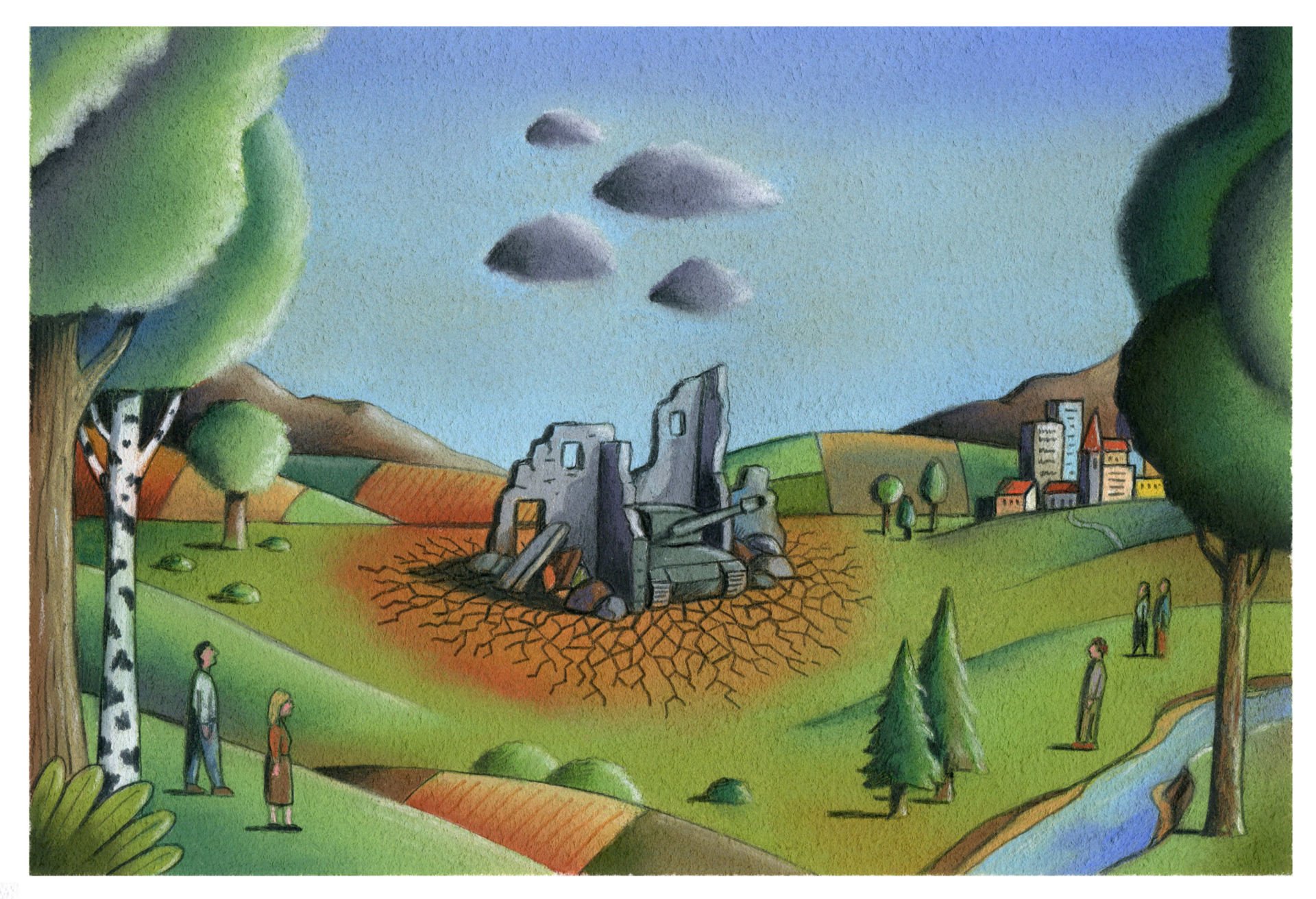
Key Highlights
- Complex Historical Roots: A long-shared history, evolving national identities, and contested narratives shape the conflict.
- Diverse Perspectives: Multiple viewpoints from Russian, Ukrainian, Western, and alternative perspectives contribute to understanding the war’s drivers.
- Intricate Geopolitical Dynamics: Beyond cultural and historical factors, strategic interests, security concerns, and regional influences drive the conflict.
Historical Background
Shared Origins and Medieval Connections
The roots of the war in Ukraine reach deeply into history, dating back to the early medieval state of Kyivan Rus'. Both Ukraine and Russia regard this period as integral to the development of their respective national identities. Despite this initial unity, centuries of political shifts, invasions, and re-alignments have led to evolving and at times conflicting narratives about shared heritage.
The medieval state of Kyivan Rus’, which thrived between the 9th and 13th centuries, laid the cultural and religious foundations for both nations, particularly through the adoption of Orthodox Christianity. While this shared background fostered a sense of common origin, subsequent historical developments introduced a divergence in self-perception, linguistics, and territorial boundaries.
Inclusion in Empires and the Soviet Union
Over the ensuing centuries, Ukraine’s territories were often caught in the crosshairs of various expanding empires. Notably, large parts of what is now Ukraine were integrated into the Russian Empire and, later, became a core republic within the Soviet Union. This inclusion not only meant shared administrative legacies but also set the stage for cultural and political friction, as national identities evolved separately within the multi-ethnic framework of imperial rule.
Post-Soviet Transformation and National Awareness
With the collapse of the Soviet Union in 1991, Ukraine emerged as an independent state, a transformation that ignited a renewed interest in distinct national identity and history. Significant political events, such as the Orange Revolution (2004-2005) and the Euromaidan protests (2013-2014), underscored Ukraine's determination to establish a sovereign trajectory aligned with democratic values and closer ties with Western institutions. These motions were viewed by some in Russia as an abrupt departure from a shared cultural past, exacerbating disputes over historical interpretation and national legitimacy.
Divergent Perspectives on the Conflict
Russian Perspective
Within the Russian narrative, there is a robust emphasis on the idea of an "organic unity" of Russians, Ukrainians, and Belarusians. This concept, frequently articulated by Russian leadership, posits that Ukrainians and Russians share an inseparable historical and cultural bond, often dating back to their common origins in Kyivan Rus’. Proponents of this viewpoint argue that the modern borders separating these nations are somewhat artificial—remnants of later political developments—and that such distinctions undermine what they believe to be the natural and historic alignment of these peoples.
In addition to cultural unity, Russian security concerns have been a critical element. The expansion of alliances like NATO and closer Ukrainian ties with Western political and military organizations are interpreted as direct threats to Russian national security and regional influence. Furthermore, Russia maintains that its actions, such as the annexation of Crimea and its involvement in the Donbas region, are measures taken to protect ethnic Russians and Russian speakers who, it claims, face marginalization or potential harm under a Western-oriented Ukrainian government.
Ukrainian Perspective
For Ukraine, the conflict is primarily about the assertion of sovereignty and the right to self-determination. Following centuries of foreign domination and a history of contested statehood, a strong national identity emerged in opposition to perceived external interference. Many Ukrainians view the Russian narrative of shared identity as an attempt to delegitimize their independent statehood.
The Euromaidan protests were emblematic of Ukraine’s desire to realign its future with democratic values and European integration. This movement was not merely political but also a cultural reawakening—one that emphasized the differences between an emerging, modern Ukrainian identity and the legacy of its Soviet past. In this context, resistance against Russian military actions is seen as a defense against both territorial aggression and the erosion of Ukrainian cultural and historical autonomy.
Western Perspective
Western narratives frequently frame Russia’s military actions in Ukraine as a manifestation of imperialistic aggressions designed to reinstate influence over erstwhile Soviet territories. From this standpoint, the annexation of Crimea and the support of separatist regions in Eastern Ukraine are viewed as violations of international law and norms. The West emphasizes the importance of upholding the sovereignty of Ukraine and supporting its aspiration towards greater political and economic integration with Europe.
Additionally, many analysts in the West see the conflict as symptomatic of larger geopolitical shifts, where a global order is being contested by the rise of new security structures and alliances. NATO's eastward expansion, while defended as a response to the voluntary integration of sovereign states, is simultaneously seen by critics as a provocative measure that contributed to rising tensions with Russia.
Alternative and Nuanced Views
Beyond the broad Russian and Western narratives, there exists a spectrum of opinions that challenge a purely binary interpretation of the conflict. Some scholars and observers argue that neither perspective fully captures the intricacies of the situation. For example, the internal divisions within Ukraine itself play a significant role. While Western Ukraine is characterized by a strong national identity and widespread support for European integration, the eastern and southern parts have historically been more influenced by Russian culture and language.
These internal differences have been manipulated both politically and rhetorically by various actors to further their strategic interests. Recognizing these nuanced realities is essential for a comprehensive understanding of the drivers behind the conflict. A balanced analysis must account for the diversity of opinion and experience within Ukraine while also understanding the geopolitical calculations made by both Russia and Western powers.
Geopolitical Dynamics
Security Concerns and Alliance Structures
The geopolitical framework surrounding the Ukrainian conflict involves an intricate blend of security concerns and the alignment of international alliances. NATO’s expansion into Eastern Europe and the prospect of Ukraine joining Western defense organizations have been perceived as existential threats by Russia. From the Russian perspective, such moves are not merely strategic realignments but aggressive actions aimed at undermining their sphere of influence.
Western nations, on the other hand, view Ukraine’s aspirations to join NATO and the European Union as a sovereign right—a strategic choice made by a democratic nation seeking stability and growth. This divergence of views on international alliances illustrates the deep-seated differences in how security is conceptualized between the East and West. These alliances are seen not only as political groupings but also as protective measures against potential regional instability.
Economic Interests and Energy Politics
Beyond military and cultural factors, economic considerations have also played a pivotal role in fueling the conflict. Ukraine has been a crucial transit country for energy supplies, particularly natural gas, from Russia to European markets. Control over these resources and transit routes has strategic and economic implications, affecting not only the parties directly involved but also the wider international community.
The interplay between energy politics and geopolitics often creates a situation where military actions and economic interests become deeply intertwined. This dimension of the conflict highlights how the struggle for power in Eastern Europe is as much about energy security and economic leverage as it is about territorial integrity and cultural identity.
Regional and Global Shifts in Power
The war in Ukraine is also reflective of broader changes in the international system. In recent decades, the shifting balance of power has led to a more multipolar world, where traditional Western dominance is increasingly challenged by the reassertion of influence by countries like Russia and China. This broader contest for global influence often manifests regionally, and Ukraine has become one such battleground where these tensions play out.
As global alliances are reconfigured and new international orders are proposed, the Ukrainian conflict remains a focal point for understanding the limits of Western hegemony and the resurgence of old rivalries. The interplay between local grievances and global ambitions therefore adds a layer of complexity that extends far beyond the immediate military engagements.
Timeline and Key Events
A Chronological Overview
To shed further light on the enduring roots of the current situation, it is helpful to follow a timeline that highlights the key moments in Ukraine's modern history:
| Year | Event | Description |
|---|---|---|
| 1991 | Independence | Ukraine gains independence following the collapse of the Soviet Union, initiating a period of national redefinition. |
| 2004-2005 | Orange Revolution | Mass protests occur in response to electoral fraud, driving Ukraine towards democratic reforms and closer ties with the West. |
| 2013-2014 | Euromaidan Protests | Widespread demonstrations erupt after the government’s decision to suspend an association agreement with the EU, catalyzing a reorientation towards Europe. |
| 2014 | Annexation of Crimea | Russia annexes Crimea following the upheaval of Euromaidan, marking a dramatic escalation in tensions. |
| 2014 | War in Donbas | Conflict ignites in eastern Ukraine with separatist movements supported by Russia, leading to an ongoing and entrenched conflict region. |
| 2022 | Full-scale Invasion | Russia launches a full-scale military invasion of Ukraine on February 24, 2022, marking the most extensive and destructive phase of the conflict to date. |
Recent Developments
As of early 2025, the conflict continues with intermittent ceasefires, negotiations involving various international actors, and ongoing skirmishes. Recent diplomatic discussions have attempted to establish mechanisms for eventual conflict resolution, though progress remains sporadic. The development of negotiation teams involving global powers underscores the critical international interest in ending the hostilities and addressing the underlying grievances.
While many Western media sources emphasize Russia’s aggressive maneuvers as the catalyst for current hostilities, a comprehensive assessment recognizes that long-standing historical relationships, internal national dynamics, and strategic security imperatives have all contributed to the current complex situation.
Analyzing the Conflict Beyond Common Narratives
Rethinking Historical Legacies and National Identities
Moving beyond simplistic Western narratives requires acknowledging that history is multi-layered and interpreted in diverse ways by different groups. The interpretation of history plays a critical role in shaping national ideologies. In Ukraine, the drive to forge a distinct identity has been, to a large extent, a reaction against centuries of external domination. In contrast, Russia’s insistence on a shared, unified identity—including that of Ukraine—is deeply tied to its own state ideology and historical memory.
Both historical continuity and political reinterpretation have implications for understanding present-day allegiances and grievances. Ukrainian efforts to reassert their unique cultural and linguistic identity are reflected in modern political discourse and public memory, a process that often contrasts sharply with the narratives promoted by their eastern neighbor.
Geopolitical Calculations and Strategic Interests
Strategic calculations also form a critical layer in the unfolding drama of this conflict. Beyond cultural and historical disputes, Russia’s actions are deeply influenced by perceived security imperatives. The prospect of Ukraine moving closer to Western defense structures, particularly NATO, is seen as compromising to Russian territorial security. Similarly, Ukraine’s quest for European integration is viewed as a bold assertion of its sovereignty—a move that inexorably challenges established regional orders.
For the West, supporting Ukraine can be viewed as a commitment to upholding international norms and demonstrating that sovereign nations have the right to choose their own alliances. This clash of security perceptions and strategic interests reflects a global reordering, where traditional spheres of influence are being questioned and redefined amid evolving geopolitical circumstances.
Humanitarian and Societal Impacts
The ramifications of the conflict extend well beyond the battlefield. Millions of civilians have been displaced, and communities on both sides of the conflict zones bear the scars of war. The humanitarian crisis prompted by repeated violent engagements underscores the personal tragedies intertwined with broader political goals.
Societal narratives also diverge. In Ukraine, a prevalent sentiment is that the war is a struggle not only for territory but for the preservation of a national identity that has matured through centuries of adversity. In contrast, segments within Russia justify their actions as protective measures directed towards Russian-speaking populations and historical territories. Such societal perspectives illustrate that the conflict is as much about personal and collective memory as it is about strategic interests.
Synthesis of the Underlying Causes
Multifaceted Origins of the Conflict
The war in Ukraine is the result of a confluence of factors that include historical disputes, differing national identities, geopolitical ambitions, and realpolitik strategies. Understanding these dimensions requires synthesizing diverse viewpoints:
- Historical Legacies: The ancestral ties stemming from Kyivan Rus’ and centuries under the Russian Empire and Soviet rule contribute to ongoing disputes over cultural and territorial legitimacy.
- National Sovereignty and Identity: Ukraine’s drive to establish itself as a fully sovereign state, distinct from Russian influence, is rooted deeply in its post-Soviet reinvention and response to historical suppression.
- Geopolitical Security: Russia's security concerns and its reaction to Western military and political integration in Eastern Europe add layers of complexity to the conflict, rendering it a barometer for global geopolitical shifts.
- Economic and Strategic Interests: Control over strategic resources, transit routes, and military positioning further intensifies the stakes, influencing both local strategies and international policies.
Each of these elements interacts with the others, creating a scenario where military, economic, social, and political strands converge. This synthesis underscores that simplistic explanations fail to capture the full breadth of the conflict’s dynamics.
Balancing Objectivity with Nuance
Achieving an objective understanding of the war in Ukraine means avoiding reductionist narratives that label one side entirely as aggrieved defenders and the other as unprovoked aggressors. Instead, the conflict must be seen as a culmination of long-standing historical grievances, evolving identities, and strategic imperatives. Both Russian concerns about NATO expansion and Ukrainian aspirations for democracy and self-governance have legitimacy within their respective contexts.
It is also important to note that while international media often highlight military developments and geopolitical maneuvers, the subtler social and cultural dimensions provide deeper insights into why this conflict has such a lasting impact on the region’s collective psyche.
Conclusion and Final Thoughts
In conclusion, the war in Ukraine is not the result of a singular cause but rather an amalgamation of intertwined historical, cultural, and geopolitical factors. The origins of the conflict lie in ancient ties dating back to Kyivan Rus’, a shared yet contested historical heritage that evolved dramatically over centuries. The dissolution of the Soviet Union and Ukraine's subsequent drive towards national self-determination fueled internal dissent and redefined regional alliances.
From the Russian perspective, actions taken in Crimea and Donbas are viewed through the lens of protecting a perceived cultural unity and national security against the encroachment of Western defense structures. In contrast, the Ukrainian viewpoint centers on preserving sovereignty, re-establishing a long-suppressed national identity, and aligning with democratic values that promise a more prosperous future.
The conflict also illustrates the broader contest between traditional spheres of influence and the emerging multipolar world order. It reveals how historical narratives and geopolitical strategies can clash, often resulting in devastating consequences for millions of civilians caught in the middle.
A thorough and balanced analysis requires recognizing the multifaceted nature of the dispute while appreciating the valid concerns on all sides. The war in Ukraine is a stark reminder of how historical legacies, identity politics, economic imperatives, and global strategic interests can converge to shape the course of human events.
References
- Origins & History of Ukraine - Ukraine.ua
- Russian Invasion of Ukraine - Oxford University Press
- Russia’s War in Ukraine: Identity, History, and Conflict - INSS
- Background on Russo-Ukrainian War - Harvard University
- Russo-Ukrainian War - Wikipedia
- How Russia and Ukraine’s Tangled Histories Led to War - Tufts Now
- Parliamentary Research Briefing on Ukraine Conflict - UK Parliament
Recommended Related Queries
Last updated February 22, 2025