
Accidental Visibility of Underskirts in the 20th Century
Exploring the Seductive Perceptions in Western Fashion History
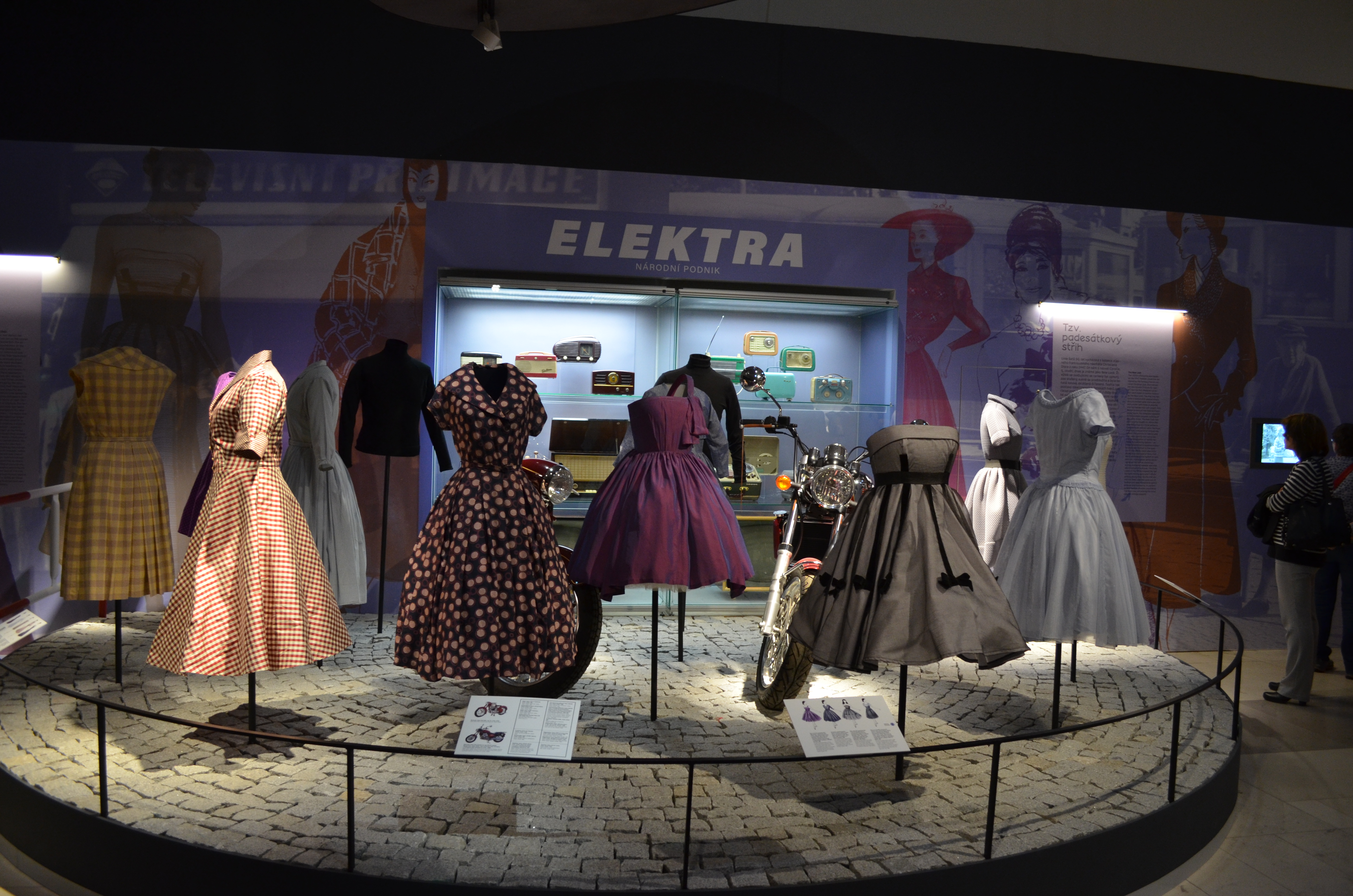
Key Insights
- Yes, it was considered seductive: Accidental or unintentional exposures of underskirts and waistslips often invoked a sense of allure.
- Cultural evolution and context: Shifts in fashion and societal norms played a key role in how such exposures were interpreted over time.
- Interplay of exposure and concealment: The design and marketing of undergarments in Western countries deliberately fostered an aura of mystery.
Detailed Historical Overview
Throughout the 20th century in Western countries, the fashion and social mores shaped public perceptions of what constituted allure and seduction. The accidental or unintentional visibility of underskirts and waistslips was, indeed, considered seductive by many during various periods. The appeal lay in the interplay of exposure and concealment that was inherent in these garments. Historically, undergarments such as underskirts, petticoats, and waistslips were designed to be hidden, accentuating the allure when they were inadvertently shown.
The Evolution of Fashion and Social Norms
In the early part of the 20th century, Western society maintained rather strict codes of modesty. Undergarments were viewed primarily as functional pieces, designed to provide shape or to keep outer garments in the proper form. However, the very nature of their concealment meant that any glimpse of these undergarments was charged with an element of secrecy and forbidden allure. In many cases, such accidental displays were not only unforgettable but also imbued with a fetish-like quality in the eyes of some observers.
By mid-century, shifts in fashion, along with changes in societal attitudes influenced by factors such as World War II, economic changes, and the rising influence of celebrity culture, led to a re-evaluation of the role of undergarments in public life. The rise of media and film played a significant role in how underskirts were portrayed. A fleeting glimpse of an underskirt, particularly one made of lace or other tantalizing materials, was often framed as a "slip tease" or inadvertent seduction—a moment when the boundary between private and public was momentarily blurred.
Marketing and Media Influence
Advertisers and fashion marketers quickly recognized the seductive power of undergarment exposures. In visual media and advertisements, the strategic placement of garments provided hints of sensuality without overtly revealing too much. Marketing campaigns harnessed modern photographic and cinematic techniques to emphasize the mysterious facets of these garments, subtly playing on societal fascinations with both the body and its concealments.
Images in magazines and films, particularly during the 1950s and 1960s, often portrayed models in poses or wardrobe malfunctions that included a tantalizing reveal of an underskirt. This phenomenon was not solely provocative in a shock-value sense; it invoked the underlying tension of what was socially forbidden. The visible presence of a waistslip or underskirt, which many believed enhanced the portrayal of female femininity, underscored the idea that seduction could be both accidental and artfully curated.
Social Reactions and Dual Perceptions
It is important to note that responses to these accidental exposures were not uniform. On the one hand, many conservative segments of society viewed any breach of modesty as scandalous and inappropriate, often condemning unintentional displays that disrupted established norms of decorum. In those contexts, accidental exposure was seen as a lapse in propriety—a momentary failure of control, leading to public shame or criticism.
On the other hand, there was also a significant counter-narrative where such exposures were interpreted as intriguingly seductive. This duality encapsulated much of the tension within Western fashion history. While some viewed these moments as violations of repressive norms, others celebrated them as subtle rebellions against strict codes of behavior. By blending enhancement of sensuality with the element of surprise, designers and advertisers managed to create a lasting image of seductive intimacy that resonates to this day.
Interplay of Exposure and Concealment
Design Philosophies Behind Undergarments
From a design perspective, the silhouette and construction of undergarments were essential in creating a provocative allure. In many instances, the primary function of these garments was not only structural but also aimed at accentuating the curves and natural shape of the body. The inherent contrast between the hidden and the visible generated a dynamic visual narrative—a narrative that was harnessed to suggest seduction without overt display.
The concept of the "forbidden glance" was grounded in the idea that mystery enhances desire. When parts of the undergarment were accidentally exposed, it functioned as an intimate signal to the onlooker, one that hinted at what lay beneath the visible layers. This idea was especially prominent in fashion circles of the 20th century. The combination of delicate materials, such as lace and silk, and the careful craftsmanship often resulted in garments that were visually striking even in their accidental display.
Cultural and Psychological Perspectives
Culturally, the accidental visibility of an underskirt tapped into deep-seated archetypes of desire and repression. The theory of "exposure versus concealment" finds roots even in classical literature and art, where the line between what is seen and what is hidden is often associated with erotic tension. Western societies, particularly during periods of strict social control, perceived accidental glimpses as poetic disruptions to everyday norms—a moment where the unintentional revealed the possibility of something more intimate.
Psychologically, the phenomenon was also influenced by factors such as voyeurism and the allure of the unknown. The human mind is naturally drawn to partial information; a glimpse can spark imagination, creating elaborate fantasies that go beyond the immediately seen. In a way, the accidental exposure of a waistslip or underskirt can be seen as a catalyst for both personal and shared fantasies—moments where a brief instance of unintended display carries the weight of unspoken seduction.
A Comprehensive Summary Through a Table
| Aspect | Description | Examples/References |
|---|---|---|
| Perception of Seduction | Accidental exposures often carried connotations of seduction and allure due to the juxtaposition of concealment against a backdrop of partial exposure. |
- "Slip tease" discussions in media articles - Fashion exhibitions on seduction in undergarments - Historical marketing strategies |
| Cultural Discrepancies | Responses varied; while some considered it scandalous, others celebrated it as a provocative departure from strict conservative norms. |
- Mixed reactions in historical fashion reviews - Shifts documented by fashion historians in the mid-20th century |
| Design and Marketing | Undergarments were often marketed using approaches that highlighted their seductive potential, playing up the elements of mystery and allure. |
- Advertisements from the 1950s - Media portrayals of accidental dress slips |
| Social Implications | The balance between exposure and concealment in these garments resonated with cultural shifts regarding female sexuality and social norms. |
- Discussions about the evolution of women's undergarments - Reflections in fashion retrospectives and exhibitions |
In-Depth Considerations
Historical Context
The early to mid-20th century was marked by stringent norms regarding female modesty in many Western societies. At this time, the idealized image of femininity was closely connected with the hidden nature of undergarments. Not just functional pieces, these garments were carefully designed and constructed with intricate details that, when revealed—even accidentally—provoked strong reactions. For example, the stylish underskirts and waistslips of the period were crafted with layers of fabric and delicate embellishments that hinted at a complexity far beyond their apparent simplicity.
Marketing Maneuvers and Public Fascination
The notion that the accidental exposure of undergarments could be seductive was further cemented by intentional marketing strategies. In many advertising campaigns, a subtle breach of the fabric’s concealment was portrayed as an enticing element. Fashion magazines and advertisements capitalized on this tension by featuring models who inadvertently revealed a glimpse of their waistslips or underskirts. This was not presented as a mistake but as an artistic, almost cinematic, moment that engaged viewers' imaginations. Highlighting an accidental slip or a partial reveal became a powerful narrative device—a playful wink to the audience that suggested there was more than met the eye.
Semiotic Interpretation of Fashion
Analyzing such phenomena semiotically, it can be seen that the accidental exposure of a waistslip or an underskirt leveraged the idea of hidden meanings and unspoken desires. The visible aspect acted as a signifier for all that remained concealed, thereby generating an intensity that was both forbidden and fascinating. This interplay between what is seen and what is concealed is central to understanding why certain unintentional exposures were imbued with a seductive quality.
Modern Reflections on Historical Trends
Although contemporary fashion has largely moved away from the more conservative norms of the early 20th century, the legacy of these early perceptions continues to influence modern interpretations of seduction. Designers today sometimes reference vintage styles and the idea of "accidental seduction" in their collections. The modern viewer, aware of the historical connotations, might recognize that an unintentional glimpse of a garment still carries with it the echoes of its past allure.
It is clear from the historical records and cultural analyses that yes, in the 20th century, accidental or unintentional visibility of underskirts and waistslips was indeed often considered seductive in Western countries. This seductive perception was not monolithic but varied greatly depending on factors such as the era, the cultural context, and the specific circumstances of the exposure.
References
- From Petticoats to Suspender Belts - The Wire
- Petticoat: The Stories Behind the Classy Underskirt - Retrocat
- Petticoat - Wikipedia
- Seduction Exhibition - FIT
- Petticoat Overview - Britannica
Recommended Topics for Further Exploration
 babogenglish.wordpress.com
 diannaprince.wordpress.com
Last updated March 16, 2025