
Understanding the Usage and Nuances of "Anyway"
A Comprehensive Guide to "Anyway" in Modern English
Key Takeaways
- "Anyway" functions primarily as an adverb meaning "regardless" or "in any case."
- It serves as a versatile discourse marker to transition topics or resume conversations.
- Proper usage distinguishes "anyway" from its informal counterpart "anyways" and the phrase "any way."
Definition and Primary Meaning
The word "anyway" is an adverb in the English language that conveys several related meanings, primarily centered around the concepts of disregard, persistence, and transition. Its most common interpretations include:
1. Regardless or In Any Case
"Anyway" is frequently used to indicate that an action or decision will proceed despite existing obstacles, objections, or contrary conditions. It emphasizes determination or the inevitability of an outcome.
- Example: "It was raining, but we decided to proceed with the picnic anyway."
- Example: "She knew the task was challenging, yet she tackled it anyway."
2. Transitioning Between Topics
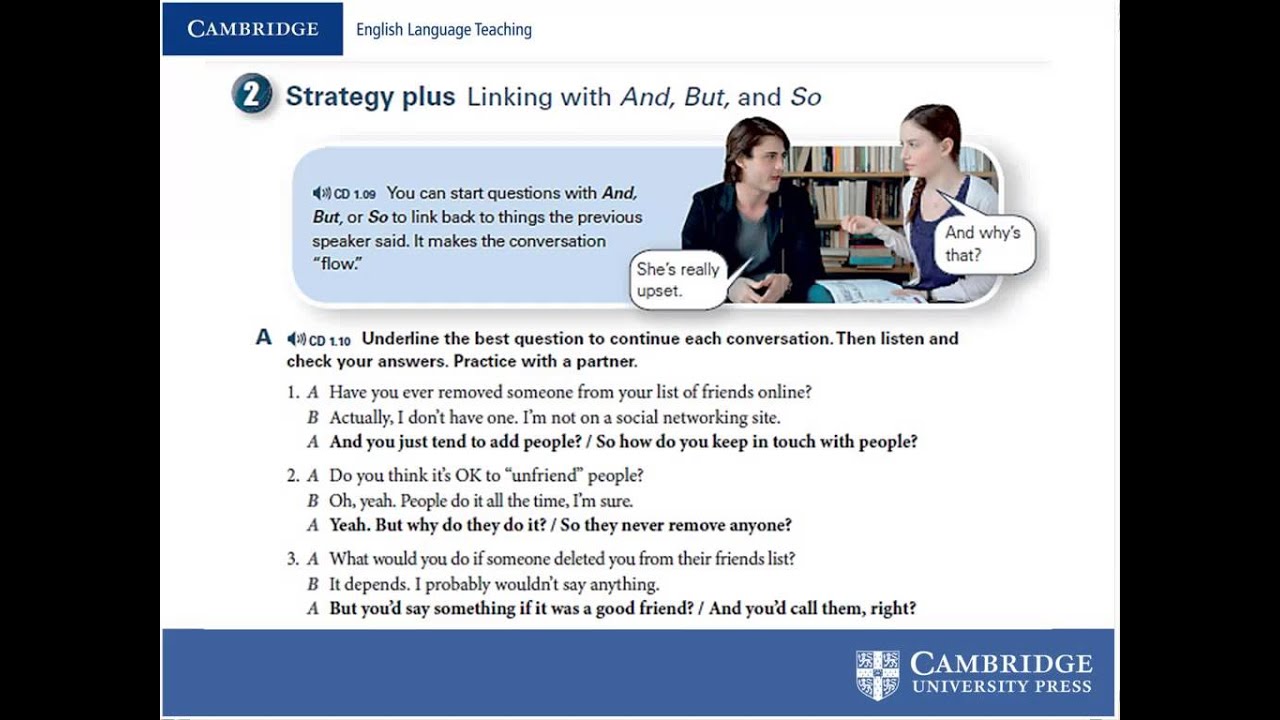
In conversations, "anyway" serves as a tool to shift the focus from one subject to another. It helps in redirecting the flow of dialogue, either by resuming a previous topic or introducing a new one.
- Example: "Anyway, let's discuss the agenda for tomorrow's meeting."
- Example: "We got sidetracked, but anyway, what were you saying about the project?"
3. Emphasizing a Statement or Decision
Using "anyway" can add emphasis to a statement, underscoring that the speaker's point stands firmly despite other factors.
- Example: "I don't need help, but I'll take it anyway."
- Example: "We might not win, but we'll try our best anyway."
Grammatical Usage and Forms
The word "anyway" is correctly written as a single word when used as an adverb. It is important to differentiate it from similar-sounding terms that have distinct meanings and usages.
1. "Anyway" vs. "Anyways"
While "anyway" is the standard and widely accepted form in both spoken and written English, "anyways" is an informal variant often found in colloquial speech. However, "anyways" is generally considered nonstandard and is best avoided in formal contexts.
- Formal: "I'll finish the report anyway."
- Informal: "I'll finish the report anyways."
2. "Anyway" vs. "Any Way"
"Any way," written as two separate words, signifies "in any manner" or "by any means." This phrase is used when referring to methods or manners of accomplishing something, distinguishing it from the adverbial use of "anyway."
- Example: "Is there any way to resolve this issue?"
- Example: "You can arrange the books any way you like."
Contextual Applications of "Anyway"
1. As a Discourse Marker
In conversations, "anyway" helps manage the flow by signaling shifts in topics or bringing the discussion back to a main point. It acts as a conversational anchor, ensuring coherence and continuity.
- Example: "Anyway, getting back to our original subject..."
- Example: "That's not important right now. Anyway, what's the plan for today?"
2. To Dismiss or De-emphasize
"Anyway" can be used to downplay previous statements or concerns, indicating that they are no longer significant to the current context.
- Example: "We couldn't find a better option, but it's okay anyway."
- Example: "I didn't get the job, but I'm fine anyway."
3. Expressing Minimal Consolation or Reassessment
When used in a concessive manner, "anyway" can offer a mild consolation or prompt reconsideration of a statement, suggesting that despite certain limitations, a positive aspect remains.
- Example: "He may not be the most experienced, but he tried his best anyway."
- Example: "The movie wasn't great, but the special effects were impressive anyway."
Proper Usage in Writing and Speech
1. Formal vs. Informal Settings
While "anyway" is acceptable in both formal and informal contexts, its variant "anyways" is deemed inappropriate for formal communication. Writers and speakers should opt for "anyway" to maintain professionalism and adherence to standard English norms.
- Formal: "We will proceed with the proposal anyway."
- Informal: "We'll go to the concert anyways!"
2. Sentence Positioning
"Anyway" can be positioned at various points within a sentence, each placing a different emphasis:
- At the beginning: "Anyway, let's move forward."
- Mid-sentence: "I decided to go anyway, despite the warnings."
- At the end: "You might not agree, anyway."
3. Avoiding Common Mistakes
It's crucial to distinguish "anyway" from "any way" to avoid altering the intended meaning. Misusing these terms can lead to confusion or misinterpretation.
- Incorrect: "I'll finish it anyways." (if formal)
- Correct: "I'll finish it anyway."
Comparative Analysis with "Anyways" and "Any Way"
1. "Anyways" – An Informal Variant
"Anyways" serves as a colloquial substitute for "anyway," primarily in spoken English. Despite its prevalence in everyday conversations, it is generally frowned upon in formal writing.
- Example: "Anyways, let's get back to the topic."
- Note: Suitable for casual dialogue but not recommended for academic or professional texts.
2. "Any Way" – Referring to Method or Manner
The phrase "any way," when used as two separate words, refers explicitly to methods, manners, or paths by which something is done. It implies flexibility in approach or direction.
- Example: "You can arrange the furniture any way that suits you."
- Example: "Is there any way to expedite the process?"
3. Visual Differentiation
Understanding the differences between these terms is essential for precise communication. Here's a quick comparison:
| Term | Meaning | Usage |
|---|---|---|
| Anyway | Adverb meaning "regardless" or "in any case." | Suitable for both formal and informal contexts. |
| Anyways | Informal variant of "anyway." | Primarily used in casual conversation; not recommended for formal writing. |
| Any Way | Phrase meaning "in any manner" or "by any means." | Refers to methods or manners; used when discussing approaches or directions. |
Examples Illustrating Proper Usage
1. "Anyway" as an Adverb
Demonstrating persistence despite challenges:
- "She knew the exam was difficult, but she studied hard and passed anyway."
- "They couldn't find a better price, but they bought the product anyway."
2. "Anyway" as a Discourse Marker
Shifting the conversation back to the main topic:
- "We got distracted by side issues, but anyway, let's focus on the project deadlines."
- "Anyway, as I was saying earlier, the marketing strategy needs revision."
3. "Any Way" Referring to Method
Indicating flexibility in approach:
- "You can solve this problem any way you find most efficient."
- "Is there any way we can expedite the shipment?"
4. Avoiding "Anyways" in Formal Writing
Choosing the correct form based on context:
- Incorrect (Formal): "Anyways, we need to conclude the meeting."
- Correct (Formal): "Anyway, we need to conclude the meeting."
Common Mistakes and How to Avoid Them
1. Misplacing "Anyway" in Sentences
Incorrect placement can alter the intended meaning or disrupt the flow of the sentence.
- Incorrect: "You shouldn't go anyway to the event."
- Correct: "Anyway, you shouldn't go to the event."
2. Confusing "Anyway" with "Any Way"
Ensure you use "anyway" when conveying disregard or transition, and "any way" when discussing methods or manners.
- Incorrect: "I'll handle it any way."
- Correct: "I'll handle it anyway."
3. Overusing "Anyway"
While versatile, overusing "anyway" can lead to redundant or cluttered communication. Use it judiciously to maintain clarity and impact.
-
Overused: "I didn't like the movie. Anyway, it was entertaining anyway."
-
Improved: "I didn't like the movie, but it was entertaining."
Conclusion
The word "anyway" is a multifaceted adverb in English, serving various functions from expressing disregard and persistence to facilitating smooth transitions in conversations. Understanding its proper usage, along with distinguishing it from similar terms like "anyways" and "any way," is essential for effective and precise communication. Whether in formal writing or casual speech, employing "anyway" appropriately enhances clarity and conveys the intended nuances of a message.
References
Last updated January 23, 2025