
Understanding Cataracts: Causes and Prevention
Comprehensive Insights into Cataract Development and Preventive Strategies
Key Takeaways
- Aging and UV Exposure: Aging is the primary cause of cataracts, with prolonged UV exposure significantly increasing the risk.
- Lifestyle Factors: Smoking, excessive alcohol consumption, and poor diet contribute to cataract formation.
- Preventive Measures: Protective eyewear, healthy lifestyle choices, and regular eye exams are essential in reducing cataract risk.
What Causes Cataracts?
1. Aging
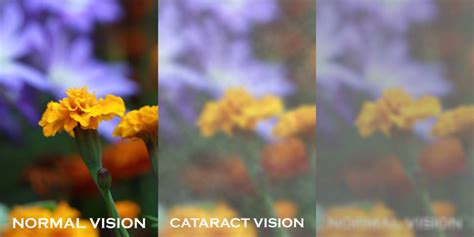
Aging stands as the most prevalent cause of cataracts. As individuals grow older, the proteins within the eye's lens undergo changes. These proteins can clump together, forming cloudy areas that impede light transmission and result in blurred vision. This natural deterioration typically becomes noticeable after the age of 40 and progresses over time, eventually leading to significant visual impairment if left untreated.
2. Ultraviolet (UV) Light Exposure
Prolonged exposure to ultraviolet (UV) radiation from sunlight is a critical environmental factor contributing to cataract development. UV light accelerates the breakdown of lens proteins, fostering the formation of cataracts. Individuals who spend extensive time outdoors without adequate eye protection are at a heightened risk.
3. Smoking and Excessive Alcohol Consumption
Smoking introduces harmful toxins into the body, which can damage the proteins in the eye lens and reduce antioxidant levels essential for maintaining lens clarity. Similarly, excessive alcohol consumption exacerbates oxidative stress, further promoting cataract formation. Both habits significantly elevate the risk of developing cataracts compared to non-smokers and moderate drinkers.
4. Medical Conditions
Certain medical conditions, particularly diabetes, are associated with an increased risk of cataracts. Uncontrolled blood sugar levels can lead to changes in the lens, causing it to swell and become cloudy. Additionally, eye diseases such as glaucoma and retinal disorders may contribute to cataract development.
5. Medications and Steroid Use
Long-term use of specific medications, notably corticosteroids like prednisone, has been linked to cataract formation. These drugs can alter the structure of the eye lens over time, increasing the likelihood of cloudiness.
6. Genetics and Congenital Factors
A family history of cataracts can predispose individuals to the condition, suggesting a genetic component in lens protein breakdown. Additionally, some individuals are born with cataracts (congenital cataracts) due to inherited genetic factors or developmental issues during pregnancy.
7. Eye Injuries and Past Surgeries
Trauma to the eye, such as impact injuries or punctures, can lead to traumatic cataracts. Furthermore, certain past eye surgeries may increase the risk of later developing cataracts.
8. Radiation Exposure
Exposure to radiation, whether through radiation therapy around the head or frequent exposure in certain professions, can damage the eye's lens, fostering cataract formation.
9. Other Risk Factors
Additional factors like high blood pressure, obesity, and certain metabolic disorders also contribute to the development of cataracts by affecting overall eye health and lens stability.
How to Prevent Cataracts
1. Protect Your Eyes from UV Light
Wearing sunglasses that block 100% of UVA and UVB rays is crucial in preventing UV-induced cataracts. Additionally, donning a wide-brimmed hat can provide extra protection from direct sunlight.
2. Maintain a Healthy Lifestyle
Adopting a healthy lifestyle significantly reduces cataract risk. This includes:
-
Quit Smoking: Eliminates the harmful toxins that damage lens proteins.
-
Limit Alcohol Consumption: Reduces oxidative stress associated with excessive drinking.
-
Balanced Diet: Consuming a diet rich in antioxidants, vitamins C and E, omega-3 fatty acids, lutein, and zeaxanthin helps protect the lens from oxidative damage. Incorporate fruits, vegetables, nuts, and whole grains into your meals.
-
Regular Exercise: Enhances overall health, improving circulation and reducing the risk of diabetes and obesity, which are linked to cataracts.
3. Manage Chronic Medical Conditions
Effective management of chronic conditions like diabetes and high blood pressure is essential. Regular monitoring and adherence to treatment plans can prevent the lens changes associated with these diseases.
4. Limit Exposure to Medications Known to Cause Cataracts
If long-term use of medications such as corticosteroids is necessary, consult with healthcare providers to explore alternatives or strategies to minimize cataract risk.
5. Regular Eye Examinations
Routine eye checkups facilitate early detection of cataracts and other eye conditions. Early intervention can slow progression and improve management outcomes.
6. Prevent Eye Injuries
Using protective eyewear during activities that pose a risk of eye injury, such as sports, construction work, or handling hazardous materials, helps prevent traumatic cataracts.
7. Maintain Proper Eye Care Habits
Implementing good eye care practices, such as maintaining appropriate lighting for reading and work, taking breaks during extended screen time, and minimizing exposure to excessive glare, supports overall eye health.
8. Stay Physically Active
Engaging in regular physical activity promotes better circulation and reduces the risk of systemic conditions that can contribute to cataract development.
Detailed Analysis
Aging: The Inevitable Progression
Aging remains the most significant factor in cataract formation. The lens of the eye is composed primarily of water and proteins, arranged in a precise, orderly manner to maintain transparency. As individuals age, these proteins begin to degrade and aggregate, leading to increased light scattering and the formation of cloudy areas within the lens. This process is gradual, often unnoticed in the early stages, but becomes more apparent as cataracts progress, eventually necessitating medical intervention if vision impairment becomes severe.
Ultraviolet (UV) Radiation: Environmental Exposure
UV radiation is a potent environmental risk factor for cataracts. The lens absorbs UV light, which can cause photochemical reactions leading to protein denaturation and oxidation. Over time, cumulative exposure to UV rays weakens the lens structure, making it more susceptible to cloudiness. Protective measures, such as high-quality sunglasses with UV-blocking capabilities and hats with wide brims, are effective barriers against harmful UV exposure.
Smoking and Alcohol: Lifestyle Choices Impact Lens Health
Smoking introduces free radicals and toxic substances into the body, which can propagate oxidative stress within the eye's lens. Oxidative damage is a key mechanism in cataractogenesis, disrupting the lens proteins and reducing antioxidant defenses. Similarly, excessive alcohol intake exacerbates oxidative stress and may contribute to the degradation of lens components. Abstaining from smoking and moderating alcohol consumption are practical steps to mitigate these risks.
Medical Conditions: Diabetes and Beyond
Chronic medical conditions, particularly diabetes, significantly influence cataract development. Elevated blood glucose levels in diabetes can lead to osmotic changes in the lens, resulting in swelling and increased opacity. Additionally, diabetes-related vascular complications may impair lens nutrition and waste removal, further aggravating cataract formation. Effective management of diabetes through medication, diet, and lifestyle modifications is crucial in reducing this risk.
Medication Effects: Corticosteroids and Lens Integrity
Corticosteroids, while effective for managing inflammation and autoimmune conditions, have a known association with cataract development when used long-term. These medications can induce changes in the lens structure, promoting opacification. Patients on prolonged corticosteroid therapy should regularly consult with their ophthalmologists to monitor eye health and explore alternative treatments if necessary.
Genetic Predisposition and Congenital Factors
Genetic factors play a role in determining an individual's susceptibility to cataracts. Family history can indicate a higher likelihood of early or severe cataract formation. Moreover, congenital cataracts, present at birth, result from genetic mutations or developmental disturbances during fetal growth. Understanding one's genetic predisposition can inform early monitoring and preventive strategies.
Eye Injuries and Surgeries: Trauma and Its Consequences
Physical trauma to the eye can disrupt the delicate architecture of the lens, leading to traumatic cataracts. Additionally, certain eye surgeries, particularly those involving the use of radiation or invasive techniques, may inadvertently increase the risk of cataract formation post-operatively. Ensuring proper surgical techniques and protective measures during high-risk activities is essential in preventing such outcomes.
Radiation Exposure: Occupational Hazards
Occupational exposure to radiation, either through medical treatments like radiation therapy or in professions involving frequent radiation contact, poses a risk for cataract development. Protective eyewear and adherence to safety protocols can significantly reduce this risk, safeguarding lens health against radiation-induced damage.
Other Risk Factors: Blood Pressure, Obesity, and Metabolic Disorders
Systemic conditions such as hypertension and obesity contribute indirectly to cataract formation by affecting overall eye health and lens metabolism. Metabolic disorders can disrupt the balance of nutrients and waste products in the lens, promoting opacification. Maintaining optimal body weight and managing blood pressure are beneficial in mitigating these indirect risks.
Prevention Strategies in Detail
Protective Eyewear: A First Line of Defense
Investing in high-quality sunglasses that offer 100% UVA and UVB protection is paramount in shielding the eyes from harmful radiation. Additionally, wearing protective eyewear during activities that pose a risk of eye injury can prevent traumatic cataracts and other ocular damages.
Dietary Choices: Fueling Eye Health
A diet abundant in antioxidants plays a crucial role in neutralizing free radicals that cause oxidative stress in the lens. Foods rich in vitamins C and E, such as citrus fruits, nuts, and green leafy vegetables, help maintain lens clarity. Lutein and zeaxanthin, found in foods like spinach and kale, are particularly beneficial in protecting against UV-induced damage.
Lifestyle Modifications: Embracing Healthy Habits
Adopting a lifestyle that minimizes exposure to known cataract risk factors is essential. This encompasses quitting smoking, limiting alcohol consumption, and engaging in regular physical activity to enhance overall health and reduce the risk of systemic conditions associated with cataracts.
Medical Management: Controlling Chronic Conditions
Effective management of chronic diseases like diabetes and hypertension is critical in preventing cataract development. This involves adhering to prescribed medications, maintaining a balanced diet, and regularly monitoring health parameters to ensure optimal control of these conditions.
Regular Eye Examinations: Early Detection and Intervention
Scheduling routine eye checkups enables timely detection of cataracts and other ocular conditions. Early diagnosis allows for prompt intervention, potentially slowing the progression of cataracts and enhancing the efficacy of treatment options.
Minimizing Steroid Use: Balancing Treatment and Risk
For individuals requiring long-term corticosteroid therapy, consulting with healthcare providers to explore alternative treatments or strategies to minimize steroid exposure can reduce the risk of cataract formation.
Protecting Against Eye Injuries: Safety First
Utilizing protective eyewear during activities that have a potential for eye injury, such as sports, construction work, or handling hazardous materials, is vital in preventing traumatic cataracts and preserving overall eye health.
Promoting Physical Activity: Enhancing Circulation and Health
Engaging in regular physical exercise improves blood circulation, which benefits the eyes by ensuring adequate nutrient supply and waste removal. Physical activity also helps in maintaining a healthy weight and reducing the risk of metabolic disorders, indirectly protecting against cataract development.
Detailed Prevention Measures
1. Sunglasses and Hats
Choose sunglasses that offer 100% protection against UVA and UVB rays. Wrap-around styles provide additional coverage, minimizing UV exposure from the sides. Complementing sunglasses with a wide-brimmed hat enhances protection.
2. Diet Rich in Antioxidants
Incorporate foods high in vitamins C and E, such as oranges, strawberries, almonds, and sunflower seeds. Leafy greens like spinach and kale are excellent sources of lutein and zeaxanthin, which protect against oxidative stress.
3. Smoking Cessation
Seek support through healthcare providers, counseling, or cessation programs to successfully quit smoking. Reducing exposure to tobacco toxins helps preserve lens clarity.
4. Moderate Alcohol Intake
Limit alcohol consumption to recommended levels—no more than one drink per day for women and two for men. Moderation reduces the risk of oxidative damage linked to excessive drinking.
5. Regular Physical Activity
Engage in at least 150 minutes of moderate-intensity exercise per week. Activities like walking, cycling, and swimming improve overall health and reduce the risk of diabetes and obesity.
6. Manage Chronic Diseases
Work closely with healthcare providers to control chronic conditions. Regular monitoring and adherence to treatment plans help maintain optimal health and reduce cataract risk.
7. Protective Eyewear During Risky Activities
Wearing appropriate protective gear during sports, construction work, or when handling chemicals prevents eye injuries that can lead to cataracts.
8. Minimize Steroid Use
Discuss with your healthcare provider the necessity of long-term steroid use and explore alternative treatments or preventive measures to protect lens health.
Conclusion
Cataracts are a prevalent eye condition primarily caused by aging, UV exposure, and lifestyle factors such as smoking and excessive alcohol consumption. While some risk factors are unavoidable, adopting preventive measures like wearing UV-protective eyewear, maintaining a healthy diet, quitting smoking, and managing chronic health conditions can significantly reduce the likelihood of cataract development. Regular eye examinations are essential for early detection and timely intervention, ensuring optimal eye health and vision quality throughout one's life.
References
Last updated January 19, 2025