
Understanding the Endocannabinoid System and Cannabis Compounds
A Comprehensive Guide to ECS, Cannabinoids, Terpenes, and Their Medicinal Benefits
Key Takeaways
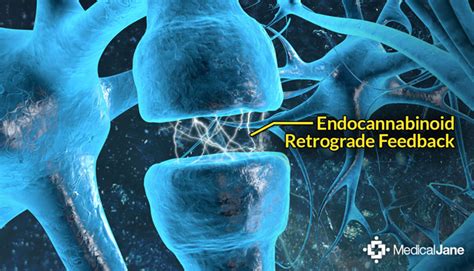
- The Endocannabinoid System (ECS) is vital for maintaining bodily equilibrium through its key components: endocannabinoids, cannabinoid receptors, and enzymes.
- Cannabinoids, including both endogenous and phytocannabinoids, interact with the ECS to regulate a multitude of physiological functions.
- Terpenes enhance the therapeutic effects of cannabinoids through the entourage effect, providing synergistic benefits.
Introduction to the Endocannabinoid System (ECS)
The Endocannabinoid System (ECS) is a complex cell-signaling network identified in the early 1990s during research on cannabis. It is integral to maintaining homeostasis—a stable internal environment within the body—by regulating various physiological processes. The ECS is ancient, having evolved over 600 million years ago, underscoring its fundamental role in biology.
Components of the Endocannabinoid System
1. Endocannabinoids
Endocannabinoids are endogenous lipid-based neurotransmitters that bind to cannabinoid receptors to signal within the ECS. They are produced on demand and are not stored in cells. The two primary endocannabinoids are:
- Anandamide (AEA): Derived from the Sanskrit word "ananda," meaning bliss, anandamide plays a crucial role in mood regulation, memory, and appetite.
- 2-Arachidonoylglycerol (2-AG): Involved in immune system regulation and the modulation of pain and inflammation, 2-AG is present in higher concentrations within the body compared to anandamide.
2. Cannabinoid Receptors
Cannabinoid receptors are G-protein coupled receptors located throughout the body. The ECS primarily consists of two types of cannabinoid receptors:
- CB1 Receptors: Predominantly found in the central nervous system (CNS), including the brain and spinal cord. They influence functions such as mood, memory, pain perception, and appetite.
- CB2 Receptors: Mainly located in peripheral tissues and immune cells. They play a significant role in regulating inflammation and immune responses.
These receptors serve as binding sites for both endogenous cannabinoids and exogenous compounds like phytocannabinoids.
3. Enzymes
Enzymes within the ECS are responsible for the synthesis and degradation of endocannabinoids, ensuring that their actions are precisely regulated. The primary enzymes include:
- Fatty Acid Amide Hydrolase (FAAH): Breaks down anandamide, terminating its signaling.
- Monoacylglycerol Lipase (MAGL): Degrades 2-AG, limiting its activity within the ECS.
Cannabinoids
1. Phytocannabinoids (Plant-Derived Cannabinoids)
Phytocannabinoids are cannabinoids found in the cannabis plant (Cannabis sativa). Over 100 different phytocannabinoids have been identified, each with unique effects. The most notable phytocannabinoids include:
- Tetrahydrocannabinol (THC): The primary psychoactive compound in cannabis. THC binds directly to CB1 and CB2 receptors, inducing effects such as euphoria, pain relief, and appetite stimulation.
- Cannabidiol (CBD): A non-psychoactive cannabinoid that interacts indirectly with the ECS. CBD influences receptor activity and inhibits the breakdown of endocannabinoids, enhancing their effects.
- Cannabigerol (CBG): Known for its potential anti-inflammatory and neuroprotective properties.
- Cannabinol (CBN): Possesses sedative effects and may aid in sleep disorders.
- Cannabichromene (CBC): Exhibits anti-inflammatory and analgesic properties.
2. Synthetic Cannabinoids
Synthetic cannabinoids are laboratory-created compounds designed to mimic the effects of natural cannabinoids. They can be tailored to target specific receptors within the ECS but may also carry risks of adverse effects due to their potency and lack of regulation.
3. Endocannabinoids vs. Phytocannabinoids
| Aspect | Endocannabinoids | Phytocannabinoids |
|---|---|---|
| Origin | Endogenously produced by the human body | Derived from the cannabis plant |
| Primary Examples | Anandamide (AEA), 2-Arachidonoylglycerol (2-AG) | Tetrahydrocannabinol (THC), Cannabidiol (CBD) |
| Function | Maintain homeostasis by regulating mood, pain, appetite, etc. | Supplement or mimic endocannabinoid actions within the ECS |
| Production | Synthesized on demand in response to physiological needs | Extracted from cannabis plants and administered externally |
Terpenes
Terpenes are aromatic compounds found in cannabis and many other plants. They contribute to the distinctive scents and flavors of different cannabis strains and may possess their own therapeutic properties. Terpenes work synergistically with cannabinoids in what is known as the entourage effect, enhancing the overall therapeutic benefits.
Common Terpenes in Cannabis
- Myrcene: Has sedative and anti-inflammatory effects. Commonly found in mangoes, thyme, and lemongrass.
- Limonene: Known for its citrus aroma, limonene has mood-enhancing and anti-anxiety properties.
- Pinene: Possesses anti-inflammatory and memory-enhancing effects. It is also found in pine needles.
- Linalool: Offers calming and anti-anxiety benefits. Commonly present in lavender.
- Caryophyllene: Unique for its ability to bind to CB2 receptors, providing anti-inflammatory benefits.
The Entourage Effect
The entourage effect refers to the synergistic interaction between cannabinoids, terpenes, and other compounds in cannabis. This interaction enhances the therapeutic efficacy of the plant's constituents, leading to more pronounced and balanced effects compared to isolated compounds.
Mechanisms of Action
1. Cannabinoid Receptor Activation
Phytocannabinoids like THC bind directly to CB1 and CB2 receptors, activating them and mimicking the action of endocannabinoids. This binding can influence various physiological processes:
- CB1 Activation: Leads to psychoactive effects, modulation of pain, appetite, and memory.
- CB2 Activation: Influences immune responses and reduces inflammation.
Cannabidiol (CBD), however, does not bind directly to these receptors. Instead, it modulates receptor activity indirectly and inhibits the enzymes responsible for breaking down endocannabinoids, thereby enhancing their effects.
2. Enzyme Inhibition
Cannabinoids like CBD inhibit enzymes such as FAAH and MAGL, which are responsible for degrading endocannabinoids like anandamide and 2-AG. By inhibiting these enzymes, CBD increases the levels of endocannabinoids in the body, amplifying their natural physiological effects.
3. Interaction with Non-Cannabinoid Receptors
Cannabinoids and terpenes also interact with other receptor systems beyond the ECS, contributing to their diverse therapeutic effects:
- Serotonin Receptors (5-HT1A): Involved in mood regulation; CBD interacts with these receptors to exert anxiolytic and antidepressant effects.
- Vanilloid Receptors (TRPV1): Play a role in pain perception and inflammation; cannabinoids can activate these receptors to alleviate pain.
- Peroxisome Proliferator-Activated Receptors (PPARs): Involved in metabolic processes and inflammation; cannabinoids can modulate these receptors to exert anti-inflammatory effects.
Medicinal Benefits of Cannabis
The interaction between cannabinoids, terpenes, and the ECS underlies the wide-ranging therapeutic potential of cannabis. Below are key areas where cannabis and its compounds have shown medicinal benefits:
1. Chronic Pain Management
Both THC and CBD are effective in managing acute and chronic pain by modulating pain signals in the central nervous system and reducing inflammation. They can be used to alleviate conditions such as arthritis, fibromyalgia, and neuropathic pain.
2. Neurological Disorders
Cannabidiol (CBD) has been approved for treating certain forms of epilepsy, such as Dravet syndrome and Lennox-Gastaut syndrome. Additionally, cannabinoids are being researched for their neuroprotective effects in conditions like multiple sclerosis, Parkinson's disease, and Alzheimer's disease.
3. Anxiety and Depression
CBD interacts with serotonin receptors to help reduce anxiety and depressive symptoms. Terpenes like limonene and linalool further enhance these effects through their mood-stabilizing properties.
4. Inflammation and Immune Response
Activation of CB2 receptors by cannabinoids such as CBD and beta-caryophyllene can suppress inflammatory responses, making them beneficial for autoimmune conditions like rheumatoid arthritis, Crohn's disease, and psoriasis.
5. Cancer
Cannabinoids may help reduce tumor growth and alleviate chemotherapy-induced nausea and vomiting. THC has been shown to stimulate appetite, which is beneficial for cancer patients experiencing weight loss and anorexia.
6. Sleep Disorders
Strains of cannabis rich in myrcene and THC can promote sleep by inducing relaxation and reducing insomnia. These compounds help regulate the sleep-wake cycle and improve sleep quality.
7. Appetite and Nausea
THC is effective in stimulating appetite and reducing nausea, particularly in patients undergoing chemotherapy or living with conditions like HIV/AIDS that cause significant weight loss and anorexia.
The Importance of the Entourage Effect
The entourage effect highlights the synergistic interactions between cannabinoids, terpenes, and other phytochemicals in cannabis, enhancing the plant's overall therapeutic efficacy. This synergy allows for more effective treatment outcomes and can mitigate potential side effects associated with isolated compounds.
For example:
-
CBD and THC: CBD can balance the psychoactive effects of THC, reducing anxiety or paranoia that may result from high THC concentrations.
-
Beta-Caryophyllene and CBD: Together, they may offer enhanced anti-inflammatory effects compared to either compound alone.
-
Terpenes like Myrcene and Limonene: These terpenes can work alongside cannabinoids to promote relaxation and mood enhancement, respectively.
Conclusion
The Endocannabinoid System is a fundamental regulator of numerous physiological processes, ensuring the body's internal balance and response to external stimuli. Cannabis, through its varied cannabinoids and terpenes, interacts intricately with the ECS to exert a wide range of therapeutic effects. Understanding the mechanisms of action and the synergistic interactions among these compounds opens the door to more effective and personalized medical treatments. As research continues to evolve, the potential applications of cannabis in medicine are likely to expand, offering hope for individuals suffering from various chronic and acute conditions.
References
Last updated January 19, 2025