
Unveiling Flame Day: More Than Just a Date, It's a Celebration of Transformation!
Explore the multifaceted meanings of "Flame Day," from seasonal symbolism and ancient rituals to personal celebrations and modern interpretations.
The term "Flame Day" doesn't point to a single, universally recognized holiday on the global calendar. Instead, it encompasses a range of meanings, from deeply personal symbolic observances to specific, localized events. Understanding "Flame Day" involves delving into the power of fire as a symbol of transition, renewal, and enduring spirit across various cultures and contexts.
Highlights of Flame Day
- Symbolic Transition: "Flame Day" primarily signifies a personal or modern celebration marking the shift from winter to spring, often embodying the union of flame and water for renewal and new beginnings.
- Cultural Echoes: While not universally fixed, the concept resonates with ancient fire festivals like Imbolc and Beltane, which honor light, warmth, and the cyclical nature of life through the potent symbolism of fire.
- Diverse Interpretations: The term also appears in various other contexts, including potential name day celebrations for individuals, academic events, historical commemorations, and even in-game events, each carrying its own distinct significance.
The Core Concept: A Symbolic Passage
At its heart, the most resonant meaning of "Flame Day" refers to a symbolic, often personal, holiday. One such modern interpretation describes a "Flame Day" established around February 1st, conceived as a celebration marking the transition from the depths of winter to the promise of spring. This observance emphasizes the symbolic union of flame and water, representing renewal and the cyclical turning of the seasons. Rituals might involve lighting candles and setting out bowls of water, evolving over time to suit individual meaning and connection to these powerful elements.
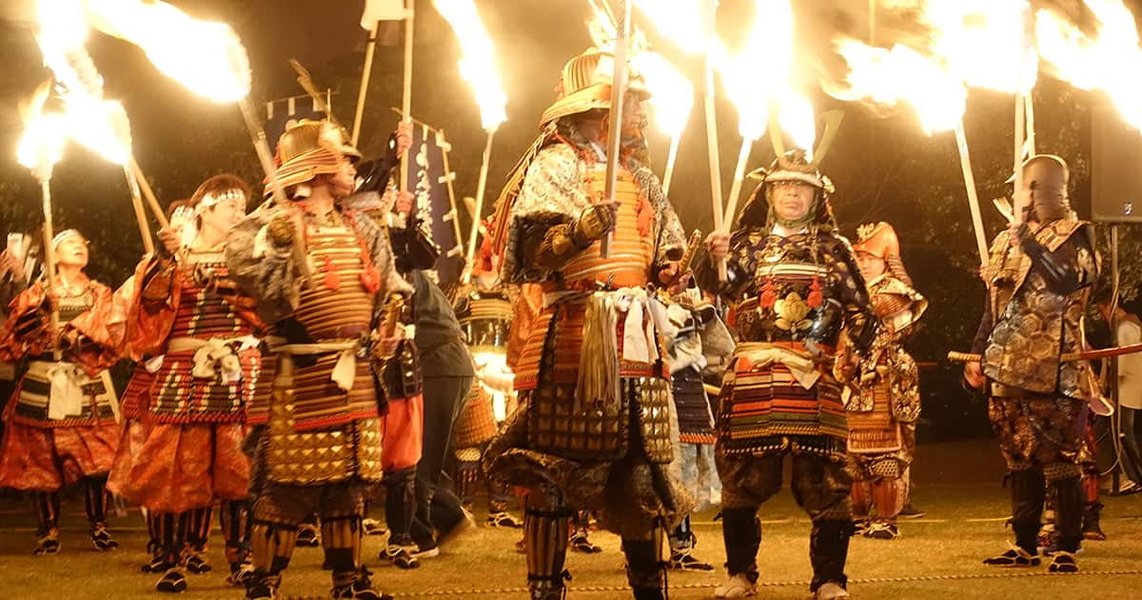
Japanese fire festivals, like those depicted, often celebrate seasonal changes, purification, and community spirit through the dramatic use of fire.
The Dance of Elements: Flame and Water in Harmony
The pairing of flame and water in some "Flame Day" interpretations is particularly potent. Fire, with its connotations of warmth, light, energy, and transformation, is juxtaposed with water, often symbolizing cleansing, emotion, and the flow of life. Together, they can represent a balance of forces, the melting away of winter's ice by the sun's returning strength, and the fertile ground prepared for new growth. This elemental dance underscores themes of purification and the ushering in of a vibrant new phase.
Echoes of Antiquity: Flame Day's Connection to Ancient Traditions
"Flame Day," especially in its seasonal context, shares thematic similarities with several historical and ongoing cultural fire festivals that mark significant points in the year. These ancient practices highlight humanity's long-standing reverence for fire.
Imbolc and Candlemas: Welcoming Spring's First Light
The Celtic Harbinger of Spring
The personal "Flame Day" observance on February 1st interestingly coincides with Imbolc, a traditional Celtic festival marking the halfway point between winter solstice and spring equinox. Imbolc (also known as St. Brigid's Day) is a festival of hearth and home, celebrating the returning light and the very first stirrings of spring. It's a time for purification, hope, and preparing for the agricultural season. Fire and light are central to Imbolc, with candles lit and bonfires kindled to honor the sun's increasing power.
Candlemas: A Festival of Lights
Candlemas, observed on February 2nd, also resonates with themes of light and purification. In Christian tradition, it commemorates the presentation of Jesus at the Temple and involves the blessing of candles. Its timing and focus on light connect it to older pagan festivals that celebrated the waning of winter and the anticipation of spring, much like the symbolic Flame Day.
Beltane: The Gaelic Fire Festival of Summer's Approach
Celebrated around May 1st, Beltane is a vibrant Gaelic May Day festival heralding the arrival of summer. It is one of the most significant fire festivals, embodying themes of passion, vitality, fertility, and the sacred union of energies. Bonfires play a crucial role, with communities historically driving cattle between two fires for purification and protection. Dancing, feasting, and celebrating the burgeoning life of the season are characteristic of Beltane, echoing the life-affirming energy associated with a "Flame Day."
This video showcases the Beltane Fire Festival in Edinburgh, Scotland, a modern interpretation of ancient Gaelic traditions celebrating the arrival of summer with spectacular fire displays and performances, embodying themes of renewal and community central to many fire festivals.
The Aztec New Fire Ceremony: Cosmic Renewal
A powerful example of fire's ceremonial importance from a different cultural context is the Aztec New Fire Ceremony (Ceremonia del Fuego Nuevo). Performed every 52 years, this ritual was vital to prevent the perceived end of the world. It involved extinguishing all fires across the empire, followed by priests kindling a new, sacred fire on the Hill of the Star. This new flame was then distributed by runners carrying torches, symbolizing the sun's rebirth and the continuation of cosmic order. This ceremony underscores fire's profound role in marking cycles of ending and beginning.

The Kurama Fire Festival in Kyoto, Japan, is another example of a vibrant cultural event where fire plays a central role, illuminating traditions and community bonds.
Comparing Fire Festivals: A Visual Snapshot
While "Flame Day" as a personal observance may vary, its themes resonate with established fire festivals. The radar chart below offers a comparative glimpse into the characteristics of a symbolic Flame Day alongside Imbolc/Candlemas, Beltane, and the Aztec New Fire Ceremony. The attributes—Seasonality (importance of a specific time of year), Ritualism (degree of formal ritual), Community Focus (extent of communal participation), Renewal Symbolism (emphasis on new beginnings), and Light/Darkness (focus on the interplay of light and dark)—are rated on a scale of 1 to 10, with 10 being the highest. This is an interpretive comparison to highlight thematic connections.
Eternal Flames: Symbols of Enduring Significance
Beyond seasonal celebrations, the concept of "flame" holds enduring power in the form of eternal flames. These are fires meticulously maintained to burn continuously, often to commemorate a person, an event of national importance, or to symbolize an enduring concept like religious belief or peace. Examples include flames at war memorials, such as the Tomb of the Unknown Soldier, or symbolic structures like the Torch of Friendship. Historically, eternal flames were part of religious rituals, such as in the Jewish Tabernacle and Temple in Jerusalem, and in the Achaemenid Empire with its "great fires." These perpetual fires serve as constant reminders of commitment, remembrance, or divine presence.
"Flame Day" as a Personal Celebration: The Name Day Aspect
Another interpretation of "Flame Day" relates to the tradition of name days. A name day is a custom in many cultures where individuals celebrate the day associated with their given name, often linked to a saint's day or another significant date. While "Flame" may not have a universally designated name day in official calendars, individuals with this evocative name might choose to celebrate it. Such a personal "Flame Day" could be observed on a date linked to fire-related festivals (like May 1st for Beltane, or February 2nd for Candlemas), a personal milestone, or simply a day that resonates with the fiery symbolism of their name – passion, light, and transformative energy.
Specific Events and Mentions: A Spectrum of Meanings
The term "Flame Day" also appears in highly specific, and often unrelated, contexts:
- Blue Flame Day: Celebrated by three U.S. states, this day honors the Blue Flame rocket car's achievement of setting the world land speed record in 1970.
- Finnish Flame Day (Liekkipäivä): This is a biennial event in Finland focused on thermal energy science and technology, serving as a forum for industry and academia.
- FLAME Undergraduate Research Day: An academic event at FLAME University in India, providing a platform for undergraduate students to present their research.
- Day of the Flame's Return: This is an in-game event within the popular video game Genshin Impact, entirely fictional and part of the game's lore.
These examples illustrate the diverse ways the "flame" motif is used, though they differ significantly from the symbolic, seasonal, or personal "Flame Day" celebrations.
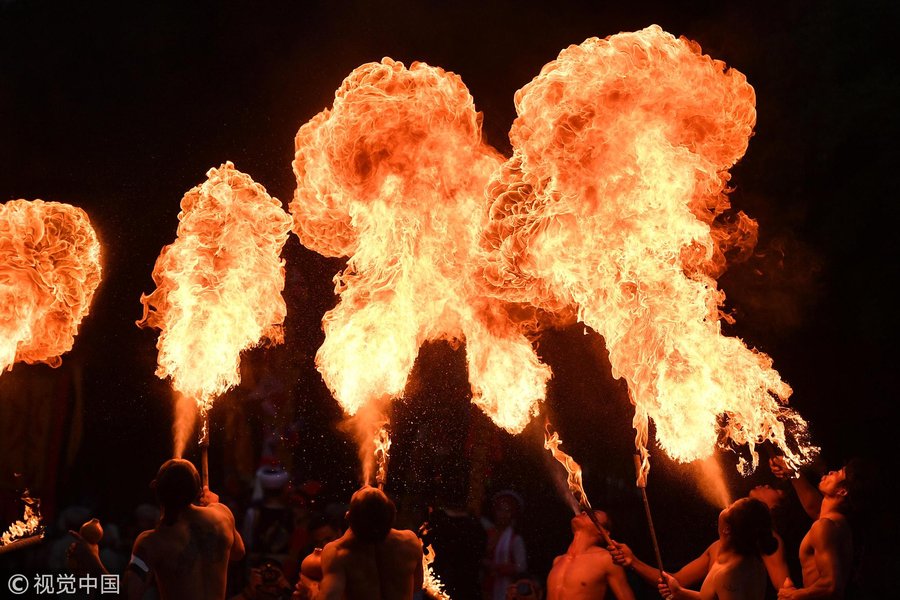
The Torch Festival, celebrated by various ethnic groups in China, is a vibrant spectacle of fire that illuminates cultural heritage, dispels misfortune, and prays for a good harvest.
The Universal Language of Flame: A Summary in Characteristics
The various interpretations and associations with "Flame Day" highlight the deep symbolic resonance of fire across cultures and time. The following table summarizes key characteristics of different types of flame-related observances:
| Celebration Type | Primary Focus | Key Elements | Timing Example | Cultural Origin/Context |
|---|---|---|---|---|
| Symbolic Flame Day (Personal) | Transition from winter to spring, personal renewal, elemental balance | Candles, water, personal rituals, reflection | February 1st (example) | Modern, personal invention/interpretation |
| Imbolc / Candlemas | Early spring, purification, return of light, new beginnings | Candles, hearth fires, feasts, blessings | Early February | Celtic, Christian, older pagan roots |
| Beltane | Peak of spring/start of summer, fertility, protection, community | Bonfires, dancing, feasting, Maypoles | May 1st | Gaelic, Pagan |
| Aztec New Fire Ceremony | Cosmic renewal, ensuring continuation of the world, solar rebirth | Extinguishing old fires, kindling a new sacred fire, distribution of flame | Every 52 years | Mesoamerican (Aztec) |
| Eternal Flames | Commemoration, remembrance, enduring spirit, sacred presence | Continuously burning flame, maintained at memorials or sacred sites | Ongoing | Various (civic, religious, historical) |
| Name Day (for "Flame") | Personal celebration of an individual's name and its symbolism | Personal choice, can involve light/fire symbolism, gatherings | Varies (chosen by individual) | General European tradition, adaptable |
Mapping the Meanings of Flame Day
To visualize the interconnected ideas surrounding "Flame Day," the mindmap below outlines its primary interpretations and related concepts. It illustrates how a simple term can branch out into rich areas of cultural practice, symbolism, and personal meaning, all connected by the elemental power of fire.
(Early Spring, Light)"] id2b["Beltane
(Gaelic Spring Fire Festival)"] id2c["Aztec New Fire Ceremony
(Cyclical Renewal)"] id3["Eternal Flames"] id3a["Commemoration & Remembrance"] id3b["Symbol of Enduring Spirit"] id4["Name Day Aspect"] id4a["Celebration for individuals named 'Flame'"] id4b["Personalized Observance"] id5["Specific Modern Events & Mentions"] id5a["Blue Flame Day (Land Speed Record)"] id5b["Finnish Liekkipäivä (Thermal Energy)"] id5c["Academic Research Days (e.g., FLAME University)"] id5d["In-Game Events (e.g., Genshin Impact)"] id6["Broader Symbolism of Fire"] id6a["Transformation & Purification"] id6b["Passion, Energy & Life"] id6c["Light in Darkness"]
Frequently Asked Questions (FAQ)
Is Flame Day an official, globally recognized holiday?
No, "Flame Day" is not an official, universally recognized holiday with a fixed date on global calendars. Its most prominent meaning refers to a symbolic or personal celebration, particularly marking the transition from winter to spring. Other mentions are specific to certain events or niche contexts.
When is a symbolic Flame Day typically celebrated?
For those who observe a symbolic Flame Day for the winter-to-spring transition, a date like February 1st has been mentioned, coinciding with the Celtic festival of Imbolc. However, as it's often a personal observance, the timing can be flexible and chosen by the individual to align with their sense of seasonal change.
What are common rituals for a symbolic Flame Day?
Rituals can be very personal but often involve the elements of fire and water. This might include lighting candles, setting out bowls of water, meditating on themes of renewal and transition, chanting, or journaling. The focus is on acknowledging the end of one season and the welcoming of another.
How is Flame Day related to other fire festivals like Beltane or Imbolc?
A symbolic Flame Day shares thematic connections with festivals like Imbolc (early spring, return of light) and Beltane (peak spring/early summer, fertility, bonfires). All these observances utilize fire as a central symbol for purification, renewal, protection, and celebrating the cyclical nature of life and seasons. While Flame Day might be a more modern or personal interpretation, it taps into these ancient human traditions of honoring fire.
Can I celebrate a Flame Day for someone named Flame?
Yes, absolutely. If you or someone you know is named Flame, you could celebrate a personal "Flame Day" as a form of name day. You could choose a date that is significant to the individual or aligns with fire-related themes, perhaps by lighting a candle, having a small bonfire (safely), or reflecting on the qualities associated with the name, such as passion, warmth, and brilliance.
Recommended Further Exploration
- What are the origins and rituals of the Imbolc festival?
- How is Beltane celebrated in modern times and what is its historical significance?
- What is the symbolism of eternal flames in different cultures?
- Can you explain the Aztec New Fire Ceremony in more detail?
References
Last updated May 14, 2025