
Unveiling the World of Freight Forwarding: Your Goods, Globally Managed
Discover how these crucial intermediaries orchestrate the complex journey of cargo across borders, making international trade possible.
Freight forwarding is a cornerstone of international trade and logistics, a specialized service dedicated to organizing and managing the shipment of goods from an origin point to a final destination. Companies or individuals known as freight forwarders act as expert intermediaries, bridging the gap between the shipper (the exporter or importer) and the myriad transportation services required to move cargo, especially across international borders. They meticulously plan and coordinate the use of various transport modes—be it air, sea, road, or rail—to ensure goods arrive efficiently, cost-effectively, and in compliance with all regulations.
Key Insights into Freight Forwarding
- Crucial Intermediaries: Freight forwarders do not typically own the transport vessels (like ships or planes) but rather leverage their extensive networks and expertise to arrange the entire shipping process.
- Comprehensive Service: Their role extends beyond mere transportation to include documentation, customs clearance, cargo insurance, and warehousing, offering a holistic logistics solution.
- Efficiency and Cost-Effectiveness: By optimizing routes, consolidating shipments, and negotiating rates, freight forwarders aim to save shippers time and money while navigating complex logistical challenges.
The Intricate Process: How Freight Forwarding Works
The freight forwarding process is a sophisticated, multi-stage operation designed to move goods seamlessly from seller to buyer. It typically unfolds as follows:
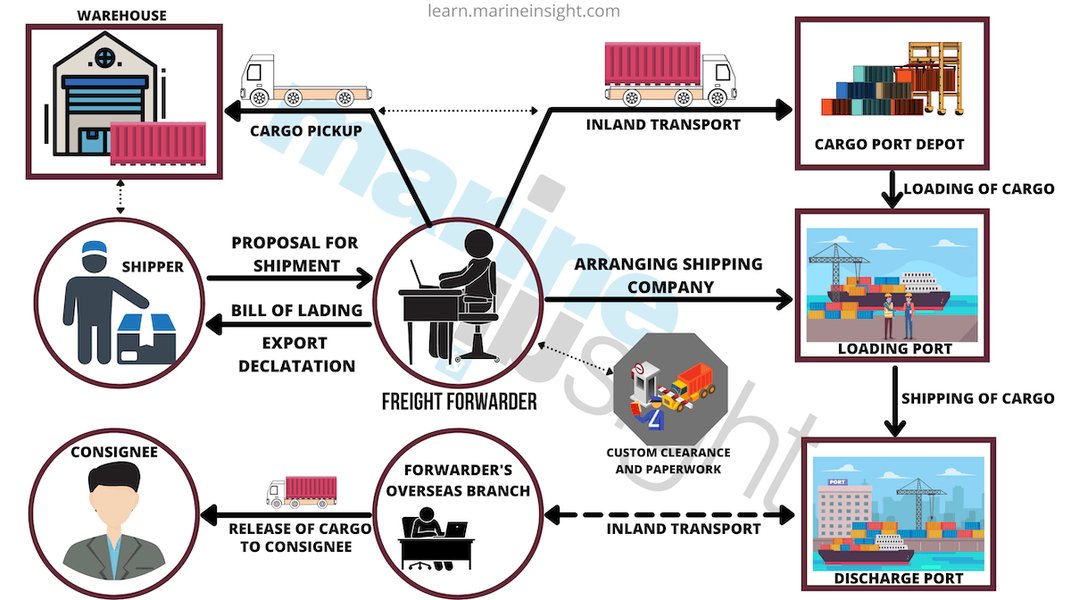
A visual overview of the typical freight forwarding workflow.
1. Initial Consultation, Planning, and Quotation
The journey begins when a shipper approaches a freight forwarder with their shipping needs. This involves providing details about the cargo: its nature (e.g., perishable, hazardous, oversized), volume, weight, origin, and destination. The forwarder then assesses these requirements to devise a tailored shipping strategy. This includes selecting the most suitable transportation mode(s)—air for speed, sea for bulk and cost-effectiveness, road or rail for inland transit—or a multimodal combination. Factors like delivery speed, budget, and cargo safety are paramount in this planning phase. Based on this plan, a quotation is provided to the shipper.
2. Booking and Arrangement with Carriers
Once the shipper accepts the quotation and terms, the freight forwarder proceeds to book space with the chosen carriers. Leveraging their established relationships and often significant shipping volumes, forwarders can negotiate favorable rates and terms with shipping lines, airlines, trucking companies, and rail operators. They handle all liaison with these entities, coordinating pick-up times and transit schedules.
3. Documentation and Regulatory Compliance
This is a critical and often complex aspect of freight forwarding, especially for international shipments. Freight forwarders are responsible for preparing, acquiring, and managing all necessary documentation. This can include:
- Commercial Invoice & Packing List: Details of the goods, value, seller, and buyer.
- Bill of Lading (B/L) or Air Waybill (AWB): The contract of carriage between the shipper and the carrier, serving as a receipt for goods.
- Certificate of Origin: Verifies the country where the goods were manufactured.
- Export/Import Licenses: Required for certain types of goods or trade routes.
- Shipper's Export Declaration (SED) / Electronic Export Information (EEI): For U.S. exports.
- Insurance Certificates: If cargo insurance is procured.
Forwarders ensure all paperwork complies with the regulations of both the exporting and importing countries, as well as any transit countries. This includes adherence to Incoterms (International Commercial Terms), which define the responsibilities of buyers and sellers in international transactions.
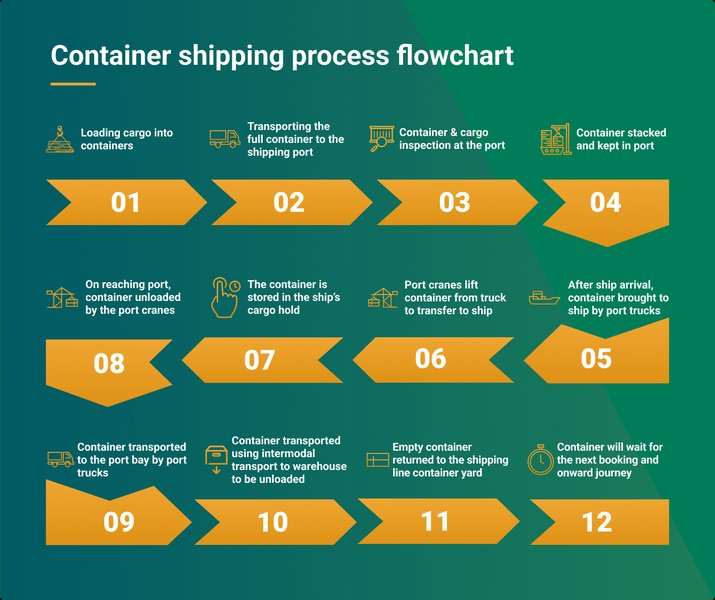
Flowchart detailing steps in the container shipping process, often managed by freight forwarders.
4. Customs Clearance
Navigating customs procedures is a core function. Freight forwarders, often acting as or working with licensed customs brokers, manage the submission of documents to customs authorities, the calculation and payment of duties and taxes, and arrange for any necessary inspections. Their expertise helps prevent costly delays and penalties at borders.
5. Cargo Handling, Consolidation, and Tracking
Cargo Movement and Consolidation
The forwarder arranges for the inland transportation of goods from the shipper's premises to the port or airport of departure. For smaller shipments (Less-than-Container Load or LCL), they may consolidate goods from multiple shippers into a single container to optimize costs. They also coordinate the loading of cargo onto the primary transport vessel. Warehousing services, either short-term or long-term, can also be arranged as needed.
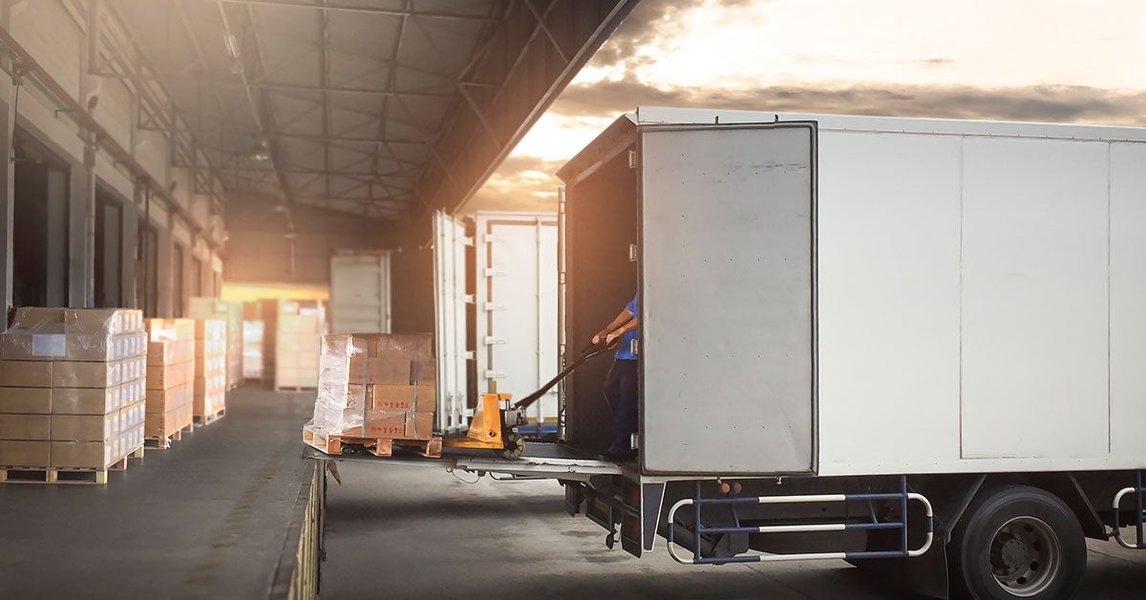
Efficient loading and unloading are crucial parts of the cargo handling process.
Shipment Tracking
Throughout the transit, freight forwarders provide shippers with updates on the status and location of their cargo. Modern forwarders utilize digital platforms and real-time tracking systems, offering enhanced visibility from origin to destination.
6. Arrival and Final Delivery
Upon arrival at the destination port or airport, the freight forwarder manages the unloading of cargo and coordinates its transfer. They handle import customs clearance procedures in the destination country. Once cleared, they arrange for inland transportation to the final consignee, completing the door-to-door (or chosen Incoterm-defined) delivery. Post-shipment, they provide proof of delivery and assist with any claims processing if issues like damage or loss occurred.
Core Responsibilities of a Freight Forwarder
Freight forwarders wear many hats, acting as project managers for international shipments. Their primary responsibilities include:
- Logistics Planning and Optimization: Designing the most efficient and cost-effective shipping routes and modes.
- Carrier Negotiation and Booking: Securing space and favorable rates with various transport providers.
- Documentation Management: Ensuring accuracy and completeness of all required shipping and customs documents.
- Customs Brokerage: Facilitating the clearance of goods through customs authorities.
- Cargo Insurance Arrangement: Offering or arranging insurance to cover potential loss or damage during transit.
- Warehousing and Storage: Providing or arranging storage solutions if needed during the shipping process.
- Shipment Consolidation: Grouping smaller shipments to reduce costs.
- Tracking and Tracing: Providing visibility into the shipment's journey.
- Risk Management: Identifying potential issues and implementing mitigation strategies.
- Compliance: Ensuring adherence to all international and local shipping regulations and trade laws.
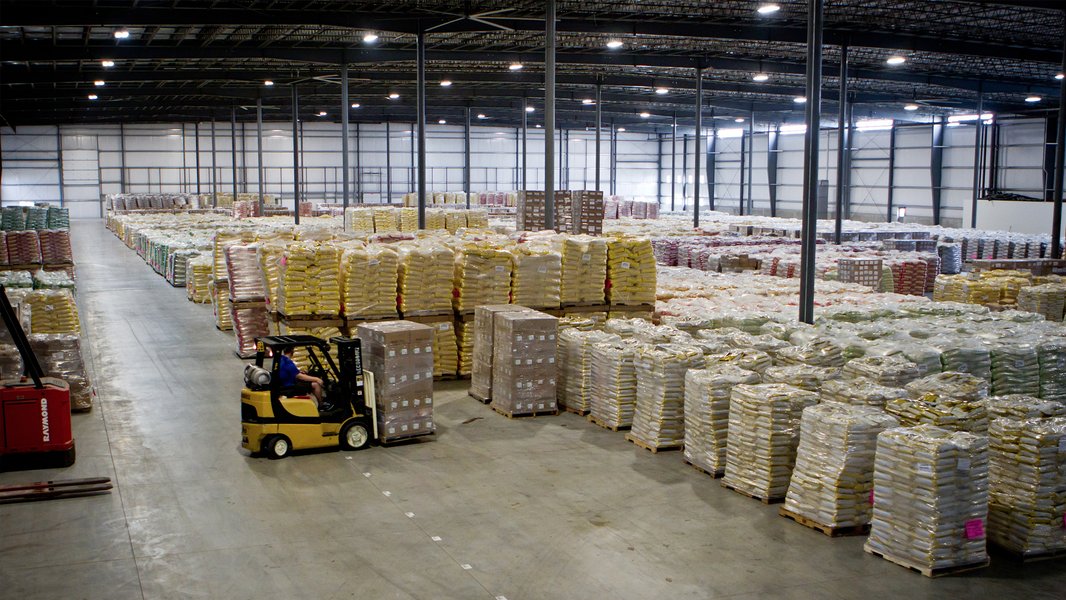
Warehousing is an integral service offered by many freight forwarders for storage and distribution.
Exploring Modes of Transport in Freight Forwarding
Freight forwarders utilize various modes of transport, often in combination, to meet diverse shipping needs. The choice depends on factors like urgency, cost, cargo type, and distance.
The radar chart above offers a comparative view of different freight transport modes based on key performance indicators. For example, Air Freight scores highest on 'Speed' but lowest on 'Cost Efficiency', making it ideal for urgent, high-value goods. Conversely, Ocean Freight excels in 'Cost Efficiency' and 'Capacity', suitable for bulk goods where transit time is less critical. Road Freight offers high 'Reliability' and flexibility for shorter distances, while Rail Freight presents a balance, particularly strong in 'Capacity' and 'Cost Efficiency' for overland long-haul transport. These are generalized comparisons, and specific scores can vary based on route, carrier, and market conditions.
Types of Freight Forwarding Services
- Air Freight Forwarding: Best for time-sensitive, high-value, or perishable goods. It's the fastest mode but generally the most expensive.
- Ocean/Sea Freight Forwarding: The most common method for international trade, especially for bulk goods, vehicles, and large volume shipments. It involves Full Container Loads (FCL) or Less than Container Loads (LCL). It's cost-effective but slower than air.
- Road Freight Forwarding: Primarily for domestic or regional transport, and often used for the first and last mile of international shipments. Offers flexibility and door-to-door service.
- Rail Freight Forwarding: An efficient option for long-distance overland transport, particularly for bulk commodities or intermodal containers. It can be more cost-effective and environmentally friendly than road transport for certain routes.
- Multimodal Freight Forwarding: Combines two or more modes of transport (e.g., sea-air, rail-road) under a single contract. This approach aims to optimize for speed, cost, and efficiency, providing a seamless door-to-door solution.
The following table provides a summarized comparison of these transport modes:
| Feature | Air Freight | Ocean Freight | Road Freight | Rail Freight |
|---|---|---|---|---|
| Speed | Very Fast | Slow | Fast (Short/Medium Haul) | Moderate (Long Haul) |
| Cost | Very High | Low | Moderate | Moderate |
| Capacity/Volume | Low | Very High | Moderate | High |
| Typical Cargo | High-value, perishables, urgent items | Bulk goods, raw materials, vehicles, general cargo | General cargo, retail goods, regional distribution | Bulk commodities, containers, intermodal freight |
| Flexibility | Moderate (Airport to Airport) | Low (Port to Port) | Very High (Door-to-Door) | Moderate (Station to Station) |
| Environmental Impact | High | Low to Moderate | Moderate | Low |
The Freight Forwarding Ecosystem: A Mindmap Overview
To better visualize the interconnected components of freight forwarding, the mindmap below illustrates its core elements, processes, and benefits. It highlights how freight forwarders serve as central coordinators in the complex web of global logistics.
Visualizing the Journey: Freight Forwarding Explained
For a dynamic understanding of what freight forwarders do and the advantages they bring to the shipping process, the following video provides a concise explainer. It visualizes the role of these crucial intermediaries in navigating the complexities of global logistics.
This video offers a complete explanation of freight forwarding, highlighting its processes and benefits.
As the video illustrates, freight forwarders orchestrate various elements, from initial pick-up to final delivery, ensuring that goods move across international supply chains smoothly. They act as a single point of contact for shippers, simplifying communication and coordination with multiple vendors like trucking companies, port authorities, customs agents, and ocean or air carriers.
The Importance of Incoterms in Freight Forwarding
International Commercial Terms, or Incoterms, are a set of predefined commercial terms published by the International Chamber of Commerce (ICC) relating to international commercial law. They are crucial in freight forwarding as they clearly define the responsibilities, costs, and risks associated with the transportation and delivery of goods between sellers and buyers. Freight forwarders must have a thorough understanding of Incoterms to correctly manage shipments according to the agreed-upon terms. For example:
- EXW (Ex Works): The seller makes the goods available at their premises. The buyer bears all costs and risks from that point, including arranging all transportation. The freight forwarder, if hired by the buyer, would manage the entire journey from the seller's door.
- FOB (Free on Board): The seller is responsible for costs and risks until the goods are loaded on board the vessel at the named port of shipment. The buyer (or their forwarder) takes over responsibility from that point.
- CIF (Cost, Insurance, and Freight): The seller pays for the cost and freight to bring the goods to the port of destination and also procures marine insurance against the buyer's risk of loss or damage during carriage. The risk transfers to the buyer once the goods are on board the vessel.
- DDP (Delivered Duty Paid): The seller bears all costs and risks to deliver the goods to the named place of destination, cleared for import and with all duties and taxes paid. This places maximum obligation on the seller, and their freight forwarder would manage the entire end-to-end process.
Understanding these terms helps the freight forwarder ensure all logistical stages are handled by the correct party, avoiding disputes and unexpected costs.
Benefits of Utilizing Freight Forwarding Services
Partnering with a freight forwarder offers numerous advantages, especially for businesses engaged in or looking to expand into international trade:
- Cost Savings: Forwarders can negotiate better freight rates due to their volume and relationships with carriers. They also optimize routes and can consolidate shipments, reducing overall transportation expenses.
- Efficiency and Time Savings: Their expertise in logistics planning, documentation, and customs procedures minimizes delays and streamlines the entire shipping process, allowing businesses to focus on their core activities.
- Expertise in Regulations and Compliance: Navigating the complex web of international trade laws, customs regulations, and documentation requirements can be daunting. Forwarders ensure compliance, mitigating risks of fines or shipment seizures.
- Global Network and Reach: Established forwarders have extensive networks of agents and partners worldwide, facilitating smooth transit even in remote or challenging locations.
- Risk Management: They can advise on and arrange cargo insurance, and their experience helps in anticipating and mitigating potential risks like port congestion, carrier issues, or geopolitical disruptions.
- Scalability and Flexibility: Freight forwarders can handle varying shipment volumes and adapt to changing market conditions or specific client needs, offering tailored solutions.
- Access to Technology: Many forwarders provide access to advanced tracking systems and digital platforms, offering greater visibility and control over shipments.
- Simplified Logistics: They act as a single point of contact for all shipping-related needs, simplifying communication and management for the shipper.
Current Trends in Freight Forwarding (As of May 2025)
The freight forwarding industry is dynamic and constantly evolving in response to global economic shifts, technological advancements, and changing regulatory landscapes. As of early 2025, several key trends are shaping the sector:
- Digital Transformation: The adoption of digital technologies continues at an accelerated pace. This includes AI for route optimization and predictive analytics, IoT for real-time cargo monitoring, blockchain for enhanced security and transparency in documentation, and cloud-based platforms for streamlined collaboration and data management.
- Sustainability Focus: There is a growing emphasis on environmental sustainability. Shippers and consumers are increasingly demanding greener logistics solutions. Freight forwarders are responding by offering options like optimized routing to reduce fuel consumption, promoting intermodal transport that includes rail, and investing in or partnering with carriers using more sustainable fuels.
- E-commerce Boom & Last-Mile Delivery Challenges: The continued growth of global e-commerce places significant demands on freight forwarding, particularly for efficient cross-border fulfillment and complex last-mile delivery solutions.
- Supply Chain Resilience and Diversification: Recent global disruptions have highlighted the need for more resilient supply chains. Businesses are looking to diversify sourcing and manufacturing locations, and freight forwarders play a key role in establishing and managing these new, often more complex, trade lanes.
- Data Analytics and Visibility: Shippers demand greater visibility and control over their supply chains. Freight forwarders are leveraging data analytics to provide actionable insights, improve forecasting, and enhance decision-making processes.
- Geopolitical and Trade Policy Impacts: Fluctuating trade policies, tariffs, and geopolitical tensions continue to create challenges and opportunities. Freight forwarders must stay agile and well-informed to help clients navigate these complexities, such as recent changes in US trade policies including proposed universal duty rates and modifications to de minimis exemptions.
- Talent and Skill Development: The increasing complexity and technological nature of freight forwarding require a skilled workforce. Attracting, training, and retaining talent with expertise in both logistics and technology is a key industry focus.
Frequently Asked Questions (FAQ)
What is the main role of a freight forwarder?
The main role of a freight forwarder is to act as an intermediary between a shipper (the company or individual sending goods) and various transportation services such as ocean liners, airlines, trucking companies, and railways. They organize and manage the entire shipment process, from planning the route and booking cargo space to preparing documentation and arranging customs clearance, ensuring goods reach their destination efficiently and compliantly.
Do freight forwarders own the ships, planes, or trucks used for transport?
Generally, no. Most freight forwarders are "non-asset based," meaning they do not own the physical means of transport (ships, planes, trucks). Instead, they contract with carriers who do own and operate these assets. Their value lies in their expertise, network, and ability to coordinate these various services.
Why should a business use a freight forwarder?
Businesses use freight forwarders to save time and money, reduce complexity, and ensure compliance in their shipping operations. Forwarders offer expertise in international logistics, negotiate competitive rates, handle complex documentation and customs procedures, and provide a single point of contact for the entire shipment. This allows businesses to focus on their core operations rather than managing intricate shipping details.
What are Incoterms and how do they relate to freight forwarding?
Incoterms (International Commercial Terms) are standardized trade terms that define the responsibilities, costs, and risks of the buyer and seller in an international transaction. They are crucial in freight forwarding because they specify who is responsible for arranging and paying for different parts of the shipping process (e.g., main carriage, insurance, customs clearance). Freight forwarders must understand the agreed Incoterm to correctly execute the shipment according to these contractual obligations.
What are some current trends in freight forwarding for 2025?
As of May 2025, key trends include increased digitalization (AI, IoT, blockchain), a stronger focus on sustainability and green logistics, coping with the demands of e-commerce growth, building supply chain resilience, leveraging data analytics for better visibility, and adapting to evolving geopolitical and trade policy landscapes.
Recommended Further Exploration
To delve deeper into related topics, consider exploring these queries:
- How do Incoterms impact shipping costs and responsibilities for importers and exporters?
- What are the differences between a freight forwarder, a customs broker, and a 3PL provider?
- How is technology like AI and blockchain transforming the freight forwarding industry in 2025?
- What are the specific documentation requirements for exporting goods from the USA to Europe?
References
Last updated May 8, 2025