
Understanding Gender: Beyond the Binary Into a Spectrum of Identity
A comprehensive exploration of gender identities, expressions, and the complex interplay between biology, culture, and personal experience
Key Insights on Gender Diversity
- Gender vs. Biological Sex: Gender is a social construct related to identity and expression, while biological sex refers to physical and genetic characteristics
- Spectrum Not Binary: Gender exists on a spectrum with multiple identities beyond the traditional male/female binary
- Cultural Context: Gender expressions and identities vary across cultures, with many societies recognizing more than two genders throughout history
The Distinction Between Sex and Gender
When discussing how many genders exist, it's crucial to first understand the difference between biological sex and gender. Biological sex is typically assigned at birth based on physical characteristics like chromosomes, hormones, and reproductive anatomy. While most people are categorized as male or female, some individuals are born with intersex variations that don't fit neatly into either category.
Gender, on the other hand, refers to the social, cultural, and personal identity aspects of being male, female, both, or neither. Gender identity is a person's internal sense of their own gender, which may or may not align with their assigned sex at birth. Gender expression refers to how a person presents their gender through behavior, clothing, hairstyle, and other external characteristics.
The Historical and Cultural Context of Gender
Throughout history and across different cultures, gender has been understood and expressed in diverse ways. Many societies have recognized more than two genders for centuries:
- Two-Spirit individuals in many Indigenous North American cultures
- Hijra in South Asian cultures (recognized as a third gender)
- Fa'afafine in Samoan culture
- Muxe in Zapotec cultures of Mexico
- Bissu in Bugis society in Indonesia
These examples demonstrate that gender diversity is not a modern concept but has deep historical roots across various cultures worldwide.
The Gender Spectrum: Common Identities
While there is no definitive count of how many genders exist, as gender can be highly personal and fluid, here are some widely recognized gender identities:
Binary Genders
- Man/Male: Individuals who identify as men, regardless of sex assigned at birth
- Woman/Female: Individuals who identify as women, regardless of sex assigned at birth
Non-Binary Identities
- Non-binary: An umbrella term for gender identities that are not exclusively male or female
- Genderqueer: Similar to non-binary, rejecting the gender binary in favor of a more fluid conception
- Agender: Identifying as having no gender or being gender-neutral
- Genderfluid: Having a gender identity that varies over time or in different situations
- Bigender: Identifying as two distinct genders, either simultaneously or alternating
- Demigender: Partially identifying with a gender (e.g., demiboy, demigirl)
Other Gender Identities
- Transgender: Having a gender identity different from assigned sex at birth
- Cisgender: Having a gender identity that aligns with assigned sex at birth
- Pangender: Identifying with multiple or all genders
- Neutrois: A neutral or null gender identity
- Third Gender: A category separate from man or woman, recognized in various cultures
Beyond Labels: The Personalization of Gender
It's important to recognize that many people experience their gender in unique ways that may not fit neatly into established categories. Some individuals create personal terms to describe their specific gender experience, highlighting the highly individualized nature of gender identity.
Understanding Gender Through Data Visualization
Gender Dimensions: A Comparative Analysis
This radar chart illustrates various aspects of gender across different identities. Rather than presenting gender as a simple binary, it shows how different gender identities might express or experience various gender-related dimensions differently. Note that this is a conceptual representation, as each individual's experience is unique and personal.
This visualization demonstrates how different gender identities may express various dimensions differently. For example, binary men typically exhibit high masculine expression and cultural recognition, while genderfluid individuals may show more variability in gender stability. Traditional third genders often have strong historical precedent in specific cultures.
Gender Concepts: A Mind Map
The following mind map illustrates the interconnected concepts related to gender identity, showing how various aspects of gender relate to one another. This visual representation helps demonstrate the complexity of gender as a concept that encompasses biological, psychological, social, and cultural dimensions.
This mind map illustrates that gender is a multifaceted concept encompassing biological aspects, personal identity, outward expression, and sociocultural contexts. Each branch represents a different dimension that contributes to our understanding of gender.
Sex vs. Gender: Understanding the Differences
To clarify the distinction between biological sex and gender identity, the following table outlines their key differences:
| Aspect | Biological Sex | Gender Identity |
|---|---|---|
| Definition | Physical and genetic characteristics typically categorized as male, female, or intersex | Internal sense of being male, female, both, neither, or another gender |
| Determined by | Chromosomes, hormones, reproductive anatomy | Self-identification, psychological and emotional factors |
| Assigned | At birth based on physical characteristics | Not assigned; personally realized and identified |
| Typically categorized as | Male, female, intersex | Man, woman, non-binary, and many other identities |
| Changeability | Some aspects can be changed through medical intervention | May be stable or fluid throughout life |
| Cultural influence | Minimal (biological interpretation may vary) | Significant (varies widely across cultures and time periods) |
This table highlights that while biological sex is primarily based on physical characteristics, gender identity is a personal, internal experience that may or may not align with one's assigned sex at birth.
Visual Exploration of Gender Diversity
The following images illustrate the diversity of gender expression and identity across different cultures and contexts:
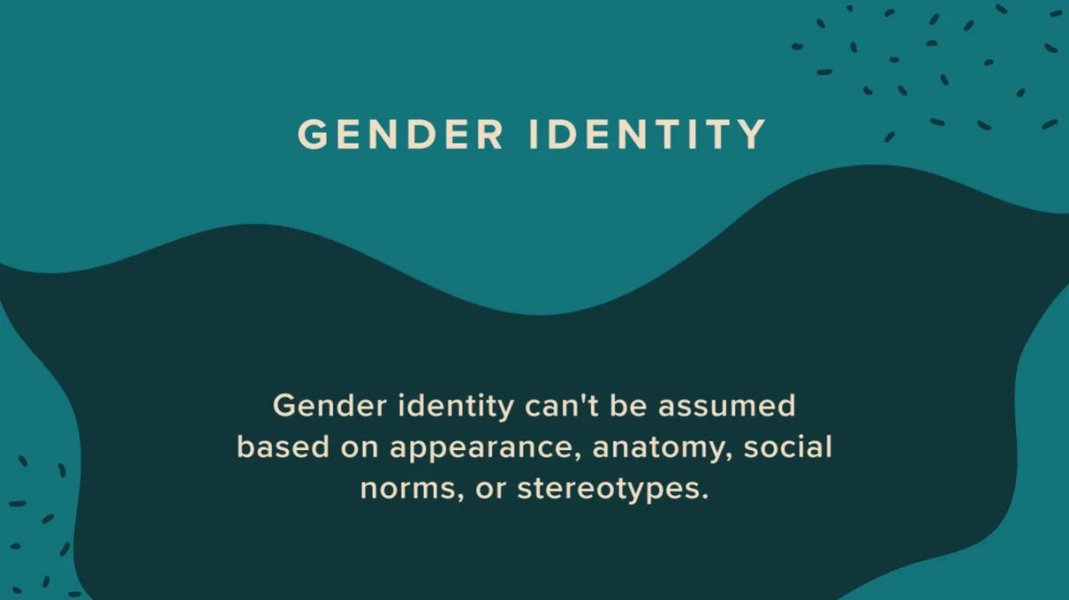
The gender spectrum encompasses many identities beyond the traditional binary, each representing authentic ways people experience their gender.
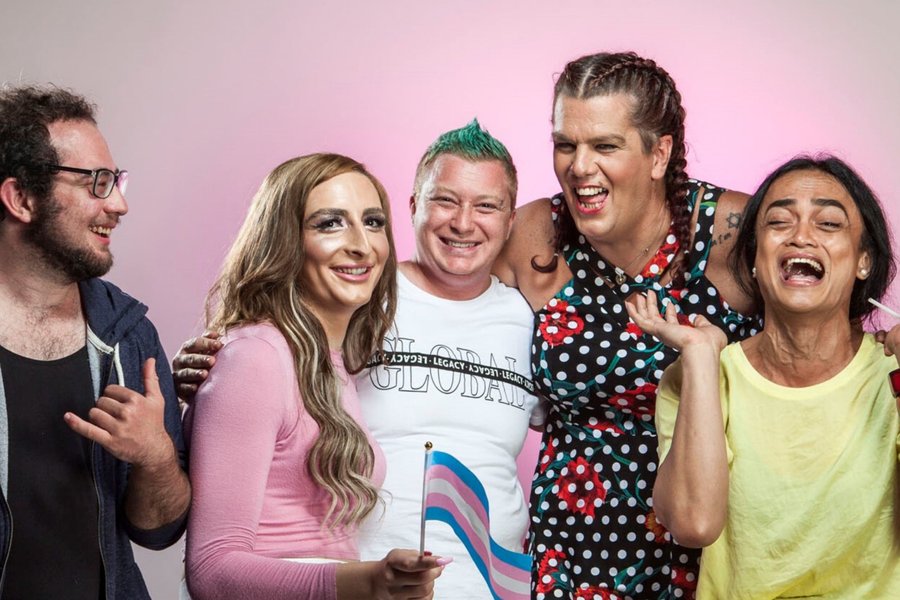
Trans and gender-diverse communities represent a vital part of gender diversity, with unique experiences and perspectives.
These images reflect the reality that gender expression varies widely among individuals and can take many forms. Gender diversity is not just a modern concept but has existed throughout human history across numerous cultures.
Gender Identity in Education and Understanding
This video provides a comprehensive overview of various gender identities, explaining key terminology and concepts related to gender identity and expression. It serves as an excellent educational resource for understanding the diversity of gender experiences. The video breaks down different gender identity terms, helping viewers build foundational knowledge about gender diversity beyond binary classifications.
Frequently Asked Questions
Is gender the same as biological sex?
No, gender and biological sex are distinct concepts. Biological sex refers to physical characteristics like chromosomes, hormones, and reproductive anatomy, typically categorized as male, female, or intersex. Gender, on the other hand, refers to one's internal sense of identity and social roles, which may or may not align with their biological sex. Gender is influenced by social, cultural, and personal factors and exists across a spectrum of expressions and identities.
How do we know there are more than two genders?
Evidence for gender diversity comes from multiple sources: historical records document third genders across cultures throughout history; anthropological research shows many societies recognize multiple genders; psychological studies confirm that gender identity exists on a spectrum; and personal testimonies from individuals whose gender experiences don't fit the binary model provide direct evidence. Additionally, neurological research suggests biological factors influencing gender identity are complex and extend beyond simple binary categories.
How do different cultures view gender?
Gender constructs vary significantly across cultures. Many Indigenous North American cultures recognize Two-Spirit people who embody both masculine and feminine spirits. In South Asia, Hijra are recognized as a third gender with cultural and historical significance. Samoan culture acknowledges Fa'afafine, individuals assigned male at birth who embody feminine gender expressions. These examples illustrate that gender diversity is not a modern Western concept but has been recognized throughout human history in various cultural contexts worldwide.
Can a person's gender identity change over time?
Yes, some people experience gender fluidity, where their gender identity changes over time or in different contexts. While many people have a stable gender identity throughout their lives, others may experience shifts in how they identify. Genderfluid is a specific term for those whose gender identity varies over time. It's important to note that this fluidity is an authentic experience of gender, not indecisiveness or confusion. Respecting someone's current gender identity is important, regardless of whether it has changed from how they previously identified.
What's the difference between gender identity and gender expression?
Gender identity refers to a person's internal sense of their own gender, which may be male, female, a blend of both, neither, or something else entirely. It's a deeply personal experience of who someone is. Gender expression, in contrast, refers to how a person presents their gender externally through clothing, behavior, hairstyle, voice, body characteristics, and other outward appearances. Someone's gender expression may not always align with their gender identity, and both can exist independently of a person's assigned sex at birth.
References
- Sex and Gender Identity - Planned Parenthood
- 68 Terms That Describe Gender Identity and Expression - Healthline
- Gender identity: Definition, Theories, & Facts - Britannica
- What Do We Mean By Sex and Gender? - Yale Medicine
- What is Gender? What is Sex? - Canadian Institutes of Health Research
- Biological Sex and Gender in the United States - Embryo Project Encyclopedia
- Types of Gender Identity: Types and Definitions - Medical News Today
Recommended Explorations
Last updated April 4, 2025