
Unveiling the Complex Tapestry of Human Sexuality
Exploring the biological, emotional, social, and health dimensions of sex.
Highlights: Key Insights into Human Sexuality
- Multifaceted Nature: Sex encompasses far more than just physical acts; it includes biological drives, psychological experiences, emotional connections, social norms, and even spiritual feelings.
- Health and Well-being: Healthy sexual expression is linked to numerous benefits, including stress reduction, improved cardiovascular health, enhanced self-esteem, and stronger relationships, emphasizing the importance of sexual health as part of overall well-being.
- Importance of Education: Comprehensive, age-appropriate sex education is crucial for informed decision-making regarding consent, contraception, STI prevention, healthy relationships, and understanding diverse sexual identities and orientations.
Defining Sex: Beyond the Physical
What Does "Sex" Truly Mean?
Sex is a fundamental and intricate aspect of human existence, weaving together biology, psychology, emotions, social interactions, and cultural contexts. It's often associated with reproductive functions and physical intimacy, but its scope is much broader. Human sexuality refers to how individuals experience and express themselves sexually. This includes a wide spectrum of feelings, thoughts, attractions, behaviors, identities, and relationships.
While there's no single, universally accepted definition, understanding sexuality involves recognizing its dynamic nature. It shapes personal identity, influences relationships, and is deeply intertwined with overall health and well-being. It's not just about the physical act but encompasses affection, intimacy, pleasure, and connection.
The Interplay of Dimensions
Human sexuality is best understood as a combination of various dimensions:
- Biological: Relating to reproductive systems, hormones, the sexual response cycle, genetics, and physical characteristics.
- Psychological: Involving thoughts, feelings, attractions, desires, self-esteem, body image, and cognitive processes related to sex.
- Emotional: Centered on intimacy, love, affection, vulnerability, connection, and the emotional context of sexual experiences.
- Social/Cultural: Shaped by societal norms, cultural values, laws, media representations, peer influences, and relationship dynamics concerning sex and gender.
- Spiritual: For some, sexuality involves spiritual connection, meaning, and alignment with personal values or religious beliefs.
Visualizing the Dimensions of Sexuality
A Mind Map Exploration
To better grasp the interconnected elements of human sexuality, the following mind map illustrates its core components and related concepts. It highlights how biology, psychology, emotions, social factors, health, and diversity all contribute to the complex picture of sex.
(Excitement, Plateau,
Orgasm, Resolution)"] id1d["Genetics & Anatomy"] id1e["Erogenous Zones"] id2["Psychological Aspects"] id2a["Sexual Desire & Fantasy"] id2b["Attraction & Orientation"] id2c["Body Image & Self-Esteem"] id2d["Cognitive Processes"] id2e["Learning & Experience"] id3["Emotional Aspects"] id3a["Intimacy & Connection"] id3b["Love & Affection"] id3c["Vulnerability & Trust"] id3d["Pleasure & Satisfaction"] id4["Social & Cultural Aspects"] id4a["Societal Norms & Values"] id4b["Cultural Beliefs & Taboos"] id4c["Gender Roles & Identity"] id4d["Relationship Dynamics"] id4e["Media & Education Influence"] id5["Sexual Health & Well-being"] id5a["Definition (WHO)"] id5b["STI Prevention & Testing"] id5c["Contraception"] id5d["Consent & Safety"] id5e["Healthy Relationships"] id5f["Access to Information"] id6["Diversity in Sexuality"] id6a["Sexual Orientations
(Hetero, Homo, Bi, etc.)"] id6b["Gender Identities"] id6c["Range of Behaviors"] id6d["Varied Preferences & Desires"]
The Biological Foundation of Sex
Anatomy, Hormones, and the Response Cycle
Biologically, sex is closely tied to the human reproductive system and the physiological processes driving sexual activity. Hormones play a crucial role from the very beginning, influencing sexual differentiation in the womb and continuing to affect sexual development, desire, and function throughout life. Aspects like sexual orientation are understood to have significant biological underpinnings, potentially influenced by prenatal hormone exposure.
The body undergoes complex changes during sexual arousal and activity, often described by the sexual response cycle:
- Excitement: Initial arousal, increased heart rate, blood flow to genitals. Both male and female erectile tissues engorge; the clitoris, like the penis, swells during this phase.
- Plateau: Arousal intensifies, muscle tension increases, breathing quickens.
- Orgasm: The peak of sexual excitement, characterized by intense pleasure, involuntary muscle contractions, and release of tension. The brain releases oxytocin, often called the "love hormone," fostering bonding.
- Resolution: The body returns to its unaroused state. Men typically experience a refractory period where further orgasm isn't immediately possible, while women may be capable of multiple orgasms.
Interesting Biological Facts:
- The average female orgasm lasts approximately 20 seconds, significantly longer than the average male orgasm, which is around 6 seconds.
- Erogenous zones, areas sensitive to touch, are distributed throughout the body, not just limited to the genitals.
- Prenatal hormonal environment significantly influences many sex characteristics and potentially sexual orientation.
The Psychology and Emotion of Sex
More Than Just Physical: Connection and Well-being
Sex is profoundly intertwined with our psychological and emotional states. It's often a powerful way to express and experience intimacy, affection, and connection within relationships. Engaging in consensual and positive sexual activity can enhance psychological well-being by:
- Reducing Stress: The release of hormones like oxytocin and endorphins during sex can lower stress levels and promote relaxation.
- Boosting Self-Esteem: Positive sexual experiences can contribute to a healthier body image and increased self-worth.
- Strengthening Bonds: Intimacy shared during sex can deepen emotional connections between partners.
However, the emotional context is crucial. Experiences devoid of respect, consent, or emotional safety can have detrimental psychological effects. Understanding the interplay between physical acts and emotional needs is key to fulfilling sexual experiences.

Intimacy and emotional connection are often central to sexual experiences.
Love vs. Sex
While often linked, love and sexual desire are distinct experiences processed differently by the brain. It's possible to experience one without the other. Sex can exist within loving relationships, casual encounters, or as a solitary act (masturbation). Understanding this distinction helps navigate the complexities of relationships and personal feelings.
Social and Cultural Dimensions
How Society Shapes Our Understanding of Sex
Our understanding and expression of sexuality are heavily influenced by the social and cultural environments we live in. Norms, values, laws, religious beliefs, and media portrayals all shape attitudes towards:
- Sexual Orientations: Acceptance and understanding of heterosexuality, homosexuality, bisexuality, asexuality, etc., vary widely across cultures and time periods.
- Gender Identities and Roles: Societal expectations about how different genders should behave sexually impact individual expression.
- Appropriate Behaviors: Cultures dictate norms around premarital sex, types of sexual acts, public displays of affection, and discussions about sex.
Changing social attitudes, particularly in recent decades, have led to greater (though still evolving) acceptance of diverse sexualities and a more open discourse about sex. However, stigma and misinformation persist in many communities.
Diversity in Human Sexuality
A Spectrum of Experiences
Human sexuality is incredibly diverse. There is no single "normal" way to experience or express sexuality. Variations exist in:
- Sexual Orientation: Who individuals are romantically and/or sexually attracted to.
- Gender Identity: An individual's internal sense of being male, female, both, neither, or somewhere else along the gender spectrum.
- Sexual Desire (Libido): Levels of sexual interest vary significantly between individuals and can fluctuate throughout life.
- Sexual Fantasies: Mental imagery and thoughts related to sex are common, though their content varies widely. Some individuals (around 3%) report having no sexual fantasies.
- Sexual Behaviors: People engage in a wide range of activities, including but not limited to intercourse, oral sex, masturbation, and various forms of BDSM, based on personal preference and consent.
Understanding and respecting this diversity is crucial for fostering an inclusive and empathetic society.
Clarifying Key Terms
It's important to distinguish between related but distinct concepts. The following table provides a basic comparison:
| Concept | Description |
|---|---|
| Biological Sex | Assigned at birth based on physical characteristics like chromosomes, hormones, and anatomy (e.g., male, female, intersex). |
| Gender Identity | An individual's internal, deeply held sense of their gender (e.g., man, woman, non-binary, genderfluid). May or may not align with biological sex. |
| Gender Expression | How an individual outwardly presents their gender (e.g., through clothing, mannerisms, name, pronouns). |
| Sexual Orientation | Describes an individual's pattern of emotional, romantic, and/or sexual attraction to others (e.g., heterosexual, homosexual, bisexual, asexual). |
| Sexuality | A broader term encompassing sexual knowledge, beliefs, attitudes, values, behaviors, identities, orientations, and relationships. Includes biological, psychological, social, emotional, and cultural dimensions. |
Comparing Facets of Sexual Experience
Relative Importance Across Contexts
The significance of different aspects of sex—like physical pleasure, emotional connection, or social acceptance—can vary depending on the individual and the context. This chart offers a conceptual comparison, illustrating how the perceived importance of these facets might shift between different life stages or relationship types. Note that this is an illustrative representation based on general observations, not empirical data, and individual experiences will differ greatly.
This visualization suggests, for example, that emotional connection and relationship building might be perceived as more central in long-term relationships compared to casual ones, while biological drive might be felt more strongly during adolescence. Again, individual experiences can vary widely.
Sexual Health: A Vital Component of Overall Well-being
Defining and Prioritizing Sexual Health
The World Health Organization (WHO) defines sexual health as "a state of physical, emotional, mental and social well-being in relation to sexuality; it is not merely the absence of disease, dysfunction or infirmity." This comprehensive definition highlights that sexual health is integral to overall health.
Key aspects of sexual health include:
- Safety and Consent: Ensuring all sexual activity is consensual, respectful, and free from coercion or violence.
- STI Prevention: Understanding risks and using protective measures (like condoms) consistently and correctly. Regular testing is also important, as many STIs can be asymptomatic.
- Contraception: Access to and knowledge about various methods to prevent unintended pregnancies.
- Healthy Relationships: The ability to communicate effectively with partners about needs, desires, and boundaries.
- Access to Information and Care: Having reliable information about sexuality and access to reproductive and sexual health services.
Good sexual health allows individuals to experience sexuality positively and safely throughout their lives.
Debunking Common Myths:
- Myth: Oral sex is completely safe. Fact: STIs can be transmitted through oral sex; barrier methods like dental dams or condoms should be used.
- Myth: You can tell if someone has an STI just by looking at them. Fact: Many STIs have no visible symptoms. Testing is the only way to know for sure.
- Myth: Only certain "types" of people get STIs. Fact: Anyone who is sexually active can potentially contract an STI.
The Critical Role of Sex Education
Empowering Individuals with Knowledge
Comprehensive, evidence-based sex education is vital for promoting sexual health and well-being. It equips individuals, particularly young people, with the knowledge and skills needed to make informed and responsible decisions about their bodies, relationships, and sexual activity.
Effective sex education programs typically cover:
- Human development (puberty, anatomy, reproduction)
- Relationships (communication, boundaries, respect)
- Personal skills (decision-making, negotiation, assertiveness)
- Sexual behavior (abstinence, contraception, safer sex practices)
- Sexual health (STIs, pregnancy prevention, access to care)
- Society and culture (gender roles, diversity, media influences)
- Consent
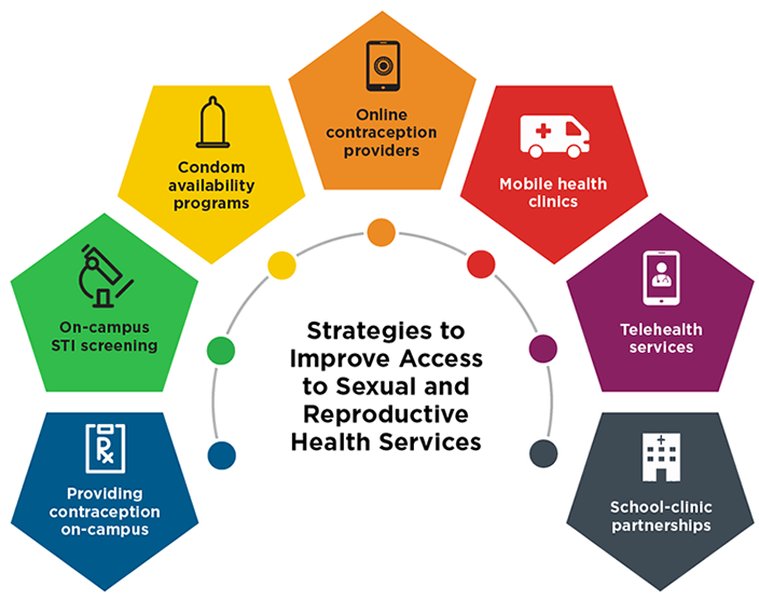
Comprehensive sex education involves multiple strategies and covers diverse topics.
Resources for Learning
Numerous organizations provide valuable resources for parents, educators, and individuals seeking information about sex and sexuality. Examples include Planned Parenthood, Advocates for Youth, AMAZE.org (offering videos for young adolescents), and Sex Positive Families. These resources often provide age-appropriate, medically accurate information through various formats like websites, videos, lesson plans, and guides for discussion.
Open communication, particularly between parents and children, is encouraged to build trust and provide accurate information from a young age.
Focus on Homeschooling Resources
Finding appropriate sex education resources can sometimes be challenging within different educational contexts, including homeschooling. The following video discusses resources specifically tailored for homeschool environments, addressing a common need for accessible and suitable materials.
This video explores sex education resources suitable for homeschooling families.
Frequently Asked Questions (FAQ)
What is the difference between sex and sexuality?
"Sex" often refers to biological characteristics (male, female, intersex) or the physical act of sex. "Sexuality" is a broader term encompassing our sexual feelings, thoughts, attractions, behaviors, identities, orientations, and the biological, psychological, social, emotional, and cultural factors that shape these experiences.
What are the health benefits associated with sex?
Consensual sexual activity can offer several health benefits, including stress reduction (due to hormone release like oxytocin), potential improvements in cardiovascular health, enhanced mood, better sleep, strengthened immune function (in moderation), and increased intimacy and bonding in relationships. These benefits are linked to positive, safe, and consensual experiences.
Why is comprehensive sex education considered important?
Comprehensive sex education provides scientifically accurate information about human sexuality, including anatomy, reproduction, STIs, contraception, consent, healthy relationships, and diversity. It empowers individuals to make informed decisions, practice safer sex, prevent unintended pregnancies and STIs, develop communication skills, understand consent, and respect diverse identities, contributing to overall health and well-being.
What is consent in a sexual context?
Consent means willingly and enthusiastically agreeing to participate in sexual activity. It must be freely given, informed, specific, and can be withdrawn at any time. Consent cannot be assumed based on past behavior, relationship status, clothing, or silence. It requires clear communication and mutual respect for boundaries.
Is sexual orientation determined by biology?
Scientific consensus suggests that sexual orientation is influenced by a complex interplay of biological factors (including genetics and prenatal hormones), psychological factors, and environmental influences. While the exact mechanisms are still being researched, biology is understood to play a significant role.
Recommended Reading
- Explore the differences between sexual orientation and gender identity.
- Learn about the importance of consent in all relationships.
- Discover resources for talking to children about puberty and sexuality.
- Understand the connection between sexual health and overall mental well-being.
References
Last updated May 4, 2025