
Unlocking the Mystery of Insulin Resistance: A Deep Dive into How Your Body Responds to Sugar
Exploring the intricate mechanisms, widespread impacts, and current strategies for managing this prevalent metabolic condition.
Insulin resistance is a complex metabolic condition where the body's cells—primarily in the muscles, liver, and fat tissue—do not respond effectively to insulin, a crucial hormone produced by the pancreas. Insulin's main role is to help glucose (sugar) from your bloodstream enter your cells to be used for energy. When cells become resistant, glucose struggles to enter, leading to elevated blood sugar levels. This prompts the pancreas to work overtime, producing even more insulin to try and manage the glucose. This state, known as hyperinsulinemia, is a hallmark of insulin resistance and can, over time, lead to a cascade of health problems.
Key Highlights of Insulin Resistance
- Widespread Impact: Insulin resistance is not just a precursor to type 2 diabetes; it's a pivotal pathogenic component in a spectrum of metabolic diseases, including metabolic syndrome, nonalcoholic fatty liver disease (NAFLD), and cardiovascular conditions.
- Lifestyle is Key: While genetic predisposition plays a role, lifestyle factors such as excess body fat (particularly visceral fat), physical inactivity, and dietary habits are major drivers of insulin resistance.
- Early Detection and Management are Crucial: Often asymptomatic in its early stages, insulin resistance can develop silently for years. Lifestyle modifications, including diet, exercise, and weight management, are the cornerstones of prevention and treatment.
The Intricate Web: Pathophysiology of Insulin Resistance
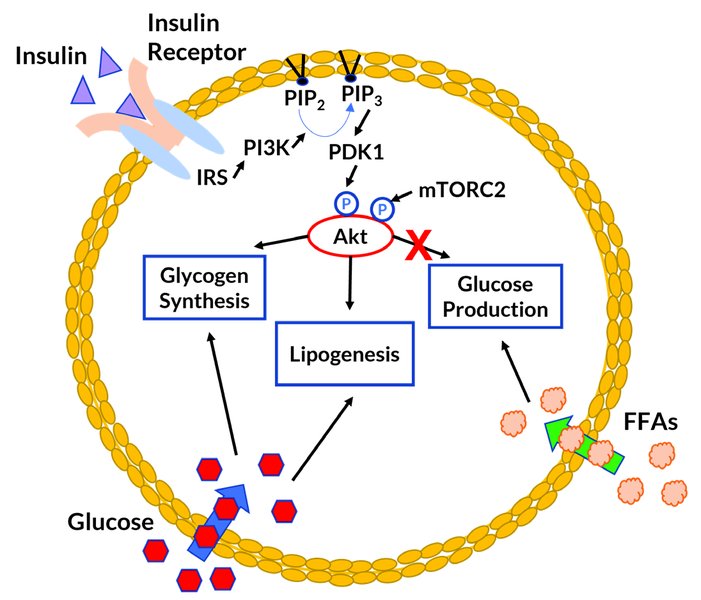
The development of insulin resistance is a multifactorial process involving disruptions in the normal insulin signaling pathways. Normally, when insulin binds to its receptors on cell surfaces, it initiates a series of intracellular events that facilitate glucose uptake and utilization. However, in insulin-resistant states, this sophisticated system becomes impaired.
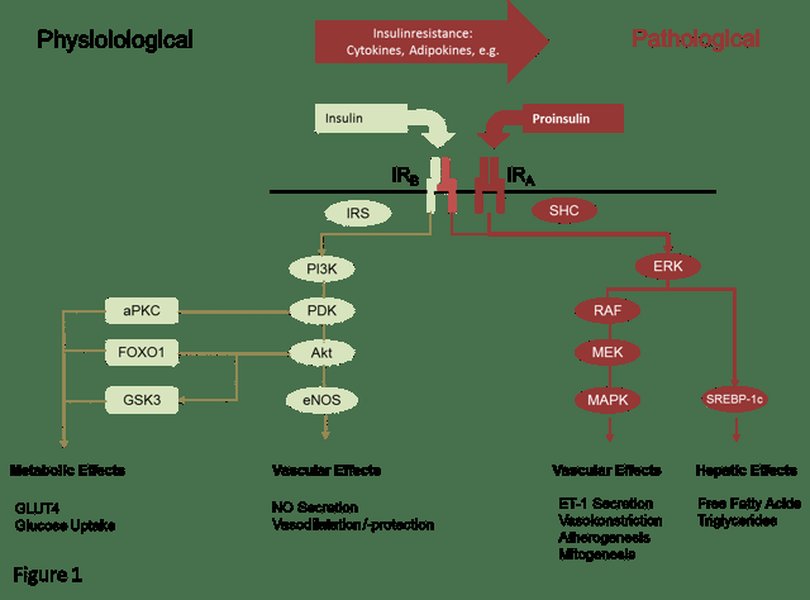
Intracellular insulin signaling pathways in various tissues.
Cellular Mechanisms at Play
Impaired Glucose Uptake
In muscle and fat cells, insulin resistance leads to a reduced translocation of glucose transporter type 4 (GLUT4) to the cell membrane. GLUT4 is essential for ushering glucose into these cells. With fewer transporters at the surface, glucose uptake is significantly diminished.
Increased Hepatic Glucose Production
The liver plays a vital role in maintaining blood glucose homeostasis. Insulin normally suppresses hepatic glucose production (gluconeogenesis) and glycogen breakdown (glycogenolysis). In insulin-resistant individuals, the liver becomes less responsive to insulin's inhibitory signals, leading to an overproduction of glucose, even when blood sugar levels are already high.
Ectopic Lipid Accumulation
One of the key contributors to insulin resistance is the accumulation of lipids (fats) in non-adipose tissues like the liver (NAFLD) and skeletal muscle. These "ectopic" fats interfere with insulin signaling pathways, contributing to cellular dysfunction.
Chronic Inflammation and Oxidative Stress
Excess adipose tissue, particularly visceral fat, is metabolically active and releases pro-inflammatory cytokines. This chronic low-grade inflammation can disrupt insulin signaling. Similarly, oxidative stress, an imbalance between free radicals and antioxidants, can damage cellular components and impair insulin action.
Endoplasmic Reticulum (ER) Stress
The ER is involved in protein synthesis and folding. Metabolic stress, such as that caused by nutrient excess, can lead to ER stress, which has been linked to the development of insulin resistance.
Pancreatic Beta-Cell Response
Initially, the pancreas compensates for insulin resistance by increasing insulin secretion (hyperinsulinemia) to maintain normal blood glucose levels. However, over time, the pancreatic beta-cells can become exhausted and fail to produce enough insulin to overcome the resistance. This beta-cell dysfunction marks the transition towards prediabetes and eventually type 2 diabetes.
Unraveling the Causes and Risk Factors
The development of insulin resistance is influenced by a complex interplay of genetic, metabolic, and lifestyle factors. Understanding these can help in identifying individuals at risk and implementing preventive measures.
Radar chart illustrating the relative impact of various risk factors on the development of insulin resistance. The scale represents the potential contribution, with higher values indicating a stronger influence.
Primary Contributors
- Excess Body Fat/Obesity: This is widely considered a primary cause. Increased body fat, especially visceral fat (around the organs), releases inflammatory substances and free fatty acids that interfere with insulin signaling. Overeating and subsequent weight gain are strongly correlated with insulin resistance.
- Physical Inactivity: A sedentary lifestyle reduces the muscles' ability to utilize glucose effectively, thereby decreasing insulin sensitivity. Regular physical activity, conversely, enhances it.
- Genetic Predisposition: Family history and specific genes can make individuals more susceptible to developing insulin resistance. Certain ethnic backgrounds, including individuals of African, Hispanic/Latino, Asian American, and Indigenous descent, are at a higher risk.
Other Influencing Factors
- Age: The likelihood of developing insulin resistance increases with age, particularly after 45.
- Hormonal Disorders: Conditions such as Polycystic Ovary Syndrome (PCOS), Cushing’s syndrome, acromegaly, and hypothyroidism are associated with insulin resistance. Most individuals with PCOS exhibit insulin resistance.
- Medications: Certain drugs, including steroids, some HIV treatments, specific blood pressure medications, and antipsychotics, can induce or worsen insulin resistance.
- Gut Microbiota Imbalance: Emerging research suggests that disruptions in the gut bacterial environment can trigger inflammation and contribute to metabolic problems, including insulin resistance.
- Chronic Stress and Sleep Deprivation: These can affect hormone levels and metabolic processes, potentially contributing to insulin resistance.
- High Levels of Free Fatty Acids: Often resulting from excessive calorie intake and increased body fat, elevated free fatty acids in the blood can cause cells to become less responsive to insulin.
Visualizing Insulin Resistance: Key Concepts
To better understand the multifaceted nature of insulin resistance, a mindmap can illustrate the interconnectedness of its core components, from underlying causes to potential long-term health consequences.
Cells (muscle, liver, fat)
fail to respond to insulin effectively"] id2["Pathophysiology"] id2a["Impaired glucose uptake (muscle, fat)"] id2b["Increased hepatic glucose production"] id2c["Hyperinsulinemia (pancreatic compensation)"] id2d["Beta-cell dysfunction (eventual)"] id2e["Ectopic lipid accumulation"] id2f["Chronic inflammation & oxidative stress"] id2g["ER Stress"] id3["Causes & Risk Factors"] id3a["Primary Drivers"] id3a1["Excess body fat / Obesity (esp. visceral)"] id3a2["Physical inactivity"] id3a3["Genetic predisposition / Ethnicity"] id3b["Other Contributors"] id3b1["Age (>45)"] id3b2["Hormonal disorders (PCOS, Cushing's)"] id3b3["Certain medications (steroids, antipsychotics)"] id3b4["Gut microbiota imbalance"] id3b5["High free fatty acid levels"] id3b6["Chronic stress / Poor sleep"] id4["Symptoms"] id4a["Often asymptomatic initially"] id4b["Skin tags"] id4c["Acanthosis nigricans (dark skin patches)"] id4d["Weight gain (especially abdominal)"] id4e["Symptoms of hyperglycemia (if advanced):
- Increased thirst & urination
- Fatigue
- Blurred vision"] id5["Diagnosis"] id5a["No single routine clinical test"] id5b["Blood tests for glucose & insulin levels"] id5c["Surrogate markers:
- HOMA-IR
- QUICKI
- Fasting glucose/insulin
- Triglyceride/HDL ratio"] id5d["Hyperinsulinemic-euglycemic clamp (gold standard - research)"] id5e["Assessment of metabolic syndrome criteria"] id6["Complications"] id6a["Prediabetes"] id6b["Type 2 Diabetes Mellitus (T2DM)"] id6c["Metabolic Syndrome"] id6d["Nonalcoholic Fatty Liver Disease (NAFLD)"] id6e["Cardiovascular Disease (heart disease, stroke)"] id6f["Polycystic Ovary Syndrome (PCOS)"] id6g["Certain Cancers"] id6h["Neurodegenerative diseases (e.g., Alzheimer's, Parkinson's)"] id6i["Major Depressive Disorder"] id7["Management & Prevention"] id7a["Lifestyle Modifications (Cornerstone)"] id7a1["Healthy Diet (low glycemic, high fiber, portion control)"] id7a2["Regular Physical Activity (aerobic & resistance)"] id7a3["Weight Management (even modest loss is beneficial)"] id7b["Medications"] id7b1["Metformin (improves insulin sensitivity)"] id7b2["GLP-1 receptor agonists (for T2DM, aid weight loss)"] id7b3["Medications for associated conditions (hypertension, dyslipidemia)"] id7c["Addressing Underlying Conditions (e.g., PCOS)"] id7d["Ongoing Research (gut microbiota modulation, anti-inflammatory agents)"]
A mindmap summarizing the key aspects of insulin resistance, including its definition, underlying mechanisms, causes, symptoms, diagnostic approaches, potential complications, and management strategies.
Recognizing the Signs: Symptoms of Insulin Resistance
In its early stages, insulin resistance often develops without any noticeable symptoms. This is because the pancreas can compensate by producing more insulin to keep blood sugar levels within a normal range. However, as the condition progresses and the pancreas struggles to keep up, or if hyperinsulinemia persists, certain signs may emerge:
- Skin Tags: Small, benign skin growths, often found in skin folds like the neck, armpits, or groin.
- Acanthosis Nigricans: Darkened, velvety patches of skin, typically appearing on the neck, armpits, groin, or under the breasts. This is a common indicator of high insulin levels.
- Weight Gain: Particularly an increase in abdominal fat (visceral fat).
- Symptoms of High Blood Sugar (Hyperglycemia): If insulin resistance progresses to prediabetes or type 2 diabetes, individuals may experience:
- Increased thirst (polydipsia)
- Frequent urination (polyuria)
- Increased hunger (polyphagia)
- Blurred vision
- Fatigue
- Slow-healing sores or infections
It's important to note that these symptoms can also be associated with other conditions, so a proper medical evaluation is necessary for diagnosis.
Diagnosing Insulin Resistance
While there isn't a single, routine test specifically for insulin resistance used in everyday clinical practice, healthcare providers can infer its presence through various assessments and tests, especially when evaluating risk factors for type 2 diabetes or metabolic syndrome.

Blood tests play a crucial role in assessing glucose and insulin levels to help diagnose insulin resistance.
Common Diagnostic Approaches
- Medical History and Physical Examination: Reviewing risk factors (family history, obesity, lifestyle) and looking for physical signs like acanthosis nigricans.
- Blood Glucose Tests:
- Fasting Plasma Glucose (FPG): Measures blood glucose after an overnight fast.
- Oral Glucose Tolerance Test (OGTT): Measures blood glucose before and 2 hours after drinking a sugary liquid. This is often used to diagnose prediabetes and diabetes.
- Hemoglobin A1c (A1c) Test: Reflects average blood glucose levels over the past 2-3 months.
- Lipid Profile: Checking levels of triglycerides and HDL ("good") cholesterol. High triglycerides and low HDL cholesterol are often seen with insulin resistance.
- Fasting Insulin Levels: Elevated fasting insulin levels can indicate hyperinsulinemia, a sign of the pancreas working harder to overcome resistance.
- Surrogate Markers (often used in research):
- Homeostatic Model Assessment for Insulin Resistance (HOMA-IR): Calculated using fasting glucose and fasting insulin levels. A higher HOMA-IR score suggests greater insulin resistance.
- Quantitative Insulin Sensitivity Check Index (QUICKI): Another calculation based on fasting glucose and insulin.
- Triglyceride/HDL Ratio: A simple ratio that can be an indicator of insulin resistance.
- Hyperinsulinemic-Euglycemic Clamp: Considered the "gold standard" for measuring insulin sensitivity directly. This complex and invasive procedure involves infusing insulin and glucose intravenously and is primarily used in research settings rather than routine clinical practice.
Long-Term Consequences: Complications of Untreated Insulin Resistance
If insulin resistance is not managed, it can pave the way for a host of serious health problems. The persistent elevation of blood glucose and insulin levels places significant strain on various organ systems.
| Complication Category | Specific Conditions | Brief Description |
|---|---|---|
| Metabolic Disorders | Prediabetes & Type 2 Diabetes (T2DM) | Progressive loss of blood sugar control as pancreatic beta-cells fail to compensate for resistance. |
| Metabolic Syndrome | A cluster of conditions (high blood pressure, high blood sugar, excess abdominal fat, abnormal cholesterol/triglyceride levels) that increase heart disease, stroke, and diabetes risk. | |
| Liver Disease | Nonalcoholic Fatty Liver Disease (NAFLD) & Nonalcoholic Steatohepatitis (NASH) | Accumulation of fat in the liver, potentially leading to inflammation, scarring (cirrhosis), and liver failure. |
| Cardiovascular Disease | Atherosclerosis, Hypertension, Heart Attack, Stroke | Insulin resistance contributes to endothelial dysfunction, inflammation, and abnormal lipid profiles, promoting plaque buildup in arteries and increasing blood pressure. |
| Endocrine/Reproductive Issues | Polycystic Ovary Syndrome (PCOS) | A hormonal disorder common among women of reproductive age, often characterized by insulin resistance, irregular periods, and ovarian cysts. |
| Oncologic Risks | Certain Cancers (e.g., colorectal, breast, pancreatic) | Hyperinsulinemia may promote cell growth and proliferation (mitogenic effects), potentially contributing to carcinogenesis. |
| Neurological Conditions | Cognitive Decline, Alzheimer's Disease, Parkinson's Disease | Emerging evidence links impaired insulin signaling in the brain to an increased risk of neurodegenerative diseases. |
| Mental Health | Major Depressive Disorder | Some studies suggest a bidirectional relationship between insulin resistance and depression. |
Summary of potential long-term complications associated with unmanaged insulin resistance across various health domains.
Strategies for Management and Prevention
The good news is that insulin resistance is often preventable and manageable, primarily through lifestyle modifications. Early intervention can significantly improve insulin sensitivity and reduce the risk of progressing to more severe conditions.
This video from Mayo Clinic provides a clear explanation of what insulin resistance is, who is at risk, common symptoms, and diagnostic approaches, offering a foundational understanding of the condition.
Lifestyle Interventions: The Cornerstone of Treatment
- Healthy Diet: Nutritional intervention is crucial. Focus on:
- Whole, unprocessed foods: Emphasize non-starchy vegetables, fruits, whole grains, lean proteins, and healthy fats.
- Portion control and calorie reduction: If overweight, reducing overall calorie intake helps with weight loss.
- Limiting refined carbohydrates and added sugars: These can cause rapid spikes in blood sugar and insulin.
- Increasing fiber intake: Fiber helps slow down sugar absorption and improves satiety.
- Regular Physical Activity: Exercise increases insulin sensitivity in muscles, helping them take up glucose more effectively. Aim for a combination of:
- Aerobic exercise: At least 150 minutes of moderate-intensity (e.g., brisk walking, cycling) or 75 minutes of vigorous-intensity activity per week.
- Resistance training: Muscle-strengthening activities at least two days per week.
- Weight Management: Losing even a modest amount of weight (5-7% of starting body weight) can significantly improve insulin sensitivity and reduce the risk of diabetes.
- Adequate Sleep: Poor sleep can negatively impact insulin sensitivity. Aim for 7-9 hours of quality sleep per night.
- Stress Management: Chronic stress can contribute to hormonal imbalances that affect insulin action. Techniques like mindfulness, yoga, or meditation may be beneficial.
Pharmacological Approaches
When lifestyle changes are insufficient, or if type 2 diabetes has developed, medications may be prescribed:
-
Metformin: Often the first-line medication for type 2 diabetes, metformin works by reducing glucose production by the liver and improving insulin sensitivity in peripheral tissues.
-
Glucagon-like peptide-1 (GLP-1) receptor agonists: These medications help lower blood sugar, promote weight loss, and may have cardiovascular benefits.
-
Other antidiabetic medications: Depending on individual needs, other classes of drugs may be used.
-
Medications for associated conditions: Treatment for high blood pressure, high cholesterol, or other components of metabolic syndrome.
Addressing Underlying Conditions
Treating conditions that contribute to insulin resistance, such as PCOS or hormonal imbalances, is also an important part of management.
Ongoing Research and Future Directions
Research continues to explore novel therapeutic strategies, including targeting specific molecular pathways, modulating the gut microbiota, and developing anti-inflammatory agents to restore insulin sensitivity and improve metabolic outcomes.
An overview of factors influencing insulin resistance and its progression.
Frequently Asked Questions (FAQ)
What is the difference between insulin resistance and diabetes?
Can insulin resistance be reversed?
Are there any specific foods to eat or avoid for insulin resistance?
How common is insulin resistance?
If I have insulin resistance, will I definitely get type 2 diabetes?
Conclusion: A Call for Awareness and Action
As of May 21, 2025, our understanding of insulin resistance highlights it as a critical metabolic state driven by a confluence of genetic, lifestyle, and environmental factors. It's not merely a stepping stone to type 2 diabetes but a central player in a wider array of chronic health conditions. The insidious nature of its often asymptomatic onset underscores the importance of awareness, early risk assessment, and proactive management. Lifestyle modifications remain the most potent tools in preventing and combating insulin resistance, empowering individuals to take control of their metabolic health and reduce the burden of associated diseases.
Recommended Further Exploration
References
Last updated May 21, 2025