
Understanding Internet Platforms
Comprehensive Insights into the Digital Infrastructure Shaping Our World
Key Takeaways
- Diverse Types: Internet platforms encompass a wide range of categories, including social media, e-commerce, cloud computing, and more, each serving unique purposes and user bases.
- Economic and Social Impact: These platforms drive significant economic growth, enable global connectivity, and transform how individuals and businesses interact.
- Challenges and Future Trends: Issues such as privacy, regulation, and digital divide are critical, while trends like decentralization and AI integration are shaping the future of internet platforms.
Introduction to Internet Platforms
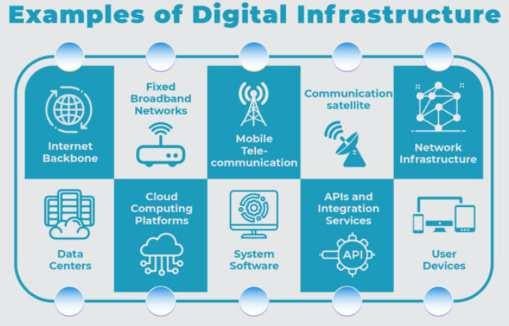
Internet platforms are the foundational digital infrastructures that facilitate a wide array of online interactions, services, and applications. They serve as intermediaries connecting various user groups, such as consumers and producers, enabling communication, data exchange, and transactions across global networks. These platforms are integral to modern society, underpinning activities ranging from social networking and online shopping to cloud computing and content streaming.
Types of Internet Platforms
1. Social Media Platforms
Social media platforms like Facebook, Twitter, Instagram, and LinkedIn are designed to facilitate communication, content sharing, and community building among users. They provide tools for individuals and organizations to create profiles, share updates, and engage with a global audience.
2. E-Commerce Platforms
E-commerce platforms such as Amazon, eBay, and Shopify enable the buying and selling of goods and services online. These platforms provide comprehensive tools for managing product listings, processing payments, handling logistics, and ensuring customer satisfaction.
3. Cloud Computing Platforms
Cloud computing platforms like Amazon Web Services (AWS), Microsoft Azure, and Google Cloud offer on-demand computing resources, storage, and services over the internet. They support a wide range of applications, from web hosting and data storage to machine learning and big data analytics.
4. Content Delivery Platforms
Content delivery platforms, including YouTube, Netflix, and Spotify, specialize in streaming and distributing multimedia content to users. These platforms utilize sophisticated content delivery networks (CDNs) to ensure efficient and high-quality streaming experiences.
5. Industrial Internet Platforms
Industrial internet platforms such as Siemens MindSphere and GE Predix are tailored for industrial automation, data sharing, and Internet of Things (IoT) applications. They support processes in manufacturing, healthcare, energy, and other industrial sectors by enabling real-time data analysis and operational efficiency.
6. Communication Platforms
Communication platforms like Zoom, Slack, and WhatsApp facilitate real-time communication and collaboration among users. They provide features for video conferencing, instant messaging, file sharing, and project management, catering to both personal and professional needs.
7. Search Engines
Search engines such as Google, Bing, and DuckDuckGo index and retrieve information from the web. They are essential tools for accessing information quickly and efficiently, utilizing complex algorithms to rank and present relevant search results.
Core Features of Internet Platforms
User Accounts and Profiles
Most internet platforms require users to create accounts and profiles, facilitating personalized experiences and enabling targeted interactions. User profiles often include personal information, preferences, and activity history.
Content Creation and Sharing
Platforms provide tools for users to create, upload, and share content. This can range from text posts and images on social media to products on e-commerce sites and multimedia on content delivery platforms.
Search and Discovery Functions
Efficient search and discovery mechanisms allow users to find content, products, or services quickly. Advanced algorithms analyze user behavior and preferences to deliver personalized recommendations and relevant results.
Communication Tools
Integrated communication tools such as messaging systems, comment sections, and forums enable users to interact, collaborate, and engage with each other and with content creators.
Data Storage and Management
Internet platforms rely on robust data storage and management systems to handle vast amounts of user-generated data. This ensures reliable access, data integrity, and the scalability necessary to support large user bases.
Security and Privacy Controls
Security measures and privacy controls are critical for protecting user data and maintaining trust. Platforms implement encryption, access controls, and compliance with data protection regulations to safeguard information.
Business Models of Internet Platforms
Advertising-Based Revenue
Many platforms generate revenue through advertising, displaying targeted ads based on user data and behavior. This model is prevalent in social media, search engines, and content delivery platforms.
Subscription Services
Subscription-based models offer premium services or content in exchange for recurring payments. Examples include streaming services like Netflix and cloud storage solutions.
Transaction Fees
Platforms that facilitate transactions, such as e-commerce sites and online marketplaces, often charge fees for each sale or transaction processed through their systems.
Freemium Models
The freemium model provides basic services for free while offering advanced features or content at a premium. This approach is common in software platforms and mobile applications.
Data Monetization
Platforms may monetize user data by analyzing and selling insights to third parties or using it to enhance their own services. This model is particularly prevalent in advertising and analytics sectors.
Significance of Internet Platforms
Economic Growth
Internet platforms are significant drivers of economic growth, fostering innovation, creating new business models, and generating employment opportunities. They enable the gig economy, subscription services, and other modern economic structures.
Global Connectivity
Platforms bridge geographical divides, allowing individuals and organizations to connect and collaborate worldwide. This global reach enhances cultural exchange, business expansion, and international cooperation.
Access to Information
They democratize access to information, education, and resources, making knowledge more widely available. Educational platforms and search engines play pivotal roles in this aspect.
Efficiency and Automation
By streamlining processes and leveraging data analytics, platforms improve operational efficiency and productivity. Automation tools and AI integration further enhance these capabilities.
User Empowerment
Platforms empower users to create, share, and monetize content, fostering creativity and entrepreneurship. This empowerment has led to the rise of influencers, small businesses, and independent creators.
Challenges and Considerations
Privacy and Security
Protecting user data and preventing cyber threats are paramount. Platforms must implement robust security measures and comply with data protection regulations to safeguard information and maintain user trust.
Regulation and Governance
Balancing innovation with ethical and legal frameworks is essential. Regulators are increasingly scrutinizing platform practices to prevent misuse, ensure fair competition, and protect user rights.
Digital Divide
Disparities in access to internet platforms can exacerbate social and economic inequalities. Efforts to expand internet access and digital literacy are crucial to bridging this divide.
Content Moderation
Platforms face the challenge of managing misinformation, hate speech, and harmful content while respecting freedom of expression. Effective content moderation strategies are necessary to maintain safe and respectful online environments.
Future Trends in Internet Platforms
Decentralization
The rise of blockchain and decentralized technologies is enabling peer-to-peer platforms that reduce reliance on centralized intermediaries. Decentralized platforms offer greater transparency, security, and user control.
Artificial Intelligence and Machine Learning
Advanced AI and machine learning algorithms are enhancing personalization, automation, and decision-making on platforms. These technologies enable more intelligent content recommendations, customer service bots, and predictive analytics.
Sustainability
Platforms are increasingly adopting eco-friendly practices to reduce their environmental impact. This includes optimizing data centers for energy efficiency, promoting sustainable business models, and supporting environmental initiatives.
Interoperability
Efforts to improve compatibility and integration between different platforms and ecosystems are underway. Enhanced interoperability facilitates seamless user experiences and enables more comprehensive service offerings.
Technical Infrastructure of Internet Platforms
Scalable Architecture
To handle large volumes of data and user interactions, internet platforms are built on scalable architectures. This ensures that platforms can grow and adapt to increasing demand without compromising performance.
API Integration Capabilities
Application Programming Interfaces (APIs) allow third-party developers to build and integrate additional functionalities into platforms. APIs enable interoperability and expand the platform's capabilities by facilitating seamless data exchange.
Data Analytics
Data analytics tools are integral to internet platforms, providing insights into user behavior, preferences, and trends. These insights drive decision-making, enhance user experiences, and inform business strategies.
Content Delivery Networks (CDNs)
CDNs are employed to distribute content efficiently across the globe, reducing latency and improving load times. They ensure that users receive content swiftly and reliably, regardless of their location.
Security Protocols
Implementing robust security protocols is essential for protecting data and maintaining platform integrity. Encryption, authentication mechanisms, and regular security audits are fundamental components of platform security.
Economic and Social Impact
Job Creation and Innovation
Internet platforms spur innovation by providing tools and frameworks for developing new applications and services. They also create diverse job opportunities, from platform development and maintenance to marketing and customer support.
Transformation of Traditional Industries
Traditional industries such as retail, media, transportation, and healthcare are being transformed by internet platforms. E-commerce platforms revolutionize retail, while platforms like Uber and Airbnb disrupt transportation and hospitality sectors.
Empowerment of Individuals and SMEs
Individuals and small to medium-sized enterprises (SMEs) benefit from platforms by accessing broader markets, leveraging advanced tools, and scaling their operations without significant upfront investments.
Case Studies
Amazon: E-Commerce Giant
Amazon exemplifies an e-commerce platform that has revolutionized online shopping. It offers a vast selection of products, efficient logistics, and customer-centric services. Amazon's platform model supports third-party sellers, creating a vast marketplace that benefits consumers and businesses alike.
Facebook: Social Networking Powerhouse
Facebook has become a central social media platform, enabling billions of users to connect, share content, and engage in online communities. Its sophisticated advertising system leverages user data to deliver targeted ads, generating substantial revenue and influencing global communication patterns.
AWS: Pioneering Cloud Services
Amazon Web Services (AWS) is a leading cloud computing platform that provides scalable and reliable computing resources. AWS supports a multitude of applications, from startups to large enterprises, facilitating innovation and operational efficiency through its extensive suite of services.
Regulatory and Ethical Considerations
Data Privacy Regulations
With increasing concerns over data privacy, platforms must navigate complex regulatory landscapes, such as the General Data Protection Regulation (GDPR) in Europe. Compliance with these regulations is essential for protecting user data and avoiding legal repercussions.
Antitrust and Market Competition
The dominance of major platforms has raised antitrust concerns, prompting regulatory scrutiny to ensure fair competition. Efforts to prevent monopolistic practices aim to foster a competitive and diverse digital marketplace.
Ethical Content Moderation
Balancing the removal of harmful content with the preservation of free speech is a significant ethical challenge. Platforms must develop fair and transparent content moderation policies to address misinformation, hate speech, and other harmful content.
Emerging Technologies and Their Impact
Blockchain and Decentralization
Blockchain technology is enabling the development of decentralized platforms, which offer greater transparency, security, and user control. These platforms reduce reliance on centralized authorities, fostering peer-to-peer interactions and enhancing data integrity.
Artificial Intelligence and Automation
AI-driven technologies are transforming internet platforms by enabling advanced data analysis, personalized user experiences, and automated processes. Machine learning algorithms enhance recommendation systems, customer service bots, and predictive analytics.
Internet of Things (IoT) Integration
The integration of IoT with internet platforms is expanding the scope of connected devices, enabling smart homes, healthcare monitoring, and industrial automation. IoT platforms facilitate seamless data exchange and control across diverse devices and applications.
Augmented and Virtual Reality
Augmented Reality (AR) and Virtual Reality (VR) technologies are enhancing user experiences on internet platforms by providing immersive and interactive environments. These technologies are being integrated into gaming, education, virtual meetings, and retail applications.
Strategic Considerations for Platform Development
User Experience (UX) Design
Prioritizing user experience is essential for platform success. Intuitive interfaces, responsive design, and seamless navigation enhance user satisfaction and engagement, encouraging repeat usage and loyalty.
Scalability and Performance
Platforms must be designed to scale efficiently to accommodate growing user bases and increasing data volumes. Ensuring high performance, minimal latency, and reliable uptime are critical factors for maintaining user trust and platform reputation.
Monetization Strategies
Developing effective monetization strategies is crucial for the sustainability of internet platforms. Balancing revenue generation with user value ensures that platforms can grow while continuing to meet user needs and expectations.
Security and Compliance
Implementing robust security measures and adhering to regulatory requirements are fundamental for protecting user data and maintaining platform integrity. Continuous monitoring and updating of security protocols are necessary to address emerging threats.
Challenges in Platform Governance
Balancing Freedom of Expression and Content Regulation
Platforms must navigate the delicate balance between allowing free expression and regulating harmful content. Developing fair and transparent policies, along with effective enforcement mechanisms, is essential for maintaining a safe and respectful online environment.
Managing Network Effects
Network effects, where the value of a platform increases with more users, can lead to rapid growth but also challenges in managing scalability, maintaining quality, and preventing monopolistic dominance. Strategies to manage network effects are vital for sustainable platform development.
Ensuring Interoperability and Open Standards
Promoting interoperability and adopting open standards foster collaboration and integration between different platforms and services. This enhances user experience and supports the development of a cohesive digital ecosystem.
References
Conclusion
Internet platforms are indispensable components of the modern digital landscape, facilitating a myriad of interactions and transactions that drive both economic growth and social connectivity. Their diverse types cater to various needs, from social networking and e-commerce to cloud computing and content streaming, each contributing uniquely to the digital ecosystem. As these platforms continue to evolve, addressing challenges such as privacy, regulation, and digital equity becomes increasingly important. Embracing emerging technologies like AI, blockchain, and IoT will further shape the future of internet platforms, enhancing their capabilities and expanding their impact on society.
Last updated January 23, 2025