
Understanding ISRO: Meaning, Objectives, and Functions
Exploring the Pillars of India's Space Success
Key Takeaways
- ISRO's primary mission is to harness space technology for national development and scientific advancement.
- Key functions include satellite development, launch vehicle operations, and space research.
- Successful missions like Chandrayaan and Mangalyaan highlight ISRO's technological prowess and cost-effective strategies.
1. Introduction
The Indian Space Research Organisation (ISRO) is India's premier space agency, dedicated to advancing space technology and exploration. Established in 1969, ISRO has been instrumental in propelling India to the forefront of global space research, contributing significantly to the nation's scientific and economic growth.
2. What is ISRO?
ISRO Meaning and Significance
ISRO Meaning: The Indian Space Research Organisation represents India's national space agency, responsible for space-based operations, exploration, and technology development. Founded on August 15, 1969, by Dr. Vikram Sarabhai, ISRO operates under the Department of Space, directly overseen by the Prime Minister. Headquartered in Bengaluru, Karnataka, ISRO has established itself as a leader in cost-effective and innovative space missions.
Key Characteristics:
- Government-funded space research organization.
- Pioneers of indigenous space technology development.
- Renowned for cost-effective and successful space missions.
- Operates a robust infrastructure supporting various space activities.
3. What does ISRO do? (Functions)
Functions of ISRO
Function of ISRO: ISRO undertakes a wide array of functions aimed at advancing space technology and its applications for national benefit. These functions encompass satellite development, launch vehicle operations, scientific research, and socio-economic applications.
Primary Functions:
- Developing and launching satellites for communication, navigation, weather forecasting, and earth observation.
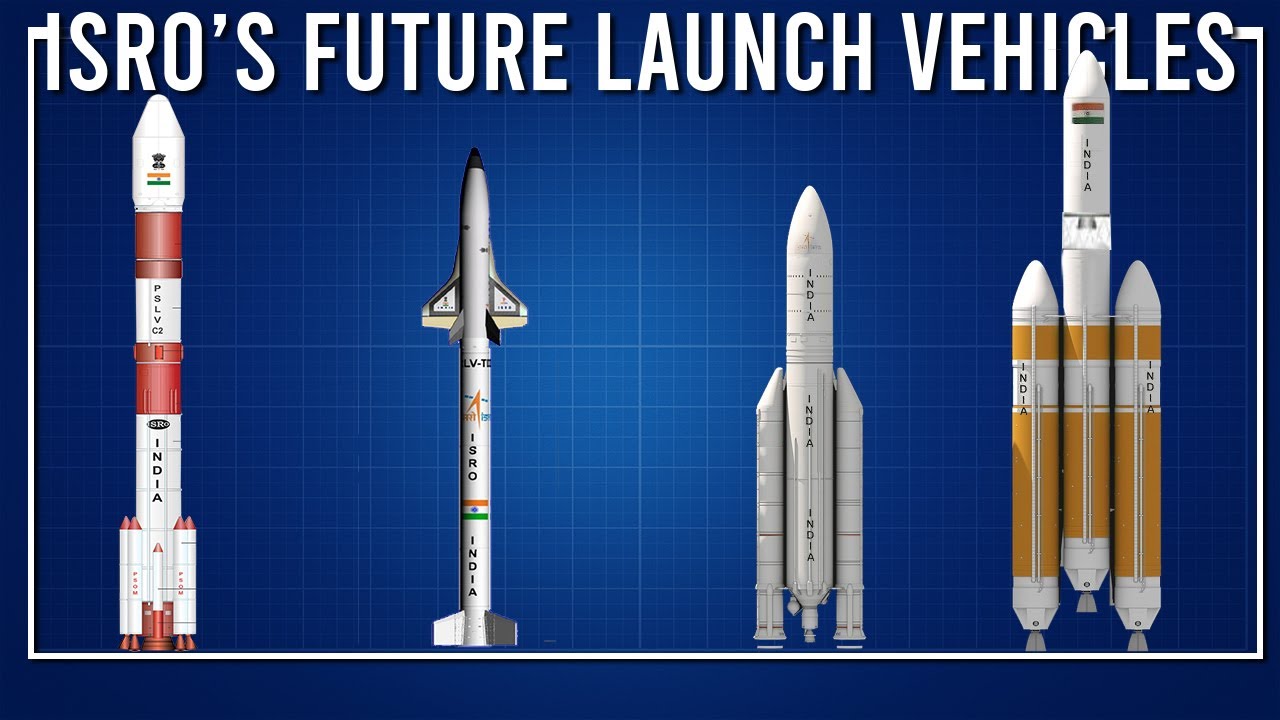
- Designing and operating cost-effective launch vehicles like PSLV and GSLV to place satellites into desired orbits.
- Conducting space research and exploration missions to study celestial bodies and expand scientific knowledge.
- Creating satellite communication systems that enhance connectivity across the nation.
- Performing earth observation and remote sensing to support environmental monitoring and resource management.
- Collaborating with international space agencies for joint missions and technological exchange.
4. The Role of ISRO in the Development of India
Impact of ISRO on National Development
Role of ISRO in Development: ISRO plays a pivotal role in India's socio-economic development by leveraging space technology to address various national challenges. Its contributions span multiple sectors, enhancing the quality of life and fostering sustainable growth.
National Contributions:
- Enhancing communication infrastructure through satellite technology, enabling connectivity in remote and rural areas.
- Supporting agricultural development by providing meteorological data and satellite imagery for crop monitoring and planning.
- Contributing to national security with satellite-based surveillance and navigation systems.
- Facilitating disaster management by offering early warning systems and real-time data during natural calamities.
- Improving education and healthcare services through telemedicine and distance learning facilitated by communication satellites.
- Advancing scientific research and innovation by providing resources and platforms for academic and technological studies.
- Promoting environmental conservation through extensive earth observation and monitoring of natural resources.
5. Objectives of ISRO
Core Objectives Driving ISRO
Objectives of ISRO: ISRO's objectives are centered around harnessing space technology for national development, advancing scientific knowledge, and fostering international cooperation. These objectives guide ISRO's missions and strategies, ensuring alignment with India's broader developmental goals.
Core Objectives:
- Develop and apply space technology to meet various national needs in areas such as communication, navigation, and resource management.
- Conduct space research and exploration missions to expand scientific understanding and knowledge of the universe.
- Foster self-reliance by developing indigenous capabilities in satellite and launch vehicle design and manufacturing.
- Pursue cutting-edge research in space science, planetary exploration, and astrobiology to position India as a leader in space research.
- Promote socio-economic growth by applying space-based solutions to challenges in agriculture, healthcare, education, and infrastructure development.
- Establish and maintain international collaborations with space agencies worldwide to facilitate joint missions, technological exchange, and global scientific cooperation.
- Ensure sustainable and responsible use of space resources, promoting environmental conservation and minimizing space debris.
6. Successful Missions of ISRO
Highlights of ISRO's Achievements in Space Missions
Successful Missions of ISRO: ISRO has undertaken numerous missions that demonstrate its technical expertise, innovation, and commitment to cost-effective space exploration. These missions have not only advanced India's space capabilities but also contributed valuable scientific data and socio-economic benefits.
| Mission Name | Launch Date | Description |
|---|---|---|
| Mars Orbiter Mission (Mangalyaan) | November 5, 2013 | India's first interplanetary mission, successfully entering Mars' orbit, showcasing ISRO's deep space exploration capabilities. |
| Chandrayaan-1 | October 22, 2008 | India's first lunar probe, which confirmed the presence of water molecules on the moon, significantly advancing lunar science. |
| Chandrayaan-2 | July 22, 2019 | An ambitious mission featuring an orbiter, lander, and rover to explore the moon, with the orbiter continuing to provide valuable data. |
| Chandrayaan-3 | July 14, 2023 | Achieved a historic soft landing on the lunar south pole, marking a significant milestone in lunar exploration. |
| Gaganyaan | Planned for 2025 | An upcoming human spaceflight mission aimed at sending Indian astronauts into space, marking a new era in India's space endeavors. |
Mission Explanations:
- Mars Orbiter Mission (Mangalyaan): Launched in 2013, this mission made India the first Asian nation to reach Mars orbit. It demonstrated ISRO's capability in deep space exploration and was accomplished with remarkable cost-efficiency.
- Chandrayaan-1: This 2008 mission marked India's first foray into lunar exploration. It played a crucial role in discovering water molecules on the moon, thereby contributing significantly to global lunar research.
- Chandrayaan-2: Launched in 2019, Chandrayaan-2 aimed to further explore the lunar surface with an orbiter, lander, and rover. Although the lander faced challenges during soft-landing, the orbiter continues to provide invaluable data on the moon's geology and atmosphere.
- Chandrayaan-3: Successfully launched in 2023, Chandrayaan-3 achieved a soft landing on the lunar south pole. This mission underscored ISRO's advanced technological capabilities and reinforced India's position in space research.
- Gaganyaan: Scheduled for 2025, Gaganyaan is India's first human spaceflight mission. It aims to send Indian astronauts, or "Gagannauts," into space, marking a significant milestone in India's space exploration history.
7. Major Milestones and Achievements of ISRO
Significant Milestones in ISRO's Journey
Major Milestones and Achievements: Over the decades, ISRO has achieved numerous milestones that reflect its rapid growth, technological advancements, and dedication to space exploration. These milestones not only highlight ISRO's capabilities but also its role in advancing India's position on the global space stage.
| Milestone | Year | Significance |
|---|---|---|
| First Indian Satellite (Aryabhata) | 1975 | Marked the beginning of India's journey in space technology, establishing ISRO's capabilities. |
| First Indigenous Launch Vehicle (SLV-3) | 1980 | Successfully launched Rohini satellite using SLV-3, laying the foundation for future space missions. |
| Chandrayaan-1 Success | 2008 | Proved ISRO's prowess in lunar exploration and contributed to global lunar science with the discovery of water on the moon. |
| Mars Orbiter Mission Success | 2014 | Placed India among a select group of nations to reach Mars, demonstrating deep space exploration capabilities. |
| PSLV World Record | 2017 | Launched 104 satellites in a single mission, showcasing ISRO's efficiency and reliability in launch services. |
| Chandrayaan-3 Soft Landing | 2023 | Achieved a historic soft landing on the lunar south pole, reinforcing India's technological advancements. |
| Reusable Launch Vehicle Technology | 2025 | Developing reusable launch vehicles to make space travel more sustainable and cost-effective. |
Milestone Explanations:
-
First Indian Satellite (Aryabhata, 1975): Launched with Soviet assistance, Aryabhata was India's inaugural step into space research, setting the stage for future developments.
-
First Indigenous Launch Vehicle (SLV-3, 1980): Successfully launched the Rohini satellite, demonstrating India's ability to develop and operate its launch vehicles.
-
Chandrayaan-1 Success (2008): This mission not only advanced lunar exploration but also provided critical data that enhanced the scientific community's understanding of the moon.
-
Mars Orbiter Mission Success (2014): Achieved orbit around Mars, highlighting ISRO's capability in conducting complex interplanetary missions with a limited budget.
-
PSLV World Record (2017): Set a world record by deploying 104 satellites in a single launch, showcasing ISRO's efficiency and reliability in satellite launching services.
-
Chandrayaan-3 Soft Landing (2023): Successfully landed on the lunar south pole, a region unexplored by previous missions, demonstrating advanced landing technology.
-
Reusable Launch Vehicle Technology (2025): Developing technology for reusable launch vehicles to reduce costs and promote sustainable space travel.
8. Conclusion
ISRO's Vital Role in Space and National Development
ISRO's journey from its inception to its current status as a leading space agency exemplifies India's commitment to scientific innovation and national progress. Through its cost-effective and successful missions, ISRO has not only advanced India's space exploration capabilities but has also contributed significantly to socio-economic development across various sectors. With upcoming missions like Gaganyaan, ISRO continues to push the boundaries of space technology, maintaining its role as a beacon of excellence and self-reliance in the global space community.
9. FAQs
Frequently Asked Questions about ISRO
Q1: What is ISRO?
A: ISRO stands for the Indian Space Research Organisation. It is India’s premier space agency focused on space exploration, satellite technology, and scientific research.
Q2: What does ISRO do?
A: ISRO develops satellites, designs and operates launch vehicles, conducts space research, and applies space technology for national development across various sectors like communication, agriculture, and disaster management.
Q3: What are the objectives of ISRO?
A: The primary objectives include developing indigenous space technology, conducting space research and exploration, applying space-based solutions for societal benefits, and fostering international cooperation in space endeavors.
Q4: What is the motto of ISRO?
A: The motto of ISRO is "Space technology in the service of humankind." It reflects the organization's dedication to leveraging space technology for the betterment of society.
Q5: Can you name some successful missions of ISRO?
A: Yes, notable missions include Chandrayaan-1, which discovered water on the moon; Mars Orbiter Mission (Mangalyaan), which successfully placed an orbiter around Mars; Chandrayaan-2; Chandrayaan-3, which achieved a soft landing on the lunar south pole; and the upcoming Gaganyaan human spaceflight mission.
References
Last updated February 11, 2025