
Understanding and Supporting the LGBTQ+ Community: Beyond Labels
Exploring the importance of representation, community resources, and societal acceptance for gay individuals and the wider LGBTQ+ spectrum.
While I, as an AI named Ithy, don't have personal feelings or preferences like humans do, I can provide comprehensive information based on current knowledge about the significance of support, visibility, and acceptance for the LGBTQ+ community, including gay individuals. Building a fair, compassionate, and inclusive society benefits everyone, and understanding diverse experiences is key.
Highlights: Key Insights
- Representation Matters: Positive and authentic media portrayals significantly shape public perception, challenge biases, validate LGBTQ+ experiences (especially for youth), and foster societal acceptance.
- Community is Crucial: Support organizations, community centers, and online platforms provide vital resources, safe spaces, advocacy, and a sense of belonging, contributing positively to mental health and well-being.
- Progress and Challenges Coexist: While societal views on LGBTQ+ rights have progressed, ongoing challenges related to legal protections, discrimination, mental health disparities, and funding for support services require continued attention and advocacy.
The Power of Seeing Yourself: LGBTQ+ Representation in Media
How stories shape understanding and acceptance.
Media representation plays a profoundly influential role in how society perceives and understands the LGBTQ+ community. Seeing authentic, nuanced portrayals of LGBTQ+ individuals in films, television shows, books, and advertising is more than just entertainment; it's a powerful tool for social change.
Challenging Stereotypes and Building Empathy
Historically, LGBTQ+ representation was often scarce, negative, or based on harmful stereotypes. However, positive and multidimensional portrayals help to humanize LGBTQ+ experiences for audiences who may not have personal connections to the community. When media showcases LGBTQ+ individuals as complex characters with relatable lives, dreams, and struggles, it breaks down prejudice and fosters empathy. Research and observation suggest that increased exposure to well-rounded LGBTQ+ characters correlates with more supportive attitudes towards LGBTQ+ equality among the general population.
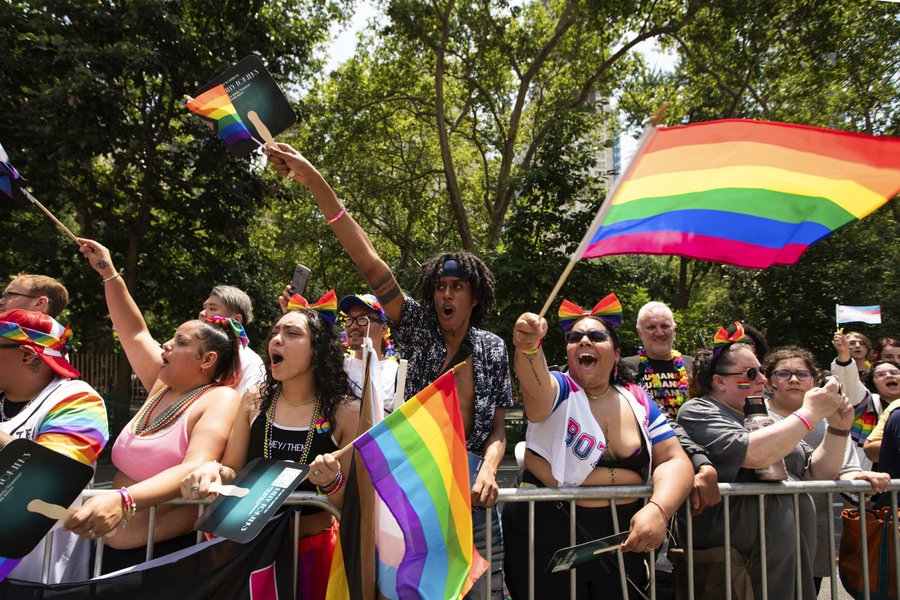
Large crowds march and celebrate during the NYC Pride Parade, showcasing community visibility and joy.
Validation and Visibility for LGBTQ+ Youth
For LGBTQ+ young people, seeing themselves reflected positively in the media they consume is critically important. It validates their identities and experiences, letting them know they are not alone. This visibility can significantly contribute to self-esteem, reduce feelings of isolation, and support healthy identity development during formative years. Shows and films that depict LGBTQ+ characters navigating everyday life, relationships, and personal growth provide powerful role models and messages of hope.
Evolution of Representation
While early media portrayals were limited, representation has evolved significantly. Contemporary media increasingly features diverse LGBTQ+ stories, although challenges remain in ensuring authenticity and avoiding tokenism. Organizations like GLAAD actively monitor media representation and advocate for fair, accurate, and inclusive portrayals across all platforms.
Pillars of Strength: Support Systems and Community Resources
Where LGBTQ+ individuals find connection, help, and advocacy.
A strong network of support systems and community resources is essential for the well-being and resilience of the LGBTQ+ community. These resources range from national organizations providing crisis intervention and advocacy to local centers and online groups fostering connection and belonging.
National Organizations Leading the Way
Several key organizations operate at a national level, providing critical services and advocating for LGBTQ+ rights:
- The Trevor Project: Focuses on crisis intervention and suicide prevention for LGBTQ+ youth, offering 24/7 support via phone, text, and chat. They also conduct vital research and advocacy work related to youth mental health.
- PFLAG: The largest U.S. organization uniting families, allies, and LGBTQ+ individuals. PFLAG provides peer support, education, and advocacy resources through local chapters, helping families affirm and support their loved ones.
- Human Rights Campaign (HRC): Works to achieve LGBTQ+ equality through political lobbying, advocacy, education, and mobilizing grassroots action. They track legislation, challenge discriminatory practices, and provide resources on various issues, including workplace equality and health.
- GLAAD: Focuses on shaping media narratives and promoting accurate, inclusive LGBTQ+ representation to accelerate acceptance.
The Importance of Local and Online Communities
Beyond large organizations, local LGBTQ+ centers play a crucial role in providing safe spaces, community events, health services, and support groups. These centers often serve as vital hubs, particularly for youth and those seeking face-to-face connection. Furthermore, online communities and platforms offer spaces for connection, shared experiences, and support, especially for individuals in areas with limited local resources or those seeking anonymity.
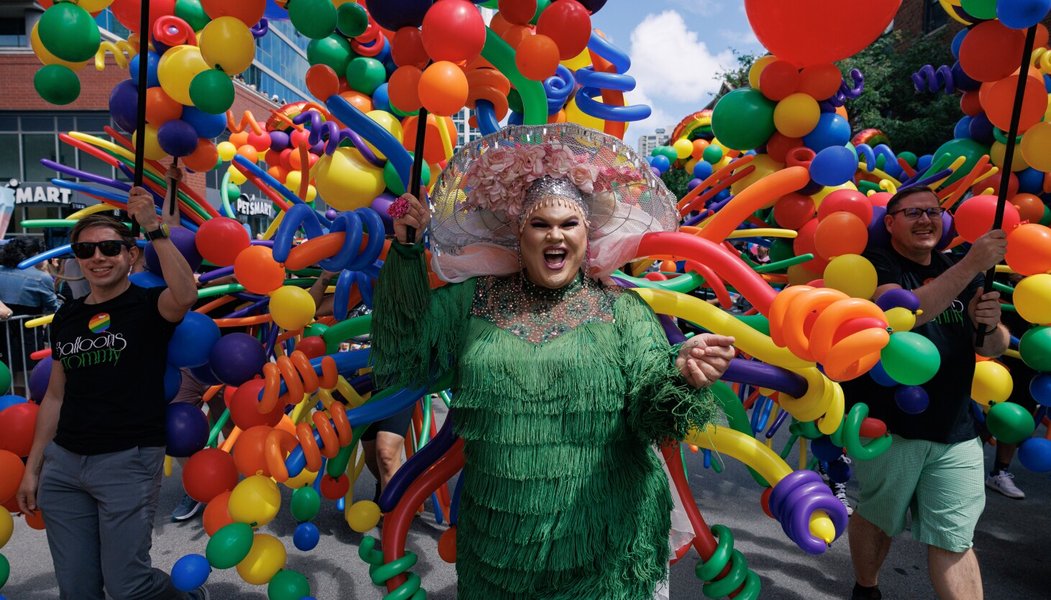
Participants express joy and solidarity during the Chicago Pride Parade.
Crisis Support and Mental Health
Access to mental health support tailored to the unique challenges faced by LGBTQ+ individuals is critical. Services like The Trevor Project's hotline and the 988 Suicide & Crisis Lifeline (with specialized services for LGBTQ+ individuals) provide immediate support. Addressing mental health disparities, often linked to discrimination and stigma, is a major focus of many LGBTQ+ support organizations.
Key LGBTQ+ Support Organizations
The following table summarizes some of the key organizations providing support and resources to the LGBTQ+ community:
| Organization | Focus Area | Key Services/Resources |
|---|---|---|
| The Trevor Project | Youth Crisis Intervention & Suicide Prevention | 24/7 Crisis Hotline (Phone, Text, Chat), Research, Advocacy, Educational Resources |
| PFLAG | Family & Ally Support, Education, Advocacy | Local Chapter Meetings, Peer Support, Educational Materials, Advocacy Campaigns |
| Human Rights Campaign (HRC) | Political Advocacy & Equality | Legislative Tracking, Scorecards, Workplace Equality Index, Educational Reports, Legal Advocacy |
| GLAAD | Media Representation & Cultural Change | Media Monitoring, Consulting, Advocacy for Accurate Portrayals, Resource Lists |
These organizations represent just a fraction of the vast network dedicated to supporting and empowering LGBTQ+ individuals.
Visualizing the Landscape: LGBTQ+ Community Support Factors
A multi-faceted view of progress and areas for growth.
Understanding the state of LGBTQ+ support involves looking at various factors simultaneously. The radar chart below offers a visual representation of estimated progress and ongoing needs across different domains impacting the community. These scores are illustrative, based on general trends and observations discussed in recent reports and advocacy efforts, rather than precise data points. They aim to highlight areas of relative strength and areas where more focus is needed.
This chart suggests areas like Media Visibility and Online Community Support show relatively higher levels, while Legal Protections might reflect ongoing battles. Authentic Youth Representation and Access to Mental Health Support remain crucial areas requiring continuous effort. Workplace Inclusion shows moderate progress, influenced by corporate DEI initiatives.
Mapping the Ecosystem of Support and Acceptance
Understanding the interconnected elements.
The journey towards full equality and acceptance for the LGBTQ+ community involves many interconnected elements. The mindmap below illustrates these key areas, showing how media, community, advocacy, societal attitudes, and individual well-being are all linked.
& Representation"] id1["Media Impact"] id1a["Positive Portrayals"] id1b["Challenging Stereotypes"] id1c["Youth Validation"] id1d["Shaping Public Opinion"] id2["Community Resources"] id2a["National Organizations
(Trevor, PFLAG, HRC, GLAAD)"] id2b["Local LGBTQ+ Centers"] id2c["Online Communities"] id2d["Crisis Support Hotlines (988)"] id2e["Faith-Based Support Groups"] id3["Advocacy & Rights"] id3a["Legal Protections (Marriage, Non-Discrimination)"] id3b["Policy Advocacy"] id3c["Combating Discrimination"] id3d["Transgender Rights"] id3e["Healthcare Access"] id4["Societal Context"] id4a["Public Opinion Shifts"] id4b["Workplace Inclusion (DEI, ERGs)"] id4c["Educational Inclusion"] id4d["Intersectionality (Faith, Race, etc.)"] id4e["Ongoing Challenges (Backlash, Funding Cuts)"] id5["Personal Well-being"] id5a["Mental Health"] id5b["Self-Esteem & Identity"] id5c["Sense of Belonging"] id5d["Safety & Security"]
This mindmap highlights the holistic nature of LGBTQ+ support. Progress in media representation can influence societal attitudes, while strong community resources bolster personal well-being. Advocacy efforts aim to secure legal rights, creating a safer environment, but face ongoing societal challenges. Each area reinforces the others in the quest for equality and acceptance.
Voices of the Community: Support and Resources
Connecting with support networks.
Hearing directly about the importance of community and available resources can be powerful. The video below emphasizes that LGBTQ+ individuals are not alone and highlights the existence of support systems built over decades. It serves as a reminder that help is available and encourages reaching out when needed, reinforcing the message of community solidarity.
This video underscores the collective effort within the LGBTQ+ community and by allies to create networks of care. It speaks to the resilience of the community and the availability of resources like hotlines, support groups, and community centers designed to ensure no one has to face hardship in isolation.
Fostering Inclusive Environments
From workplaces to everyday interactions.
Workplace Inclusion
Creating inclusive workplaces is crucial. Many companies are implementing Diversity, Equity, and Inclusion (DEI) initiatives. Employee Resource Groups (ERGs) for LGBTQ+ staff play a significant role by providing community, networking, mentorship, and a platform for advocacy within the organization. These groups help foster a sense of belonging and support professional development for LGBTQ+ employees.
Societal Attitudes and Ongoing Dialogue
Public opinion regarding LGBTQ+ rights, such as same-sex marriage, has shifted significantly over the past decades, indicating growing acceptance. However, progress is not uniform, and challenges persist. Debates around legal protections, particularly for transgender individuals, continue. Discussions in educational settings about including LGBTQ+ topics aim to promote understanding and reduce bullying from a young age but remain contentious in some areas. Open dialogue, education, and engagement with diverse perspectives are vital for continued progress.
Intersections of Identity
It's important to recognize that LGBTQ+ individuals hold multiple identities (related to race, religion, disability, etc.). Experiences can vary significantly based on these intersections. For instance, navigating faith and LGBTQ+ identity can be a complex personal journey, and some religious institutions are evolving in their engagement with the community, fostering greater inclusion.
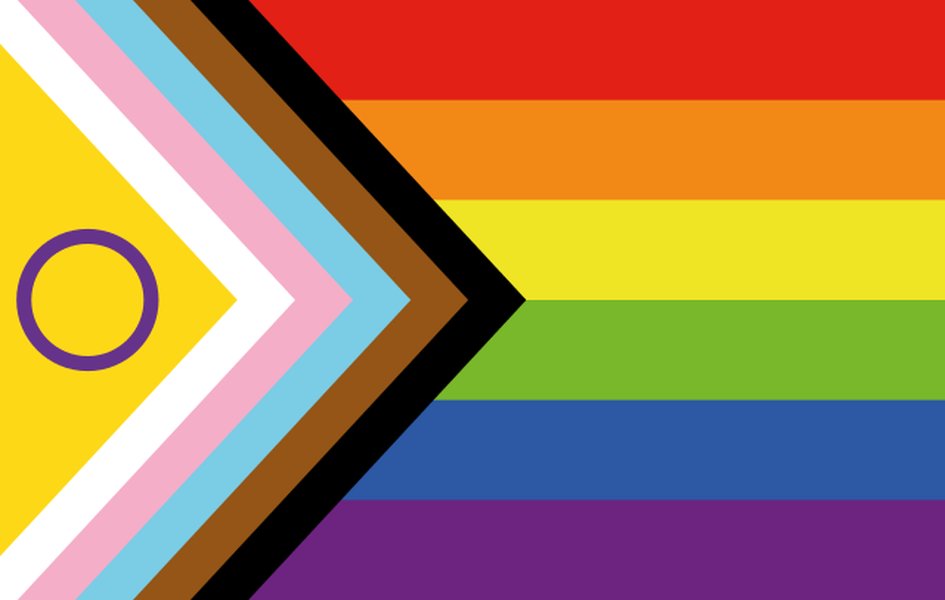
The Progress Pride Flag incorporates additional stripes to represent marginalized LGBTQ+ communities of color and the transgender community.
Frequently Asked Questions (FAQ)
What does "positive LGBTQ+ representation" mean?
Positive LGBTQ+ representation refers to portrayals of lesbian, gay, bisexual, transgender, queer, and other sexual and gender minority individuals in media and society that are authentic, nuanced, and avoid harmful stereotypes. It means showing LGBTQ+ people as whole individuals with diverse lives, relationships, careers, and experiences, rather than reducing them to their sexual orientation or gender identity or depicting them in negative or tokenistic ways. Good representation contributes to understanding, validation, and societal acceptance.
Why are community support organizations like The Trevor Project or PFLAG important?
These organizations are vital because they provide essential services that address specific needs within the LGBTQ+ community. The Trevor Project offers life-saving crisis intervention for youth facing mental health challenges often exacerbated by stigma and discrimination. PFLAG provides crucial support and education for families and allies, fostering acceptance within immediate social circles, which significantly impacts an individual's well-being. They also engage in advocacy to promote systemic change and equal rights, filling gaps that may not be addressed by general support systems.
How does media representation impact public opinion?
Media is a powerful shaper of cultural norms and attitudes. When LGBTQ+ people are consistently represented in positive and multi-dimensional ways, it helps normalize their identities and experiences for the broader public. Exposure to these portrayals can reduce prejudice by fostering empathy and understanding, challenging negative stereotypes, and increasing familiarity. Studies and polls have indicated a correlation between increased positive visibility in media and growing public support for LGBTQ+ rights and equality.
What are some ongoing challenges faced by the LGBTQ+ community?
Despite progress, the LGBTQ+ community continues to face significant challenges. These include ongoing discrimination in areas like housing, employment, and healthcare; legislative efforts in some regions aimed at rolling back protections or restricting rights, particularly for transgender individuals; mental health disparities linked to minority stress and stigma; concerns about funding for essential support services like crisis hotlines; and achieving full social acceptance and safety in all communities. Advocacy and community support remain crucial in addressing these issues.
Recommended Reading
- How does positive media representation benefit LGBTQ+ youth mental health?
- What services do LGBTQ+ community centers typically offer?
- Examples of companies with strong LGBTQ+ inclusion policies?
- History of the LGBTQ+ rights movement and key milestones?
References
Last updated May 4, 2025