
Understanding Meat Wheels in Middle Eastern Cuisine
Exploring the Composition and Authenticity of Meat Preparations
Key Takeaways
- Composition Variability: Meat wheels can be composed entirely of high-quality meat or include fillers depending on the establishment.
- Authenticity Factors: Traditional restaurants prioritize pure meat, while food trucks may incorporate fillers for cost-effectiveness.
- Consumer Awareness: Understanding the preparation methods can help consumers make informed choices about their food.
Introduction to Meat Wheels in Middle Eastern Cuisine
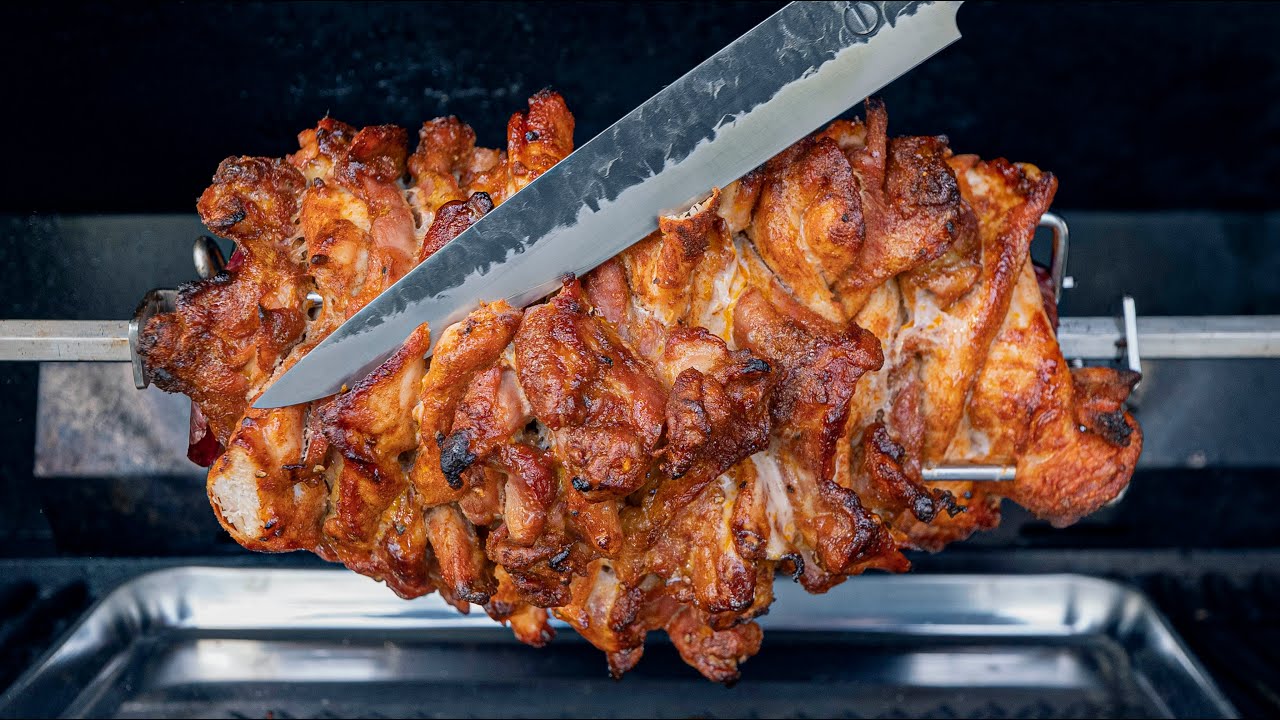
Meat wheels are a staple in Middle Eastern cuisine, prominently featured in dishes like shawarma, doner kebab, and gyros. These cylindrical stacks of seasoned meat are cooked on vertical rotisseries, allowing them to be sliced thinly and served fresh. The question of whether meat wheels are composed solely of meat or if they include fillers is central to discussions about authenticity, quality, and flavor in Middle Eastern culinary practices.
Traditional Composition of Meat Wheels
Focus on High-Quality Meat
In traditional Middle Eastern establishments, the primary ingredient of meat wheels is high-quality meat, such as lamb, beef, or chicken. These meats are often marinated with a blend of spices and herbs, enhancing their flavor and tenderness. The emphasis is on preserving the natural taste and texture of the meat, often avoiding the addition of unnecessary fillers.
Minimal Use of Fillers
While the focus is on pure meat, some traditional recipes may incorporate small amounts of fat or natural binders to ensure the meat holds together during the cooking process. These additions are not considered fillers in the negative sense but are essential for achieving the desired consistency and moisture in the final product.
Commercial Practices in Food Trucks and Restaurants
Inclusion of Fillers for Cost-Effectiveness
In contrast to traditional restaurants, food trucks and fast-casual establishments might incorporate fillers such as breadcrumbs, soy protein, or other extenders into their meat wheels. These fillers serve multiple purposes:
- Cost Reduction: Fillers can lower the overall cost by extending the volume of meat used in each wheel.
- Texture Enhancement: They help bind the meat together, ensuring it remains cohesive during the prolonged cooking process on the vertical rotisserie.
- Yield Improvement: Fillers increase the quantity of meat prepared, catering to higher demand without proportionally increasing expenses.
Varying Standards and Regulations
The use of fillers can also be influenced by regional food regulations and standards. In some areas, regulations may mandate the disclosure of fillers on menus, promoting transparency. However, enforcement and compliance vary, leading to differences in how establishments prepare their meat wheels.
Consumer Expectations and Perceptions
Authenticity and Quality Concerns
Consumers seeking an authentic Middle Eastern experience often prefer establishments that use pure meat with minimal additives. These consumers value the traditional flavors and textures that come from high-quality meat and authentic seasoning practices.
Awareness and Informed Choices
Increasing awareness about food composition has empowered consumers to inquire about the ingredients used in their meals. By asking vendors about the presence of fillers, consumers can make informed decisions based on their dietary preferences and quality standards.
Comparative Analysis of Meat Wheel Preparations
Traditional vs. Commercial Practices
The following table highlights the key differences between traditional Middle Eastern restaurants and commercial food trucks regarding the composition of meat wheels:
| Aspect | Traditional Restaurants | Food Trucks |
|---|---|---|
| Primary Ingredients | High-quality meats (lamb, beef, chicken) | Meat with fillers (breadcrumbs, soy protein) |
| Use of Fillers | Minimal, natural binders only | Common, for cost and texture |
| Flavor Profile | Rich, authentic spices and herbs | Balanced to accommodate fillers |
| Cost Considerations | Higher due to pure meat usage | Lower, fillers reduce meat costs |
| Portion Size | Consistent with quality focus | Potentially larger due to fillers |
Impact of Fillers on Health and Nutrition
Nutritional Content
The inclusion of fillers such as breadcrumbs or soy protein can alter the nutritional profile of meat wheels. Pure meat preparations offer higher protein content and lower carbohydrates and fats, while fillers may introduce additional carbohydrates, potentially reducing the overall protein density.
Dietary Preferences and Restrictions
For individuals adhering to specific dietary preferences or restrictions, such as low-carb diets or those avoiding certain additives, understanding the composition of meat wheels is crucial. Transparent ingredient lists enable consumers to align their food choices with their nutritional goals.
Cultural Significance and Culinary Traditions
Preservation of Culinary Heritage
Traditional meat wheel preparations are deeply rooted in Middle Eastern culinary heritage. The emphasis on pure meat and authentic seasoning not only preserves cultural traditions but also ensures the continuity of flavors that have been perfected over generations.
Evolution with Modern Cuisine
As Middle Eastern cuisine gains global popularity, adaptations occur to cater to diverse markets and cost structures. This evolution sometimes leads to the incorporation of fillers, blending traditional methods with modern economic considerations.
Best Practices for Establishments
Balancing Cost and Quality
Establishments aiming to maintain authenticity while managing costs can adopt several strategies:
-
Selective Use of Fillers: Employing minimal and high-quality fillers to maintain flavor integrity.
-
Ingredient Transparency: Clearly listing ingredients to build consumer trust and cater to informed choices.
-
Quality Control: Implementing strict quality control measures to ensure consistent meat quality regardless of fillers.
Emphasizing Authenticity
By prioritizing authentic recipes and high-quality meats, establishments can differentiate themselves in the market. This focus appeals to consumers seeking traditional culinary experiences and can justify premium pricing.
Consumer Tips for Identifying Meat Wheel Composition
Reading Menus and Labels
Paying attention to menu descriptions and labels can provide insights into the composition of meat wheels. Terms like "100% meat" or "no fillers" indicate pure meat preparations, while mentions of extenders or binders suggest the presence of fillers.
Asking Questions
Directly inquiring with restaurant staff about the ingredients used in their meat wheels can clarify any doubts. Questions about the presence of fillers, types of meat used, and sourcing practices can help consumers make informed decisions.
Observing Preparation Methods
Observing the cooking and preparation processes can also provide clues. Establishments that visibly handle large stacks of meat and season them on-site are more likely to use pure meat, whereas those with extensive pre-packaged ingredients might incorporate fillers.
Conclusion
The composition of meat wheels in Middle Eastern restaurants and food trucks varies based on several factors, including traditional practices, cost considerations, and consumer expectations. While traditional establishments tend to prioritize pure, high-quality meats with minimal fillers, commercial food trucks may incorporate fillers to enhance texture and reduce costs. Understanding these differences allows consumers to make informed choices aligned with their culinary preferences and dietary needs. As Middle Eastern cuisine continues to evolve globally, maintaining a balance between authenticity and affordability remains key to its enduring popularity.
References
Last updated February 4, 2025