
Unpacking Migration: Why People, Animals, and Even Data Move
Explore the fundamental concept of migration, its diverse forms, driving forces, and far-reaching consequences across different domains.
Key Insights into Migration
- Migration involves movement: It's the process of relocating from one place to another, whether temporarily or permanently, involving a change in the usual place of residence or location.
- Diverse forms and scales: Migration applies to humans moving within or between countries, animals undertaking seasonal journeys, and even the transfer of data between technological systems.
- Driven by complex factors: Decisions or necessities to migrate stem from a combination of "push" factors (reasons to leave) and "pull" factors (reasons to go to a new place), including economic, social, political, and environmental influences.
Understanding the Core Concept of Migration
Migration, in its broadest sense, signifies movement from one location to another. While often associated with people relocating their homes, the term encompasses a wider range of movements across biology and technology. The central idea is a shift from one place, region, or environment to another, often implying a significant duration or intended settlement, whether temporary or permanent.
In human geography, migration specifically refers to the movement of individuals or groups who change their place of residence. This can happen across streets, cities, regions, or international borders. The intent to settle in the new location, even if not permanently, distinguishes migration from shorter trips like commuting or tourism. As of 2020, an estimated 281 million people were international migrants, highlighting the global scale of this phenomenon.
Human Migration: A Multifaceted Phenomenon
Human migration is a complex process driven by a multitude of reasons and occurring in various forms. Understanding its different types is crucial for grasping its impact on societies and individuals.
Classifying Human Migration
Migration patterns can be categorized based on several criteria:
Based on Geography/Borders:
- Internal Migration: This involves movement within the borders of a single country. It includes relocating from one region to another (interregional migration), moving from rural areas to cities (rural-urban migration), or shifting between cities. This is the most common form of human migration globally.
- External (International) Migration: This refers to movement across international borders, from one country to another. It involves changing one's country of residence.
- Intracontinental Migration: Moving between countries within the same continent (e.g., moving from France to Germany).
- Intercontinental Migration: Moving between different continents (e.g., moving from India to Canada).
Based on Choice/Compulsion:
- Voluntary Migration: This occurs when individuals or groups choose to move, typically seeking better opportunities such as employment, education, higher living standards, or family reunification. The decision is based on the migrant's own volition, weighing the pros and cons of moving.
- Forced Migration (Involuntary Migration): This involves people being compelled to leave their homes against their will due to external pressures. Common causes include conflict, war, persecution (political, religious, ethnic), natural disasters (earthquakes, floods, tsunamis), human-made disasters (industrial accidents), environmental degradation (desertification, rising sea levels), or development projects causing displacement. Refugees and internally displaced persons (IDPs) fall under this category.
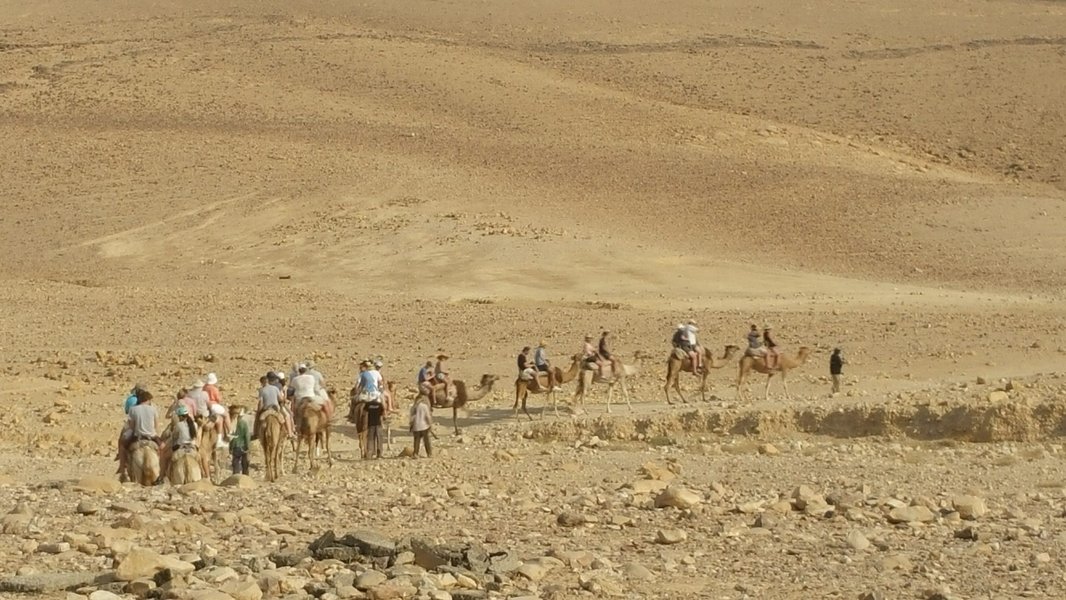
Environmental factors like drought can compel communities to migrate in search of resources.
Based on Pattern/Purpose:
- Economic Migration: Movement primarily driven by the search for better employment prospects, higher wages, or improved economic conditions.
- Environmental Migration: Relocation due to significant environmental changes or disasters that make the original location uninhabitable or unsustainable. This includes migration driven by climate change impacts.
- Step Migration: A gradual migration process occurring in stages. For example, moving from a rural village to a small town, then later to a larger city.
- Chain Migration: A pattern where migrants follow predecessors (often family or community members) to a particular destination. Information and support networks facilitate this type of movement.
- Cyclical (or Circular) Migration: Temporary and often repetitive movement, usually for work purposes, like seasonal agricultural labor. Migrants maintain ties with their home location and return periodically.
Drivers of Human Migration: Push and Pull Factors
The decision or necessity to migrate is rarely based on a single reason. It's typically influenced by a combination of "push" factors that drive people away from their origin and "pull" factors that attract them to a destination.
Push Factors (Reasons to Leave)
- Lack of job opportunities or low wages
- Poverty and economic hardship
- Political instability, conflict, or war
- Persecution based on ethnicity, religion, or political beliefs
- Poor living conditions, lack of basic services (healthcare, education)
- Environmental disasters (droughts, floods, earthquakes)
- Climate change impacts (sea-level rise, desertification)
- Famine or food insecurity
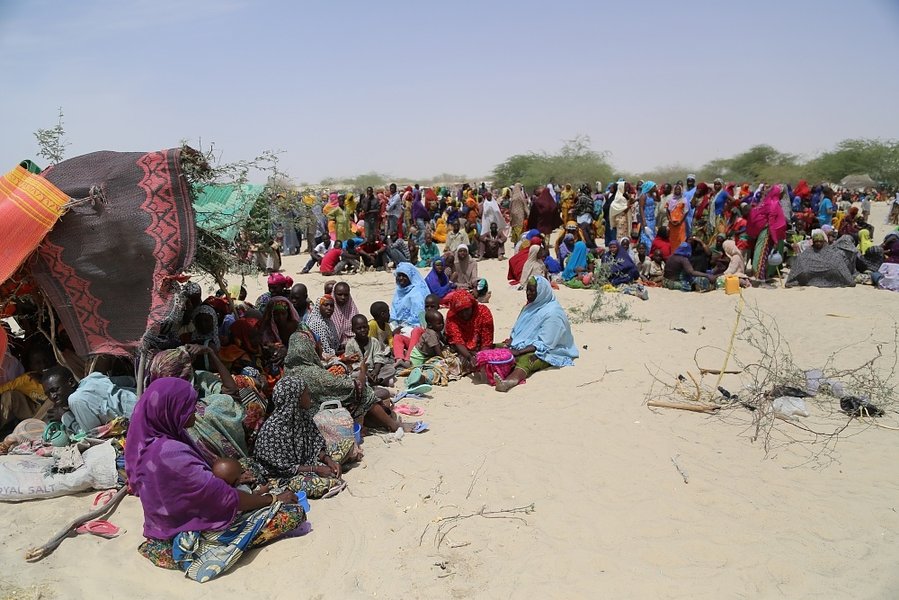
Conflict and insecurity are significant push factors leading to forced migration and displacement.
Pull Factors (Reasons to Go)
- Availability of jobs and better economic prospects
- Higher wages and standard of living
- Political stability and safety
- Freedom from persecution; protection of rights
- Better access to healthcare, education, and other services
- Family reunification opportunities
- More attractive environment or climate
- Perceived opportunities for social mobility
Visualizing Migration Drivers
The relative importance of different push and pull factors can vary significantly depending on the type of migration and the specific context. The radar chart below illustrates a hypothetical assessment of the strength of various drivers for different migration scenarios. Economic factors often play a major role in voluntary migration, while safety and political stability are paramount in forced migration contexts.
Impacts of Human Migration
Migration significantly affects both the areas people leave (origin) and the areas they move to (destination).
Effects on Destination Areas
- Economic: Can fill labor shortages, contribute to economic growth through skills and entrepreneurship, increase demand for goods and services. May also place strain on public services (schools, healthcare) and infrastructure if not managed well, and potentially create wage competition in certain sectors.
- Social/Cultural: Leads to increased cultural diversity, introduction of new foods, music, and traditions. Can sometimes lead to social tensions, integration challenges, or issues related to cultural differences.
- Demographic: Alters population size and structure, often increasing the younger, working-age population. Can contribute to urbanization.
Effects on Origin Areas
- Economic: Can benefit from remittances (money sent home by migrants). May suffer from "brain drain" if highly skilled workers leave. Reduced population pressure can sometimes be beneficial in resource-scarce areas.
- Social/Cultural: Families may be separated. Returning migrants might bring back new ideas and skills. Demographic shifts can occur, potentially leading to an aging population if young people migrate.
- Demographic: Can lead to population decline, particularly in rural areas, and changes in age and sex structure.
Migration Beyond Humans: Animals and Technology
Animal Migration
In the biological realm, migration refers to the regular, seasonal movement of animals from one region or habitat to another. This is typically driven by the search for food, better climate conditions, or suitable breeding grounds. Examples include the long-distance flights of migratory birds, the mass movement of wildebeest across the Serengeti, or the journey of salmon returning to their birth rivers to spawn. This type of migration is often cyclical and instinctual, driven by environmental cues.
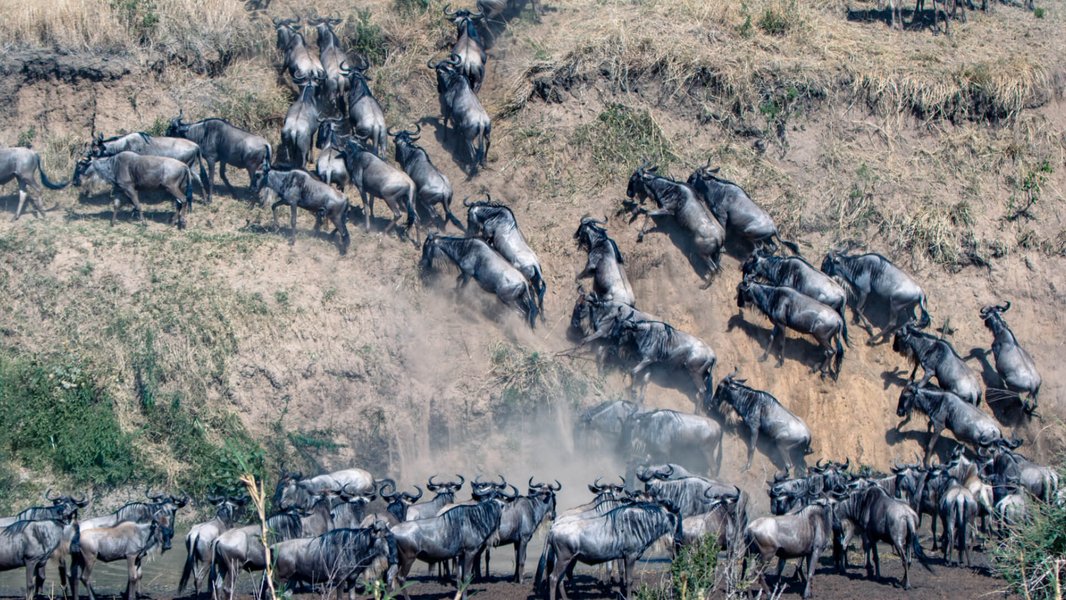
The Great Wildebeest Migration is a prime example of large-scale animal migration driven by seasonal changes and resource availability.
Technological Migration
The term "migration" is also used in technology, particularly in IT and data management. It refers to the process of transferring data, applications, or entire IT systems from one operating environment to another. Examples include:
- Data Migration: Moving data between storage types, formats, or databases (e.g., from an old server to a new one, or to a cloud platform).
- Cloud Migration: Moving applications, data, and infrastructure from on-premises servers to cloud-based environments (like AWS, Azure, Google Cloud).
- System Migration: Upgrading or replacing entire software or hardware systems, requiring the transfer of associated data and functionalities.
While conceptually similar in involving movement from one place/state to another, technological migration is distinct from biological or human migration, focusing on digital assets rather than living beings.
Mapping the Concepts of Migration
Migration is a broad concept with distinct manifestations. This mindmap provides a visual summary of the key types and aspects discussed, highlighting the relationships between different forms of migration.
Movement from one place to another"] id1["Human Migration"] id1a["Types"] id1a1["Internal
(Within Country)"] id1a2["External
(International)"] id1a2a["Intercontinental"] id1a2b["Intracontinental"] id1a3["Voluntary
(Choice-driven)"] id1a4["Forced
(Compelled)"] id1a4a["Conflict"] id1a4b["Persecution"] id1a4c["Disasters"] id1a5["Economic"] id1a6["Environmental"] id1a7["Chain"] id1a8["Step"] id1a9["Cyclical"] id1b["Causes"] id1b1["Push Factors
(Reasons to Leave)"] id1b1a["Poverty, Lack of Jobs"] id1b1b["Conflict, Instability"] id1b1c["Environmental Issues"] id1b2["Pull Factors
(Reasons to Go)"] id1b2a["Opportunities"] id1b2b["Safety, Stability"] id1b2c["Family, Services"] id1c["Effects"] id1c1["On Destination"] id1c1a["Economic Growth/Strain"] id1c1b["Cultural Diversity/Tension"] id1c1c["Demographic Change"] id1c2["On Origin"] id1c2a["Remittances"] id1c2b["Brain Drain"] id1c2c["Population Shifts"] id2["Animal Migration"] id2a["Seasonal Movement"] id2b["Driven by Resources/Climate/Breeding"] id2c["Examples: Birds, Wildebeest, Salmon"] id3["Technological Migration"] id3a["Data Migration"] id3b["Cloud Migration"] id3c["System Migration"]
Summary Table: Key Types of Human Migration
This table summarizes the main classifications of human migration discussed earlier, providing clear definitions and typical examples.
| Migration Type | Definition | Example |
|---|---|---|
| Internal Migration | Movement within the borders of a single country. | A family moving from a rural village to a major city within the same country for better job prospects. |
| External (International) Migration | Movement across international borders, changing the country of residence. | An individual moving from Mexico to the United States for work or education. |
| Voluntary Migration | Migration based on the individual's free choice, often seeking improvement. | A student moving abroad to attend a university. |
| Forced Migration | Movement where people are compelled to leave due to external threats or persecution. | People fleeing their homes due to civil war or a major earthquake. |
| Economic Migration | Movement primarily motivated by seeking better employment or financial conditions. | A skilled worker relocating to another country offering higher wages in their field. |
| Environmental Migration | Relocation due to significant, often adverse, changes in the local environment. | Coastal communities moving inland due to rising sea levels. |
| Step Migration | Migration occurring in stages, often from smaller to progressively larger settlements. | Moving from a farm to a nearby town, then later to a regional capital city. |
| Chain Migration | Movement facilitated by networks of family or community members already established in the destination. | Following siblings or parents who have already migrated and settled in a new country. |
| Cyclical Migration | Temporary, often seasonal movement, usually for work, followed by a return home. | Agricultural workers moving to specific regions during harvest seasons each year. |
Understanding Migration Terminology
The video below provides a concise explanation of the term "migration" and related concepts, helping to clarify its fundamental meaning.
This video defines "migration" and explores its basic meaning.
Frequently Asked Questions about Migration
What is the difference between migration, immigration, and emigration?
Migration is the general term for the movement of people from one place to another with the intent to settle. Immigration refers specifically to the act of entering a foreign country to live there permanently (moving into a country). Emigration refers to the act of leaving one's own country to settle permanently in another (moving out of a country). Essentially, immigration and emigration are two sides of international migration, viewed from the perspective of the destination and origin countries, respectively.
What are the main 'push' and 'pull' factors again?
Push factors are negative conditions in the place of origin that encourage or force people to leave. Common examples include poverty, lack of jobs, war, persecution, political instability, and environmental disasters.
Pull factors are positive conditions in the place of destination that attract people to move there. Common examples include better job opportunities, higher wages, political stability, safety, better education and healthcare access, and family reunification.
Is internal migration more common than international migration?
Yes, internal migration (movement within a country) is significantly more common globally than international migration (movement between countries). People are more likely to move within their own country for reasons like jobs, education, or lifestyle changes, as it often involves fewer legal, cultural, and linguistic barriers compared to crossing international borders.
Does migration only refer to permanent moves?
No, migration can be either permanent or temporary. While some migration involves settling permanently in a new location, other forms, like cyclical or seasonal migration, are temporary by nature. The key element is the change in one's usual place of residence or location for a significant period, distinguishing it from short visits or tourism.
Recommended Further Exploration
- Explore the detailed economic impacts of international migration on both host and home countries.
- Investigate the growing link between climate change and environmental migration patterns globally.
- Learn more about the fundamental differences and specific challenges associated with voluntary versus forced migration.
- Discover some of the most spectacular examples of animal migration around the world.
References
Last updated May 5, 2025