
What Happens When You Brush Against Death? Unveiling Near-Death Experiences
A journey into the profound, often transformative encounters reported by those who have stood at life's edge.
Key Insights into Near-Death Experiences
- Profound Personal Events: NDEs are deeply personal, vivid experiences occurring when individuals are near death or clinically dead, often involving sensations like peace, detachment, or seeing a bright light.
- Common Recurring Themes: Despite variations, many NDEs share features like out-of-body sensations, life reviews, encounters with beings, and moving through a tunnel towards light.
- Lasting Transformation: Survivors often report significant changes in perspective, including reduced fear of death, increased spirituality, and a greater appreciation for life.
Defining the Near-Death Experience (NDE)
Near-death experiences (NDEs) are conscious or semi-conscious perceptions reported by individuals who have been very close to dying or were briefly clinically dead before resuscitation. These events often occur during medical emergencies like cardiac arrest, severe trauma, or complications during surgery. While the exact triggers can vary, the resulting experiences often share remarkable similarities, challenging our understanding of consciousness and the brain.
Research suggests that approximately 10-20% of people who survive a life-threatening event report having an NDE. These experiences are documented across diverse cultures, ages, and belief systems, indicating a potentially universal human phenomenon linked to the process of dying.
Common Threads: What Do People Experience?
While each NDE is unique, extensive research and countless personal accounts have identified several recurring themes. These elements often combine to create an experience that feels intensely real and significant to the individual.
The Sensation of Detachment: Out-of-Body Experiences (OBEs)
One of the most frequently cited features is the feeling of leaving the physical body. Individuals often describe floating above themselves, observing their surroundings, including their own body and medical personnel, from an external vantage point. Some report being able to perceive events or conversations occurring nearby or even in adjacent rooms with surprising accuracy, known as veridical perception. This sensation is often described as hyper-real, distinct from dreaming or hallucinating.
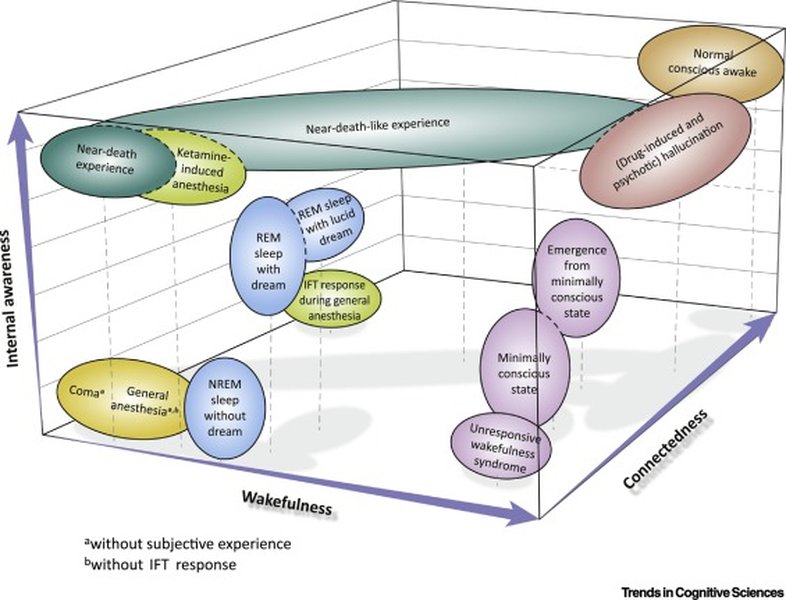
Conceptual model illustrating typical NDE phases.
An Overwhelming Sense of Peace and Well-being
Despite often being in situations of extreme physical distress or pain, many experiencers report an overwhelming feeling of peace, calm, comfort, and tranquility. Physical pain disappears, replaced by a profound sense of well-being, acceptance, and sometimes even euphoria or unconditional love. This profound peacefulness often stands in stark contrast to the chaotic circumstances surrounding their physical condition.
The Journey Towards Light
Moving Through Darkness
A common narrative involves movement, often described as traveling through a dark space or tunnel. This passage is typically directed towards a destination.
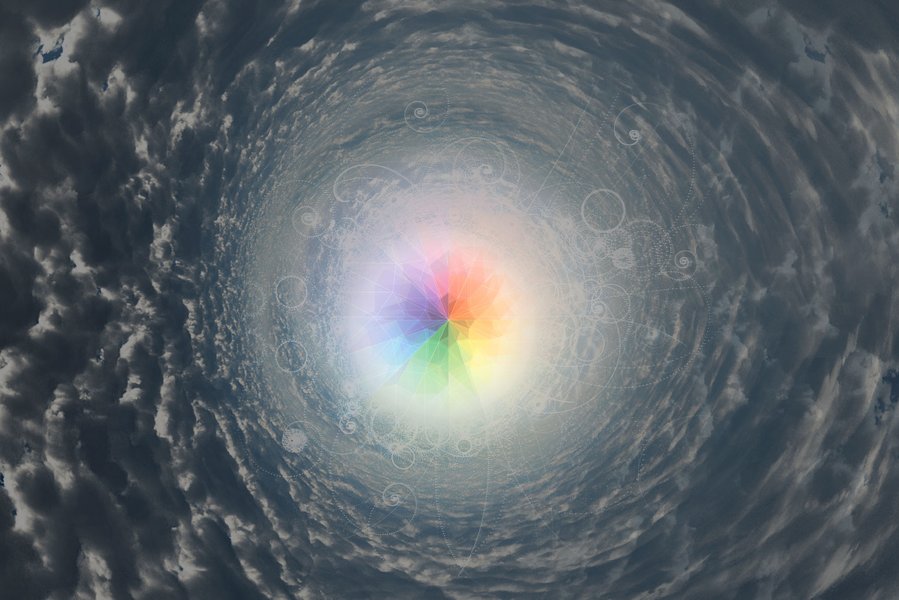
Many NDE accounts describe moving through a tunnel towards a brilliant light.
Encountering the Light
At the end of the tunnel, or sometimes appearing spontaneously, is a brilliant, often described as "loving" or "warm," light. This light is perceived not just visually but emotionally, often associated with immense knowledge, acceptance, and unconditional love. It's rarely described as harsh or threatening, but rather as intensely welcoming.
The Life Review: A Panoramic Playback
Some individuals experience a rapid, vivid, and panoramic review of their life events. This is not merely a recollection of memories but often involves re-experiencing the emotions associated with those events, sometimes from the perspective of others involved. This review is typically reported as non-judgmental, focusing on learning, love, and the consequences of actions.
Encounters with Other Beings
Meeting other entities is another common element. These can be perceived as deceased relatives or friends, spiritual figures (like angels or religious icons, sometimes interpreted through the individual's cultural lens), or simply beings of light. Communication is often described as telepathic – thought and emotion conveyed directly without spoken words. These encounters are usually reported as comforting, reassuring, or providing guidance.
Transcending Physical Limits
Altered Perception of Time and Space
The normal constraints of time and space seem to dissolve during an NDE. Time might feel sped up, slowed down, or altogether irrelevant. Individuals may feel they have accessed other dimensions or realms of existence, sometimes described as incredibly beautiful or harmonious.
Access to Knowledge
Some report gaining access to vast knowledge or understanding about the universe, life, and existence itself, although they often struggle to articulate this knowledge upon returning.
The Point of No Return and the Reluctant Return
Many experiencers describe reaching a boundary or "point of no return," understanding that crossing it would mean permanent death. Often, a decision (either their own or made by another presence) is made for them to return to their physical body and life. This return can sometimes be reluctant, given the profound peace or beauty of the experience they are leaving.
Visualizing NDE Elements
While subjective, the reported intensity and frequency of common NDE elements can be visualized. The following chart offers a conceptual representation based on common descriptions found in research and testimonies. It illustrates how prominent certain features often are in positive NDE accounts.
This chart highlights that feelings of peace and encountering a bright light are often reported as very intense or frequent elements, while features like the life review or out-of-body sensations, though common, might be experienced by a smaller subset or with varying intensity.
Exploring the Landscape of Near-Death Experiences
This mindmap provides a visual overview of the key aspects surrounding Near-Death Experiences, from their core definition and common features to the variations and lasting impact they can have.
Conscious experience near or during clinical death"] id2["Common Features"] id2a["Out-of-Body Sensation (OBE)"] id2b["Profound Peace / No Pain"] id2c["Tunnel Experience"] id2d["Bright Light (Loving, Warm)"] id2e["Life Review (Panoramic)"] id2f["Encounters (Deceased, Beings)"] id2g["Altered Time/Space Perception"] id2h["Reluctance to Return"] id3["Variations"] id3a["Positive/Peaceful (Most Common)"] id3b["Distressing/Negative"] id3b1["Inverse NDE (Loss of positive feelings)"] id3b2["Void NDE (Emptiness, Isolation)"] id3b3["Hellish NDE (Fearful imagery)"] id4["Triggers"] id4a["Cardiac Arrest"] id4b["Severe Trauma / Injury"] id4c["Surgical Complications"] id4d["Rarely: Non-life-threatening stress"] id5["Potential Explanations (Ongoing Research)"] id5a["Neurobiological (Brain chemistry, Anoxia)"] id5b["Psychological (Expectancy, Depersonalization)"] id5c["Transcendental / Spiritual (Consciousness beyond brain?)"] id6["Lasting Impact"] id6a["Reduced Fear of Death"] id6b["Increased Spirituality"] id6c["Greater Appreciation for Life"] id6d["Increased Empathy/Altruism"] id6e["Life Priorities Shift"]
The mindmap connects the definition of NDEs to their diverse characteristics, including both the commonly reported positive elements and the less frequent but significant distressing experiences. It also touches upon the circumstances leading to NDEs, the ongoing scientific and philosophical debate regarding their origins, and the profound, often life-altering effects they have on individuals.
Not Always Peaceful: Distressing NDEs
While the majority of reported NDEs are positive, a smaller percentage (estimated around 14-15%) are described as distressing or frightening. These experiences can vary:
- Inverse NDEs: Characterized by the loss of positive feelings experienced in typical NDEs, leading to sensations of loneliness or meaninglessness.
- Void NDEs: Involve a sense of being trapped in a vast, empty, and sometimes dark space, often accompanied by feelings of isolation.
- Hellish NDEs: Include disturbing imagery, encounters with menacing figures, or overwhelming feelings of fear, dread, or judgment.
Understanding these variations is crucial for a complete picture of the NDE phenomenon. They underscore the complexity of experiences at the threshold of death.
Personal Accounts and Shared Insights
Hearing directly from those who have had NDEs, and from experts who study them, offers powerful insights into the subjective reality and impact of these experiences. The video below features Oprah Winfrey discussing NDEs with a medical professional, exploring commonalities in stories and the transformative effects reported by survivors.
Oprah Winfrey and a medical expert discuss the common themes and life-changing nature of near-death experiences.
Personal stories often emphasize the feeling that the experience was "more real than real life," and highlight significant shifts in values, beliefs about life after death, and interpersonal relationships following the NDE. These narratives contribute significantly to our understanding alongside scientific investigation.
Scientific Perspectives and Ongoing Research
Science approaches NDEs from various angles. Neurobiological theories suggest factors like oxygen deprivation (anoxia), temporal lobe activity, or the release of neurochemicals (like endorphins or DMT) might play a role in generating the sensations. Recent research has even detected surges of brain activity moments after cardiac arrest in some patients, potentially correlating with heightened states of consciousness reported in NDEs.
However, these explanations face challenges. NDEs sometimes occur when brain activity is thought to be minimal or non-existent (e.g., during deep hypothermia or cardiac arrest with flat EEG readings). Furthermore, the clarity, structure, and transformative power of NDEs, along with reports of veridical perception during OBEs, are difficult to fully explain solely through physiological stress responses or hallucinations.
Psychological explanations consider factors like depersonalization, expectancy, or cultural conditioning. Yet, NDEs are reported by young children with limited concepts of death and by individuals whose experiences contradict their prior religious or cultural beliefs. The cross-cultural consistency of core NDE features also suggests something more fundamental might be occurring.
Research continues through organizations like the International Association for Near-Death Studies (IANDS) and academic institutions, employing rigorous methodologies to collect and analyze NDE accounts, seeking to understand the interplay between brain, consciousness, and the experience of dying.
Summary Table: Key Features of Near-Death Experiences
This table summarizes the most common characteristics reported during NDEs, providing a quick overview of the phenomena involved.
| Feature | Description | Typical Association |
|---|---|---|
| Out-of-Body Experience (OBE) | Sensation of floating outside one's physical body, observing surroundings. | Positive / Neutral |
| Profound Peace / Joy | Overwhelming feelings of calm, well-being, bliss, absence of pain. | Positive |
| Tunnel Phenomenon | Experience of moving through a dark tunnel or void. | Neutral / Transitional |
| Bright Light | Encountering a brilliant, often warm and loving, light. | Positive |
| Life Review | Rapid, panoramic playback of life events, often with emotional insight. | Neutral / Insightful |
| Meeting Beings | Encounters with deceased loved ones, spiritual figures, or beings of light. | Positive / Comforting |
| Altered Time/Space | Perception that time and space are different or non-existent. | Neutral / Transcendental |
| Boundary Reached | Sense of reaching a point of no return. | Neutral / Decisive |
| Return to Body | Conscious return to physical body, sometimes reluctantly. | Transitional |
| Distressing Sensations | Experiences of fear, void, isolation, or menacing figures. | Negative (Less Common) |
Frequently Asked Questions about NDEs
Are near-death experiences real?
NDEs are subjectively very real and often life-altering for the people who experience them. Scientifically, they are recognized as a genuine phenomenon occurring under specific physiological conditions (near death). Research focuses on understanding their neurological and psychological correlates, without necessarily confirming or denying metaphysical interpretations. The consistency of reports across cultures and circumstances lends credibility to NDEs as a distinct category of human experience.
Are all NDEs positive and peaceful?
No. While many reported NDEs involve feelings of peace, love, and light, a significant minority (estimated around 14-15%) are distressing. These can include feelings of intense fear, isolation, emptiness (the void), or encountering hellish landscapes or menacing beings. It's important to acknowledge the full spectrum of experiences.
What causes near-death experiences?
There is no single universally accepted cause. Scientific theories propose biological factors (like brain oxygen deprivation, endorphin release, neurotransmitter surges, temporal lobe seizures) and psychological factors (like depersonalization, expectation). However, none fully account for all features, especially the clarity, structured nature, and veridical perceptions reported in some NDEs, particularly those occurring during clinical death with minimal brain activity. Research is ongoing.
Do children have NDEs?
Yes, children do report near-death experiences, often with core features similar to those reported by adults (e.g., out-of-body sensations, tunnels, lights, meeting beings). Their accounts are particularly interesting to researchers because children typically have less developed cultural or religious frameworks about death and the afterlife, suggesting the experiences may not solely be products of expectation or belief.
Recommended Further Exploration
- What are the leading scientific theories attempting to explain near-death experiences?
- How do distressing or negative near-death experiences differ from positive ones?
- What are the common long-term psychological and spiritual effects reported by NDE survivors?
- How do reports of near-death experiences vary or remain consistent across different cultures?
References
Last updated May 4, 2025