
Revolutionizing Outpatient Care: Unpacking the Power of OPD Triage
Discover how systematic patient prioritization is transforming outpatient departments for enhanced efficiency and satisfaction.
Outpatient Department (OPD) triage is a strategic approach to managing patient flow and care delivery in busy outpatient settings. Adapted from the well-established principles of emergency room triage, it focuses on systematically assessing and categorizing patients based on the urgency of their medical needs. This process is pivotal in ensuring that individuals receive timely and appropriate attention, particularly in high-volume healthcare facilities like government or tertiary care hospitals. By prioritizing care, OPD triage aims to optimize resource allocation, reduce waiting times, and significantly improve the overall patient and healthcare provider experience.
Key Highlights of OPD Triage
- Enhanced Satisfaction: OPD Triage has been shown to dramatically increase patient satisfaction levels (from around 51% to 91% in some studies) and significantly boost the morale and enthusiasm of treating consultants.
- Optimized Resource Utilization: By effectively screening and prioritizing patients, healthcare facilities can make more efficient use of staff expertise, consultation time, and diagnostic resources, leading to better operational flow.
- Improved Patient Flow and Reduced Wait Times: The systematic sorting of patients according to clinical urgency helps in streamlining the consultation process, thereby reducing congestion and overall waiting periods in busy OPDs.
What is OPD Triage? Understanding the Core Concept
A Foundation Built on Emergency Care Principles
OPD triage is the preliminary assessment and sorting of patients arriving at an Outpatient Department to determine the urgency of their condition and the appropriate level of care required. This concept borrows its foundational principles from emergency department (ED) triage, where rapid assessment is crucial for managing mass casualties or high influxes of critically ill patients. However, OPD triage adapts these principles to the unique environment of outpatient clinics, which often face challenges of high patient volume, diverse medical conditions, and the need for efficient scheduling.
The primary goal is to ensure that patients who require more urgent attention are seen promptly, while others are channeled appropriately, thereby improving overall patient management, enhancing patient satisfaction, and optimizing the use of healthcare resources and staff expertise. It is particularly beneficial in settings like government-run OPDs at tertiary care hospitals that often manage hundreds of patients daily.
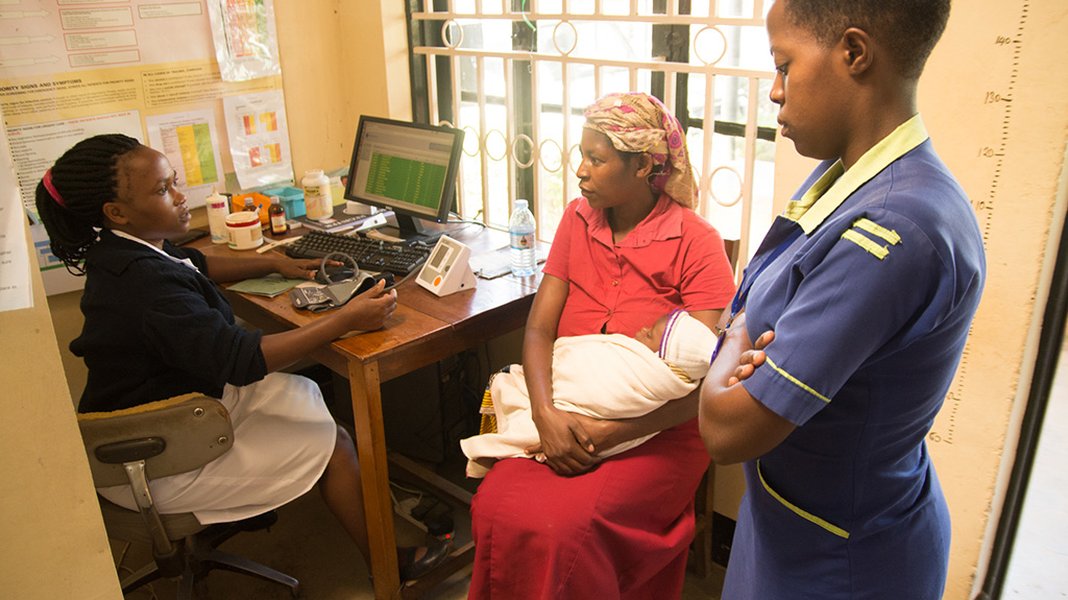
A triage station in an Outpatient Department, where initial patient assessment occurs.
The Imperative for OPD Triage in Modern Healthcare
Addressing the Challenges of High Patient Loads
Many outpatient departments, especially in public healthcare systems and densely populated areas, grapple with overwhelming patient numbers. This can lead to long waiting times, patient dissatisfaction, overworked staff, and potentially compromised care quality. Without a systematic approach to manage this influx, patients with more pressing needs might experience delays, while resources may not be allocated to their best use. OPD triage emerges as a vital solution to these challenges, offering a structured method to handle patient volumes effectively and equitably.
Unpacking the OPD Triage Process
The implementation of OPD triage involves several key steps, designed to be efficient and effective in identifying patient needs quickly.
Initial Assessment and Screening
Upon arrival at the OPD, or sometimes even via a preliminary phone call, patients undergo an initial assessment. This is typically conducted by trained nursing staff or other designated healthcare professionals. The assessment involves:
- Identifying the chief complaint and symptoms.
- A brief review of relevant medical history.
- Basic vital signs measurement if indicated and feasible.
- Visual assessment for any immediate signs of distress (e.g., severe pain, difficulty breathing, altered consciousness).
Categorization and Prioritization
Following the initial assessment, patients are categorized based on the urgency of their condition. While OPD triage may not always use the same complex scoring systems as ED triage (like the Emergency Severity Index - ESI), it employs a similar logic of prioritization. Categories might include:
- Urgent/High Priority: Patients requiring immediate or very prompt medical attention.
- Semi-Urgent/Medium Priority: Patients whose condition is stable but requires consultation relatively soon.
- Non-Urgent/Low Priority: Patients with routine issues or follow-ups that can wait or be scheduled.
Directed Care Pathways
Once categorized, patients are directed to the most appropriate care pathway. This could mean:
- Immediate transfer to a consultation room for urgent cases.
- Guidance to a fast-track service for simpler, acute conditions.
- Placement in a queue for routine consultation.
- Referral for immediate diagnostic tests before seeing a doctor.
- Scheduling for a later appointment if the condition is non-urgent and capacity is limited.
Communication with Physicians
Effective communication between the triage staff and the consulting physicians is essential. Triage findings, including the assigned priority level and key assessment details, are conveyed to the medical team. This allows doctors to anticipate patient needs and manage their consultation schedule more effectively, focusing first on those identified as higher priority.
The Multifaceted Benefits of Implementing OPD Triage
The adoption of OPD triage systems brings a host of advantages to patients, healthcare providers, and the healthcare institution as a whole.
Enhanced Patient Experience and Satisfaction
One of the most significant outcomes of OPD triage is a marked improvement in patient satisfaction. Studies have demonstrated substantial increases in satisfaction related to professional care, doctor's attitude, and counseling. For instance, one study in a heavily loaded orthopedic OPD found patient satisfaction rose from 51% on non-triage days to approximately 91% on triage days. Reduced waiting times for those with urgent needs and clearer communication about the process contribute to a more positive patient experience.
Optimized Healthcare Provider Workflow and Satisfaction
Treating consultants also report higher levels of satisfaction and enthusiasm on days when OPD triage is implemented. One study noted that physician satisfaction jumped from 32% on non-triage days to around 93% with triage. By presenting a more organized flow of patients and ensuring that their expertise is directed towards appropriately prioritized cases, triage helps reduce physician burnout and improves their ability to deliver quality care.
Efficient Utilization of Resources
OPD triage ensures that valuable healthcare resources – including the time of specialists, nursing staff, consultation rooms, and diagnostic equipment – are used more efficiently. By segregating patients based on need, the system prevents the misallocation of resources to less urgent cases while critical ones wait, thereby optimizing the overall capacity of the OPD.
Improved Data Management and Operational Efficiency
A structured triage process facilitates better data collection and maintenance regarding patient demographics, conditions, and flow patterns. This data can be invaluable for hospital administrators in identifying trends, planning services, and making informed decisions for operational improvements. Streamlining the process also contributes to more efficient use of time and skills of the medical staff.
Comparative Impact of OPD Triage
The introduction of OPD triage can lead to measurable improvements across several key performance indicators in an outpatient setting. The following table summarizes some of the reported impacts based on studies comparing OPD operations with and without a formal triage system:
| Metric | Non-Triage Days | OPD Triage Days | Source of Improvement Data |
|---|---|---|---|
| Patient Satisfaction (Overall) | Approximately 51% | Approximately 91% | Studies in heavily loaded Orthopedic OPDs (e.g., PMC7394801) |
| Consultant Satisfaction/Enthusiasm | Approximately 32% | Approximately 93% | Studies in government OPD setups (e.g., ScienceDirect S0976566220301223) |
| Patient Flow | Often congested, inefficient, long undifferentiated queues | Streamlined, prioritized, reduced bottlenecks | General consensus from multiple OPD triage studies |
| Resource Utilization | Suboptimal, potential misallocation | Optimized, targeted to need | Inferred from improved flow and staff satisfaction |
| Wait Times for Urgent Cases | Potentially long and variable | Significantly reduced | Primary goal and outcome of triage systems |
These figures highlight the transformative potential of implementing a well-structured OPD triage system.
Visualizing OPD Triage Effectiveness Factors
The success of an OPD triage system is influenced by several interrelated factors. The radar chart below illustrates how an ideal system compares to a typical OPD without triage and a system still in development, across key domains. A higher score (further from the center) indicates better performance in that domain. The goal is to expand capability across all areas for optimal functioning.
This chart emphasizes that continuous improvement in areas like staff training, clarity of protocols, and effective communication is key to achieving an ideal OPD triage system that effectively manages patient volume and optimizes resources.
Key Considerations for Successful OPD Triage Implementation
Successfully establishing and running an OPD triage system requires careful planning and ongoing commitment.
Comprehensive Staff Training and Standardized Protocols
All personnel involved in the triage process, particularly frontline staff and nurses, must receive thorough training. This training should cover:
- Accurate patient assessment techniques.
- Understanding and applying triage protocols and urgency categorization.
- Effective communication skills for interacting with patients and their families.
- Knowledge of available services and referral pathways within the facility.
- Infection control measures and use of personal protective equipment (PPE) as needed.
Leveraging Visual Aids and Clear Communication
Clear signage and visual aids can help patients understand the triage process, manage their expectations, and navigate the OPD more easily. Explaining the process to patients upon arrival can also reduce anxiety and improve cooperation.
Robust Data Collection and Continuous Feedback Loops
Implementing mechanisms for ongoing data collection related to patient flow, waiting times, triage accuracy, and patient/staff satisfaction is crucial. This data, along with regular feedback from both patients and staff, allows for continuous monitoring of the system's effectiveness and identifies areas for refinement and improvement.
Integration with Modern Technologies
Modern technology can significantly enhance OPD triage. This includes:
- Electronic Health Records (EHRs): For quick access to patient history and seamless documentation.
- Telemedicine/Telephone Triage: To conduct preliminary assessments remotely, directing patients appropriately before they even arrive at the OPD, or managing follow-ups. Platforms using AI can further streamline pre-visit assessments.
- Digital Triage Tools: Software or apps that can assist staff in applying triage protocols consistently.
Mapping the Landscape of OPD Triage
The mindmap below provides a visual summary of the core components, goals, processes, and benefits associated with OPD Triage. It highlights the interconnected nature of these elements in creating an efficient and patient-centered outpatient care environment.
prioritization"] id1b["Adapting ED principles
for outpatient settings"] id1c["Managing high patient volume"] id2["Key Goals"] id2a["Improve Patient Flow"] id2b["Enhance Patient Satisfaction"] id2c["Optimize Resource Utilization"] id2d["Increase Staff Satisfaction & Efficiency"] id2e["Ensure Timely Care for Urgent Cases"] id3["Core Process Steps"] id3a["Initial Assessment & Screening"] id3aa["Chief complaint, history, vitals"] id3b["Categorization & Prioritization"] id3ba["Urgent, Semi-urgent, Non-urgent"] id3c["Directed Care Pathways"] id3ca["Immediate consultation, fast-track, routine queue"] id3d["Communication with Medical Team"] id4["Significant Benefits"] id4a["Reduced Waiting Times"] id4b["Improved Quality of Care"] id4c["Better Patient Outcomes"] id4d["Decreased Staff Burnout"] id4e["Enhanced Operational Efficiency"] id5["Implementation Essentials"] id5a["Comprehensive Staff Training"] id5b["Standardized Protocols (SOPs)"] id5c["Effective Communication Strategies"] id5d["Technology Integration (EHR, Telehealth)"] id5e["Continuous Monitoring & Feedback"]
This mindmap illustrates how various facets of OPD triage work together to achieve its objectives, from initial patient contact through to the realized benefits for both patients and the healthcare system.
This video explains the general triage process in an Emergency Department, the foundational principles of which are adapted for OPD triage systems to manage patient flow and prioritize care.
While the video above details triage within an Emergency Department setting, the core principles of assessment, prioritization, and directed care are fundamentally what OPD triage adapts for the outpatient environment. Understanding these basics provides insight into how patients are sorted based on urgency, a practice critical for managing high volumes and ensuring that those needing immediate attention receive it, whether in an emergency or a busy outpatient clinic.
Frequently Asked Questions (FAQ)
What is the primary goal of OPD triage?
The primary goal of OPD triage is to improve patient management by effectively screening and segregating patients based on the urgency of their condition. This leads to optimized patient flow, reduced waiting times for urgent cases, enhanced patient and staff satisfaction, and more efficient utilization of healthcare resources and expertise.
How does OPD triage differ from emergency room (ER) triage?
While both systems prioritize patients based on urgency, ER triage primarily deals with life-threatening emergencies and uses more acute severity scales. OPD triage is adapted for outpatient settings, focusing on managing high volumes of patients with a broader range of conditions, many of which are not immediately life-threatening but still require timely attention. The urgency levels and resources allocated differ accordingly, with OPD triage aiming to streamline flow for consultations, diagnostics, and scheduled care, rather than immediate critical interventions.
What are the main steps in the OPD triage process?
The main steps typically include:
- Initial Assessment/Screening: A quick evaluation of the patient's presenting complaint and condition upon arrival by trained staff.
- Categorization: Assigning a priority level (e.g., urgent, semi-urgent, non-urgent) based on the assessment and established clinical guidelines.
- Directed Care Pathways: Guiding the patient to the appropriate service area, such as immediate consultation, fast-track clinic, routine queue, or diagnostic testing, based on their assigned priority.
Is there evidence that OPD triage is effective?
Yes, several studies have demonstrated the effectiveness of OPD triage. For example, research in heavily loaded orthopedic OPDs showed a significant increase in patient satisfaction (from 51% to 91%) and consultant satisfaction (from 32% to 93%) on triage days compared to non-triage days. It also leads to better data maintenance, more efficient use of staff skills, and an improved overall patient journey.
Recommended Further Exploration
To deepen your understanding of outpatient care optimization and related concepts, consider exploring these topics:
- What are effective strategies for reducing patient waiting times in outpatient clinics?
- How does staff training impact the success of hospital triage systems in various departments?
- What is the role of telehealth and artificial intelligence in modernizing outpatient department operations?
- What are the best practices for patient flow management in large volume hospitals and clinics?
References

Last updated May 9, 2025