
Understanding the Original Copy of an Identity Document
Clarifying the Concept and Its Importance in Legal and Administrative Processes
Key Takeaways
- Definition Clarity: An original copy refers to either the authentic document issued by authorities or a certified duplicate verified by an authorized entity.
- Usage and Importance: Original copies are essential for legal, immigration, and administrative purposes to ensure authenticity and prevent fraud.
- Obtaining Certified Copies: The process involves verification by authorized officials, ensuring the copy's validity without risking the original document.
What is an Original Copy of an Identity Document?
The term "original copy of an identity document" may initially seem contradictory, but it essentially refers to either the genuine document issued by a recognized authority or a legally certified duplicate of that document. This distinction is crucial for various legal, administrative, and personal purposes where proof of identity is required.
Original Identity Document
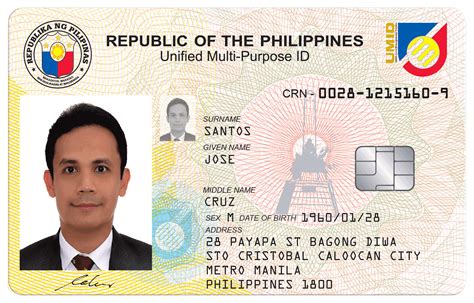
An original identity document is the first and official version issued directly by a government or authorized entity. These documents are designed with security features to prevent forgery and ensure their authenticity. Common examples include:
- Passport
- Birth Certificate
- Driver’s License
- National ID Card
- Social Security Card
- Military ID
Key Characteristics of Original Documents:
- Security Features: Original documents often include watermarks, holograms, seals, QR codes, or embedded chips to verify authenticity.
- Legality: They hold full legal validity and are accepted universally for identification and verification purposes.
- Physical Attributes: Originals contain original photographs, signatures, and other unique identifiers that cannot be replicated accurately in copies.
Certified Copy of an Identity Document
A certified copy is a duplicate of the original document that has been authenticated by an authorized official or entity, such as a notary public, government office, or issuing agency. This certification ensures that the copy is a true and accurate reproduction of the original.
Key Characteristics of Certified Copies:
- Endorsement: Certified copies are typically stamped, signed, or sealed by the certifying authority to indicate their authenticity.
- Legally Equivalent: They are generally accepted in legal, administrative, and official contexts as valid proof of identity without the need for the original document.
- Purpose: Used when submitting documents to institutions or agencies that require proof of identity but prefer not to handle original documents to avoid loss or damage.
When is an Original Copy Required?
Understanding when an original copy is necessary is essential to ensure compliance with legal and administrative requirements without compromising the safety of original documents.
Legal Proceedings
In legal settings, courts and legal entities often require original documents or certified copies to authenticate evidence and verify identities. Using certified copies helps in maintaining the integrity of the original documents while providing the necessary proof.
Immigration Processes
Immigration agencies, such as the Internal Revenue Service (IRS) or immigration offices, typically accept certified copies of identity documents for applications. This ensures that the documents provided are legitimate without risking the loss or damage of the originals.
Real ID Applications
When applying for a Real ID, certified copies of birth certificates or other identity documents are generally required. This process ensures that only verified and authentic documents are used for official identification purposes.
Advantages of Using Certified Copies
Certified copies offer several benefits over submitting original documents, enhancing both security and convenience.
Preservation of Original Documents
Submitting a certified copy instead of the original helps protect the original document from loss, damage, or unauthorized use. This is particularly important for valuable or irreplaceable documents like birth certificates or passports.
Verification and Trust
Certified copies are trusted by institutions because they are verified by authorized entities. This authentication process ensures that the copy is a true representation of the original, providing reliable proof of identity.
Convenience and Efficiency
Institutions often prefer certified copies as they can handle these documents without the risk associated with handling originals. This streamlines processes such as application submissions, reducing the need for applicants to carry multiple original documents.
How to Obtain a Certified Copy
Obtaining a certified copy involves a specific process to ensure the authenticity and validity of the duplicate document.
Steps to Get a Certified Copy
- Locate the Original Document: Before requesting a certified copy, ensure you have the original document available for verification.
- Visit an Authorized Entity: Take the original document to a notary public, government office, or the issuing agency responsible for the document.
- Verification Process: The authorized person will compare the original with the copy to confirm its accuracy.
- Certification: Upon verification, the authorized entity will stamp, sign, or seal the copy to certify it as a true and accurate reproduction of the original.
Authorized Entities for Certification
- Notary Public
- Government Offices (e.g., Department of Motor Vehicles)
- Issuing Agencies (e.g., Passport Office)
Differences Between Certified Copies and Photocopies
It is essential to understand the distinction between certified copies and regular photocopies to ensure compliance with requirements.
Certified Copies
- Authenticated by an authorized entity.
- Legally recognized as equivalents to originals.
- Contain official stamps, seals, or signatures verifying authenticity.
- Used for legal, administrative, and official purposes.
Photocopies
- Simple duplicates made using photocopying machines or scanners.
- Do not carry any form of official authentication.
- Not legally recognized as equivalents to originals.
- Generally used for personal reference or informal purposes.
Important Note: While photocopies are useful for personal records, they are not acceptable for official submissions where certified copies are required.
Legal and Administrative Importance
Certified copies play a pivotal role in various legal and administrative contexts, ensuring that transactions and verifications are conducted securely and efficiently.
Legal Transactions
In legal transactions, such as property transfers, court cases, and contract signings, certified copies of identity documents provide reliable proof of identity without exposing the originals to potential loss or misuse.
Immigration and Employment
For immigration applications and employment verifications, certified copies of identity documents are essential. They help verify the applicant's identity and eligibility without demanding the surrender of original documents, which are often required to be kept safe by individuals.
Financial Transactions
Financial institutions require certified copies of identity documents to comply with Know Your Customer (KYC) regulations. This ensures that banks and financial services are dealing with legitimate and verified individuals.
Security Measures in Original Documents
Original identity documents are equipped with various security features to prevent forgery and unauthorized duplication. These measures ensure that the documents remain reliable and trustworthy for verification purposes.
Watermarks and Holograms
Watermarks and holograms are embedded within the paper or surface of the document, making it difficult to replicate without specialized equipment. These features are visible when held up to light and serve as a deterrent against forgery.
Seals and Stamps
Official seals and stamps are applied by authorized entities to authenticate the document. These marks are unique and are not easily transferable or replicable, ensuring the document's legitimacy.
Embedded Technology
Modern identity documents may include embedded technologies such as QR codes, RFID chips, or biometric data. These technologies enhance security by providing multiple layers of verification that can be cross-checked electronically.
Best Practices for Handling Original and Certified Copies
Proper handling and storage of original and certified copies of identity documents are crucial to maintaining their integrity and preventing misuse.
Storage Tips
- Secure Storage: Keep original documents in a safe, locked place such as a home safe or a bank safety deposit box.
- Limited Access: Restrict access to original documents to prevent unauthorized handling or theft.
- Digital Backups: Create digital copies of certified documents and store them securely using encryption to safeguard against physical loss.
Usage Guidelines
-
Avoid Unnecessary Submission: Only submit certified copies when required to minimize the risk of losing original documents.
-
Verify Requirements: Always confirm whether a certified copy or an original document is needed for specific applications to avoid unnecessary exposure of original documents.
-
Regular Updates: Keep track of the expiration dates of identity documents and renew them as necessary to ensure that certified copies remain valid.
Common Misconceptions
There are several misconceptions surrounding original copies of identity documents that can lead to confusion and potential issues during submissions.
"Original Copy" Means Photocopy
One common misunderstanding is that an "original copy" refers to a simple photocopy of the document. In reality, an original copy either refers to the genuine document itself or a certified copy that has been legally authenticated.
Certified Copy is Not an Original
Another misconception is equating a certified copy with the original. While certified copies carry the same legal weight for verification purposes, they are not the actual original documents. It is important to distinguish between the two to maintain the integrity of the originals.
Certified Copies are Universally Accepted
While certified copies are widely accepted, some institutions or specific processes may still require the original document. Always verify the requirements of the receiving entity before submission.
Technological Advancements and Digital Certifications
With the advent of digital technologies, the process of certifying and verifying identity documents has evolved, offering enhanced security and convenience.
Digital Certified Copies
Digital certified copies involve electronic verification and certification processes. They offer the advantage of being easily shareable and reducing the risk associated with physical document handling.
Blockchain for Verification
Some authorities are exploring blockchain technology to secure the issuance and verification of identity documents. Blockchain provides a tamper-proof ledger that enhances the security and trustworthiness of certified copies.
Online Certification Services
Many government and private entities now offer online services to obtain certified copies. These platforms streamline the certification process, making it more accessible and efficient for individuals.
Global Perspectives on Original Copies
The concept of original copies and the requirements for certification can vary across different countries and jurisdictions. Understanding these differences is essential for international transactions and compliance.
United States
In the U.S., certified copies of identity documents such as birth certificates are often required for legal and administrative purposes. Agencies typically require certification by state authorities or authorized entities.
European Union
EU countries have standardized procedures for certifying identity documents, often involving apostilles or other forms of international certification to ensure validity across member states.
Australia
Australians obtaining certified copies must often go through specific government agencies that handle document certification, ensuring compliance with national standards for identity verification.
Asia
In many Asian countries, the process for obtaining certified copies involves local notaries and government offices, with stringent security measures to prevent document fraud.
Conclusion
Understanding the distinction between original and certified copies of identity documents is crucial for navigating legal, administrative, and personal processes effectively. Certified copies offer a secure and convenient alternative to handling original documents, ensuring that individuals can provide necessary proof of identity without risking the loss or damage of valuable documents. By following best practices in obtaining and handling certified copies, and being aware of the differences between various types of document copies, individuals can ensure compliance with requirements and protect their personal information.
References
Last updated January 18, 2025