
Understanding Paris: The Heartbeat of France
Unraveling the Significance and Role of Paris in France
Key Takeaways
- Paris is the capital and most populous city of France, serving as its political, economic, and cultural hub.
- The city is renowned globally for its historical landmarks, art, fashion, and influential institutions.
- Understanding Paris's role provides deeper insights into France's national identity and global influence.
Introduction to Paris
Paris, often referred to as the "City of Light" (Ville Lumière), is not only the capital city of France but also one of the most iconic and influential cities in the world. Situated along the Seine River in the north-central part of the country, Paris has been a center of art, fashion, gastronomy, and culture for centuries. Its strategic location and historical significance have cemented its status as the political, economic, and cultural heart of France.
Historical Significance of Paris
Early History and Foundation
The history of Paris stretches back over two millennia. Originally settled by a Celtic tribe called the Parisii around the 3rd century BC, the city was conquered by the Romans in 52 BC and named Lutetia. Over the centuries, Lutetia evolved into Paris, becoming a significant center in medieval Europe.
Paris During the Middle Ages
During the Middle Ages, Paris became a prominent educational center with the establishment of the University of Paris in the 12th century. The city also played a crucial role during the Hundred Years' War and witnessed significant events like the Black Death and numerous political upheavals.
Modern Era and Industrialization
The 19th century marked a transformative period for Paris under the leadership of Baron Georges-Eugène Haussmann. The city's infrastructure was overhauled with wide boulevards, parks, and modern sewage systems, reshaping Paris into the cityscape recognized today. Industrialization further boosted Paris's economic and cultural prominence.
Paris as the Capital of France
As the capital of France, Paris holds paramount importance in the nation's governance and administration. The city is the seat of the French government, housing the President's official residence at the Élysée Palace, the National Assembly, and the Senate. This centralization of political power underscores Paris's role in shaping national policies and decisions.
Economic Hub
Paris is a major global economic center, contributing significantly to France's GDP. The city hosts the headquarters of numerous multinational corporations, financial institutions, and international organizations. La Défense, one of the world's largest purpose-built business districts, exemplifies Paris's economic vitality.
Cultural Epicenter
Beyond its political and economic roles, Paris is a beacon of culture and the arts. It boasts an impressive array of museums, theaters, galleries, and historic sites. Institutions like the Louvre Museum, Musée d'Orsay, and the Opéra Garnier attract millions of visitors annually, further cementing Paris's cultural legacy.
Iconic Landmarks of Paris
Eiffel Tower
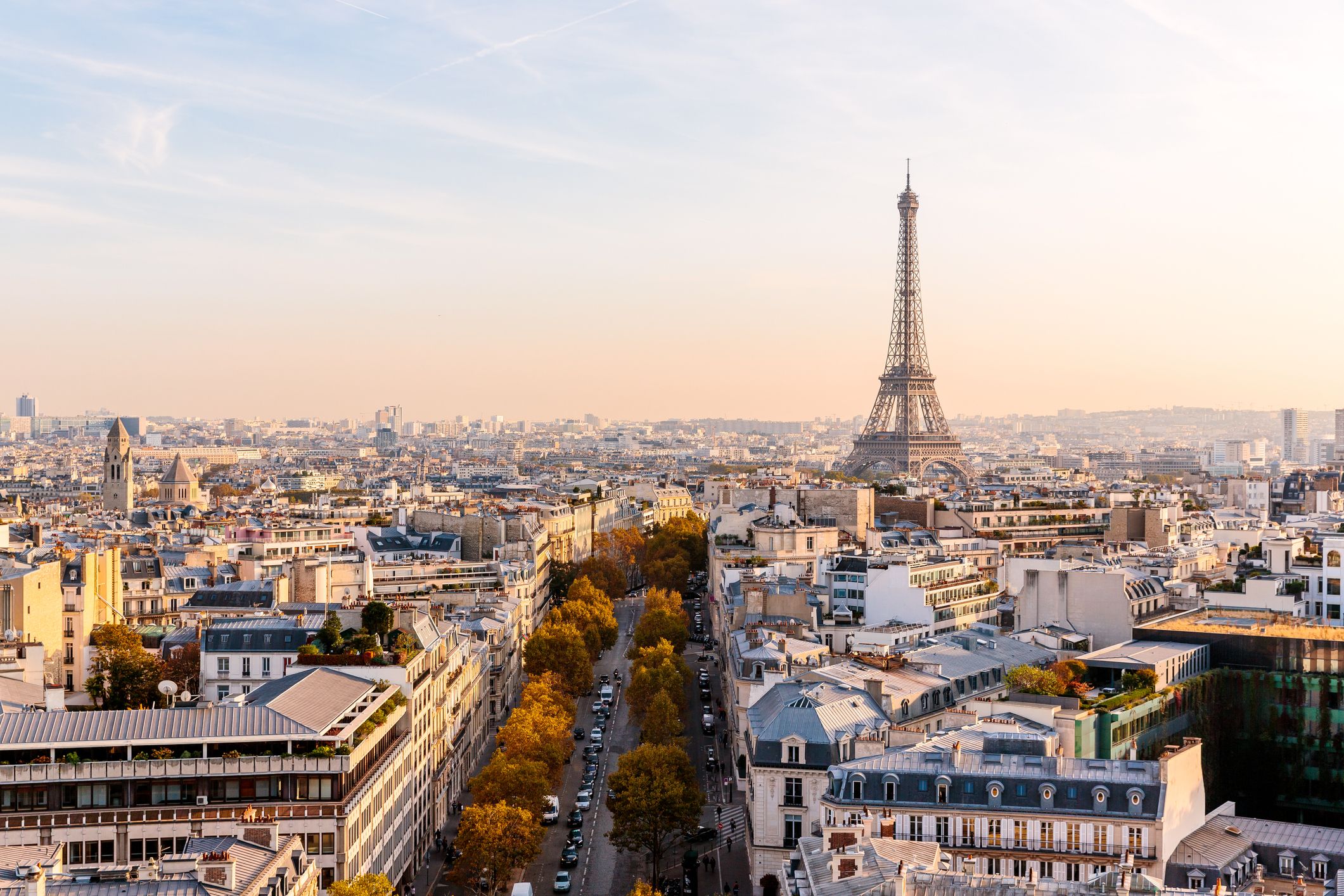
The Eiffel Tower, designed by Gustave Eiffel and completed in 1889, is arguably Paris's most recognized landmark. Standing at 324 meters, it symbolizes France's engineering prowess and is a cornerstone of the city's skyline.
Louvre Museum
The Louvre is the world's largest art museum and a historic monument in Paris. Home to thousands of works, including the Mona Lisa and the Venus de Milo, the Louvre is a testament to Paris's enduring dedication to art and culture.
Notre-Dame Cathedral
Notre-Dame Cathedral, a masterpiece of Gothic architecture, has been a central figure in Parisian religious and cultural life since its completion in the 14th century. Despite the tragic fire in 2019, efforts to restore this iconic structure continue, reflecting its significance to the city's heritage.
Champs-Élysées and Arc de Triomphe
The Champs-Élysées is one of the most famous avenues in the world, known for its theaters, shops, and cafes. At its western end stands the Arc de Triomphe, commissioned by Napoleon to honor those who fought and died for France in the French Revolutionary and Napoleonic Wars.
Cultural Influence and Contributions
Art and Literature
Paris has been a hub for artists, writers, and intellectuals for centuries. The city fostered movements like Impressionism and Surrealism, with artists like Claude Monet, Pablo Picasso, and Salvador Dalí leaving indelible marks on the art world. Literary giants such as Victor Hugo, Ernest Hemingway, and James Joyce have also called Paris home, contributing to its rich literary tapestry.
Fashion and Design
As a global fashion capital, Paris hosts prestigious events like Paris Fashion Week, showcasing the latest trends and designs from world-renowned designers. Iconic fashion houses such as Chanel, Dior, and Louis Vuitton are based in the city, influencing global fashion standards and styles.
Cuisine and Gastronomy
Parisian cuisine is celebrated worldwide, characterized by its elegance and diversity. The city boasts numerous Michelin-starred restaurants, charming cafes, and vibrant food markets, offering everything from haute cuisine to traditional French delicacies.
Administrative and Political Structure
Arrondissements
Paris is divided into 20 administrative districts known as arrondissements. Each arrondissement has its own unique character and attractions, contributing to the city's diverse and multifaceted identity. The numbering of arrondissements starts from the center of the city, spiraling outward in a clockwise direction.
Local Governance
The city's governance is managed by the Mayor of Paris, who oversees the municipal administration. The city council, composed of representatives from each arrondissement, collaborates to address local issues, urban planning, and public services, ensuring the smooth functioning of one of Europe's most bustling metropolises.
Economic Landscape of Paris
Financial Services
Paris is a powerhouse in the financial sector, hosting the Paris Stock Exchange, also known as Euronext Paris, which is one of the largest stock exchanges in Europe. The city attracts significant investments and is a central node for banking and financial services.
Technology and Innovation
In recent years, Paris has emerged as a hub for technology and innovation. The city supports a vibrant startup ecosystem, with numerous incubators, accelerators, and co-working spaces fostering entrepreneurship and technological advancements.
Tourism
Tourism is a vital component of Paris's economy. The city welcomes millions of visitors each year who come to explore its landmarks, museums, and cultural events. The tourism sector supports a wide range of businesses, from hospitality to retail, contributing significantly to the local economy.
Educational Institutions and Research
University of Paris
The University of Paris, one of the oldest and most prestigious universities in the world, plays a pivotal role in the city's educational landscape. It fosters academic excellence and research across various disciplines, attracting students and scholars from around the globe.
Research Centers and Innovation Hubs
Paris is home to numerous research institutions and innovation hubs that drive scientific and technological progress. These centers collaborate with industries and government bodies to advance knowledge and address global challenges.
Transportation and Infrastructure
Public Transportation
Paris boasts an extensive public transportation network, including the Metro, RER suburban trains, buses, and trams. The Paris Metro, renowned for its density and efficiency, is one of the oldest subway systems in the world, facilitating seamless mobility across the city.
Airports and Connectivity
The city is served by two major international airports: Charles de Gaulle Airport and Orly Airport. These hubs provide connectivity to destinations worldwide, making Paris a pivotal gateway for international travel and commerce.
Sustainable Initiatives
In response to environmental concerns, Paris has initiated various sustainable transportation projects. These include expanding cycling infrastructure, promoting electric vehicles, and enhancing pedestrian-friendly zones to reduce the city's carbon footprint.
Social and Demographic Aspects
Population and Diversity
With a population exceeding 2 million in the city proper and over 12 million in the metropolitan area, Paris is one of Europe's most populous cities. Its diverse population reflects a rich tapestry of cultures, languages, and traditions, contributing to the city's dynamic social fabric.
Quality of Life
Paris consistently ranks high in global quality of life indices, thanks to its excellent healthcare, education, and public services. The city's vibrant cultural scene, green spaces, and culinary excellence further enhance the living experience for its residents.
Challenges and Future Prospects
Urbanization and Housing
Like many major cities, Paris faces challenges related to urbanization, including housing shortages and high property prices. Efforts are underway to develop affordable housing projects and optimize urban planning to accommodate the growing population.
Environmental Sustainability
Paris is committed to sustainability, with initiatives aimed at reducing greenhouse gas emissions, enhancing green spaces, and promoting renewable energy sources. The city hosted the historic COP21 climate conference in 2015, leading to the Paris Agreement, a landmark international accord on climate change.
Technological Advancement
Embracing the digital age, Paris is investing in smart city technologies to improve urban management, enhance public services, and foster innovation. These advancements aim to make the city more efficient, interconnected, and responsive to the needs of its inhabitants.
Conclusion
Paris stands as the beating heart of France, embodying the nation's spirit, culture, and aspirations. As a global metropolis, it continues to influence and be influenced by international trends, maintaining its status as a pivotal center for politics, economy, and culture. Understanding Paris's multifaceted role provides valuable insights into France's national identity and its position on the world stage.
References
Last updated January 25, 2025