
Unmasking Psychopathy: Beyond the Stereotypes
Delving into the complex traits, assessment, and realities of a misunderstood personality construct.
Highlights
- Psychopathy is characterized by a distinct cluster of traits including superficial charm, manipulativeness, lack of empathy and remorse, impulsivity, and antisocial behaviors.
- While not a formal diagnosis in the DSM-5, psychopathy is closely related to Antisocial Personality Disorder (ASPD), often considered a more severe variant focusing on interpersonal and affective deficits.
- Assessment relies heavily on tools like the Psychopathy Checklist-Revised (PCL-R), which evaluates specific traits and behaviors based on interviews and record reviews.
Defining Psychopathy: A Complex Picture
What Does "Psychopath" Really Mean?
The term "psychopath" frequently appears in popular culture, often depicting cold, calculating villains. However, in psychological and psychiatric contexts, psychopathy refers to a specific personality construct characterized by a unique combination of interpersonal, affective (emotional), lifestyle, and antisocial traits and behaviors. It's crucial to understand that psychopathy is not a formal clinical diagnosis listed in the current Diagnostic and Statistical Manual of Mental Disorders (DSM-5). Instead, it's considered a dimensional construct, closely associated with, and often viewed as a severe subtype of, Antisocial Personality Disorder (ASPD).
ASPD is the formal diagnosis, focusing primarily on observable antisocial behaviors like disregard for laws and social norms, deceitfulness, impulsivity, and aggression, beginning in childhood or early adolescence (often manifesting as Conduct Disorder). Psychopathy overlaps significantly with ASPD but places greater emphasis on the underlying personality traits, particularly the emotional and interpersonal deficits, such as profound lack of empathy, shallow emotions, manipulativeness, and grandiosity.
Key Characteristics: The Psychopathic Profile
Individuals high in psychopathic traits exhibit a distinct pattern of behavior and personality. These traits can be broadly categorized:
Interpersonal Traits
- Glibness and Superficial Charm: Often appear engaging, personable, and smooth-talking, but this charm lacks depth and sincerity. They can adeptly mimic social cues to gain trust.
- Grandiose Sense of Self-Worth: Possess an inflated view of their own abilities and importance, feeling entitled and superior to others.
- Pathological Lying: Lie frequently and effortlessly, often without a clear motive, sometimes simply for the enjoyment of deception or manipulation.
- Cunning and Manipulative: Skillfully exploit others' weaknesses for personal gain (e.g., money, sex, power), often using charm, deceit, or coercion.
Affective (Emotional) Traits
- Lack of Remorse or Guilt: Show little or no concern for the negative consequences of their actions on others, even if significant harm is caused. They may rationalize their behavior or blame victims.
- Shallow Affect: Experience a limited range or depth of emotions. Their emotional expressions often seem insincere or theatrical, used primarily for manipulation.
- Callousness and Lack of Empathy: Profound inability to understand or share the feelings of others. They view people as objects to be used rather than individuals with feelings.
- Failure to Accept Responsibility: Consistently deny responsibility for their actions, blaming others or circumstances.
Lifestyle Traits
- Need for Stimulation/Proneness to Boredom: Crave excitement and novelty, leading to risk-taking behaviors and difficulty tolerating routine or monotony.
- Parasitic Lifestyle: Financially dependent on others through manipulation or coercion, avoiding gainful employment or responsibility.
- Lack of Realistic, Long-Term Goals: May articulate ambitious goals but lack the planning, discipline, or consistency to achieve them. Plans are often impractical or abandoned.
- Impulsivity: Act on whims without considering potential consequences, leading to instability in jobs, relationships, and finances.
- Irresponsibility: Repeated failure to fulfill obligations and commitments (e.g., work, financial debts, parenting).
Antisocial Traits
- Poor Behavioral Controls: Low tolerance for frustration, resulting in irritability, impatience, and verbal or physical aggression. Outbursts may seem disproportionate to the situation.
- Early Behavioral Problems: History of significant behavioral issues before age 12-15 (consistent with Conduct Disorder), such as lying, theft, truancy, vandalism, or cruelty.
- Juvenile Delinquency: Official history of criminal behavior as an adolescent.
- Revocation of Conditional Release: Failure to comply with terms of probation or parole, often leading to re-incarceration.
- Criminal Versatility: Tendency to engage in various types of criminal activities rather than specializing in one.
- Promiscuous Sexual Behavior: Numerous brief, superficial sexual relationships, often impersonal or exploitative.
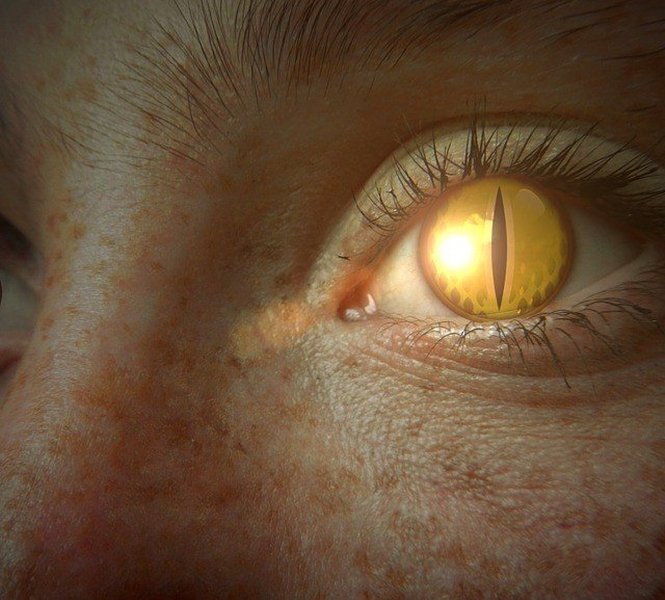
The concept of "psychopath eyes" often refers to an intense, predatory stare or unusually dilated pupils, but scientific evidence linking specific eye characteristics directly to psychopathy is limited and often anecdotal.
Assessing Psychopathy
The Psychopathy Checklist-Revised (PCL-R)
The most widely recognized and utilized instrument for assessing psychopathy in clinical and forensic settings is the Psychopathy Checklist-Revised (PCL-R), developed by Dr. Robert Hare. It's not a self-report questionnaire but an assessment completed by a trained professional based on a semi-structured interview with the individual and a thorough review of collateral information (e.g., official records, interviews with family/friends).
The PCL-R consists of 20 items, each rated on a 3-point scale (0 = item does not apply, 1 = item applies somewhat, 2 = item definitely applies). The total score ranges from 0 to 40. A score of 30 or higher in North America (and 25 or higher in the UK and some other parts of Europe) is generally used as the threshold to designate someone as high in psychopathic traits, often referred to colloquially as a "psychopath."
The PCL-R items are often grouped into two main factors (though four facets are also described):
- Factor 1: Interpersonal/Affective: Captures the personality traits related to emotional detachment and interpersonal style (e.g., superficial charm, grandiosity, manipulativeness, lack of empathy/remorse).
- Factor 2: Lifestyle/Antisocial: Reflects the socially deviant lifestyle and behavioral aspects (e.g., impulsivity, irresponsibility, poor behavioral controls, early behavior problems, criminal versatility).
Versions for younger populations (PCL:YV for youth) and screening purposes (PCL:SV) also exist.
Visualizing Psychopathy Assessment Factors
The following chart provides a hypothetical visualization of how different profiles might score across the broad factors assessed by tools like the PCL-R. It compares a profile high in psychopathy against a profile primarily showing ASPD traits without pronounced psychopathic personality features, and a baseline representing the general population average. This is illustrative and not based on specific individual data.
Summary of PCL-R Assessed Traits
This table summarizes the core traits evaluated by the PCL-R, grouped by the two primary factors:
| Factor | Trait Category | Description |
|---|---|---|
| Factor 1 | Interpersonal | Glibness/Superficial Charm, Grandiose Sense of Self-Worth, Pathological Lying, Cunning/Manipulative |
| Factor 1 | Affective | Lack of Remorse or Guilt, Shallow Affect, Callous/Lack of Empathy, Failure to Accept Responsibility for Own Actions |
| Factor 2 | Lifestyle | Need for Stimulation/Proneness to Boredom, Parasitic Lifestyle, Lack of Realistic Long-Term Goals, Impulsivity, Irresponsibility |
| Factor 2 | Antisocial | Poor Behavioral Controls, Early Behavior Problems, Juvenile Delinquency, Revocation of Conditional Release, Criminal Versatility |
| Other Items | (Not assigned to factors) | Promiscuous Sexual Behavior, Many Short-Term Marital Relationships |
Understanding the Nuances
Psychopathy vs. Sociopathy
The terms "psychopath" and "sociopath" are often used interchangeably in popular discussion. While some researchers and clinicians propose distinctions—suggesting psychopaths are more genetically predisposed, calculating, and controlled, while sociopaths are more shaped by environment, erratic, and prone to outbursts—these are not formally recognized clinical distinctions. Both terms generally refer to patterns of behavior and personality captured under the umbrella of ASPD, with psychopathy often highlighting the core personality deficits more strongly.
Psychopathy vs. Antisocial Personality Disorder (ASPD)
As mentioned, psychopathy and ASPD are related but not identical concepts. ASPD is the official diagnosis defined by persistent antisocial behaviors. Psychopathy includes these behaviors but adds a crucial layer of specific personality traits, particularly the affective deficits (lack of empathy, guilt) and interpersonal style (charm, manipulation). Many individuals diagnosed with ASPD will score highly on PCL-R Factor 2 (antisocial/lifestyle) but not necessarily on Factor 1 (interpersonal/affective). Those who score highly on both factors represent the profile typically labeled as psychopathy. It's estimated that while a significant portion of prison populations meet criteria for ASPD, a smaller subset meets the criteria for psychopathy.
The Spectrum of Psychopathy: Beyond Criminality
It's a common misconception that all individuals with psychopathic traits are violent criminals. While psychopathy is strongly associated with increased risk for violence and recidivism, these traits exist on a spectrum. Some individuals with significant psychopathic traits may not engage in overtly criminal behavior but can still cause considerable harm in interpersonal relationships, workplaces, or financial dealings through manipulation, deceit, and exploitation. These individuals are sometimes referred to as "successful" or "high-functioning" psychopaths, potentially leveraging traits like charm, confidence, ruthlessness, and focus in competitive environments like business or politics. However, their underlying lack of empathy and tendency towards exploitation often lead to negative outcomes for those around them.
Origins and Development
Early Signs and Childhood
Psychopathic traits typically have developmental roots extending back into childhood and adolescence. Many individuals who score high on psychopathy measures as adults showed signs of significant behavioral problems early in life, often meeting criteria for Conduct Disorder. These early signs can include:
- Persistent lying and deceitfulness
- Theft
- Aggression towards people or animals (bullying, cruelty)
- Destruction of property
- Serious violation of rules (e.g., truancy, running away)
- Lack of guilt or remorse for misbehavior
- Superficial charm used to manipulate peers or adults
Not every child with conduct problems develops psychopathy, but a persistent pattern of callous-unemotional (CU) traits alongside severe conduct problems is considered a significant risk factor.
Contributing Factors: Nature and Nurture
The development of psychopathy is believed to result from a complex interplay of genetic, neurological, and environmental factors.
- Genetic Predisposition: Research suggests a heritable component to psychopathic traits, particularly the affective and interpersonal deficits (Factor 1).
- Neurological Differences: Studies indicate potential structural and functional abnormalities in brain regions associated with emotion processing (e.g., amygdala), decision-making, impulse control (e.g., prefrontal cortex), and empathy.
- Environmental Influences: Adverse experiences such as childhood abuse, neglect, inconsistent parenting, exposure to violence, or socioeconomic disadvantage can interact with genetic vulnerabilities to shape the expression of psychopathic traits, particularly the antisocial behaviors (Factor 2).
Mapping the Landscape of Psychopathy
This mindmap illustrates the interconnectedness of core traits, contributing factors, and behavioral outcomes associated with psychopathy.
(Factor 1)"] id1a1["Superficial Charm"] id1a2["Grandiosity"] id1a3["Pathological Lying"] id1a4["Manipulation"] id1b["Affective
(Factor 1)"] id1b1["Lack of Remorse/Guilt"] id1b2["Shallow Affect"] id1b3["Lack of Empathy/Callousness"] id1b4["Failure to Accept Responsibility"] id1c["Lifestyle
(Factor 2)"] id1c1["Need for Stimulation"] id1c2["Parasitic Lifestyle"] id1c3["Impulsivity"] id1c4["Irresponsibility"] id1d["Antisocial
(Factor 2)"] id1d1["Poor Behavioral Control"] id1d2["Early Behavior Problems"] id1d3["Juvenile Delinquency"] id1d4["Criminal Versatility"] id2["Contributing Factors"] id2a["Genetic Predisposition"] id2b["Neurological Differences"] id2b1["Amygdala Function"] id2b2["Prefrontal Cortex Function"] id2c["Environmental Influences"] id2c1["Adverse Childhood Experiences"] id2c2["Parenting Styles"] id2c3["Socioeconomic Factors"] id3["Related Concepts"] id3a["Antisocial Personality Disorder (ASPD)"] id3b["Conduct Disorder (Childhood)"] id3c["Narcissistic Traits"] id4["Assessment"] id4a["PCL-R (Psychopathy Checklist-Revised)"] id5["Outcomes & Challenges"] id5a["High Recidivism Risk"] id5b["Treatment Resistance"] id5c["Interpersonal Harm"] id5d["Substance Abuse Comorbidity"]
Treatment Challenges and Outlook
Treating individuals high in psychopathic traits presents significant challenges. Traditional psychotherapies often rely on the client's capacity for empathy, remorse, self-reflection, and motivation to change—qualities inherently lacking or deficient in psychopathy. Their manipulative tendencies can also lead them to feign progress or undermine the therapeutic process.
Some research suggests that certain structured, cognitive-behavioral programs focusing on managing behavior, understanding consequences, and developing pro-social skills might have limited success, particularly if implemented early in life or in controlled settings like forensic institutions. However, optimism regarding fundamental change in core affective and interpersonal traits remains low. Psychopathy is generally considered a stable, persistent personality pattern, and individuals high in these traits exhibit significantly higher rates of treatment non-compliance, dropout, and violent reoffending compared to other offenders.
This video provides further insights into understanding psychopathic traits, the Hare Psychopathy Checklist, and comparisons with related concepts like Antisocial Personality Disorder.
Frequently Asked Questions (FAQ)
Is psychopathy the same as being psychotic?
No, they are very different. Psychopathy is a personality construct characterized by traits like lack of empathy, manipulativeness, and antisocial behavior. Individuals with psychopathy are typically in touch with reality. Psychosis, on the other hand, involves a break from reality, characterized by symptoms like hallucinations (seeing or hearing things that aren't there) and delusions (fixed false beliefs). Psychosis is associated with conditions like schizophrenia or severe bipolar disorder.
Can psychopaths feel emotions like fear or love?
Research suggests that individuals high in psychopathy experience a significantly reduced range and depth of emotions, particularly "self-conscious" emotions like guilt, remorse, and empathy. They may also show a diminished fear response. While they might understand emotions intellectually and mimic them effectively for manipulation, their capacity for genuine emotional connection, deep affection (like love), or profound sadness appears limited. They may experience basic emotions like anger, frustration, or excitement, often linked to immediate gratification or thwarted goals.
Are all people with psychopathic traits criminals?
No. While psychopathy is strongly linked to criminal behavior and high rates of recidivism, not everyone with psychopathic traits engages in illegal activities or violence. Some individuals may exhibit these traits in non-criminal contexts, sometimes referred to as "successful" or "subclinical" psychopathy. They might use traits like charm, manipulation, and risk-taking in corporate, political, or other high-stakes environments. However, even without breaking the law, their lack of empathy and exploitative nature often cause significant harm in their personal and professional relationships.
Can psychopathy be cured or treated?
Psychopathy is generally considered highly resistant to treatment. The core personality traits (lack of empathy, shallow affect, manipulativeness) are deeply ingrained and stable. Individuals high in psychopathy often lack the motivation for genuine change and may see therapy as an opportunity to learn new manipulation techniques. While some behavioral management programs might reduce antisocial behaviors or recidivism to a limited extent, especially if started early, a "cure" in the sense of fundamentally altering the core personality structure is currently viewed as unlikely by most experts.
Recommended
- What is the difference between psychopathy and antisocial personality disorder?
- How is psychopathy assessed using the PCL-R?
- Can psychopathic traits be identified in childhood?
- Are there successful psychopaths in society?
References
Last updated April 30, 2025