
Understanding Relational Indigenous Intelligence: Where Ancient Wisdom Meets Modern Knowledge
Exploring the interconnected worldview at the heart of Indigenous knowledge systems and why it matters in our interconnected world
Key Insights About Relational Indigenous Intelligence
- Holistic Interconnectedness: At its core, relational indigenous intelligence recognizes that all beings, elements, and systems exist within a web of relationships rather than as isolated entities.
- Knowledge as Collective: Unlike Western epistemologies that often emphasize individual knowledge ownership, indigenous relational knowledge is understood as belonging to the collective and shared across generations.
- Value-Centered Approach: This intelligence framework is guided by values such as reciprocity, respect, responsibility, and reverence for all life forms.
The Foundation of Relational Indigenous Intelligence
Relational indigenous intelligence represents a profound epistemological framework rooted in the knowledge systems of Indigenous peoples worldwide. Unlike Western knowledge paradigms that often compartmentalize information and separate the knower from the known, Indigenous relational intelligence emphasizes the interconnectedness of all life forms and the importance of relationships within ecosystems and communities.
This approach to knowledge emerges from a worldview that sees humans not as separate from or dominant over nature, but as integral parts of a complex, interconnected web of relationships. In this paradigm, intelligence is not solely attributed to individual human beings but is instead recognized as a collective and relational property that emerges from interactions between humans, non-human entities, and the environment.
Ontological Foundations of Indigenous Relationality
The relational perspective is grounded in an ontology (understanding of reality) that views the world as a series of interconnected components rather than isolated objects. Within this framework, humans are understood not as separate entities but as beings defined by their relationships with other humans, non-human beings, the land, ancestors, and spiritual forces.
This relational ontology stands in contrast to Western epistemologies that tend to focus on individualism and separation. It offers an alternative way of knowing that is particularly relevant in today's complex, interconnected global challenges that require systems thinking rather than reductionist approaches.
Place-Based Knowledge
Indigenous relational intelligence is deeply tied to specific places and ecosystems. It develops through generations of direct observation and interaction with local environments, resulting in sophisticated knowledge systems that reflect the particularities of specific landscapes while sharing common relational principles.
Intergenerational Knowledge Transfer
A key aspect of relational indigenous intelligence is its transmission across generations through oral traditions, ceremonies, stories, and practical teachings. Decisions are made with consideration for impacts on both future and past generations, embodying a temporal relationality that extends beyond the present moment.
Core Characteristics of Relational Indigenous Intelligence
Relational indigenous intelligence manifests through several interconnected characteristics that distinguish it from other knowledge systems:
This radar chart illustrates the comparative emphasis placed on different dimensions of knowledge within relational indigenous intelligence versus dominant Western knowledge systems. While both contain elements of all these dimensions, indigenous knowledge systems place substantially greater emphasis on interconnectedness, reciprocity, spirituality, and intergenerational aspects.
Reciprocity and Balanced Relationships
Reciprocity stands as a fundamental principle in relational indigenous intelligence. This concept emphasizes that all relationships involve mutual exchange and responsibility. When humans take from the natural world, they must give back through ceremony, stewardship, and respect. This reciprocal relationship ensures balance and sustainability in all interactions.
Holistic Understanding
Indigenous relational intelligence embraces a holistic perspective that refuses to separate knowledge into discrete categories. Instead of compartmentalizing knowledge into silos like "science," "religion," or "art," indigenous knowledge systems integrate practical, spiritual, ecological, and cultural dimensions into a coherent whole. This holistic approach recognizes that complex phenomena cannot be fully understood through reductionist methods alone.
Relational Accountability
Within relational indigenous intelligence frameworks, knowledge comes with responsibility. Those who hold knowledge are accountable to their communities, to non-human relations, to ancestors, and to future generations. This accountability ensures that knowledge is used in ways that benefit the collective rather than serving narrow interests.
Indigenous Relationality: A Framework for Understanding
This mindmap illustrates the multifaceted nature of relational indigenous intelligence, highlighting its foundations, characteristics, values, applications, and methodological approaches. The framework demonstrates how indigenous relationality offers a comprehensive system for understanding and engaging with the world that integrates multiple dimensions of existence.
Applications of Relational Indigenous Intelligence in Contemporary Contexts
Far from being relevant only to traditional contexts, relational indigenous intelligence offers valuable frameworks for addressing contemporary challenges across multiple domains:
| Domain | Applications of Relational Indigenous Intelligence | Examples |
|---|---|---|
| Environmental Management | Traditional Ecological Knowledge (TEK) informs sustainable resource management and conservation strategies | Indigenous fire management practices, sustainable forestry, wildlife conservation |
| Climate Change Response | Intergenerational knowledge of environmental patterns and adaptation strategies | Adaptive agricultural practices, seasonal indicators, weather prediction |
| Education | Relational pedagogies that emphasize experiential learning and interconnectedness | Land-based education, multigenerational teaching, story-based learning |
| Technology Development | Informing more relational and reciprocal approaches to artificial intelligence and other technologies | Indigenous AI protocols, ethical technology frameworks, relational design principles |
| Health and Wellness | Holistic approaches to wellbeing that recognize interconnections between physical, mental, emotional, and spiritual health | Traditional medicine practices, community healing approaches, preventative health strategies |
Two-Eyed Seeing: Integrating Knowledge Systems
A valuable framework for understanding how relational indigenous intelligence can complement Western knowledge systems is "Two-Eyed Seeing" or "Etuapmunk," developed by Mi'kmaq Elder Albert Marshall. This approach advocates for seeing from one eye with the strengths of Indigenous knowledge and from the other eye with the strengths of Western knowledge, using both eyes together for the benefit of all.
This integrative approach does not dilute or appropriate indigenous knowledge but recognizes the distinct contributions of different knowledge systems while acknowledging their potential complementarity. It offers a path forward for addressing complex contemporary challenges that require multiple perspectives and approaches.
Indigenous Knowledge and Technology: Reimagining AI Through Relational Frameworks
The video above explores the intersection of Indigenous Knowledge and artificial intelligence, highlighting how Indigenous relational perspectives can enrich our understanding of AI and create educational opportunities. This intersection is particularly relevant as technologists increasingly recognize the limitations of purely mechanistic approaches to AI development.
Indigenous scholars have pointed out that many AI frameworks are grounded in Western rationalist epistemologies, which can perpetuate systemic biases and overlook relational dimensions of intelligence. By incorporating indigenous relational perspectives, AI developers can create technologies that better respect the web of relationships in which all beings and systems are embedded, potentially leading to more ethical and sustainable technological futures.
Visual Representations of Indigenous Relational Knowledge
Visual imagery helps illustrate the lived experience of relational indigenous intelligence and how it manifests in communities today:
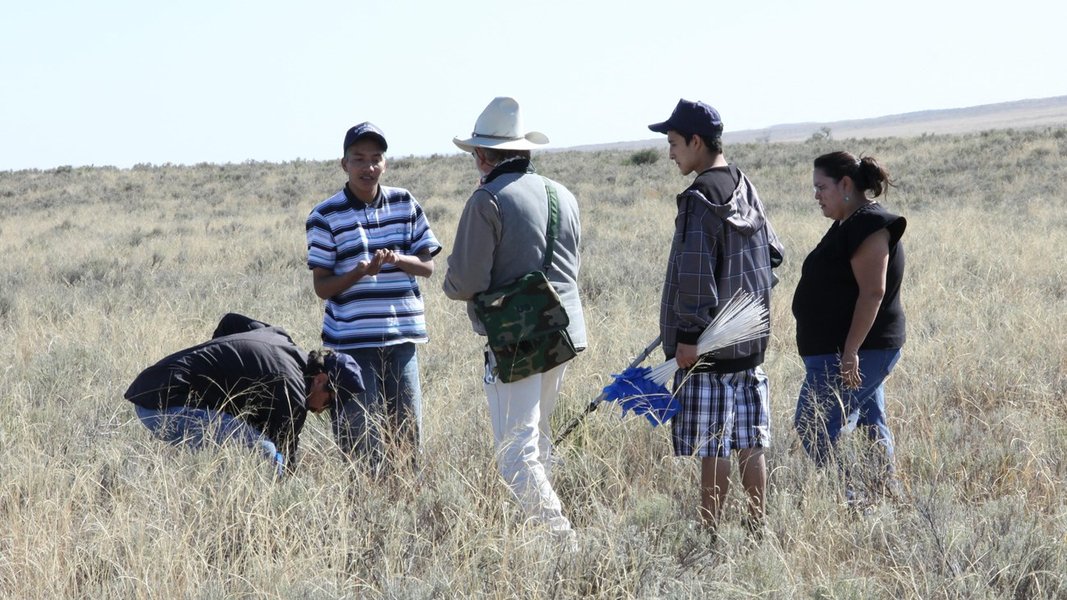
Indigenous Knowledge and Traditional Ecological Knowledge represents generations of observational data and relationship-building with specific ecosystems. This knowledge is crucial for environmental management and conservation efforts.
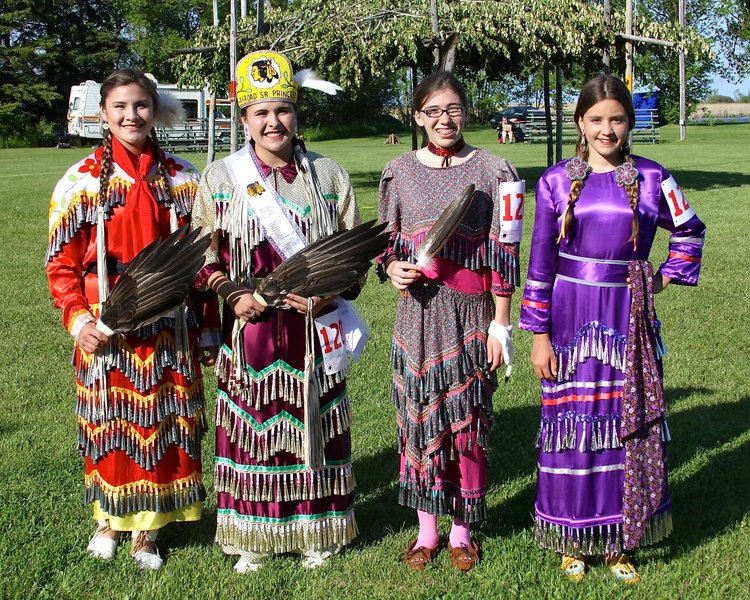
Intergenerational knowledge transmission is central to relational indigenous intelligence. Elders pass down not just information but ways of seeing and being in relationship with the world to younger generations.
Frequently Asked Questions
How does relational indigenous intelligence differ from Western scientific knowledge?
Is relational indigenous intelligence relevant to addressing contemporary global challenges?
How can relational indigenous intelligence inform technology development?
Is relational indigenous intelligence the same across all indigenous cultures?
References
- Artificial Intelligence and Indigenous Perspectives - ACM Digital Library
- Abundant intelligences: placing AI within Indigenous knowledge - AI & Society
- Exploring Indigenous relationality to inform the relational turn in research - Taylor & Francis Online
- Indigenous relationality in informing the development of AI systems - Systemic Practice and Action Research
- Framework for understanding Indigenous relationality - AlterNative: An International Journal of Indigenous Peoples
- TEK and Indigenous Knowledge - University of Minnesota
- Indigenous Knowledge and Traditional Ecological Knowledge - National Park Service
Recommended Explorations
Last updated April 3, 2025