
The Silent Fading: Unraveling the Complex Tapestry of Extinction
Beyond a simple disappearance, extinction is a profound ecological process with far-reaching consequences, now alarmingly accelerated by human influence.
The term "extinction" most prominently refers to the complete disappearance of a species of plants, animals, or other organisms from Earth. This occurs when the last individual of that species dies, leaving no possibility of reproduction and continuation. While extinction is a natural process that has shaped life on our planet for billions of years, the current rate at which species are vanishing is a cause for significant concern, largely driven by human activities. Beyond its primary biological meaning, "extinction" has also been used as a title for creative works, such as the 2018 science fiction film "Extinction" and the 2015 documentary "Racing Extinction," which explores the human impact on biodiversity. However, the core focus of understanding extinction lies in its biological and ecological implications.
Essential Insights into Extinction
- A Natural Process, Accelerated Pace: While extinction has occurred naturally throughout Earth's history (with over 99.9% of all species that ever lived now gone), current extinction rates are estimated to be 1,000 to 10,000 times higher than natural background rates, primarily due to human activities.
- The Sixth Mass Extinction: Many scientists believe we are currently in the midst of a sixth mass extinction event, characterized by a rapid loss of biodiversity driven by human impact, unlike previous mass extinctions caused by catastrophic natural events.
- Humanity's Critical Role: The primary drivers of the current extinction crisis include habitat loss and degradation, climate change, overexploitation of resources, the introduction of invasive species, and pollution.
Defining Extinction: More Than Just Gone
Understanding the Finality of Species Loss
In biology, extinction signifies the termination of a kind of organism or of a group of kinds (taxon), usually a species. The moment of extinction is generally considered to be the death of the last individual of the species, although the capacity to breed and recover may have been lost before this point. Because a species' potential range may be very large, determining this moment is difficult, and is usually done retrospectively. This difficulty leads to phenomena such as Lazarus taxa, where a species presumed extinct abruptly "reappears" (typically in the fossil record) after a period of apparent absence.
Historically, Earth has witnessed five major mass extinction events, where a significant percentage of global biodiversity was wiped out in a relatively short geological timescale. These include the Ordovician-Silurian extinction, the Late Devonian extinction, the Permian-Triassic extinction (the most severe, wiping out about 96% of marine species and 70% of terrestrial vertebrate species), the Triassic-Jurassic extinction, and the Cretaceous-Paleogene extinction (which famously led to the demise of the non-avian dinosaurs around 66 million years ago).

The Dodo bird, extinct since the late 17th century, serves as a powerful symbol of human-induced extinction.
The Current Extinction Crisis
Today, the planet is experiencing an alarming acceleration in extinction rates. Scientists estimate that there are around 8 million species on Earth, and current assessments suggest that approximately 1 million animal and plant species are threatened with extinction, many within decades. This biodiversity loss is not evenly distributed, with certain groups like freshwater mollusks and amphibians facing particularly high risks. For instance, wildlife population sizes reportedly dropped by an average of 68% between 1970 and 2018 according to some reports.
The Human Touch: Primary Causes of Modern Extinctions
Unlike past mass extinctions driven by natural catastrophes, the current crisis is overwhelmingly attributable to human activities. These drivers often interact, compounding their impact on vulnerable species and ecosystems.
Unpacking the Drivers of Species Decline
Habitat Loss and Degradation
This is widely recognized as the single greatest cause of extinctions today. As human populations grow and expand, natural habitats are converted for agriculture, urban development, infrastructure projects (like dams), and resource extraction (like deforestation for timber). This not only destroys the homes of countless species but also fragments remaining habitats into smaller, isolated patches. Fragmentation reduces gene flow between populations, makes them more susceptible to local threats, and can limit access to essential resources.
Climate Change
The rapid alteration of global climate patterns, driven by greenhouse gas emissions, is exerting immense pressure on species worldwide. Rising temperatures, changing precipitation patterns, increased frequency of extreme weather events (droughts, floods, wildfires), and ocean acidification are transforming habitats faster than many species can adapt. Polar species, coral reefs, and mountain ecosystems are particularly vulnerable.

The Golden Toad of Costa Rica, last seen in 1989, is believed to have gone extinct due to a combination of climate change-induced chytridiomycosis, a fungal disease.
Overexploitation
This refers to harvesting species from the wild at rates faster than natural populations can recover. Overhunting (for food, sport, or trade in animal parts), overfishing (driven by unsustainable fishing practices), and excessive logging or plant collection have pushed many species to the brink. The passenger pigeon, once numbering in the billions, was hunted to extinction in the early 20th century, serving as a stark example.
Invasive Species and Disease
When non-native species are introduced into new environments (either intentionally or accidentally by humans), they can have devastating impacts on native flora and fauna. Invasive species may outcompete native organisms for resources, prey upon them directly, or introduce novel diseases to which native species have no immunity. Island ecosystems are often particularly susceptible to invasive species.
Pollution
Chemical pollutants from industrial activities, agriculture (pesticides, herbicides, fertilizers), and urban runoff can contaminate water bodies and soils, directly poisoning wildlife or disrupting their reproductive capabilities and endocrine systems. Plastic pollution poses a significant threat to marine life through ingestion and entanglement. Light and noise pollution can also disrupt natural behaviors.
Genetic Factors and Small Population Dynamics
As populations shrink due to the aforementioned threats, they become more vulnerable to genetic problems. Reduced genetic diversity limits a species' ability to adapt to changing conditions. In small populations, inbreeding can become more common, leading to an increase in harmful genetic traits and reduced reproductive success, creating a downward spiral known as an "extinction vortex."
Visualizing the Impact: Causes of Extinction
The following chart provides a conceptual representation of the relative impact of major drivers of extinction. It's important to note that these factors often overlap and interact, creating complex challenges for conservation. The values are illustrative, representing a general scientific consensus on the significance of these threats.
This chart visually emphasizes that while habitat loss is often considered the leading direct driver, other factors like climate change and overexploitation also play substantial roles in driving species towards extinction. Understanding these multifaceted pressures is crucial for developing effective conservation strategies.
A Web of Interconnections: Understanding Extinction's Complexity
The concept of extinction is not isolated; it's deeply interwoven with various ecological and human factors. The mindmap below illustrates some of these key connections, branching from the central idea of extinction to its primary causes, the far-reaching consequences, and the ongoing efforts aimed at conservation and mitigation.
The Complete Loss of a Species"] id1["Causes"] id1a["Habitat Loss & Degradation
(Deforestation, Urbanization, Agriculture)"] id1b["Climate Change
(Temperature Rise, Extreme Weather)"] id1c["Overexploitation
(Overhunting, Overfishing)"] id1d["Invasive Species & Disease"] id1e["Pollution
(Chemical, Plastic)"] id1f["Genetic Factors
(Small Populations, Inbreeding)"] id2["Consequences"] id2a["Loss of Biodiversity"] id2b["Ecosystem Instability
(Disrupted Food Webs, Nutrient Cycles)"] id2c["Reduced Ecosystem Services
(Pollination, Water Purification, Climate Regulation)"] id2d["Economic Impacts
(Loss of Resources, Ecotourism)"] id2e["Cultural & Ethical Loss"] id2f["Cascading Extinctions"] id3["Types of Extinction"] id3a["Background Extinction
(Natural, Slow Rate)"] id3b["Mass Extinction
(Catastrophic, High Rate)
- Five Historic Events
- Current Sixth Extinction (Anthropogenic)"] id4["Conservation Efforts"] id4a["Protected Areas
(National Parks, Reserves)"] id4b["Species Recovery Programs
(Captive Breeding, Reintroduction)"] id4c["Legislation & Policy
(e.g., Endangered Species Act)"] id4d["Habitat Restoration"] id4e["Combating Illegal Wildlife Trade"] id4f["Public Awareness & Education"] id4g["Addressing Climate Change"] id5["Notable Aspects"] id5a["Lazarus Taxa
(Species rediscovered after presumed extinction)"] id5b["De-extinction
(Potential revival using genetic technology - complex & controversial)"]
This mindmap helps to visualize how various elements contribute to or result from extinction, highlighting the need for a multifaceted approach to address this global crisis.
Echoes of Absence: Recent Examples of Extinction
The ongoing extinction crisis has led to the confirmed loss of numerous species in recent decades. The following table highlights a few examples, showcasing the diversity of life affected and the primary drivers behind their disappearance.
| Species Name (Common & Scientific) | Region | Year Declared Extinct (Approx.) | Primary Causes of Extinction |
|---|---|---|---|
| Pinta Island Tortoise (Chelonoidis abingdonii) | Galápagos Islands, Ecuador | 2012 (death of "Lonesome George") | Introduced species (goats destroying habitat, rats preying on eggs), historical overexploitation by whalers. |
| Chinese Paddlefish (Psephurus gladius) | Yangtze River, China | 2022 (officially declared, likely extinct earlier) | Overfishing, habitat fragmentation (dam construction, notably the Gezhouba and Three Gorges dams), pollution. |
| Golden Toad (Incilius periglenes) | Monteverde, Costa Rica | Considered extinct after last sighting in 1989 (formally declared later) | Climate change (altered moisture and temperature patterns), chytridiomycosis (fungal disease) exacerbated by environmental changes. |
| Baiji / Yangtze River Dolphin (Lipotes vexillifer) | Yangtze River, China | 2006 (declared functionally extinct after intensive surveys failed to find any) | Overfishing (bycatch in fishing gear), pollution, habitat degradation, boat traffic, dam construction. |
| Hawaiian Honeycreepers (e.g., Poʻouli - Melamprosops phaeosoma) | Hawaii, USA | Poʻouli last seen 2004, declared extinct later. Several other species also lost. | Habitat loss (deforestation), invasive species (predators like rats, disease vectors like mosquitoes carrying avian malaria). |
| Freshwater Mussels (various species, e.g., eight species in the southeastern US delisted in 2023) | Southeastern United States | 2023 (delisted from ESA due to extinction) | Habitat loss and degradation from dams, water pollution, sedimentation from agriculture and development. |
| Tasmanian Tiger / Thylacine (Thylacinus cynocephalus) | Tasmania, Australia | 1936 (death of last captive individual, though unconfirmed sightings persist) | Overhunting (bounties), habitat loss, disease. |
This table is not exhaustive but illustrates the global nature of the extinction crisis and the common threads of human-induced pressures leading to the loss of unique species.
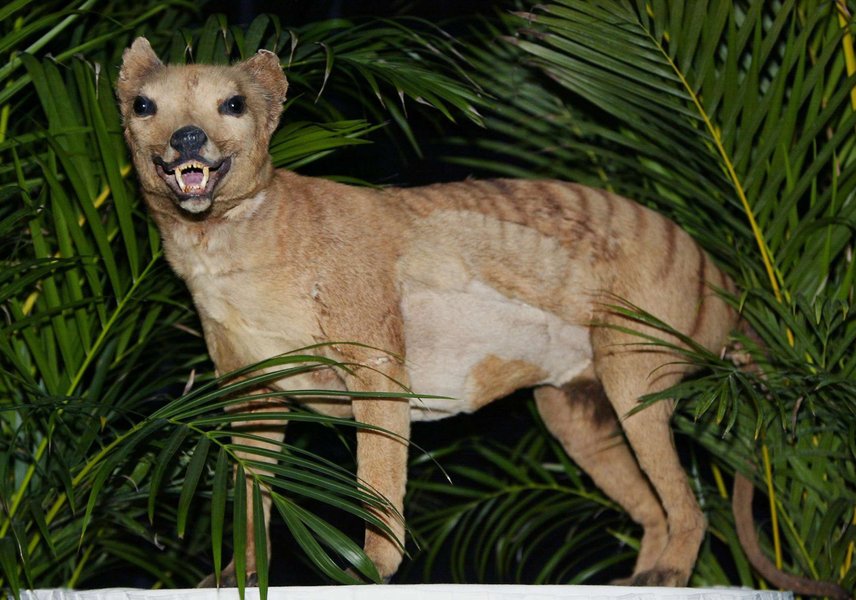
A historical photograph of the Tasmanian Tiger, or Thylacine, which was declared extinct in the 20th century.
Consequences: Ripples Through Ecosystems and Beyond
The extinction of a species is not an isolated event; it triggers a cascade of effects that can destabilize ecosystems and impact human well-being.
The Far-Reaching Impacts of Losing Species
- Reduced Ecosystem Services: Species play vital roles in maintaining services essential for human survival. These include pollination of crops by insects and birds, water purification by wetlands and forests, climate regulation through carbon sequestration, and soil fertility maintained by microorganisms. Extinction diminishes these crucial functions.
- Loss of Genetic Diversity: Each species carries a unique genetic blueprint. Extinction erodes the planet's overall genetic library, reducing nature's ability to adapt to environmental changes, including climate change and new diseases. This loss also means fewer potential resources for medicine, agriculture, and industry.
- Ecosystem Instability and Cascading Extinctions: Ecosystems are complex webs of interactions. The removal of one species, especially a keystone species (one that has a disproportionately large effect on its environment relative to its abundance), can lead to the decline or extinction of other species that depend on it for food, shelter, or other ecological roles. This can unravel food webs and simplify ecosystems, making them less resilient.
- Cultural and Economic Impacts: Many cultures have deep connections to local biodiversity. Extinctions can mean the loss of culturally significant species, traditional knowledge, and spiritual values. Economically, biodiversity loss can affect industries like tourism (loss of iconic wildlife), fisheries, and forestry, and can increase the costs associated with managing degraded ecosystems.
Stemming the Tide: Conservation Efforts
While the picture is dire, numerous efforts are underway globally to protect endangered species and prevent further extinctions. These range from legislative actions to on-the-ground conservation projects.
Strategies to Protect Biodiversity
One of the cornerstone pieces of legislation is the Endangered Species Act (ESA) in the United States, enacted in 1973. The ESA has been credited with preventing the extinction of 99% of the species listed under its protection and has helped recover populations of species like the bald eagle and the American alligator. However, the very fact that species continue to be added to the list, and some are delisted due to confirmed extinction, highlights the ongoing challenges.
Key conservation strategies include:
- Habitat Protection and Restoration: Establishing protected areas (national parks, wildlife refuges), managing landscapes sustainably, and restoring degraded habitats are crucial for providing species with the space and resources they need.
- Captive Breeding and Reintroduction Programs: For species with critically low numbers, captive breeding programs in zoos and conservation centers can help bolster populations, with the ultimate goal of reintroducing individuals back into their natural, restored habitats.
- Combating Illegal Wildlife Trade and Overexploitation: Strengthening law enforcement, implementing international agreements like CITES (Convention on International Trade in Endangered Species of Wild Fauna and Flora), and reducing consumer demand for illegally traded wildlife products are essential.
- Managing Invasive Species: Efforts to prevent the introduction of new invasive species and to control or eradicate established ones are critical, especially in vulnerable ecosystems.
- Research and Monitoring: Understanding species' biology, population trends, and the threats they face is fundamental to designing effective conservation actions.
- Public Awareness and Education: Engaging the public and fostering a sense of stewardship for biodiversity can drive support for conservation policies and actions.
- Addressing Climate Change: Mitigating climate change through reducing greenhouse gas emissions is vital for long-term biodiversity conservation, as it addresses one of the major overarching threats.
The concept of "de-extinction"—bringing extinct species back to life using genetic engineering and preserved DNA—is also a topic of discussion and research. While technologically challenging and ethically complex, projects like attempting to revive the woolly mammoth or the passenger pigeon are being explored, though practical application for widespread conservation remains a distant prospect.

The Giant Panda is a well-known symbol of species conservation efforts, highlighting how targeted actions can bring species back from the brink.
This animated video provides a concise explanation of the primary causes leading to species extinction, highlighting the interconnectedness of these factors.
The video effectively summarizes how habitat destruction, climate change, pollution, overexploitation, and invasive species contribute to the decline of biodiversity. Understanding these root causes is the first step towards formulating effective strategies to mitigate their impact and protect vulnerable populations.
Frequently Asked Questions about Extinction
What is the difference between extinct and endangered?
An extinct species is one that no longer has any living individuals anywhere in the world. An endangered species is one that is at a very high risk of becoming extinct in the wild in the near future. There are various categories of threat levels before extinction, such as "critically endangered," "endangered," and "vulnerable," as defined by organizations like the International Union for Conservation of Nature (IUCN).
How do scientists know if a species is truly extinct?
Declaring a species extinct is a cautious process. It usually involves extensive surveys over a significant period throughout the species' known and potential range. If, after thorough searching by experts, no individuals are found, and there have been no credible sightings for a prolonged time (often decades), a species may be officially declared extinct. Sometimes, species are listed as "possibly extinct" before a final declaration.
Can extinction be reversed? What is de-extinction?
Once a species is extinct in the traditional sense (all individuals have died), it cannot naturally come back. However, the concept of de-extinction (or resurrection biology) explores the possibility of creating organisms that are genetically similar to an extinct species using advanced genetic technologies like cloning and gene editing, if viable DNA can be recovered from preserved specimens. This field is still highly experimental and faces significant scientific, ethical, and ecological challenges. It is not currently a practical solution for widespread biodiversity loss.
What is a "mass extinction event"?
A mass extinction event is a widespread and rapid decrease in the biodiversity on Earth. Such an event is identified by a sharp change in the diversity and abundance of multicellular organisms. It occurs when the rate of extinction increases significantly with respect to the rate of speciation. Earth has experienced five major mass extinction events in its history, caused by catastrophic natural phenomena. Many scientists argue we are currently in a sixth mass extinction, this time driven by human activities.
How does the extinction of one species affect others?
Species in an ecosystem are interconnected through food webs and other ecological relationships (e.g., pollination, seed dispersal). The extinction of one species can have cascading effects. For example, if a predator goes extinct, its prey populations might explode, leading to overgrazing and habitat degradation. If a key pollinator goes extinct, plants that rely on it may also decline or disappear. This is known as co-extinction or a trophic cascade, and it can destabilize entire ecosystems.
Recommended Further Exploration
- What are the most effective strategies for preventing species extinction?
- How does climate change specifically contribute to species extinction events?
- Can you explain the concept of an extinction vortex and its implications?
- What role do zoos and captive breeding programs play in species conservation and preventing extinction?
References
 assets.press.princeton.edu
Last updated May 12, 2025