
Unmasking the Reality: What Happens When Topical Steroids Are Discontinued?
A deep dive into Topical Steroid Withdrawal, its symptoms, causes, and the path to recovery.
Topical Steroid Withdrawal (TSW) is a condition that has garnered increasing attention among patients and medical professionals. It refers to a potential adverse reaction that can occur after discontinuing the use of topical corticosteroids, particularly when they have been used for extended periods or at high potencies. Understanding TSW is crucial for both individuals using these common dermatological treatments and the healthcare providers who prescribe them.
Key Insights into Topical Steroid Withdrawal
- TSW is a distinct reaction: It's characterized by symptoms like intense redness, burning, and itching that emerge *after* stopping topical steroids, differing from the original skin condition or an allergic reaction to the medication.
- Prolonged use is a primary risk factor: Long-term, frequent application of moderate- to high-potency topical corticosteroids, especially on sensitive skin areas, significantly increases the likelihood of developing TSW.
- Emerging research offers hope: Recent studies, including those by the National Institutes of Health (NIH), are shedding light on the mechanisms of TSW, such as the role of excess nicotinamide adenine dinucleotide (\( \text{NAD}^+ \)), and exploring potential new treatment avenues.
Understanding Topical Steroid Withdrawal (TSW)
Topical Steroid Withdrawal, also known by terms such as Red Skin Syndrome (RSS), Topical Steroid Addiction (TSA), or Steroid Withdrawal Syndrome, describes a constellation of symptoms that can arise when individuals cease using topical corticosteroid creams or ointments. These medications are widely prescribed for inflammatory skin conditions like eczema and psoriasis due to their effectiveness in reducing inflammation and itching. However, if used improperly or for prolonged durations, the skin can develop a dependency on them.
The condition typically manifests days to weeks after the cessation of topical steroid application, often leading to significant discomfort and a noticeable decline in skin health that can be more severe than the original condition being treated.
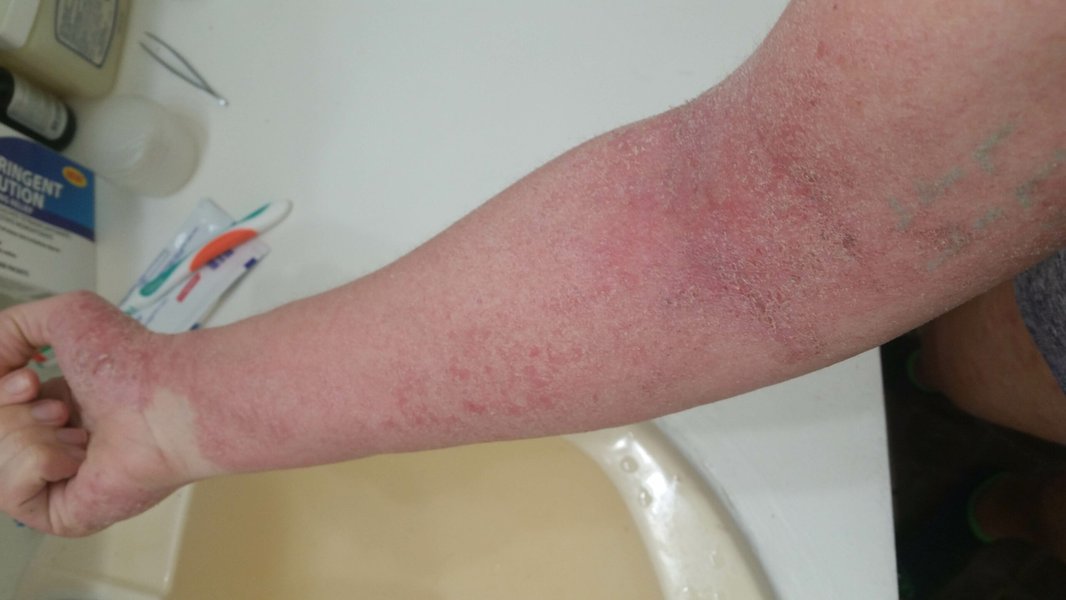
Visual representation of skin changes associated with TSW.
The Underlying Causes and Identified Risk Factors
The primary driver of TSW is the extended and often excessive use of topical corticosteroids. Several factors contribute to the risk of developing this condition:
- Duration of Use: Continuous daily application for prolonged periods (often months or even years) is a significant risk factor. Some sources suggest symptoms can appear after as little as two weeks of daily use with potent steroids.
- Potency of Steroids: Moderate- to high-potency topical corticosteroids are more commonly associated with TSW than lower-potency formulations.
- Frequency of Application: Applying steroids more frequently than prescribed can increase risk.
- Area of Application: Skin on the face, genital area, and flexural areas (like elbows and knees) is thinner and absorbs corticosteroids more readily, making these sites more susceptible to TSW.
- Occlusion: Covering the treated skin with dressings can enhance steroid absorption and potency, thereby increasing risk if done for prolonged periods without medical advice.
- Sudden Cessation: Abruptly stopping potent topical steroids after long-term use, rather than gradually tapering off, can trigger withdrawal symptoms.
Delving into the Pathophysiology
The exact mechanisms behind TSW are still being researched, but it's understood to be a complex rebound inflammatory reaction. Prolonged steroid use can suppress the skin's natural inflammatory responses and adrenal function. When the external steroids are removed, the skin can overcompensate, leading to exaggerated inflammation.
Recent groundbreaking research, particularly from the NIH in 2025, suggests a distinct pathophysiology for TSW. Studies indicate that dermatitis resulting from TSW is different from eczema and may be caused by an excess of mitochondrial nicotinamide adenine dinucleotide (\( \text{NAD}^+ \)), a form of vitamin B3. This excess \( \text{NAD}^+ \) is thought to be produced in response to topical steroids and contributes to the significant inflammation observed in TSW.
Recognizing the Signs: Symptoms of TSW
Symptoms of TSW can be severe and distressing, often impacting an individual's quality of life significantly. They typically appear after discontinuation of the topical steroid and can be categorized into skin-specific and systemic symptoms.
Common Skin Symptoms
- Intense Redness (Erythema): Often described as "red skin syndrome," the redness can be widespread, sometimes in a "sleeve" or "sock" distribution if limbs were heavily treated.
- Burning and Stinging Sensations: A hallmark symptom, often more prominent than itching in some cases. Skin can feel hot to the touch.
- Severe Itching (Pruritus): While burning is common, intense itching is also a frequent complaint.
- Swelling (Edema): Affected skin areas may become swollen.
- Oozing and Weeping: Skin may exude a clear or yellowish fluid, which can then crust over.
- Dryness, Flaking, and Shedding: Skin can become extremely dry, leading to significant peeling and shedding, sometimes described as "snowing" skin.
- Skin Sensitivity: Increased sensitivity to touch, temperature changes (e.g., water feeling painful during showers), and previously tolerated skincare products.
- Papules and Pustules: Small bumps or pus-filled spots may appear.
- Skin Thinning or Atrophy: Prolonged steroid use can lead to thinned skin, which may persist during TSW.
- Cracking and Fissures: Especially over joints or in areas of dry, tight skin.

An individual's skin during an active phase of TSW, illustrating common visible symptoms. (Image from ITSAN, Mini's Story)
Potential Systemic Symptoms
Beyond the skin, TSW can sometimes involve systemic symptoms, including:
- Nerve Pain: Sharp, shooting, or "zinging" pains.
- Insomnia and Sleep Disturbances: Due to discomfort, itching, or anxiety.
- Temperature Dysregulation: Feeling excessively cold or experiencing hot flashes and excessive sweating.
- Fatigue: General tiredness and lack of energy.
- Emotional Distress: Anxiety, depression, and irritability are common due to the chronic nature and visibility of the condition.
- Eye Problems: If steroids were used near the eyes, issues like dryness or irritation might occur.
- Hair Loss: Some individuals report thinning hair or hair loss on the scalp or body.
Symptom Severity Radar Chart
The intensity of TSW symptoms can vary significantly among individuals and throughout the withdrawal process. The radar chart below provides an illustrative comparison of perceived symptom severity during an early stage versus a peak stage of TSW. This is a general representation and individual experiences can differ.
This chart visualizes how symptoms like burning, itching, and sleep disturbance can escalate as TSW progresses to its peak, highlighting the challenging nature of this phase.
Diagnosis and Distinguishing TSW
Diagnosing TSW can be complex because its symptoms can mimic or overlap with those of the original skin condition (e.g., eczema or psoriasis) or other dermatological issues like contact dermatitis. A thorough medical history, particularly regarding topical steroid use (type, potency, duration, body areas treated), is paramount.
Key diagnostic considerations include:
- History of Prolonged Steroid Use: Typically, use for several months or longer, though TSW has been reported after shorter durations with potent steroids.
- Worsening Symptoms After Cessation: A crucial indicator is the emergence or significant worsening of symptoms (especially burning and widespread redness) days to weeks after stopping topical steroids.
- Symptoms Spreading: Inflammation and redness may spread to areas not previously affected by the original skin condition.
- Characteristic Symptoms: The presence of intense burning, "red sleeve" phenomenon, and significant skin sensitivity are strong pointers.
In 2025, researchers at the National Institutes of Health (NIH) defined diagnostic criteria to help clinicians better identify TSW as a distinct clinical entity. This work aims to differentiate TSW from flare-ups of atopic dermatitis or allergic contact dermatitis, emphasizing the unique features associated with steroid withdrawal.
TSW vs. Eczema Flare: A Comparative Look
Understanding the differences between TSW and an eczema flare is crucial for appropriate management. The table below highlights some key distinctions:
| Feature | Topical Steroid Withdrawal (TSW) | Eczema Flare-up |
|---|---|---|
| Primary Cause | Discontinuation of prolonged topical steroid use | Environmental triggers, allergens, stress, skin barrier dysfunction |
| Symptom Onset | Days to weeks after stopping steroids | Can be sudden or gradual, often related to a specific trigger |
| Key Sensation | Intense burning, stinging, hot skin | Primarily itching (can be intense), may have some burning |
| Redness Pattern | Often widespread, confluent, bright red; can manifest as "red sleeves" or "red socks" | Typically in characteristic eczema locations (e.g., flexures, face, hands), often patchy |
| Response to Steroids | Symptoms may temporarily improve but often rebound worse if steroids are reintroduced long-term; dependency cycle | Symptoms usually improve with appropriate short-term steroid application |
| Underlying Mechanism | Rebound inflammation post-steroid, potential \( \text{NAD}^+ \) dysregulation | Immune system dysregulation, skin barrier defects |
| Associated Features | Possible systemic symptoms like nerve pain, insomnia, temperature dysregulation | Systemic symptoms less common or less pronounced |
Navigating Treatment and Management Strategies
There is currently no single universally accepted cure for TSW, and management primarily focuses on symptom relief, supporting skin healing, and avoiding further topical steroid use. The journey can be long and challenging, often requiring a multifaceted approach.
Core Management Principles
- Cessation of Topical Steroids: This is the fundamental step. Some practitioners advocate for abrupt cessation, while others may suggest a gradual tapering of steroid potency or frequency, depending on the severity and duration of prior use. This decision should be made in consultation with a knowledgeable healthcare provider.
- Symptomatic Relief:
- Moisturizers and Emollients: Using bland, fragrance-free emollients can help with dryness and scaling. However, some individuals practice "Moisturizer Withdrawal" (MW), believing it helps the skin normalize faster, though this approach is debated and can be very uncomfortable.
- Cool Compresses: Can provide temporary relief from burning and itching.
- Pain Relief: Over-the-counter analgesics may help manage pain. Antihistamines might be used for itching, though their efficacy varies in TSW.
- Avoidance of Triggers: Identifying and avoiding personal irritants (e.g., certain fabrics, soaps, detergents, extreme temperatures) can be beneficial.
- Gentle Skincare: Using mild, non-soap cleansers and lukewarm water for bathing.
Emerging and Supportive Therapies
Research into TSW is ongoing, and new potential treatments are being explored:
- NAD+ Modulators: Based on the NIH findings linking TSW to excess \( \text{NAD}^+ \), researchers have conducted pilot studies on mitochondrial complex I-blocking drugs like metformin and berberine. These showed promising subjective responses in reducing TSW symptoms, suggesting a potential targeted therapeutic strategy.
- Calcineurin Inhibitors: Topical calcineurin inhibitors (e.g., tacrolimus, pimecrolimus) are non-steroidal alternatives that may be considered in some cases to manage inflammation, but their use in active TSW should be guided by a dermatologist.
- Systemic Medications: In severe cases, doctors might consider systemic medications such as immunosuppressants (e.g., cyclosporine, methotrexate, dupilumab) or oral antibiotics if secondary infections occur. However, these are typically reserved for very challenging situations.
- Light Therapy (Phototherapy): Some individuals find relief with specific types of light therapy under medical supervision.
- Alternative and Complementary Therapies: Some patients explore Traditional Chinese Medicine (TCM), herbal remedies, acupuncture, or dietary changes. Case studies have shown some success with TCM herbal treatments for severe TSW. Cryotherapy has also been anecdotally reported to provide relief.

Example of skin changes with acupuncture treatment for TSW. (Image from Oakland Hills Acupuncture)
Psychological and Lifestyle Support
The physical discomfort, visible nature of symptoms, and prolonged duration of TSW can significantly impact mental health. Psychological support through counseling, therapy, or support groups (online or in-person) is often crucial. Maintaining a healthy lifestyle, including a balanced diet, adequate hydration, and stress management techniques, can also be beneficial.
The Path to Healing: Mindmap Overview
The journey through Topical Steroid Withdrawal involves understanding its multifaceted nature, from causes to management. The mindmap below provides a visual summary of the key aspects of TSW, offering a structured overview of this complex condition.
This mindmap illustrates the interconnected elements of TSW, emphasizing that a comprehensive understanding is key to navigating this condition.
Prevention Strategies and Prognosis
Preventing Topical Steroid Withdrawal
Prevention is key and relies heavily on the judicious and appropriate use of topical corticosteroids under medical guidance:
- Follow Medical Advice: Use topical steroids strictly as prescribed by a healthcare professional regarding potency, amount, frequency, and duration.
- Limit Duration: Avoid long-term continuous daily use, especially of potent steroids. Discuss "steroid holidays" or intermittent use strategies with your doctor for chronic conditions.
- Use the Lowest Effective Potency: Opt for the mildest steroid that effectively controls the skin condition.
- Targeted Application: Apply steroids only to affected areas of skin.
- Avoid Use on Sensitive Skin: Be particularly cautious when using steroids on the face, eyelids, genitals, and skin folds unless specifically directed by a doctor.
- Regular Review: Have regular follow-ups with your healthcare provider to reassess the need for topical steroids and explore non-steroidal alternatives if long-term treatment is required. Examples include topical calcineurin inhibitors like tacrolimus or pimecrolimus, or newer non-steroidal creams.
- Patient Education: Understanding the risks of overuse and "steroid phobia" (which can lead to under-treatment of conditions like eczema) is important. Open communication with your doctor is vital.
Prognosis and Duration of Recovery
The recovery journey from TSW is highly variable and can be lengthy, often lasting from several months to a few years. Factors influencing the duration and severity include:
- The potency of the steroids used.
- The duration of steroid application.
- The areas of the body affected.
- Individual physiological responses.
While the process can be arduous, the skin does have the capacity to heal. Most individuals eventually recover, and their skin barrier function can return to normal or even improve compared to when they were reliant on steroids. However, patience, consistent supportive care, and avoiding reintroduction of topical steroids (unless absolutely necessary and under strict medical supervision for a different acute condition) are crucial for successful long-term outcomes. Relapse can occur if topical steroids are resumed inappropriately.
This video discusses results from an early NIH pilot study on Topical Steroid Withdrawal, offering insights into emerging research and potential treatment avenues based on the NAD+ pathway.
The video above shares preliminary findings from NIH research into TSW, highlighting the scientific efforts to understand and treat this condition better. Such research is vital for developing targeted therapies and improving patient outcomes.
Frequently Asked Questions (FAQ)
What exactly is Topical Steroid Withdrawal (TSW)?
Topical Steroid Withdrawal (TSW), also known as Red Skin Syndrome or Topical Steroid Addiction, is a potential adverse reaction that occurs after discontinuing prolonged or inappropriate use of topical corticosteroid medications. It's characterized by a range of debilitating skin symptoms like intense redness, burning, itching, and swelling that are often more severe than the original condition being treated.
How long does TSW typically last?
The duration of TSW is highly variable among individuals. It can last anywhere from a few months to several years. Factors influencing recovery time include the potency and duration of prior steroid use, the areas of the body affected, and individual healing capabilities. Patience and consistent supportive care are essential throughout this period.
Is TSW the same as an eczema flare-up?
No, TSW is considered distinct from an eczema flare-up, although symptoms can overlap, causing diagnostic confusion. TSW is a reaction to steroid cessation, often involving intense burning and widespread redness that may differ from typical eczema patterns. Recent NIH research supports TSW as a separate clinical entity with unique underlying mechanisms, such as potential \( \text{NAD}^+ \) dysregulation.
Can TSW be prevented?
Yes, TSW can often be prevented by using topical corticosteroids responsibly. This includes using them only as prescribed, for the shortest duration necessary, applying the lowest effective potency, avoiding prolonged use on sensitive areas, and having regular medical reviews to discuss ongoing treatment needs and potential non-steroidal alternatives.
What are the newest research findings on TSW?
Recent research, notably from the NIH (as of 2025), has identified that TSW dermatitis is distinct from eczema and may be caused by an excess of nicotinamide adenine dinucleotide (\( \text{NAD}^+ \)) in skin cells. This has led to pilot studies investigating drugs like metformin and berberine, which block mitochondrial complex I and may reduce \( \text{NAD}^+ \) levels, showing promising early results in alleviating TSW symptoms.
Recommended Further Exploration
To deepen your understanding of Topical Steroid Withdrawal and related topics, consider exploring these queries:
- What are the differences between Topical Steroid Withdrawal and an eczema flare?
- How can I manage the symptoms of Topical Steroid Withdrawal at home with supportive care?
- What is the role of NAD+ in the pathophysiology of Topical Steroid Withdrawal?
- Are there any known long-term effects on the skin after recovering from Topical Steroid Withdrawal?
References
Last updated May 9, 2025