
Unveiling Typhoid Fever: What You Need to Know About This Serious Infection
A comprehensive guide to understanding the causes, symptoms, treatment, and prevention of typhoid fever, a global health concern.
Key Insights into Typhoid Fever
- Bacterial Origin: Typhoid fever is caused exclusively by the bacterium Salmonella enterica serotype Typhi (S. Typhi), which infects humans primarily through the ingestion of contaminated food and water.
- Critical Treatment: Prompt and appropriate antibiotic therapy is essential for recovery, reducing the severity of the illness, and preventing potentially life-threatening complications.
- Prevention is Paramount: Enhanced sanitation measures, consistent hygiene practices (especially handwashing), ensuring safe food and water, and vaccination are crucial strategies for controlling the spread of typhoid, particularly in endemic regions and for travelers.
Demystifying Typhoid Fever: The Basics
What Exactly is Typhoid Fever?
Typhoid fever, sometimes referred to as enteric fever, is a systemic and potentially severe bacterial infection that primarily affects the intestinal tract and can spread to the bloodstream and other organs. It's important to distinguish it from salmonellosis, which is a more common form of food poisoning caused by different strains of Salmonella bacteria. Typhoid fever poses a significant public health challenge globally, especially in regions with limited access to clean water and adequate sanitation.
The Culprit: Salmonella Typhi
The sole causative agent of typhoid fever is the bacterium Salmonella enterica serotype Typhi, often shortened to S. Typhi. Unlike other Salmonella strains that can infect animals, S. Typhi lives exclusively in humans. Infected individuals carry the bacteria in their bloodstream and intestinal tract. Even after recovery, some individuals can become chronic carriers, unknowingly spreading the bacteria.
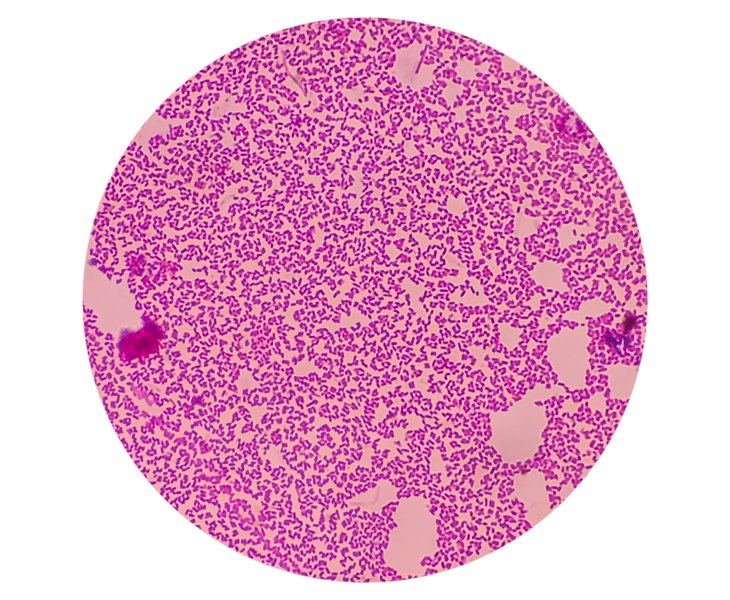
A depiction of Salmonella Typhi, the bacterium responsible for causing typhoid fever.
Transmission Pathways: How Typhoid Spreads
The Fecal-Oral Route Explained
Typhoid fever is primarily transmitted through the fecal-oral route. This occurs when individuals consume food or water that has been contaminated with small amounts of fecal matter from an infected person or a carrier. Common vehicles for transmission include:
- Water contaminated by sewage.
- Food handled by someone infected with S. Typhi who has not washed their hands properly after using the toilet.
- Eating raw or undercooked shellfish from contaminated water sources.
- Consuming raw fruits and vegetables that were irrigated or washed with contaminated water and not adequately cleaned or peeled.
The Role of Human Carriers
A significant aspect of typhoid transmission is the existence of human carriers. These are individuals who have recovered from typhoid fever but continue to harbor and shed S. Typhi in their feces (and sometimes urine) for extended periods, often without showing any symptoms themselves. These asymptomatic carriers can play a crucial role in maintaining the infection cycle and spreading it to others, especially if they are involved in food handling or live in areas with poor sanitation.
Recognizing the Onset: Symptoms of Typhoid Fever
The symptoms of typhoid fever usually develop within 6 to 30 days after exposure to the S. Typhi bacteria. The illness can range from mild to severe and life-threatening.
Incubation and Early Signs
The onset of typhoid fever is often gradual. Early symptoms can be non-specific and may include:
- A slowly progressive fever that can become very high, often reaching 39°C to 40°C (103°F to 104°F).
- General malaise and profound fatigue.
- Headache.
- Muscle aches (myalgia).
- Loss of appetite.
Progressive Symptoms
As the illness progresses, if left untreated, symptoms can become more severe:
- A sustained high fever is a hallmark of the disease.
- Abdominal pain and discomfort.
- Gastrointestinal issues, which can manifest as either constipation (more common in adults) or diarrhea (more common in children). Nausea and vomiting may also occur.
- Some individuals develop a characteristic rash.
The Telltale "Rose Spots"
In some cases, typically during the second week of illness, a rash known as "rose spots" may appear. These are small (2-4 mm), faint, salmon-pink to reddish, flat spots that primarily occur on the chest, abdomen, and back. They usually blanch (turn white) with pressure and typically disappear within a few days. While characteristic, not all typhoid patients develop rose spots.
In severe cases, particularly without treatment, individuals may experience confusion, delirium (sometimes referred to as "nervous fever"), and significant weakness. Complications can arise if the infection is not managed promptly.
Key Facts About Typhoid Fever
This table summarizes the essential aspects of typhoid fever, providing a quick reference for understanding this infectious disease.
| Feature | Description |
|---|---|
| Causative Agent | Bacterium: Salmonella enterica serotype Typhi (S. Typhi) |
| Primary Mode of Transmission | Ingestion of food or water contaminated with feces from an infected person or carrier. |
| Incubation Period | Typically 6 to 30 days after exposure. |
| Key Symptoms | Prolonged high fever, headache, fatigue, abdominal pain, loss of appetite, constipation or diarrhea, and sometimes rose spots (rash). |
| Primary Treatment | Antibiotics (e.g., ciprofloxacin, azithromycin, ceftriaxone). |
| Key Prevention Methods | Safe water and food practices, good hygiene (especially handwashing), vaccination for at-risk individuals, and improved public sanitation infrastructure. |
Diagnosing the Infection: Methods and Importance
Accurate and timely diagnosis of typhoid fever is crucial for initiating appropriate treatment and preventing severe complications. Diagnosis relies on a combination of clinical assessment and laboratory tests.
Clinical Evaluation and History
A healthcare provider will consider several factors:
- Symptom Profile: The presence of characteristic symptoms like sustained high fever, headache, and abdominal discomfort.
- Travel History: Recent travel to areas where typhoid fever is endemic is a significant risk factor.
- Exposure Risk: Inquiry about potential consumption of contaminated food or water.
Laboratory Confirmation
The definitive diagnosis of typhoid fever involves isolating S. Typhi from body fluids or stool:
- Blood Culture: This is the mainstay of diagnosis, especially during the first week of illness when bacteria are often present in the bloodstream.
- Stool Culture: May become positive after the first week of illness and can be useful for detecting carriers.
- Bone Marrow Aspirate Culture: This is considered the most sensitive test (gold standard) for diagnosing typhoid fever, yielding positive results even when blood cultures are negative, particularly if antibiotics have already been administered. However, it is an invasive procedure and not always practical.
- Urine Culture: Less commonly positive but can sometimes detect the bacteria.
Visualizing Typhoid Fever's Impact & Control Factors
This radar chart illustrates various interconnected factors influencing typhoid fever. It provides a comparative view of elements like symptom severity if untreated, the risk of transmission under poor hygiene conditions, the effectiveness of early medical intervention, typical vaccine efficacy, the profound impact of sanitation improvements, and the risk of serious complications when the disease is not promptly addressed. The scales represent relative impact or risk, with higher values indicating greater severity, risk, or effectiveness.
Combating Typhoid: Treatment Strategies
Typhoid fever is a treatable illness, and prompt medical attention significantly improves outcomes and reduces the risk of complications. Antibiotics are the cornerstone of treatment.
The Power of Antibiotics
Once typhoid fever is diagnosed or strongly suspected, antibiotic therapy should be initiated immediately. Commonly prescribed antibiotics include:
- Fluoroquinolones: Such as ciprofloxacin, were once widely used but resistance is increasing.
- Macrolides: Azithromycin is often effective, especially for uncomplicated typhoid and in areas with fluoroquinolone resistance.
- Cephalosporins: Ceftriaxone (administered intravenously) is typically used for more severe cases or when oral treatment is not possible.
Addressing Antibiotic Resistance
A growing global concern is the emergence and spread of antibiotic-resistant strains of S. Typhi, including multidrug-resistant (MDR) and extensively drug-resistant (XDR) strains. This resistance complicates treatment, limits therapeutic options, and can lead to higher rates of complications and mortality. Ongoing surveillance of antibiotic susceptibility patterns is vital to guide treatment recommendations.
When is Hospitalization Needed?
Hospitalization may be necessary for individuals with:
- Severe illness (e.g., prolonged high fever, significant vomiting or diarrhea leading to dehydration).
- Complications, such as intestinal bleeding or perforation.
- Inability to take oral medications.
- Situations where close monitoring is required.
Supportive Care
In addition to antibiotics, supportive care is important for managing symptoms and aiding recovery. This includes:
- Fluid Replacement: Drinking plenty of fluids (oral rehydration solutions or intravenous fluids if necessary) to prevent dehydration, especially if there is fever, vomiting, or diarrhea.
- Nutrition: Eating nutritious food to support recovery.
- Rest: Adequate rest helps the body fight the infection.
- Fever Management: Antipyretics (like paracetamol) can be used to reduce fever and discomfort.
Typhoid Fever Explained Visually
This video from Seeker offers an engaging and informative overview of typhoid fever. It explores what the disease is, how the Salmonella Typhi bacterium affects the human body, and touches upon its historical context and evolving nature, including the challenges posed by antibiotic resistance. Understanding these aspects helps to appreciate the seriousness of the infection and the importance of preventive measures.
Prevention: The First Line of Defense
Preventing typhoid fever involves a multi-pronged approach focusing on safe water and food, personal hygiene, sanitation, and vaccination where appropriate.
Safe Food and Water Practices
A key strategy, especially for travelers to endemic areas, is to follow the "boil it, cook it, peel it, or forget it" rule:
- Drink Safe Water: Consume only bottled water (ensure the seal is intact), boiled water, or chemically disinfected water. Avoid tap water, ice cubes in drinks, and unpasteurized dairy products.
- Eat Thoroughly Cooked Food: Ensure food, especially meat and seafood, is cooked thoroughly and served hot. Avoid raw or undercooked foods.
- Peel Fruits and Vegetables: Eat only fruits and vegetables that you have washed in safe water and peeled yourself. Avoid salads or raw vegetables that may have been washed in contaminated water.
- Avoid Street Food: Be cautious with food from street vendors, as hygiene standards can vary.
The Importance of Hygiene
Good personal hygiene practices are critical in preventing the spread of S. Typhi:
- Frequent Handwashing: Wash hands thoroughly with soap and safe water, especially after using the toilet, before preparing or eating food, and after caring for someone who is ill. If soap and water are not available, use an alcohol-based hand sanitizer.
- Proper Sanitation: Ensure safe disposal of human waste. Access to improved sanitation facilities significantly reduces the risk of water and food contamination.
Vaccination Against Typhoid
Vaccines are available to provide some protection against typhoid fever. They are recommended for:
- Travelers going to areas where typhoid fever is common (particularly South Asia, Southeast Asia, Africa, and parts of Latin America).
- People in close contact with a known typhoid carrier.
- Laboratory workers who work with S. Typhi bacteria.
- Injectable Vi polysaccharide vaccine: Given as a single shot. Protection lasts for about 2-3 years. Generally suitable for individuals aged 2 years and older.
- Oral live, attenuated Ty21a vaccine: Consists of several capsules taken on alternate days. Protection lasts for about 5-7 years. Generally suitable for individuals aged 6 years and older.
Public Health Measures
Long-term prevention of typhoid fever in communities relies on robust public health measures, including:
- Provision of safe drinking water supplies.
- Improved sanitation systems for effective sewage disposal and treatment.
- Health education campaigns to promote hygiene practices.
- Identification and treatment of chronic carriers.
Mapping Out Typhoid Fever
This mindmap provides a visual summary of the core aspects of typhoid fever. It branches out from the central topic to detail its cause (Salmonella Typhi), common modes of transmission, key symptoms that patients may experience, methods used for diagnosis, the primary treatment approaches involving antibiotics and supportive care, crucial preventive measures including vaccination and hygiene, and potential serious complications if the disease is not managed effectively.
Potential Complications and Long-Term Effects
If typhoid fever is not treated promptly and effectively with antibiotics, it can lead to serious, life-threatening complications. Even with treatment, a small percentage of individuals may experience long-term effects.
Severe Health Risks if Untreated
The most significant complications typically occur in the third week of illness in untreated patients:
- Intestinal Perforation: A hole can develop in the wall of the small intestine or large bowel, leading to the leakage of intestinal contents into the abdominal cavity. This causes severe abdominal pain and peritonitis (inflammation of the abdominal lining), a medical emergency requiring immediate surgery.
- Intestinal Hemorrhage (Bleeding): Severe bleeding can occur in the intestines, which can be life-threatening. Symptoms include passing black, tarry stools or vomiting blood.
- Systemic Spread and Other Complications: The bacteria can spread to other organs, leading to conditions such as:
- Myocarditis (inflammation of the heart muscle)
- Encephalopathy (brain dysfunction, causing confusion, delirium, or coma)
- Pneumonia
- Cholecystitis (inflammation of the gallbladder)
- Osteomyelitis (bone infection)
- Kidney or bladder infections
The Chronic Carrier State
A small percentage of individuals (around 1-5%) who recover from typhoid fever become chronic carriers. This means they continue to harbor S. Typhi, usually in their gallbladder, and excrete the bacteria in their feces for more than a year (sometimes for life) after the acute illness has resolved, often without showing any symptoms. These carriers are a persistent reservoir for the infection and can unknowingly transmit the disease to others, particularly if they handle food or have poor hygiene. Treatment to eradicate the carrier state can be challenging and may involve prolonged courses of antibiotics or, in some cases, surgical removal of the gallbladder.
Typhoid's Global Footprint and Risk Factors
Typhoid fever remains a significant public health problem in many parts of the world, particularly in developing countries with inadequate sanitation and limited access to clean drinking water.
Prevalence Around the World
Typhoid fever is endemic in many low- and middle-income countries, with the highest burden observed in:
- South Asia: Countries like India, Pakistan, Bangladesh, and Nepal report high incidences.
- Southeast Asia: Including Indonesia and Vietnam.
- Sub-Saharan Africa: Many regions face ongoing challenges.
- Parts of Latin America and the Middle East also see cases.
Who is Most at Risk?
Individuals at increased risk of contracting typhoid fever include:
- Travelers: Those visiting endemic areas, especially if staying for extended periods or venturing into rural regions with poor sanitation.
- Populations in Endemic Areas: Particularly children and young adults living in communities with inadequate water and sanitation infrastructure.
- Individuals with Close Contact to Carriers: Living in the same household or having close contact with a known typhoid carrier.
- Laboratory Personnel: Those working with S. Typhi bacteria.
The Influence of Urbanization and Climate Change
Several global trends may potentially increase the burden of typhoid fever:
- Rapid Urbanization: Often leads to overcrowded living conditions and strained water and sanitation systems in rapidly growing cities, particularly in developing countries.
- Climate Change: Can impact water availability and quality. Increased frequency of floods can contaminate water sources, while droughts can lead to reliance on unsafe water. Changes in temperature may also affect bacterial survival and transmission.
Frequently Asked Questions About Typhoid Fever
What is the main cause of typhoid fever? ▼
Typhoid fever is caused by a specific type of bacterium called Salmonella enterica serotype Typhi (often shortened to S. Typhi). This bacterium only lives in humans and is different from the Salmonella strains that cause common food poisoning (salmonellosis).
How long do typhoid symptoms typically last if untreated? ▼
If typhoid fever is left untreated, symptoms such as high fever, fatigue, and abdominal pain can persist for weeks or even months. Untreated typhoid can lead to serious complications, including intestinal perforation or bleeding, and can be fatal in up to 20% of cases.
Is typhoid fever contagious? ▼
Yes, typhoid fever is contagious. It spreads through the fecal-oral route, meaning the bacteria are passed in the feces (and sometimes urine) of infected people. Others can get infected by consuming food or water contaminated by an infected person or a carrier, often due to poor hand hygiene after using the toilet and before handling food.
Can typhoid fever be completely cured? ▼
Yes, typhoid fever can generally be cured completely with a full course of appropriate antibiotics. Most people start feeling better within a few days of starting treatment. However, it's crucial to complete the entire prescribed course to prevent relapse and the development of antibiotic resistance. A small percentage of recovered individuals may become chronic carriers of the bacteria.
What are "rose spots" in typhoid fever? ▼
Rose spots are a characteristic, though not universal, symptom of typhoid fever. They are small (2-4 mm), faint, flat, salmon-pink to reddish spots that typically appear on the chest, abdomen, and back, usually during the second week of illness. They blanch (turn white) on pressure and tend to fade after a few days. They are present in about 30% of typhoid cases.
Recommended Queries
- How does the typhoid vaccine work and who should get it?
- What is the difference between typhoid fever and paratyphoid fever?
- What are the long-term health consequences of being a typhoid carrier?
- How is antibiotic resistance impacting typhoid fever treatment globally?
References
Last updated May 7, 2025