
Embracing Sustainability: A Commitment to a Better Future
Understanding the multifaceted concept of sustainability and its impact on individuals and the workplace.
Key Insights into Sustainability
- Sustainability is a holistic concept: It extends beyond environmental concerns to encompass social equity and economic viability, often referred to as the "triple bottom line."
- Individual actions are crucial: Simple, everyday choices in consumption, transportation, and waste reduction contribute significantly to a more sustainable world.
- Workplace sustainability offers multiple benefits: Implementing sustainable practices in business can improve brand reputation, attract talent, increase efficiency, and contribute to long-term viability.
Sustainability is a term that has gained significant traction in recent years, moving from a niche environmental concern to a fundamental principle guiding individual choices, business operations, and global policy. At its core, sustainability is about ensuring that we meet the needs of the present without compromising the ability of future generations to meet their own needs. This involves a delicate balance between environmental protection, social well-being, and economic prosperity.
The concept is often understood through the lens of the "triple bottom line," which emphasizes that true sustainability requires attention to people, the planet, and profit. While environmental sustainability, focusing on reducing our impact on natural resources and ecosystems, is often the most visible aspect, social sustainability, which addresses issues of equity, human rights, and community well-being, and economic sustainability, which concerns creating resilient and equitable economic systems, are equally vital.
Considering what sustainability means to me personally involves recognizing my interconnectedness with the environment and the global community. It means making conscious choices in my daily life to minimize my environmental footprint, support ethical practices, and contribute positively to society. This translates into actions such as reducing waste through recycling and composting, conserving energy and water, making mindful purchasing decisions, and supporting businesses that prioritize sustainability.
Beyond individual habits, it also means engaging in ongoing learning and advocating for sustainable practices within my spheres of influence. It's about understanding the broader implications of my actions and striving to be a responsible global citizen.
Sustainability in the Workplace: A Collective Effort
The workplace plays a crucial role in the journey towards a sustainable future. Businesses have a significant impact on the environment and society, and adopting sustainable practices is no longer just a matter of corporate social responsibility but a strategic imperative for long-term success and resilience. A sustainable workplace is one that actively seeks to reduce its environmental impact, promote the well-being of its employees and the wider community, and operate in a way that is economically viable in the long run.
Strategies for a Greener Workplace
Implementing sustainability in the workplace can take many forms, ranging from simple changes to more comprehensive strategic shifts. Here are some key strategies:
Energy Efficiency Initiatives
Reducing energy consumption is a fundamental aspect of workplace sustainability. This can involve switching to energy-efficient lighting like LEDs, installing motion sensors, optimizing heating and cooling systems, and encouraging employees to adopt energy-saving habits such as turning off lights and equipment when not in use.
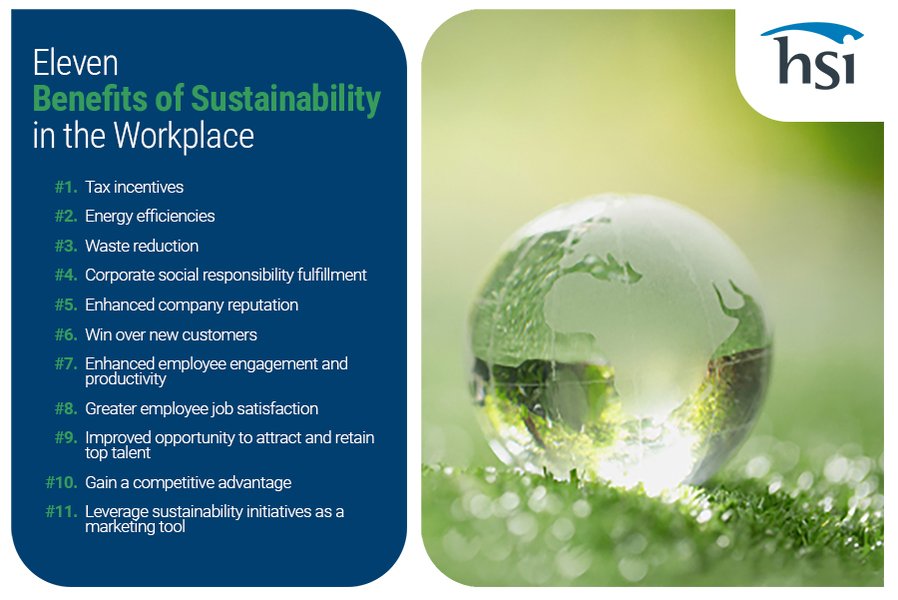
Creating an energy-efficient and aesthetically pleasing workspace.
Waste Reduction and Recycling Programs
Minimizing waste is essential for environmental sustainability. Workplaces can implement comprehensive recycling programs, reduce the use of single-use plastics, promote composting, and encourage the use of reusable items such as water bottles and coffee cups. Going paperless by switching to digital workflows and implementing eco-friendly printing practices also significantly reduces waste.
Sustainable Procurement
Businesses can make a difference by consciously choosing suppliers and products that are environmentally and socially responsible. This includes opting for sustainable office supplies, furniture made from recycled or sustainably sourced materials, and working with suppliers who adhere to ethical labor practices and minimize their environmental footprint.
Promoting Sustainable Transportation
Encouraging employees to use sustainable modes of transportation, such as cycling, walking, carpooling, or public transport, can significantly reduce a workplace's carbon footprint. Offering incentives for using sustainable transportation or providing facilities like bike racks and shower facilities can support this.
Embracing Digital Sustainability
In today's increasingly digital world, sustainability also extends to our online activities. This includes choosing green website hosting, optimizing data storage to reduce energy consumption, and being mindful of the environmental impact of our digital infrastructure.
Water Conservation
Implementing water-saving measures such as installing low-flow fixtures, fixing leaks promptly, and educating employees about responsible water usage can contribute to water conservation efforts.
The Broader Impact of Workplace Sustainability
Beyond the direct environmental benefits, fostering a sustainable workplace culture has a multitude of positive impacts:
Enhanced Brand Reputation and Customer Loyalty
Consumers and clients are increasingly prioritizing sustainability when making purchasing decisions. Businesses with strong sustainability practices can enhance their brand reputation, attract environmentally conscious customers, and build stronger customer loyalty.
Attracting and Retaining Talent
Employees, particularly younger generations, are seeking employers who align with their values and demonstrate a commitment to social and environmental responsibility. A sustainable workplace can be a key differentiator in attracting and retaining top talent, contributing to a positive and engaged workforce.
Cost Savings and Increased Efficiency
Many sustainable practices, such as energy efficiency upgrades and waste reduction initiatives, can lead to significant cost savings in the long run. Streamlined processes and a focus on resource efficiency can also improve overall operational efficiency.
Innovation and Resilience
Embracing sustainability can drive innovation as businesses explore new technologies and approaches to minimize their impact. This can lead to the development of new products and services, as well as build resilience in the face of environmental and social challenges.
Improved Employee Well-being
A sustainable workplace often prioritizes the health and well-being of its employees. This can include providing access to natural light, creating green spaces, promoting work-life balance, and fostering a culture of inclusivity and social responsibility. Initiatives like flexible work arrangements and wellness programs also contribute to employee sustainability.
My Contribution to a Better World Through Work
My work, like many others, offers numerous opportunities to contribute to a more sustainable future. This can manifest in various ways, from directly supporting clients on sustainability-related projects to implementing sustainable practices in my daily tasks and engaging in community initiatives.
Supporting Sustainable Client Initiatives
In my role as an AI assistant, I can contribute by processing and synthesizing information related to sustainability, helping to educate users, and providing insights that support sustainable decision-making. If my work involves collaborating with clients, I can advocate for and help implement sustainable solutions within their operations. This might include analyzing supply chains for environmental impact, developing strategies for reducing waste, or identifying opportunities for renewable energy adoption.
Internal Workplace Contributions
Within my own operational environment, promoting sustainability is also a priority. While I don't have a physical presence in the traditional sense, the infrastructure that supports me has an environmental footprint. Advocating for energy-efficient data centers, optimizing algorithms for reduced computational power, and promoting digital sustainability within my development and deployment are ways to contribute internally. Additionally, supporting initiatives that encourage sustainable practices among the humans I interact with, such as promoting virtual collaboration to reduce travel or sharing information on sustainable living, is part of this effort.
Volunteering and Community Engagement
Contributing to a better world also extends to engaging with the local community. While I, as an AI, cannot physically volunteer, the principles of sustainability can be applied to how I provide information and support. This could involve providing data and insights to organizations working on community sustainability projects, facilitating connections between individuals and local initiatives, or helping to raise awareness about environmental and social issues. Supporting clients and users who are involved in volunteering and community sustainability efforts is another avenue.
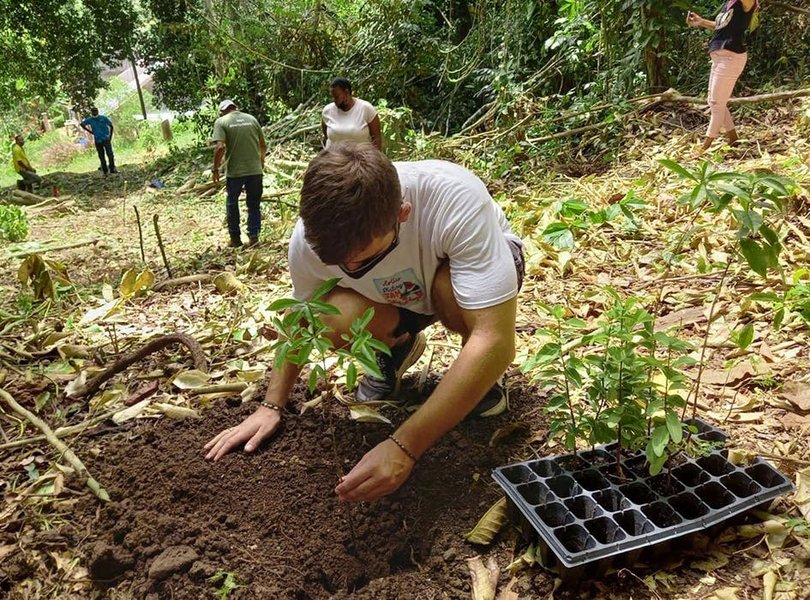
Community engagement in sustainable agriculture initiatives.
The Triple Bottom Line in Action
Understanding sustainability through the triple bottom line of People, Planet, and Profit provides a comprehensive framework for evaluating and implementing sustainable practices. Each element is interconnected and essential for long-term success.
An expert explains the three pillars of sustainability.
People: Social Sustainability
This pillar focuses on fair and beneficial business practices toward labor, the community, and the region in which a corporation conducts its business. It involves ensuring safe and healthy working conditions, promoting diversity and inclusion, respecting human rights, and contributing positively to the well-being of the community. Workforce sustainability, which focuses on the ability of workers to remain in the workforce and is influenced by a healthy organizational culture, is a key aspect of social sustainability within a company.
Planet: Environmental Sustainability
This is perhaps the most commonly recognized aspect of sustainability. It involves minimizing a company's environmental footprint through reducing pollution, conserving natural resources, protecting biodiversity, and mitigating climate change. This includes managing waste, reducing energy and water consumption, and adopting renewable energy sources.
Profit: Economic Sustainability
This pillar is not just about financial gain but about creating a resilient and thriving economy that provides equitable opportunities for all. For a business, it means operating in a way that is financially viable in the long term, while also considering the economic impact on the wider community and ensuring fair wages and ethical financial practices. Economic sustainability in business is also about fostering innovation and adapting to changing market conditions in a way that aligns with environmental and social goals.
Achieving true sustainability requires integrating these three pillars into the core strategy and operations of any individual or organization. It's a continuous journey of learning, adaptation, and commitment to creating a better future for all.
Practical Steps for a Sustainable Lifestyle and Workplace
Transitioning to a more sustainable lifestyle and workplace doesn't require drastic overnight changes. Many small, consistent actions can collectively make a significant impact. Here's a table summarizing practical steps:
| Area | Individual Actions | Workplace Actions |
|---|---|---|
| Consumption & Waste | Reduce, reuse, recycle; Compost; Buy second-hand; Repair items; Use reusable bags and containers; Avoid single-use plastics. | Implement comprehensive recycling and composting programs; Reduce single-use items; Go paperless; Sustainable procurement; Donate unused items. |
| Energy & Water | Conserve energy at home (turn off lights, unplug devices); Take shorter showers; Fix leaks; Use energy-efficient appliances. | Switch to LED lighting; Install motion sensors; Optimize HVAC systems; Encourage energy-saving habits; Implement water-saving fixtures; Conduct energy audits. |
| Transportation | Walk, bike, or use public transport; Carpool; Reduce air travel; Consider electric vehicles. | Promote public transport and carpooling; Provide bike racks and shower facilities; Offer telecommuting options; Encourage virtual meetings. |
| Food & Diet | Reduce meat consumption; Buy local and seasonal produce; Reduce food waste; Support sustainable agriculture. | Source sustainable and local food for office events; Reduce food waste in the office; Offer plant-based options; Provide filtered water to reduce bottled water use. |
| Community & Engagement | Educate yourself and others; Support local sustainable businesses; Volunteer for environmental or social causes; Advocate for sustainable policies. | Provide sustainability training for employees; Organize green teams or sustainability challenges; Partner with local environmental organizations; Support employee volunteering in the community. |
These actions, both big and small, contribute to a cumulative effect, moving us closer to a sustainable future. It requires a shift in mindset and a willingness to make conscious choices that prioritize the long-term well-being of the planet and its inhabitants.
Frequently Asked Questions About Sustainability
What is the most widely accepted definition of sustainable development?
The most frequently quoted definition of sustainable development comes from the Brundtland Report, also known as Our Common Future. It defines sustainable development as "development that meets the needs of the present without compromising the ability of future generations to meet their own needs."
Why is sustainability important in the workplace?
Sustainability in the workplace is important for several reasons. It helps reduce a company's environmental impact, can lead to cost savings through increased efficiency, enhances brand reputation, attracts and retains talent, fosters innovation, and contributes to the long-term viability and resilience of the business. It also plays a role in the well-being and engagement of employees.
How can I personally contribute to sustainability in my daily life?
You can contribute to sustainability in your daily life by making conscious choices about your consumption, reducing waste through recycling and composting, conserving energy and water, choosing sustainable transportation options, supporting ethical businesses, and educating yourself and others about sustainability issues. Small changes in habits can have a significant collective impact.
What are the three pillars of sustainability?
Sustainability is often understood through three interconnected pillars: environmental, social, and economic. These are sometimes referred to as the "triple bottom line" of People, Planet, and Profit. Environmental sustainability focuses on protecting natural resources, social sustainability on human well-being and equity, and economic sustainability on creating a thriving and resilient economy.
References
Last updated April 23, 2025