
Unlocking the Secrets to Your Longevity: What Determines How Long You Might Live?
An exploration of the multifaceted influences on lifespan and how averages are determined.
The question of "how long will I live?" is one of humanity's most enduring ponderings. While an exact answer for any individual remains beyond prediction, science and statistical analysis offer significant insights into the factors that shape our potential lifespan. This exploration delves into what determines life expectancy, how it has evolved, and the tools available to gain a general understanding of your potential longevity.
Key Insights into Longevity
Essential Takeaways
- Life Expectancy vs. Lifespan: It's crucial to understand that life expectancy is a statistical average for a group, while maximum lifespan refers to the longest an individual human has lived (currently documented at 122 years and 164 days).
- A Multifactorial Puzzle: Your potential longevity is influenced by a complex interplay of genetics, lifestyle choices, environmental conditions, socioeconomic factors, and access to healthcare.
- Historical Progress: Human life expectancy has dramatically increased over centuries, largely due to advancements in public health, medicine, and living standards, though recent events like pandemics can cause temporary fluctuations.

A joyous family celebration, highlighting the preciousness of a long life.
Decoding Life Expectancy and Lifespan
Understanding the Core Concepts
When discussing how long one might live, two terms are often used: life expectancy and lifespan. While related, they mean different things.
Life Expectancy: A Statistical Snapshot
Life expectancy is an average. It represents the number of years a person of a particular age, in a specific population (e.g., country, gender), is statistically likely to live, assuming current age-specific death rates remain constant throughout their life. For example, global average life expectancy was around 71-73 years in the early 2020s. This figure is a powerful indicator of a population's overall health.
Maximum Lifespan: The Upper Limit
Maximum lifespan, on the other hand, refers to the greatest age achieved by any member of a species. For humans, the longest verified lifespan belongs to Jeanne Calment of France, who lived to be 122 years and 164 days. While research explores the potential for extending this limit, currently, it hovers around 120-125 years.
The Shifting Sands of Time: Historical Trends in Life Expectancy
A Journey Through Centuries
Human life expectancy has undergone a remarkable transformation. In the Paleolithic Era (over 12,000 years ago), it's estimated to have been around 33 years. Fast forward to the 20th century, and in countries like the United States, average lifespan increased by over 30 years, with a significant portion of this gain attributed to public health advancements such as sanitation, vaccinations, and improved nutrition. Today, age-specific mortality rates have declined across most of the adult lifespan, meaning fewer people die at younger adult ages, contributing to longer average lifespans than ever before.
The Tapestry of Factors Influencing Your Longevity
Weaving Together the Threads of Life
Numerous interconnected factors contribute to an individual's and a population's life expectancy. These can be broadly categorized as follows:
Individual Health Behaviors
These are often the most modifiable factors:
- Diet: A balanced, nutritious diet is foundational for good health and longevity.
- Exercise: Regular physical activity is linked to a longer and healthier life.
- Smoking: Tobacco use is a major risk factor for numerous diseases and significantly reduces life expectancy.
- Alcohol Consumption: Excessive alcohol intake can lead to various health problems and shorten lifespan.
- Obesity: Maintaining a healthy weight is crucial, as obesity is linked to chronic conditions that can impact longevity.
- Health Management: Regular check-ups and management of conditions like high blood pressure and cholesterol are important.
Public Health and Medical Care
Access to and quality of healthcare are paramount. Improvements in medical treatments, vaccinations, sanitation, and public health initiatives have been primary drivers of increased life expectancy globally.
Socioeconomic Factors
- Income: Generally, higher income levels are associated with longer life expectancies, often due to better access to nutrition, healthcare, and safer living environments.
- Education: Higher levels of education often correlate with healthier behaviors and better health outcomes.
Geographic Location
Significant disparities exist worldwide. For instance, as of early 2025, Japan boasted one of the highest life expectancies (around 82.6 years), while some countries in sub-Saharan Africa had much lower figures (e.g., Eswatini around 60 years). Within countries, variations also exist; in the U.S., states like Hawaii and California tend to have higher life expectancies than states like Mississippi or West Virginia.
Gender
Globally, women tend to have a higher life expectancy than men. For example, in 2025, the projected global average life expectancy is around 75.8 years for females and 70.23 years for males.
Genetic Factors
While lifestyle plays a huge role, genetics also contribute to longevity. Family history can offer clues, though it's not deterministic. Research into genetic enhancements for extending lifespan is ongoing but largely speculative for now.
Environmental Conditions
The environment in which you live matters. Exposure to air pollution, for example, can negatively impact respiratory health and overall life expectancy.
Visualizing Longevity Factors: A Mindmap
The following mindmap illustrates the interconnectedness of various factors that influence how long an individual might live. It shows how broader categories like lifestyle, environment, and healthcare branch out into more specific elements, all contributing to the overall picture of life expectancy.
Life Expectancy Around the World and in the U.S.
Current Averages and Comparisons
Globally, average life expectancy at birth reached approximately 71 years in 2021 and was projected to be around 73 years by 2023. However, this global average masks significant regional variations.
In the United States, life expectancy at birth increased to 78.4 years in 2023, a modest rise from 77.5 years in 2022. This figure is still below the pre-pandemic level of 78.8 years in 2019. Comparatively, the U.S. has a lower life expectancy than many other developed nations, which averaged around 82.5 years in 2023. This gap is partly attributed to higher rates of preventable deaths and chronic diseases, as well as the impact of the COVID-19 pandemic, from which the U.S. experienced a sharper decline and slower rebound in life expectancy compared to peer countries, despite having the highest per capita healthcare spending.
Comparative Impact of Lifestyle Factors
The radar chart below illustrates a conceptual comparison of how different lifestyle profiles might score on key longevity-influencing factors. "Optimal Habits" represents an individual making consistently healthy choices, "Average Habits" a more typical profile, and "Risky Habits" a profile with several detrimental behaviors. The scores are hypothetical, intended to visualize the relative impact of these choices rather than provide precise data.
This chart underscores how positive lifestyle choices across multiple domains can collectively contribute to a more favorable outlook for longevity, while risky behaviors can diminish it.
Tools for Estimation: Life Expectancy Calculators
Gaining a Personalized Perspective
While no calculator can provide a definitive answer to "how long will I live?", several online tools can offer personalized estimates based on statistical data and individual factors. These calculators typically ask questions about your current age, gender, lifestyle habits (like smoking, diet, exercise), medical history, and sometimes family history of longevity.
Some well-regarded examples include:
- Living to 100 Life Expectancy Calculator: Incorporates current medical and scientific data, including family history.
- Northwestern Mutual Lifespan Calculator: Asks a series of questions to estimate longevity.
- John Hancock Life Expectancy Calculator: Considers factors like current age, blood pressure, and lifestyle habits.
- Social Security Administration (SSA) Life Expectancy Calculator: Provides an average number of additional years you can expect to live based on your sex and date of birth.
- Blueprint Income Calculator: Based on NIH data samples and a lifestyle quiz.
- Office for National Statistics (UK) Calculator: Estimates life expectancy and the likelihood of living to 100, based on age and sex.
These tools use actuarial tables and algorithms to provide a probability-based prediction. They are useful for general awareness and financial planning (e.g., retirement) but should be seen as estimations rather than certainties.
This video discusses how online life expectancy calculators work and what kind of information they use to provide estimates.
The video above, "When Will You Die? Calculating Life Expectancy Online," delves into how various online tools attempt to quantify life expectancy by analyzing user inputs against health studies and statistical data. It highlights the types of questions these calculators ask—ranging from lifestyle choices like diet and exercise to medical history and family longevity—and explains that while they can't predict an exact date, they offer valuable insights into statistical probabilities and the potential impact of positive health changes. Understanding the basis of these calculators can help in interpreting their results as part of a broader approach to health awareness and planning.
Life Expectancy Variations: A Comparative Look
Key Differentiating Factors at a Glance
The table below summarizes how certain key factors can influence average life expectancy. These are general trends and individual experiences can vary widely.
| Factor | Group A | Life Expectancy (Approx. Average) - Group A | Group B | Life Expectancy (Approx. Average) - Group B | Notes |
|---|---|---|---|---|---|
| Gender (Global) | Female | ~75.8 years (2025 proj.) | Male | ~70.23 years (2025 proj.) | Biological and behavioral differences often cited. |
| Smoking Status (General) | Non-Smoker | Can be 10+ years higher | Chronic Smoker | Can be 10+ years lower | Smoking drastically increases risk of many fatal diseases. |
| Socioeconomic Region (General) | High-Income Countries | Often >80 years | Low-Income Countries | Often <65 years | Reflects differences in healthcare, nutrition, sanitation. |
| Physical Activity Level (Adults) | Regularly Active | Higher | Sedentary | Lower | Exercise reduces risk of heart disease, diabetes, etc. |
Note: The figures in the table are illustrative and represent broad averages. Actual life expectancies can vary based on a multitude of interacting factors.
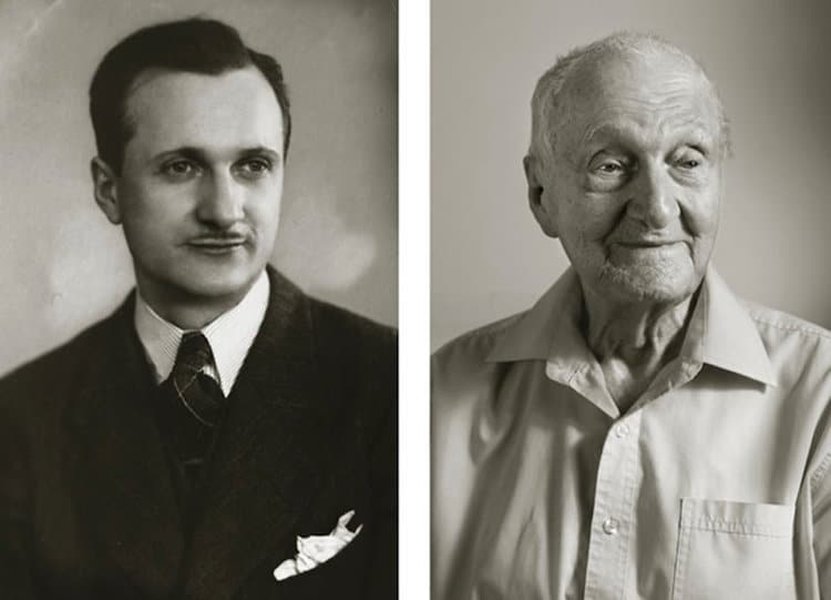
A portrait capturing the wisdom and experience of a life lived to 100 years.
Frequently Asked Questions (FAQ)
Common Queries About Longevity
What is the main difference between life expectancy and lifespan?
Can I find out exactly how long I will live?
How much do genetics influence my lifespan?
What are the most important lifestyle choices for a long life?
Has global life expectancy always been increasing?
Conclusion: Empowering Your Journey to a Longer, Healthier Life
Taking Control of Your Future
While we cannot know the exact length of our lives, understanding the factors that influence longevity empowers us to make informed choices. Life expectancy is a statistical measure shaped by a myriad of influences, from our genetic makeup and personal habits to the societal and environmental contexts in which we live. Advances in public health and medicine have dramatically extended average lifespans over the past century, but individual actions remain paramount. By embracing a healthy lifestyle, staying informed, and utilizing available health resources, you can positively influence your healthspan—the years you live in good health—and potentially your overall lifespan.
Recommended Further Exploration
Delve Deeper into Related Topics
- What are the top lifestyle changes to increase longevity?
- How does diet specifically impact life expectancy?
- Compare life expectancy in different developed countries and reasons for variations.
- What is the impact of stress and mental health on lifespan?
References
Sources for This Information

Last updated May 21, 2025